META TELLS TIKTOK AND YOUTUBE TO MATCH ITS TEEN CAP
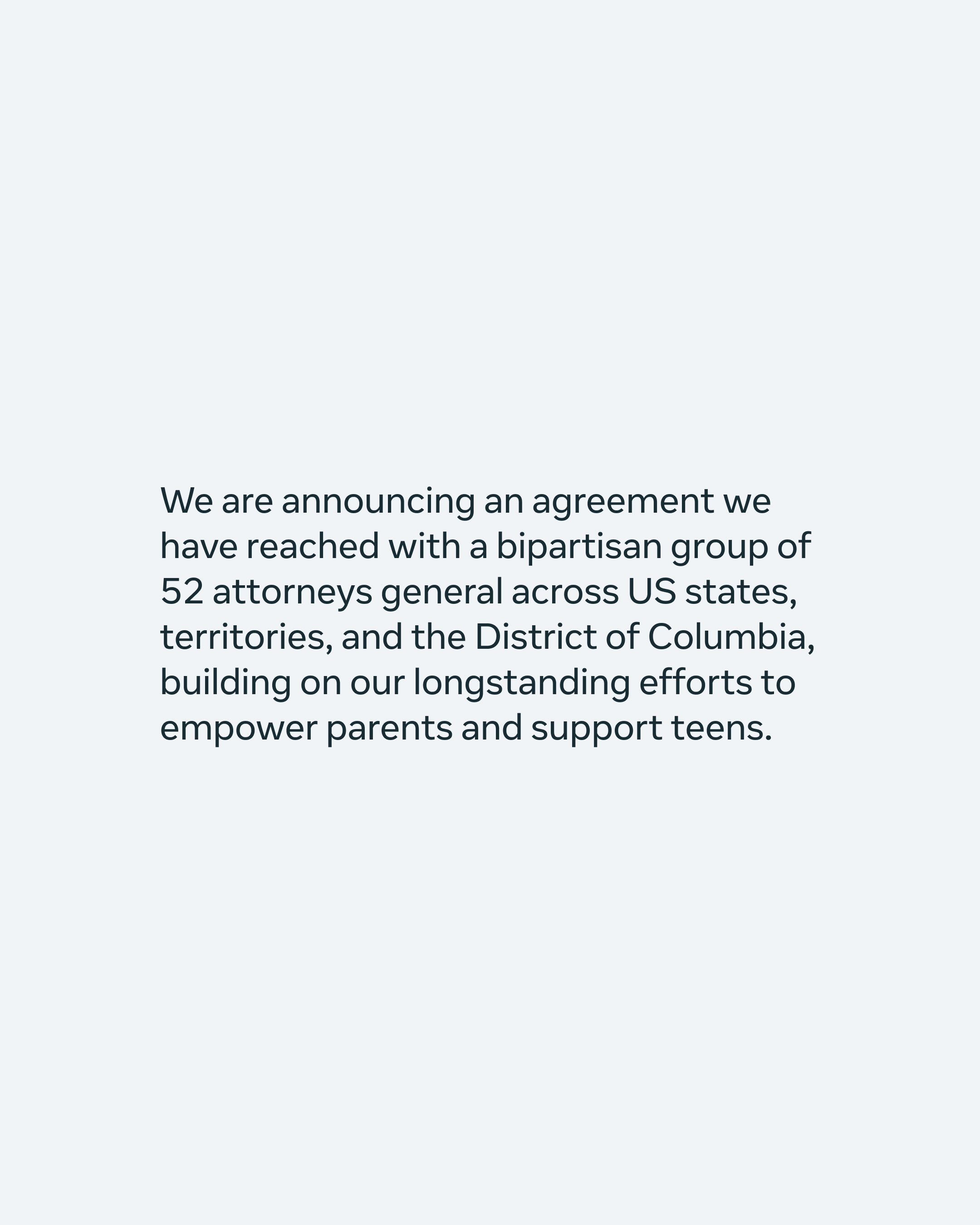
Meta agreed to pay up to $17 billion over 10 years and add teen safety features to Instagram and Facebook, settling a lawsuit from a coalition of 52 state attorneys general. The deal adds a hard daily time cap, blocks push notifications during school hours, and ties 30 percent of the payout to whether TikTok and YouTube adopt matching protections.
Key Points
- Meta will pay $17B over 10 years to settle claims from 52 state attorneys general
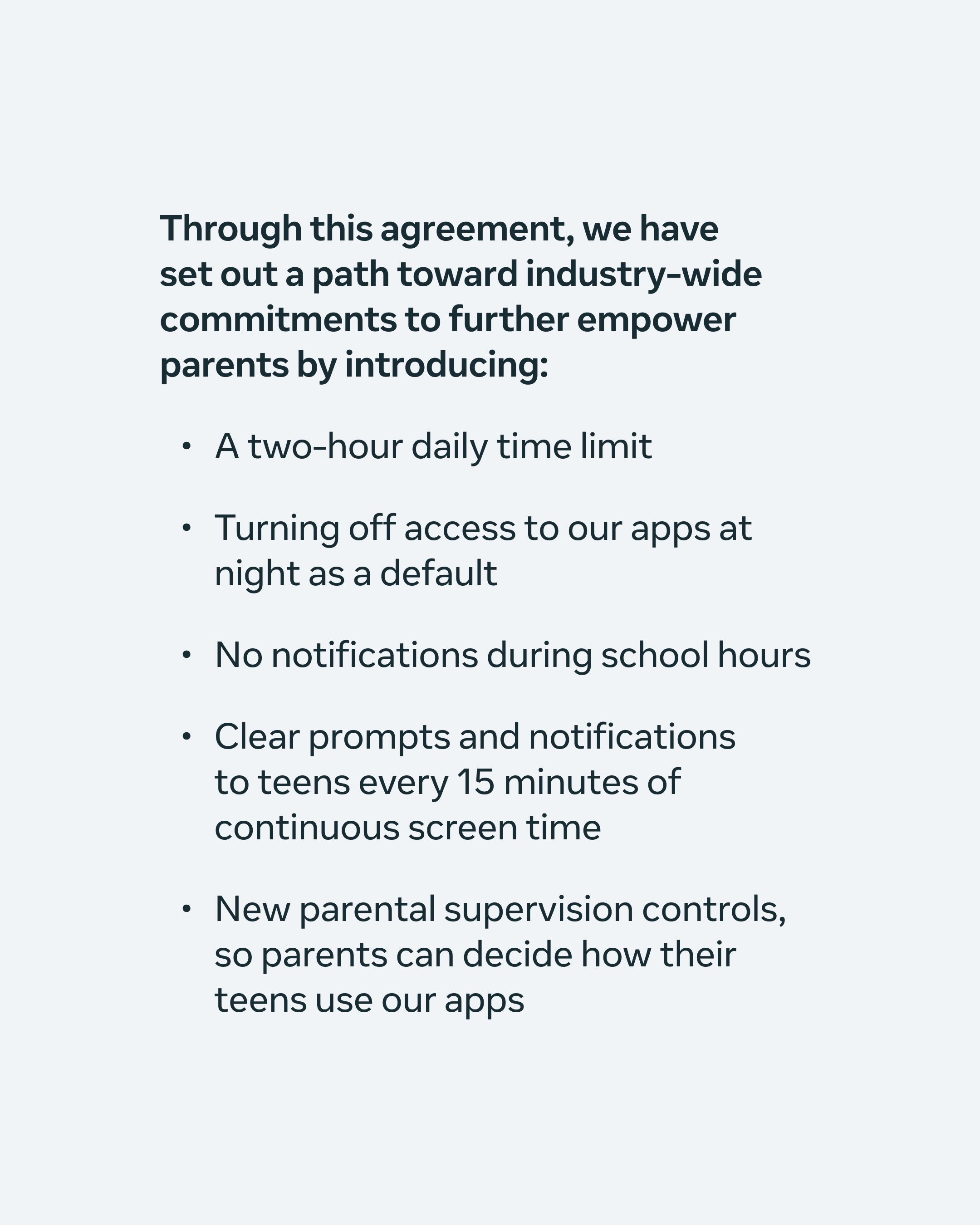
- Instagram and Facebook get a hard daily time cap, not just a warning, for teens
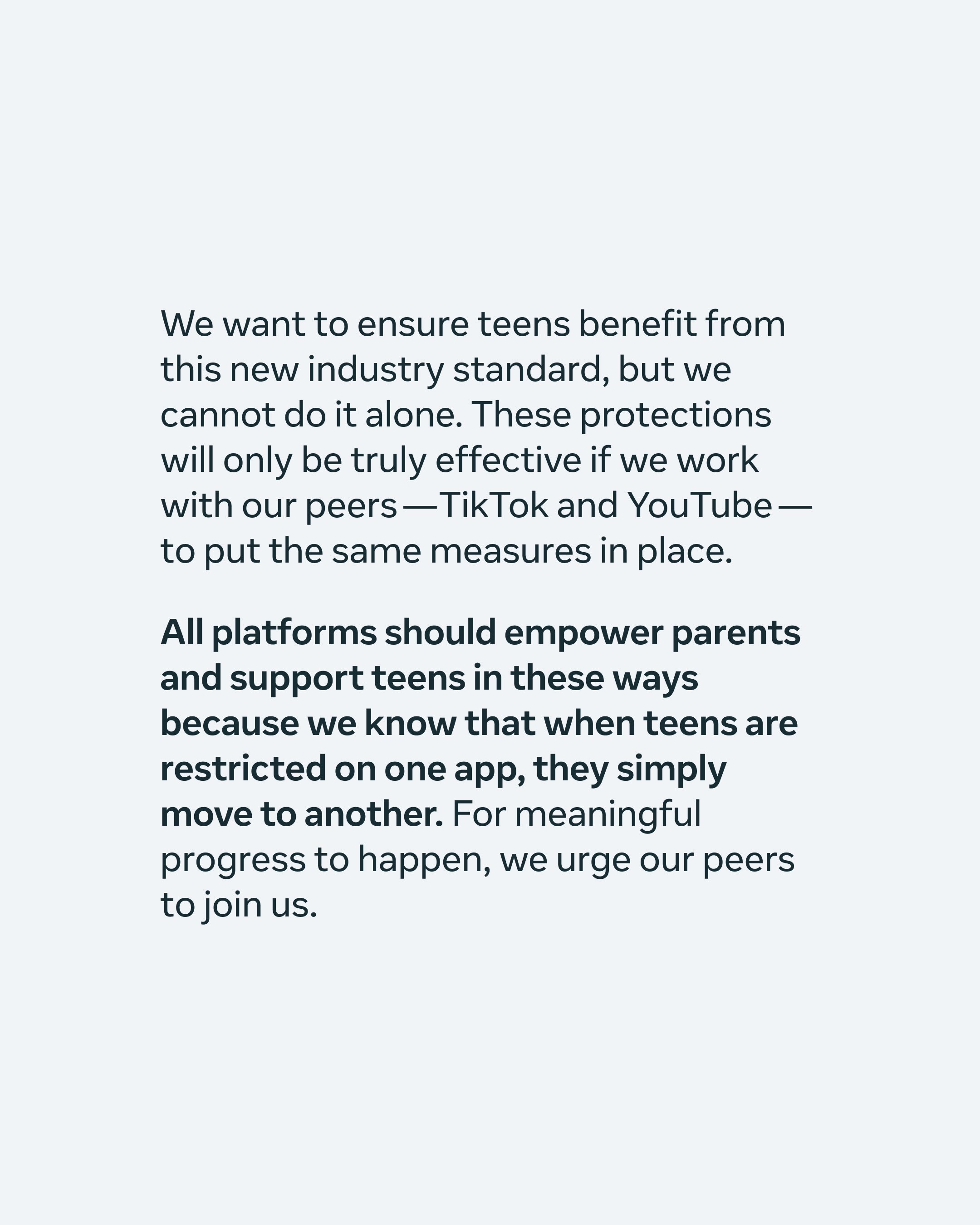
- 30 percent of the payout depends on TikTok and YouTube matching the protections
Every Instagram account registered to a teen is about to hit a wall it never had before. Not a warning banner. Not a nudge to take a break. A hard stop, built into the app, that cuts off scrolling once the daily clock runs out. Meta agreed to build that wall on August 26, when it reached a deal with a bipartisan coalition of 52 state attorneys general over how it has treated teen accounts on Instagram and Facebook.
The caption Meta put out with the news makes the ask explicit. Meta says the agreement is a new path forward to empower parents and support teens, and that to be truly effective, it needs TikTok and YouTube to join. That line is not a courtesy. It is leverage. Meta will pay $17 billion over 10 years to resolve the underlying lawsuit, and 70 percent of that money moves to the states immediately. The remaining 30 percent only unlocks if TikTok and YouTube adopt matching protections and put up matching payments of their own.
August 26. 52 Attorneys General. One Signature.
The deal closes a lawsuit led by attorneys general in California, Florida, Kentucky, Massachusetts, Nebraska, New Jersey, Tennessee and Vermont, joined by counterparts across dozens more states and territories. The suit alleged Meta built features that encouraged compulsive scrolling in minors, misrepresented the risk to families, and ran afoul of COPPA along with state advertising law. Meta framed the number as $18 billion in its own materials, a figure that folds in a separate award to Texas. The company did not contest that its features kept teenagers on the app longer than intended. It contested the idea that a settlement means admitting that on the record.
The Hard Cap Replaces the Soft Nudge
A hard cap on daily time is different from every teen safety feature Meta has shipped before, because it does not ask a teenager to agree to stop. Instagram and Facebook will now force a pause once a minor account crosses its daily allotment, the same category of control Apple built into Screen Time years ago and that parents have had to install as a third party workaround since. Push notifications go dark for teen accounts during weekday school hours, so a class period no longer competes with a phone buzzing in a backpack. Meta is framing the cap as new discipline, but as recently as mid July it marketed a bedtime companion chatbot built to keep a conversation open past midnight, the exact habit this week's cap says it wants to break.
TikTok and YouTube Get a Deadline They Did Not Ask For
Meta's public ask puts TikTok and YouTube in a position neither company chose for itself. 30 percent of a settlement Meta already agreed to now depends on whether two competitors sign onto the same restrictions, on their own timeline, facing their own legal exposure. Neither platform has been sued by this coalition over these claims, so there is no obvious reason for either to move first. If TikTok and YouTube decline, Meta banks the same $17 billion either way and gets to say publicly that it tried. If either joins, Meta collects the contingent 30 percent and hands regulators a cleaner three way comparison the next time this fight comes up.
A Birthday Field Used to Be Enough
A birthday field a twelve year old could lie on once, and never see checked again, used to satisfy Meta's old age rules. The settlement requires age assurance Meta itself is calling robust, a system that has to hold up if a state attorney general later asks how one specific account got classified as an adult. That is a harder engineering problem than a signup form, and it is the part of this deal Meta has not detailed publicly yet.
Try, Skip, or Watch
For parents, Instagram's new hard cap is a try. It replaces a Digital Wellbeing menu almost nobody opened with a limit the app now enforces on its own, the same kind of shift Instagram made when it stopped defaulting Muse to a user's own camera roll and had to be told to ask first instead of assuming consent. For TikTok and YouTube, this is a watch. Both companies now have a public, dollar figure reason to move, and neither has given a timeline. The number worth tracking over the next year is not the $17 billion. It is whether that other 30 percent ever gets paid out, because that is the only proof the rest of the industry moved with Meta instead of just watching it write the check alone.
Frequently Asked Questions
What did Meta agree to with state attorneys general in August 2026?
Meta agreed to pay up to $17 billion over 10 years and add teen safety features to Instagram and Facebook, settling a lawsuit brought by a coalition of 52 state attorneys general.
How much is Meta's teen safety settlement worth?
The settlement is worth $17 billion over a 10 year payment period, with Meta describing the total value at $18 billion when a separate award to Texas is included.
Is the settlement money contingent on other companies joining?
Yes. 70 percent of the funds go to states upfront, and the remaining 30 percent depends on whether TikTok and YouTube adopt similar teen safety protections and matching payments.
What new features is Meta adding for teen accounts?
Meta is adding a hard daily time cap for minors on Instagram and Facebook, turning off push notifications during weekday school hours, and expanding age assurance and content controls.
Who led the lawsuit against Meta over teen safety?
The coalition was led by attorneys general in California, Florida, Kentucky, Massachusetts, Nebraska, New Jersey, Tennessee, and Vermont, joined by dozens of other states and territories.
Does the settlement include TikTok and YouTube?
No. TikTok and YouTube are not parties to the settlement, but Meta is publicly asking both platforms to adopt matching protections and payments.
When did Meta announce the teen safety agreement?
Meta announced the agreement on August 26, 2026, and the settlement is still pending court approval before the new features are formally required.
Topics: youtube, deadline, instagram, facebook, tech, meta, attorneys-general, parental-controls, social-media, teen-safety, apple, tiktok