HONDA FUSION BECAME JAPAN'S LOWRIDER SCOOTER
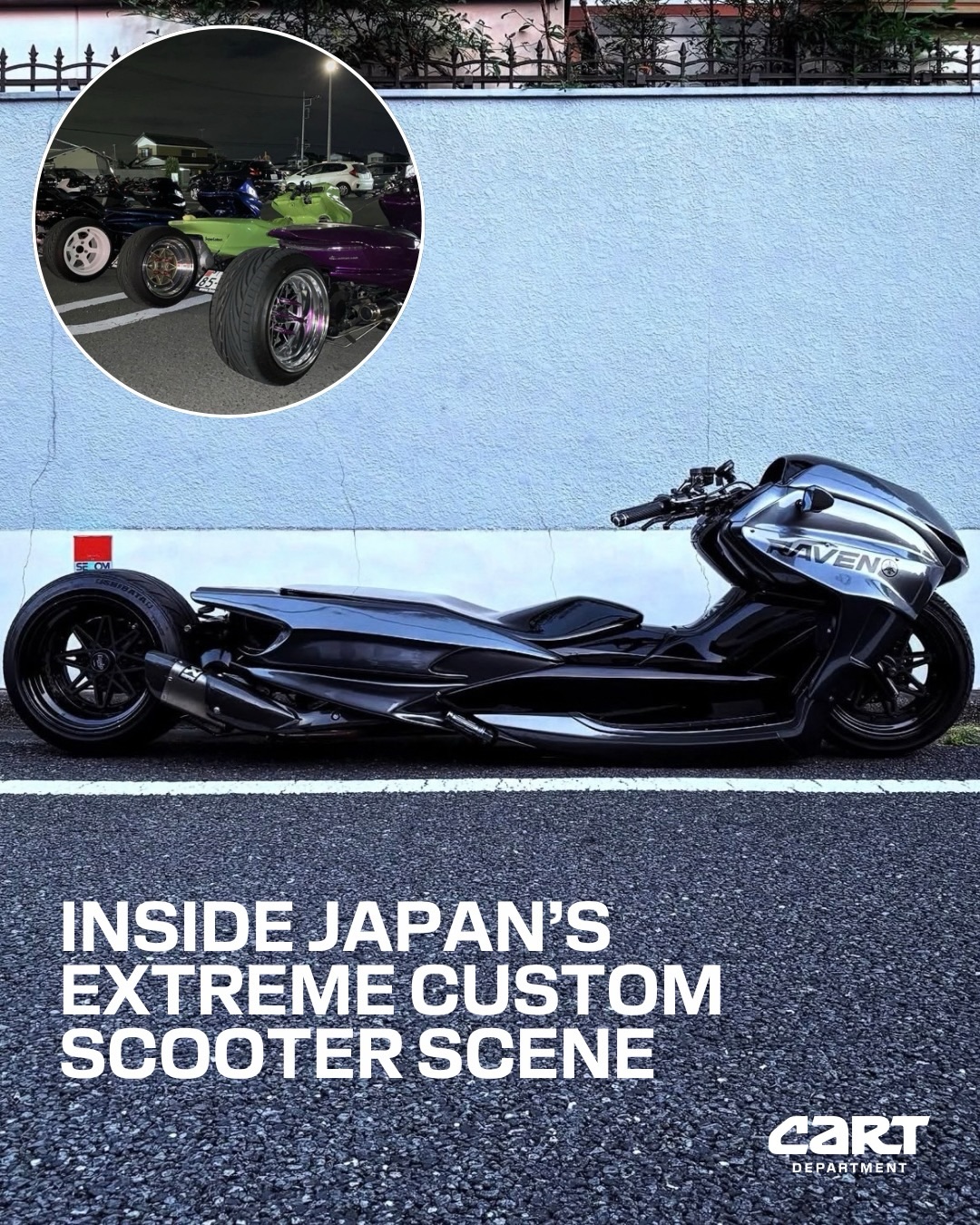
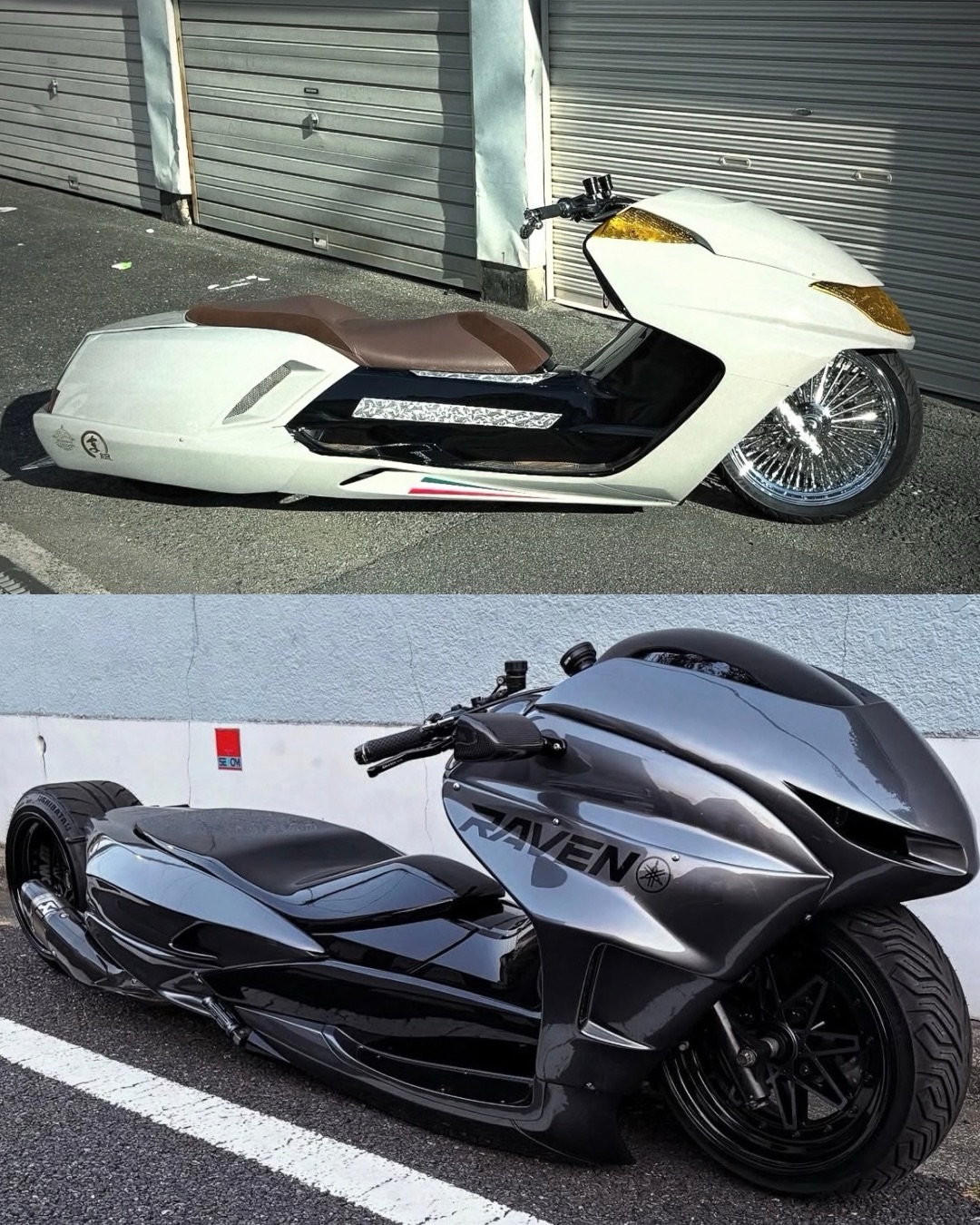
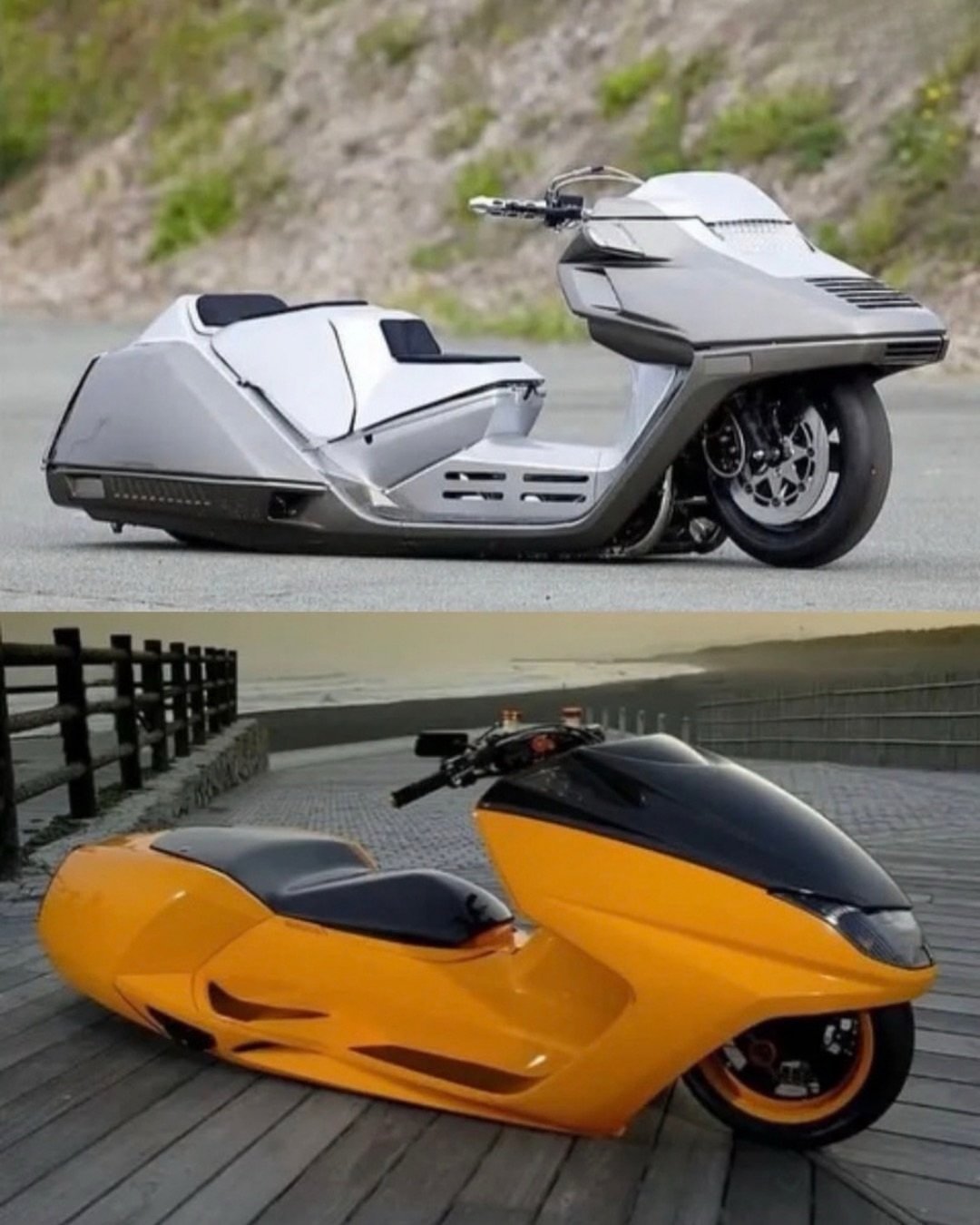
Japan's custom scooter scene turned maxi scooters such as the Honda Fusion, Yamaha Majesty and Suzuki Skywave into stretched, ultra low show machines from the late 1990s. Builders borrowed air suspension, fiberglass bodywork, neon lighting and audio systems from custom car culture, and the style continues on newer scooters like the Honda PCX.
Key Points
- Honda ended Japanese Fusion sales in 1997 and relaunched it in 2003
- Fusion wheelbase of 1,625 mm was the largest of any scooter in 1986
- Motorcycle News in 2007: some owners spent over £15,000 on one build
The Honda Fusion went off sale in Japan in 1997, came back in 2003, and in the years between became the scooter Japan's custom builders chose to stretch, drop and wire for sound. Honda's own company history says the Fusion's styling resonated with the street culture of the time, which is how a commuter built for long rides with a passenger ended up as the base for Japan's answer to the lowrider.
1,625 mm Between the Wheels in 1986
The Honda Fusion launched in Japan in 1986 as a 250cc big scooter with a 1,625 mm wheelbase and a 665 mm seat height, and Honda's history calls that wheelbase the largest of any scooter at the time. It was based on the Freeway and aimed at long distance riding with a passenger, and the brief said nothing about show builds.
That proportion is the reason the Fusion matters to customizers. A scooter that already sits long and close to the road needs less work to become a stretched, slammed machine than a tall, short wheelbase commuter does. Yamaha's Majesty 250 arrived in August 1995 and, according to Yamaha's own history, was an overnight hit, and Suzuki followed with the Skywave 250 in February 1998. Honda had stopped selling the Fusion in Japan the year before the Skywave arrived.
Honda Left in 1997 and the Builders Stayed
Builders began transforming Fusions, Majestys and Skywaves into ultra low show machines in the late 1990s, and the scene grew through the 2000s. Honda's Japanese Fusion sales had ended in 1997, which means the Fusion's long, low frame was already a few years old when the builders picked it up.
Suzuki's Skywave 250 Type S arrived in November 2001 with a short windscreen, chrome pipe handlebars and chrome trim, a factory version of the look builders were chasing. Magazines followed the scene. Jalopnik's profile of the Japanese custom scooter world names Trans Scooter, Custom Scooter and Scooter Style among the titles covering it, and names Paramax as a shop that either builds a custom cruiser or supplies parts for owners to fit themselves. Trans Scooter was a monthly big scooter magazine with regular custom features; the issues listed through the retailer Fujisan run from 2006 to 2009, including No. 55 dated November 1, 2007.
The spending was serious. Motorcycle News reported in March 2007 that stretched, slammed and heavily tuned maxi scooters were one of the fastest growing trends in Japan, that Tokyo tuners such as Bell Custom were working on the Majesty, the Fusion and the Yamaha Maxam, that some owners spent more than £15,000 on a single bike, and that almost a quarter of these scooters were owned by women.
Harajuku was one of the two districts, with Shibuya, where the modified scooters cruised at the scene's peak. It is also where Human Made opened its first flagship on September 26, 2026, so the streets that carried the scooter scene still set terms for Tokyo street culture.
Air Suspension, Fiberglass and Neon on a Commuter
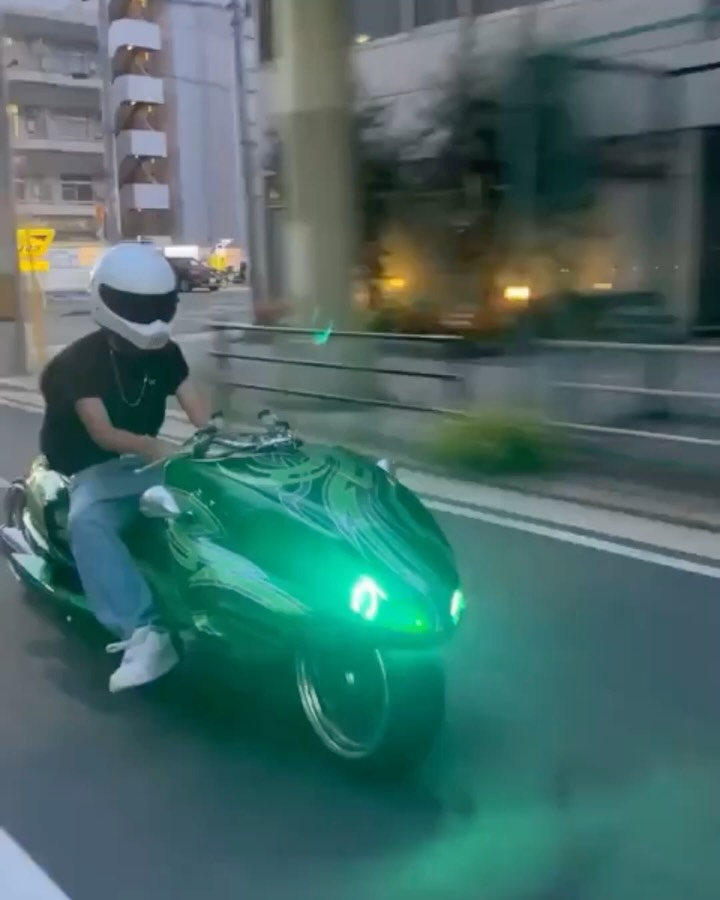
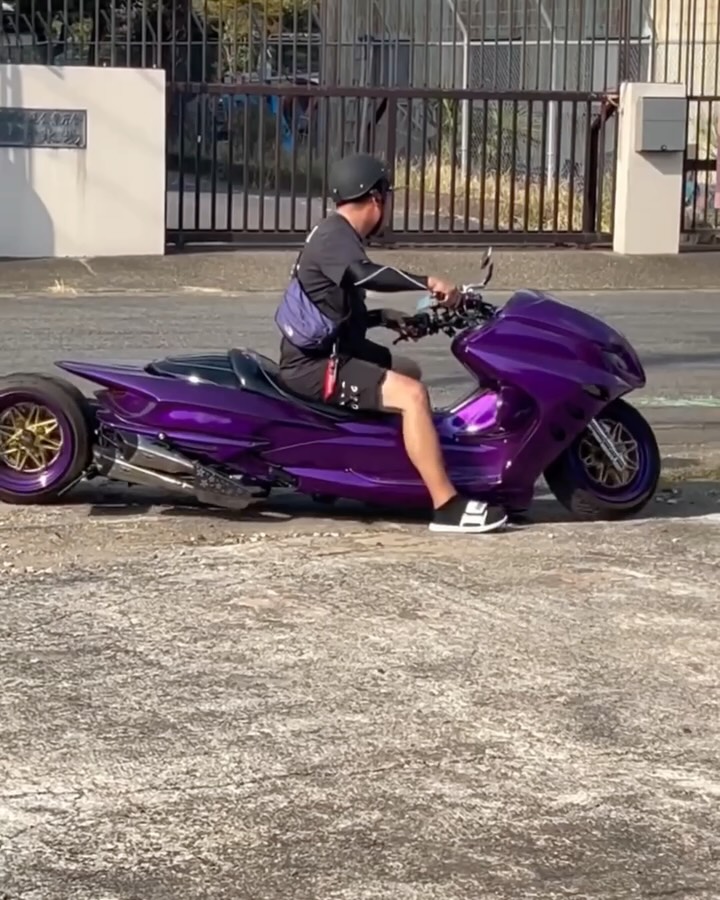
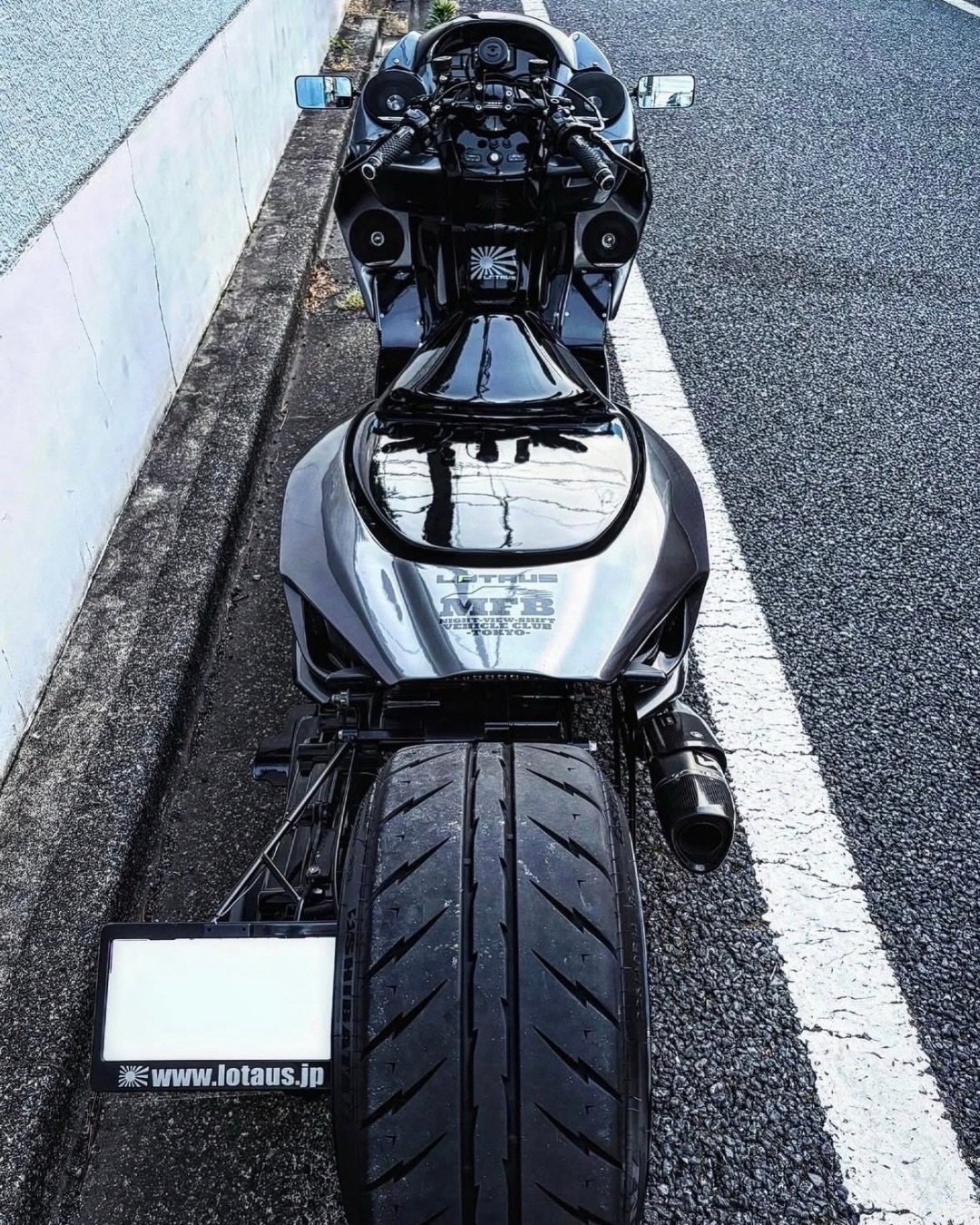
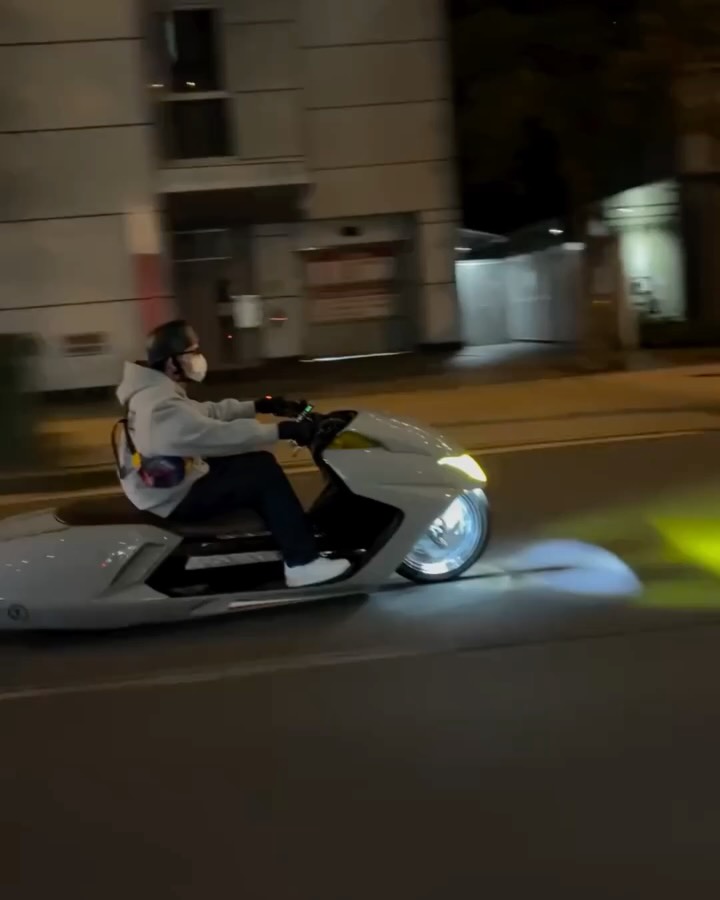
The builds borrowed heavily from custom car culture. Lowered or air suspension, stretched wheelbases, fiberglass bodywork, custom exhausts, elaborate paint and neon lighting went onto machines designed for comfortable commuting, and some builds took car style wheels and tires. Others added large audio systems, which turned the scooter into a rolling display of sound and style.
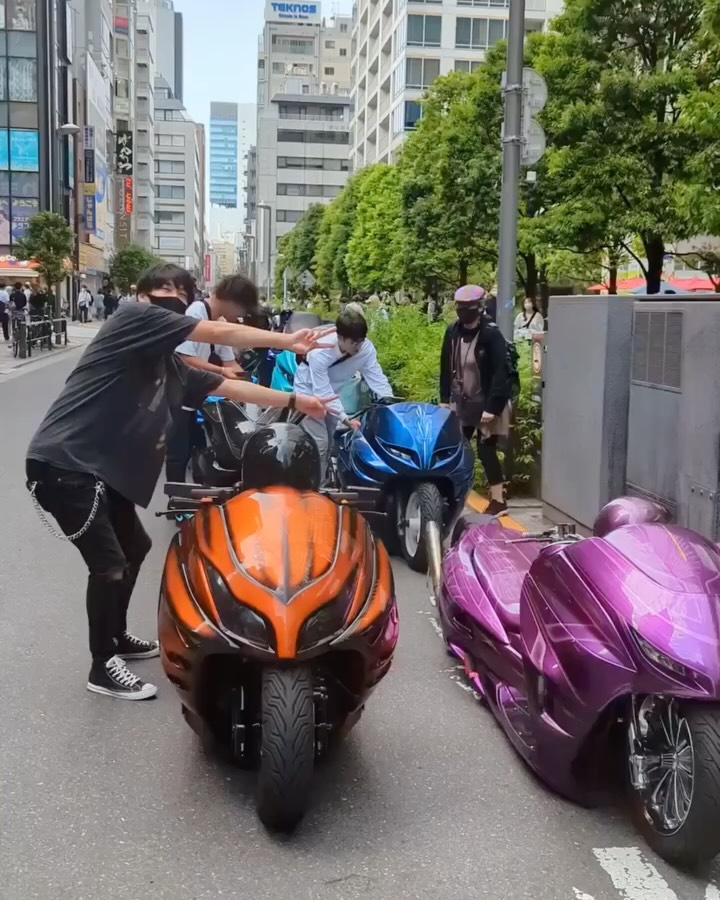
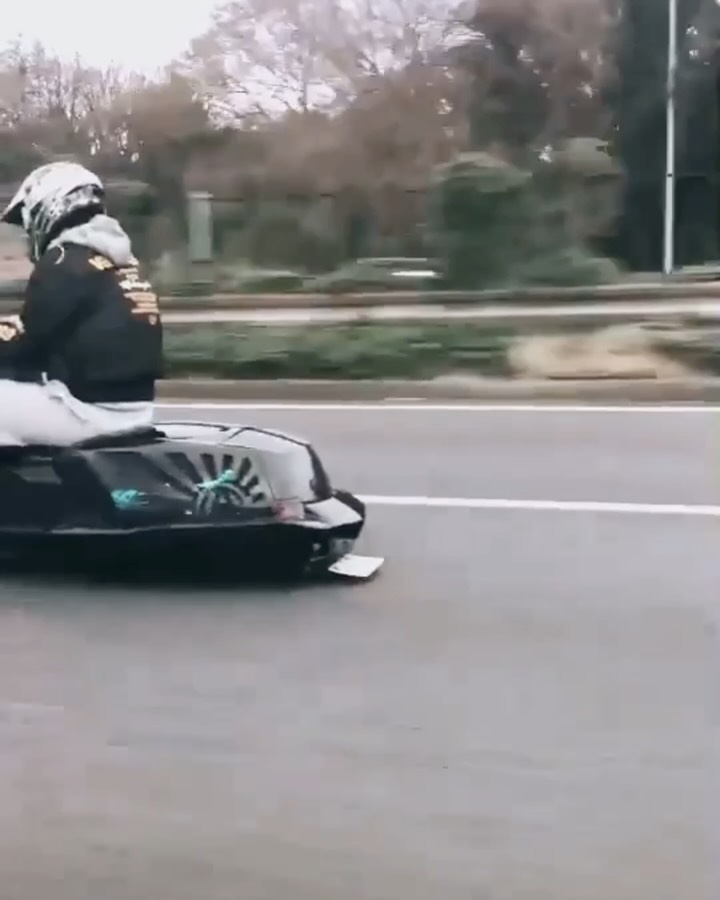
At the peak, radically modified scooters could be found cruising Shibuya and Harajuku, sometimes with speakers mounted outside the bodywork while the body sat inches from the pavement. That detail is what makes the lowrider comparison literal. Lowrider culture reached a Paris department store window this month, when Willy Chavarria's Galeries Lafayette garage went on view on October 5, 2026, and the Japanese scooter builders were working an idea very close to it, a vehicle lowered until the pavement is the limit, on a very different chassis.
Honda treated the Fusion's following as a market. When it announced the model change on February 21, 2003, with sales starting February 28, it added a Type X aimed at younger riders, with chrome handlebars, a short windscreen and a backrest. The standard Fusion listed at ¥499,000 before consumption tax and the Type X at ¥519,000, rising to ¥539,000 with the Color Order Plan, which let buyers pick from seven extra colors beyond the three standard Type X shades. Honda set an annual domestic sales target of 4,000 units. In September 2006 it marked twenty years of the nameplate with a limited order Fusion SE 20th Anniversary, taking orders from September 29.
PCX Owners Inherit the Fusion Playbook
The scene never completely disappeared, and the style is still built today. The big scooter craze is past its 2000s peak, but builders keep working in this vocabulary: air suspension, extended wheelbases, custom bodywork, audio systems and LED lighting.
Newer platforms such as the Honda PCX have inherited the approach. A stock PCX has two rear shocks and no air adjustable suspension, so an air ride PCX is a build and not something a dealer lists. Builders are applying the recipe that Fusion, Majesty and Skywave owners wrote in the late 1990s to a current commuter.
That line runs from a 1986 touring scooter to a 2026 street build. Honda planned to sell 4,000 Fusions a year when it brought the model back in 2003, and builders had been stretching the older ones for years before that.
Frequently Asked Questions
What was Japan's custom maxi scooter scene?
Beginning in the late 1990s and growing through the 2000s, builders turned maxi scooters such as the Honda Fusion, Yamaha Majesty and Suzuki Skywave into stretched, ultra low show machines with air suspension, fiberglass bodywork, neon lighting and big audio systems.
Why is the Honda Fusion popular with scooter customizers?
The Fusion has a 1,625 mm wheelbase, which Honda's history calls the largest of any scooter when it launched in 1986, and its long, low proportions suit stretched builds. Honda says its styling resonated with the street culture of the time.
When did Honda bring back the Fusion in Japan?
Honda announced the Fusion model change on February 21, 2003 and put it on sale on February 28, 2003, after Japanese sales ended in 1997.
Topics: shibuya, lowrider, japanese-custom-scooters, harajuku, maxi-scooter, yamaha-majesty, willy chavarria, car-culture, willy-chavarria, honda-fusion, honda-pcx, suzuki-skywave