Meta Ray-Ban Display Just Got Reels, Games, and Navigation
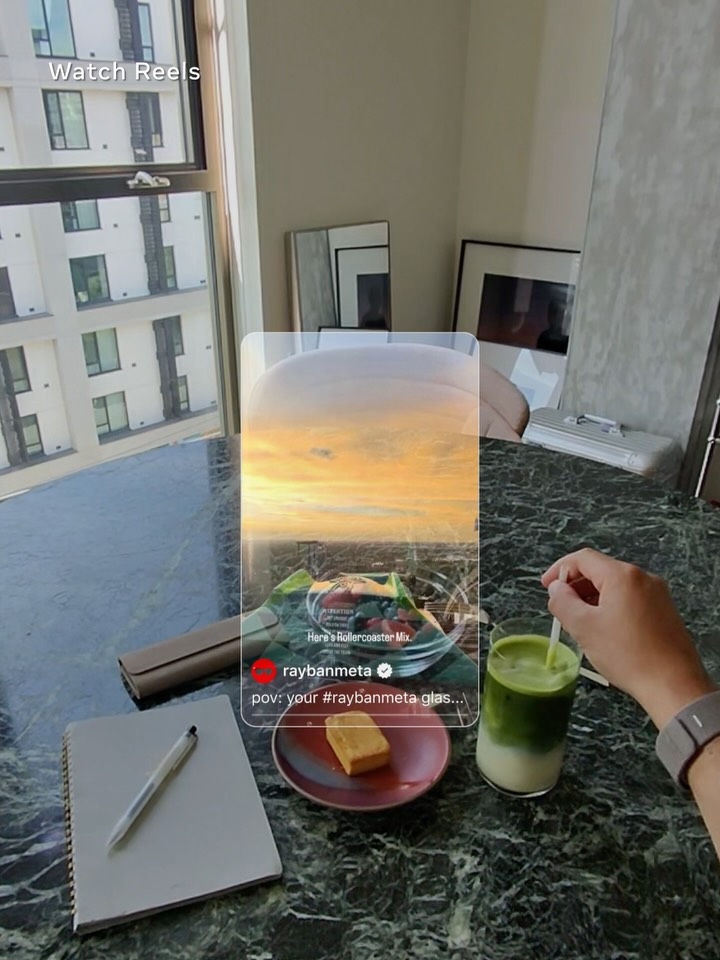
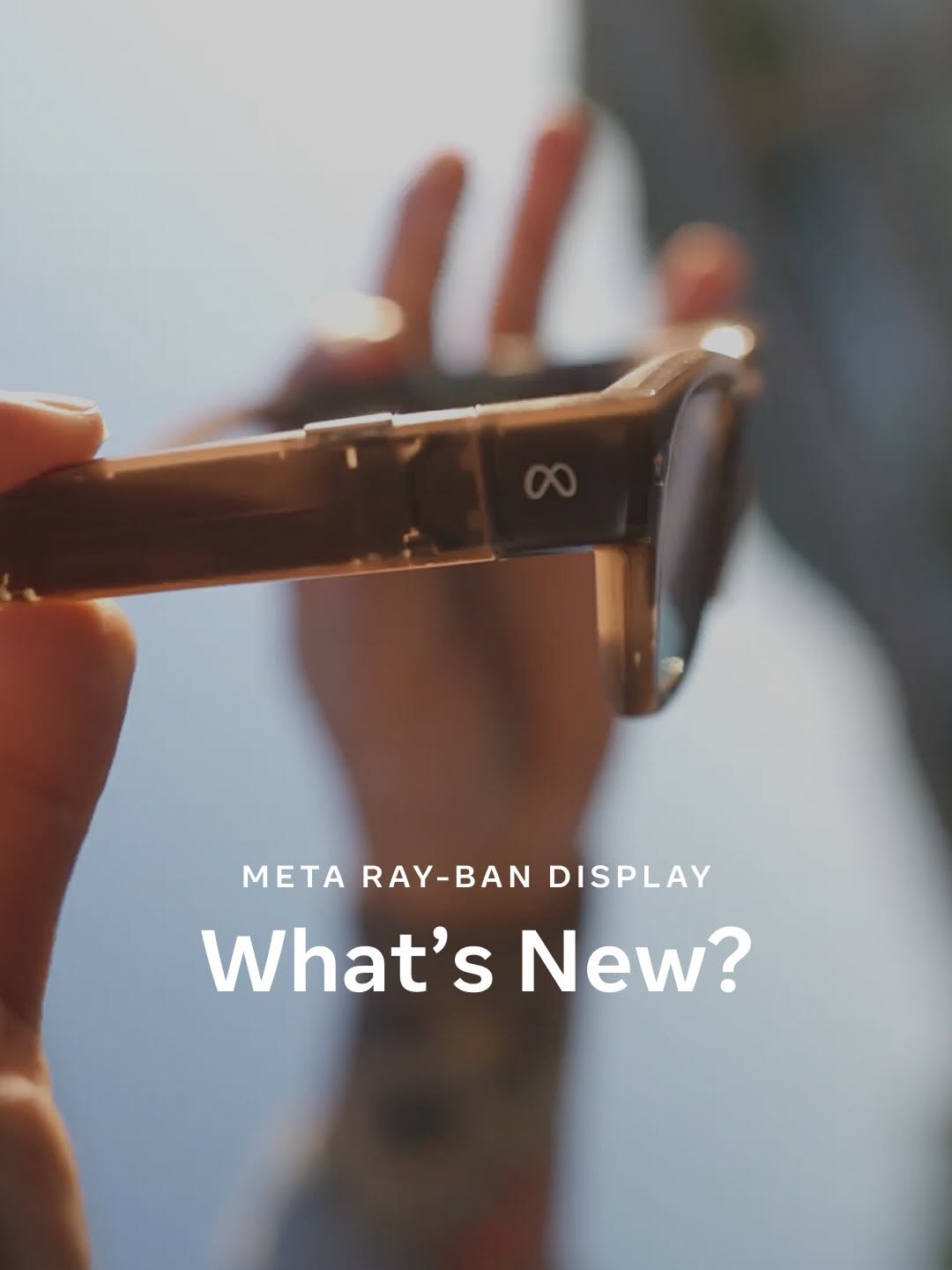
Meta updated its Ray-Ban Display smart glasses in 2026 to include Instagram Reels playback, turn-by-turn navigation, glanceable widgets, and two playable games. The $829 Display model, launched in 2025 with a full-color in-lens screen, now functions as a portable social media and navigation platform. Meta is simultaneously developing Generation 3 hardware with a new chipset, codenamed Appletree and Bellini.
Key Points
- Meta Ray-Ban Display now streams Instagram Reels, shows turn-by-turn navigation, and runs games directly on the in-lens screen
- The $829 Display model added 5 major features in one update cycle while Apple Vision Pro at $3,499 stagnated
- Gen 3 Ray-Ban hardware with Snapdragon AR1 Pro is in development, expected before end of 2026
The glasses shipped in 2025 with one lens containing a full-color display. Most publications covered the hardware. Nobody stayed long enough to watch what happens when the software keeps changing every 30 days.
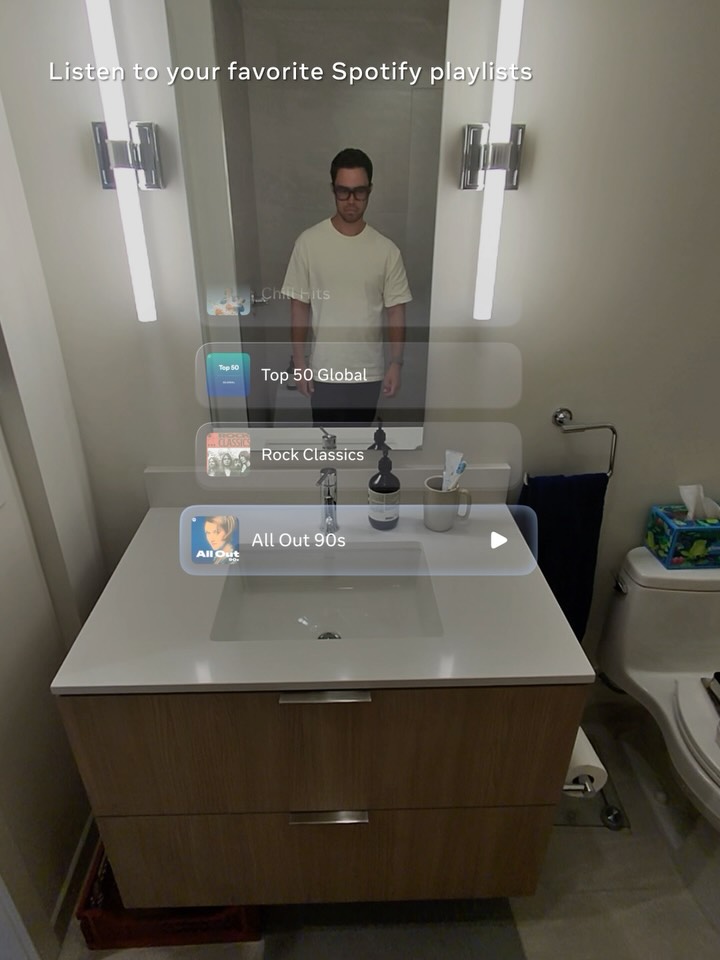
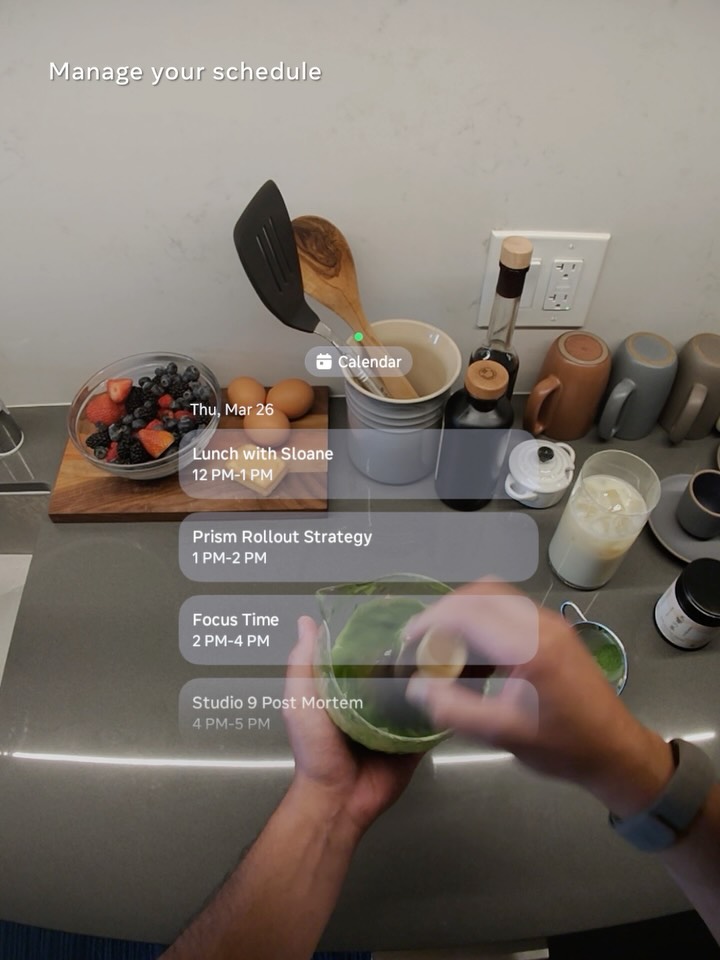
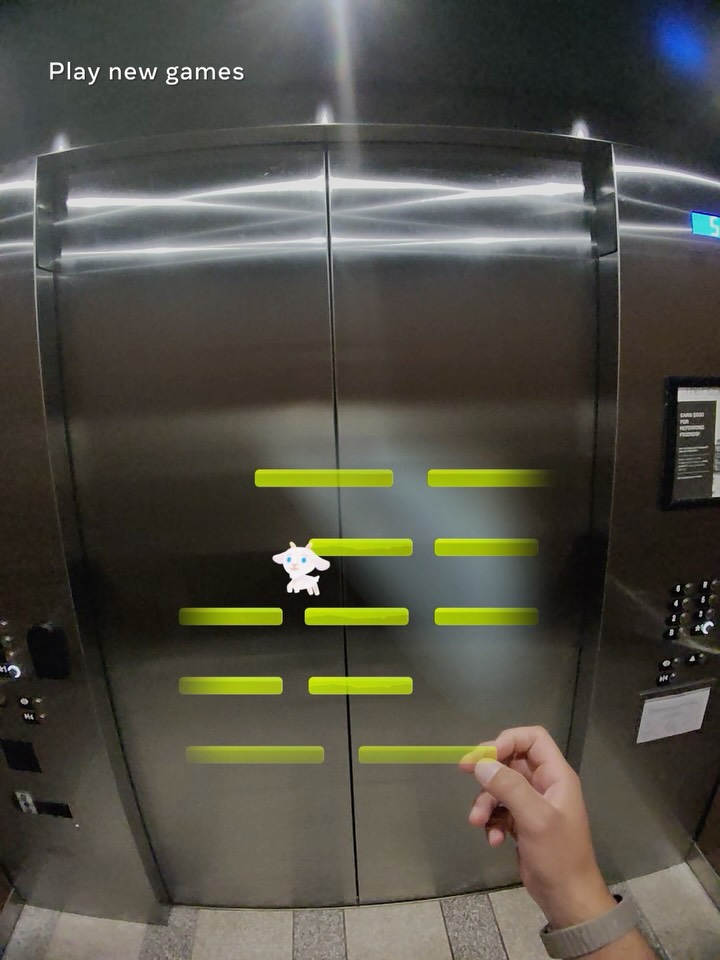
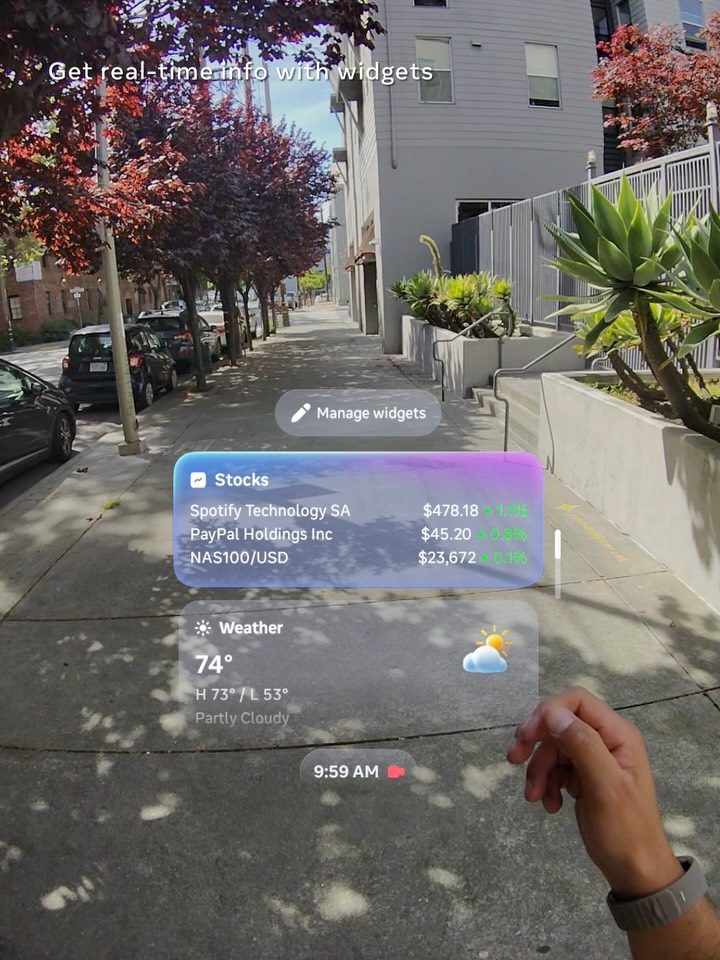
Meta just gave Ray-Ban Display users the ability to watch, like, save, and share Instagram Reels directly on the lens in their right eye. Add turn-by-turn walking navigation. Add glanceable widgets for weather and calendar. Add two playable games, 2048 and GOAT, controlled by gestures via the Neural Band. The glasses launched as a camera and AI assistant. Eight months later, they are a portable screen strapped to your face.
This is not a feature update. This is a platform pivot.
$829 and a Lens That Now Does Five Things
The Ray-Ban Display starts at $829. The standard screenless version starts at $299. You are paying $530 extra for that right-lens display, and Meta just tripled what the display does without raising the price.
For comparison: the Apple Vision Pro launched at $3,499 with a content library that took months to grow. Meta shipped a social media console inside Wayfarer frames for under a thousand dollars and quietly improved it while Apple Vision Pro collected dust in a drawer.
The new gaming layer is the tell. 2048 and GOAT are not productivity features. They are proof that Meta sees this display as an entertainment platform, not an information utility. Productivity sells the hardware. Games build the habit.
The Feature Nobody Is Talking About
Somewhere in the update notes, past the Reels announcement and the navigation feature, is a two-sentence item: users will soon be able to record simultaneous POV video of both what they are looking at and what is on their display.
That one is worth sitting with.
Every person who wears these glasses is already a first-person camera on the world. Now they can document not just where they looked but what information they were seeing when they looked there. The surveillance dimension of wearable AI just got a second layer.
Meta knows this. The company has built four of the most used social platforms in history, and it has never once let a behavioral data stream sit unused. The question is not whether Meta will analyze what Reels you watch on your glasses versus your phone. The answer is already yes. The question is what they build with that signal next.
Ray-Ban, Fashion, and the Normalization Problem
The most underrated strategic move in consumer tech this decade is that Meta chose Ray-Ban as its hardware partner and not some unnamed manufacturer.
Ray-Ban carries 80 years of frame trust. The Wayfarer silhouette debuted in 1952. It survived Risky Business in 1983, resurfaced again in the 1990s, and has never fully left. When you put on Ray-Ban Display glasses, you are not wearing a tech product. You are wearing sunglasses.
Nobody gets weird looks for wearing Ray-Bans at brunch. That is the entire thesis of the partnership. Social wearables only scale when they stop looking like wearables. Google Glass failed in 2013 because it looked like a prototype. These succeed because they look like something your dad would buy at an airport.
The fashion vector is not accidental. It is the distribution strategy.
Gen 3 Is Already in Development
In March 2026, leaks placed two new screenless models in development, codenamed Appletree and Bellini, with an upgraded Snapdragon AR1 Pro chipset and enhanced AI processing for what Meta is calling super sensing capabilities. These are expected before the end of 2026.
Read that against the current update cadence. Meta added Reels, navigation, games, and widgets to the Display model in one software cycle, while simultaneously working on the next-generation hardware. This is not a company doing wearables as a side project. This is a company that decided the phone is ending.
The $299 screenless model already has 30 million users by some estimates. The Display tier is next. By Gen 3, the question will not be whether to buy Meta glasses. It will be whether you can afford not to.
Related Reading
- ZUCKERBERG PAID A BILLION FOR INSTAGRAM AND BECAME THE LANDLORD OF CULTURE
- APPLE LAUNCHES HELLOAPPLE INSTAGRAM AS 50TH ANNIVERSARY CELEBRATION BEGINS
- How Apple Sold 2.3 Billion iPhones and What Comes Next
Frequently Asked Questions
What new features did Meta add to Ray-Ban Display glasses in 2026?
Meta added Instagram Reels viewing, turn-by-turn walking navigation, glanceable widgets for weather and calendar, and two games (2048 and GOAT) controlled via the Neural Band gesture accessory.
How much do Meta Ray-Ban Display glasses cost?
The Ray-Ban Display model starts at $829, compared to $299 for the standard screenless version. The $530 price difference buys the full-color in-lens display in the right lens.
What is Meta Gen 3 Ray-Ban?
Codenamed Appletree and Bellini, Meta's Generation 3 screenless smart glasses are in development with an upgraded Snapdragon AR1 Pro chipset and enhanced AI features, expected to be announced at Meta Connect 2026.
Topics: focus-60-59, ray-ban, instagram, wearable-tech, meta, apple-vision-pro, ar, google, smart-glasses, consumer-tech, apple