MESSI PASSES KLOSE AS THE WORLD CUP'S TOP SCORER
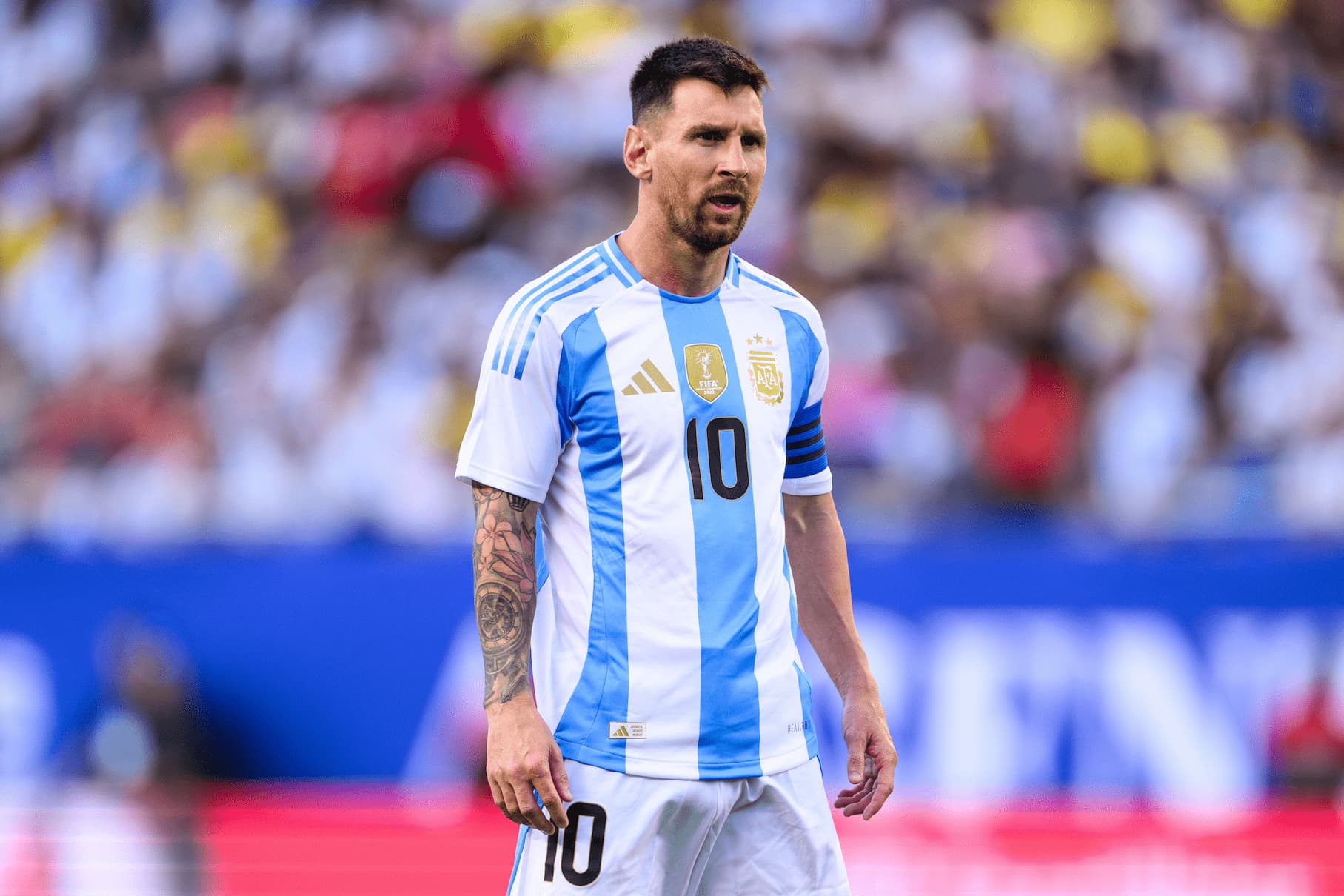
Lionel Messi became the FIFA men's World Cup all time leading goalscorer on June 22, 2026, scoring twice in Argentina's 2 nil win over Austria to reach 18 career goals and pass Miroslav Klose's 16. Messi, playing his record sixth World Cup, set the mark in 28 matches; Klose needed 24 for his 16. Messi's tournament tally reached five after an opening hat trick against Algeria.
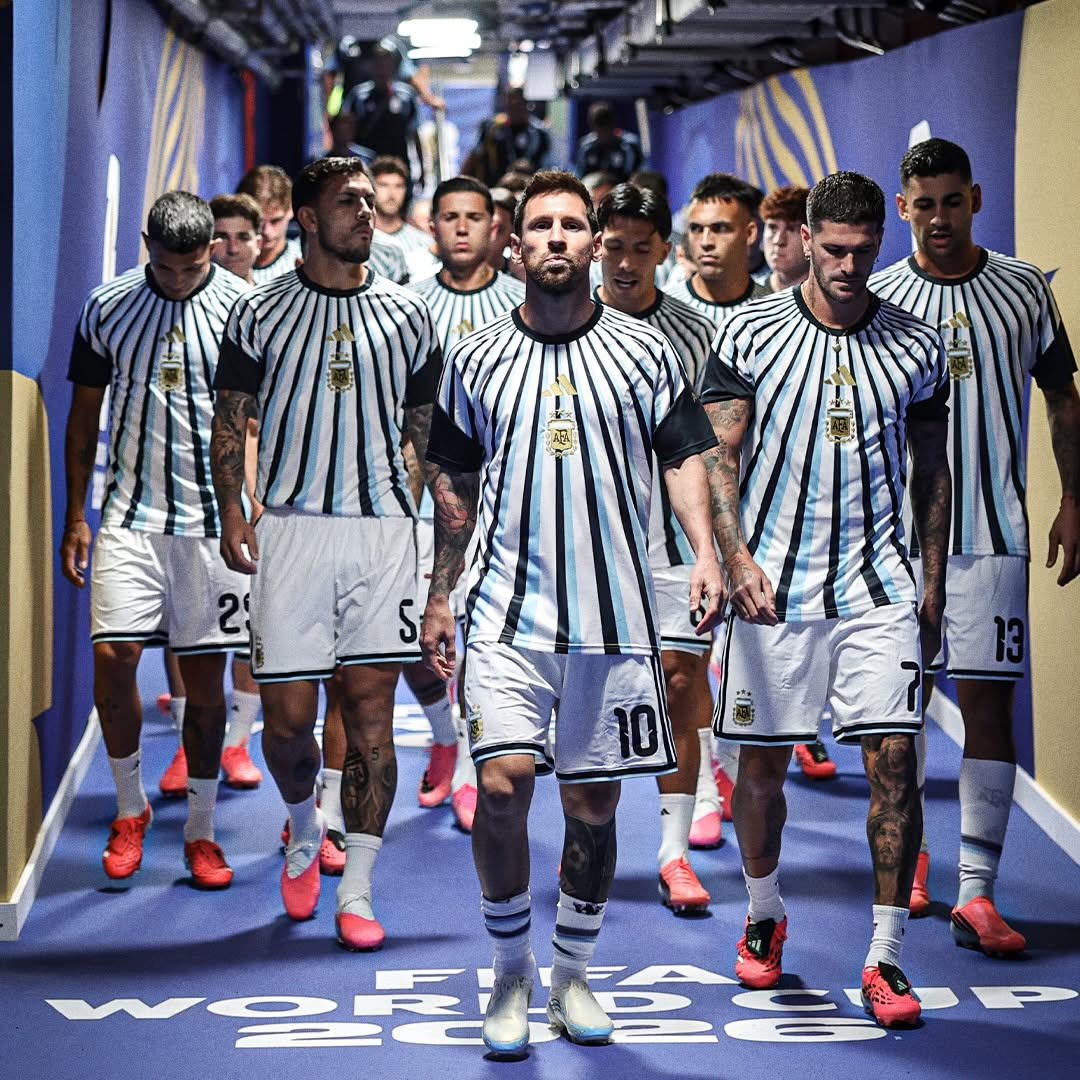
Key Points
- Messi reached 18 World Cup goals in 28 matches; Klose set the old record of 16 in 24, so per game Klose edged him.
- Messi is the first man to play in six World Cups: 2006, 2010, 2014, 2018, 2022, and 2026.
- He missed a penalty before scoring twice against Austria; his 2026 tally is five after a hat trick vs Algeria.
Lionel Messi is the all time leading scorer in World Cup history, and the goal that did it was almost stolen by his own missed penalty. On Monday in Dallas, Messi scored twice in Argentina's 2 nil win over Austria to reach 18 career World Cup goals, passing Miroslav Klose's 16 and standing alone atop a list that has existed since 1930.
The record is real and it is historic. But it is a longevity record, not an efficiency one, and that distinction tells you more about why Messi is Messi than the round number does.
38th Minute. The Cutback. Goal Number 17.
Messi broke the record in the 38th minute against Austria, finishing a cutback from inside the box for his 17th career World Cup goal and his first of the night. It put Argentina ahead, moved him one clear of Klose, and made him the outright men's record holder for the first time. He added an 18th late to seal the 2 nil result and send the defending champions through to the Round of 32.
The setup had been building since the opener. His hat trick against Algeria last week carried him from 13 goals to 16 and pulled him level with Klose, turning the Austria match into a record watch before kickoff. Every Argentine in the building knew the math. So did Messi.
He Missed the Penalty First.
Before any of it, Messi missed a penalty. Early in the match he stepped up with the record in reach and put it wide, the kind of moment that would have defined the night if the night had ended differently. The stadium went quiet in the way only a crowd expecting history can.
That miss is why the two goals landed the way they did. This is the part the box score erases by morning. A clean record on a penalty is a highlight. A missed penalty followed by two goals to claim the record anyway is a nervous system on display, a 38 year old man absorbing the weight of an entire country and then doing it regardless. The scoreboard says two goals. The film says something harder.
18 Goals, 28 Matches, Six World Cups.
Messi now has 18 World Cup goals across 28 appearances, spread over a record six tournaments. His scoring line by edition tells the real story: one goal in 2006, none in 2010, four in 2014, one in 2018, seven in 2022, and five so far in 2026. The bulk of it came late. He had six World Cup goals total before his tournament in Qatar at age 35, then poured in seven there and five more here.
That shape is unusual. Most great scorers front load their international peak in their twenties. Messi's World Cup scoring is loaded into his late thirties, which is partly why the record took six tournaments and 28 games to build. He is also the first man ever to appear in six World Cups, full stop, a durability record that sits underneath the goals record and makes it possible.
Miroslav Klose Was More Efficient. Read That Again.
Here is the counter nobody on the broadcast will say out loud: per game, Klose was the better World Cup scorer. Klose scored his 16 goals in 24 matches across four tournaments from 2002 to 2014, a rate of 0.67 goals per game. Messi's 18 came in 28 matches, a rate of 0.64. On pure finishing at a World Cup, the German edges the Argentine.
That is not a knock. It is the honest frame. Klose was a penalty box specialist who existed to score at tournaments and did it at a brutal clip. Messi is a playmaker who also created, assisted, carried Argentina through knockout rounds, and took the penalties, the free kicks, and the pressure. The counting record is Messi's. The per game record was always Klose's. Both things are true, and pretending otherwise insults the math.
Klose Played Four Tournaments. Messi Played Six.
The reason the record belongs to Messi is availability, the most underrated skill in sports. To score 18 World Cup goals you first have to be good enough to make six World Cups and healthy enough to play in all of them, a span of twenty years from a 2006 debut as a teenager to a 2026 tournament at 38. Klose's window was four tournaments. Messi simply kept showing up.
This is the same lever that rewrote the basketball record book, the one that let LeBron James pass Kareem not by being more dominant per night but by lasting long enough to make it inevitable. Longevity is not a consolation prize. It is the rarest thing in the sport, and it is the entire reason Messi owns this number. His move to Inter Miami in 2023 kept his legs fresh for exactly this, and adidas built a farewell campaign, El Ultimo Tango, around the idea that this is the last act. ESPN summed up his World Cup in a single word, and the goals just gave the word a number.
Mbappe Is Next. He Will Need a Decade.
The only man with a realistic path to this record is Kylian Mbappe, and he is going to need about ten more years to get there. We have already tracked Mbappe climbing past Messi and Pele on the single tournament lists, and he is scoring at a faster early career clip than either. But the record Messi just set is not about clip. It is about showing up six times. Mbappe, at 27, is two tournaments and roughly a dozen goals away with everything still left to prove. Bet on him eventually. Bet on no one catching Messi before 2034.
Frequently Asked Questions
How many world cup goals does messi have?
Messi has 18 career FIFA World Cup goals after his brace against Austria on June 22, 2026, the most in the men's tournament's history.
Did messi break the world cup goal record?
Yes. Messi passed Miroslav Klose's record of 16 World Cup goals, reaching 17 and then 18 in Argentina's 2 nil win over Austria, making him the outright men's all time leading scorer.
Who held the world cup goal record before messi?
Germany's Miroslav Klose held it with 16 goals, scored across four World Cups from 2002 to 2014. He set the mark in 2014.
How many world cups has messi played in?
Six. Messi is the first man to appear in six World Cups: 2006, 2010, 2014, 2018, 2022, and 2026.
How many goals did messi score against austria?
Two. He scored in the 38th minute to break the record and added a second late to seal a 2 nil win, after missing a penalty earlier in the match.
What are messi's world cup goals by tournament?
One in 2006, none in 2010, four in 2014, one in 2018, seven in 2022, and five so far in 2026, for 18 total.
Is messi more efficient than klose at the world cup?
No. Klose scored 16 in 24 matches, a rate of 0.67 goals per game, while Messi has 18 in 28, a rate of 0.64. Messi's record is built on longevity across six tournaments.
Who can break messi's world cup record?
Kylian Mbappe is the most likely challenger, but at 27 he is roughly a dozen goals and at least two more tournaments away from catching Messi's 18.
Topics: lebron james, argentina, austria, kylian mbappé, world-cup-2026, espn, world-cup, focus-55-22, lionel-messi, kylian-mbapp, goal-record, world cup, lionel messi, lebron-james, miroslav-klose, six-world-cups, kylian-mbappe, fifa-world-cup, all-time-top-scorer