MARIUS TROY'S FESTIVAL HAS 10 RENDERS AND ZERO TICKETS
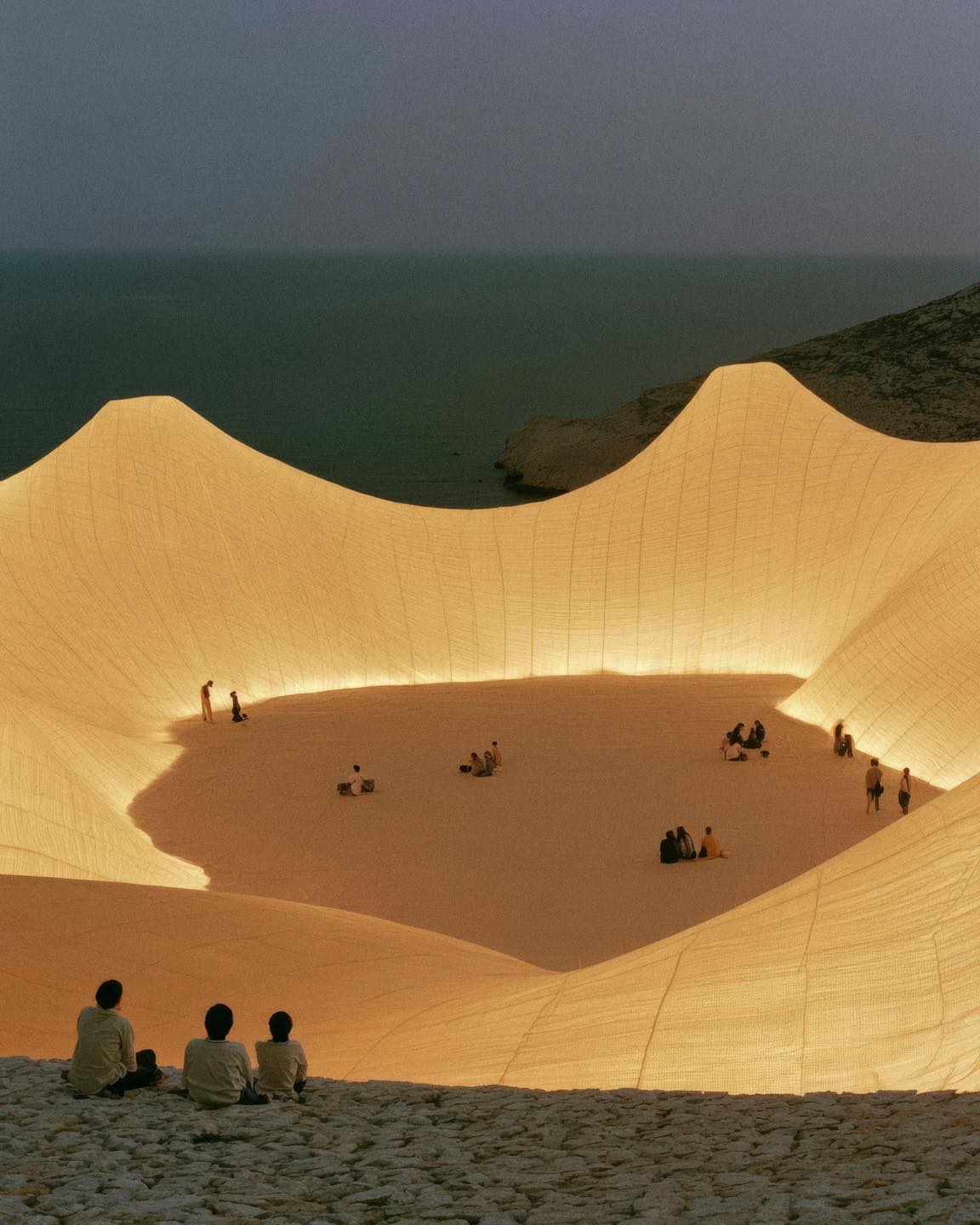
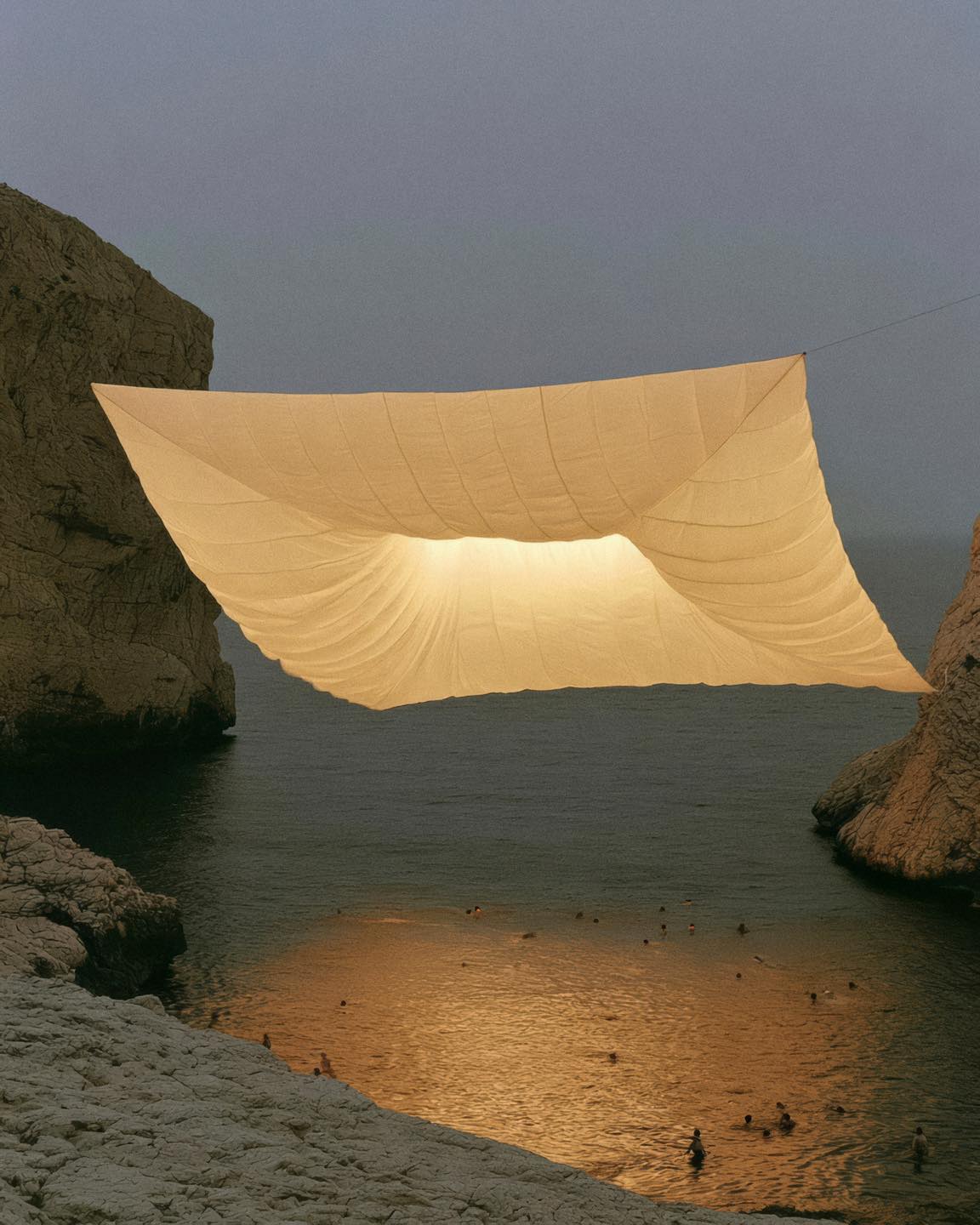
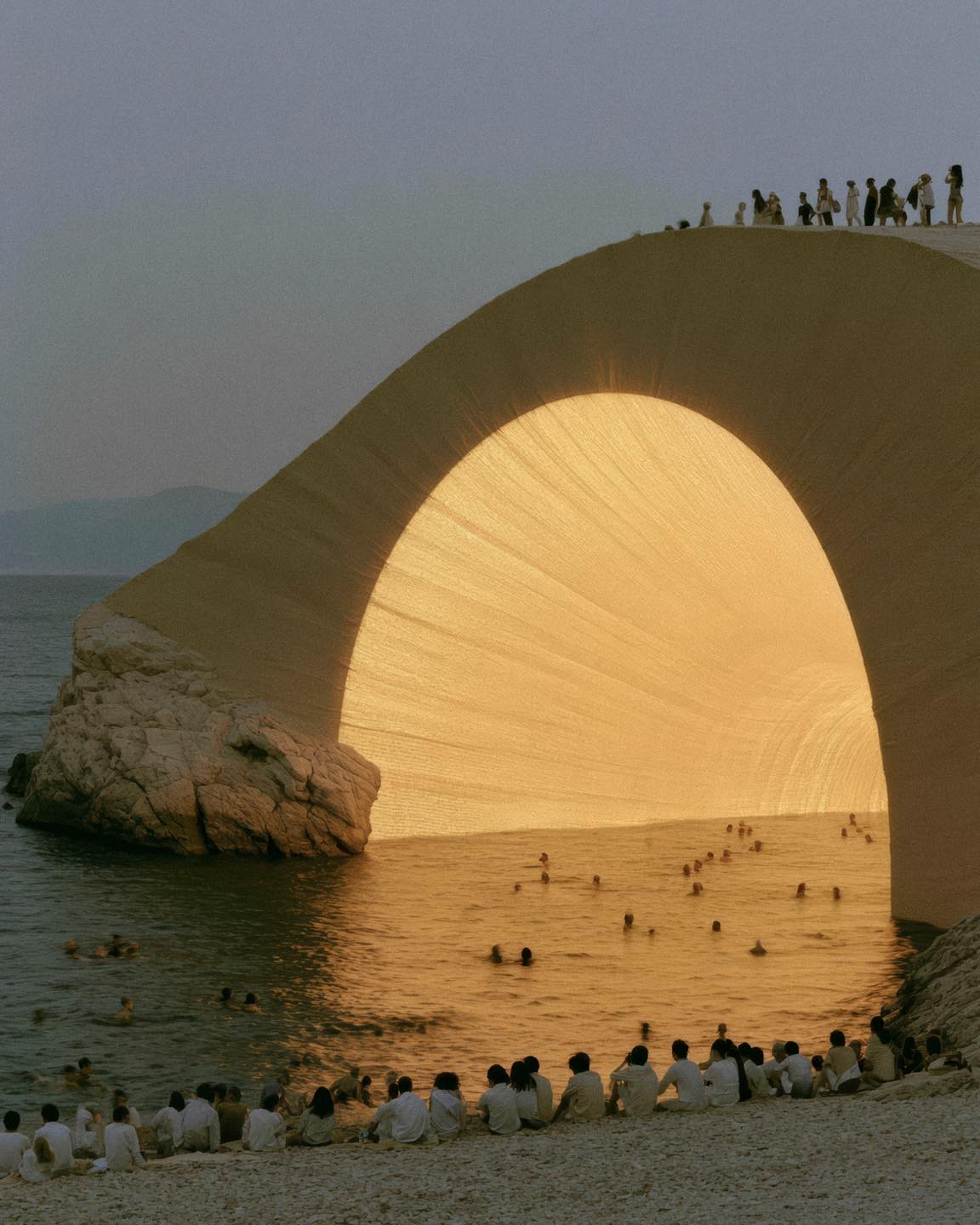
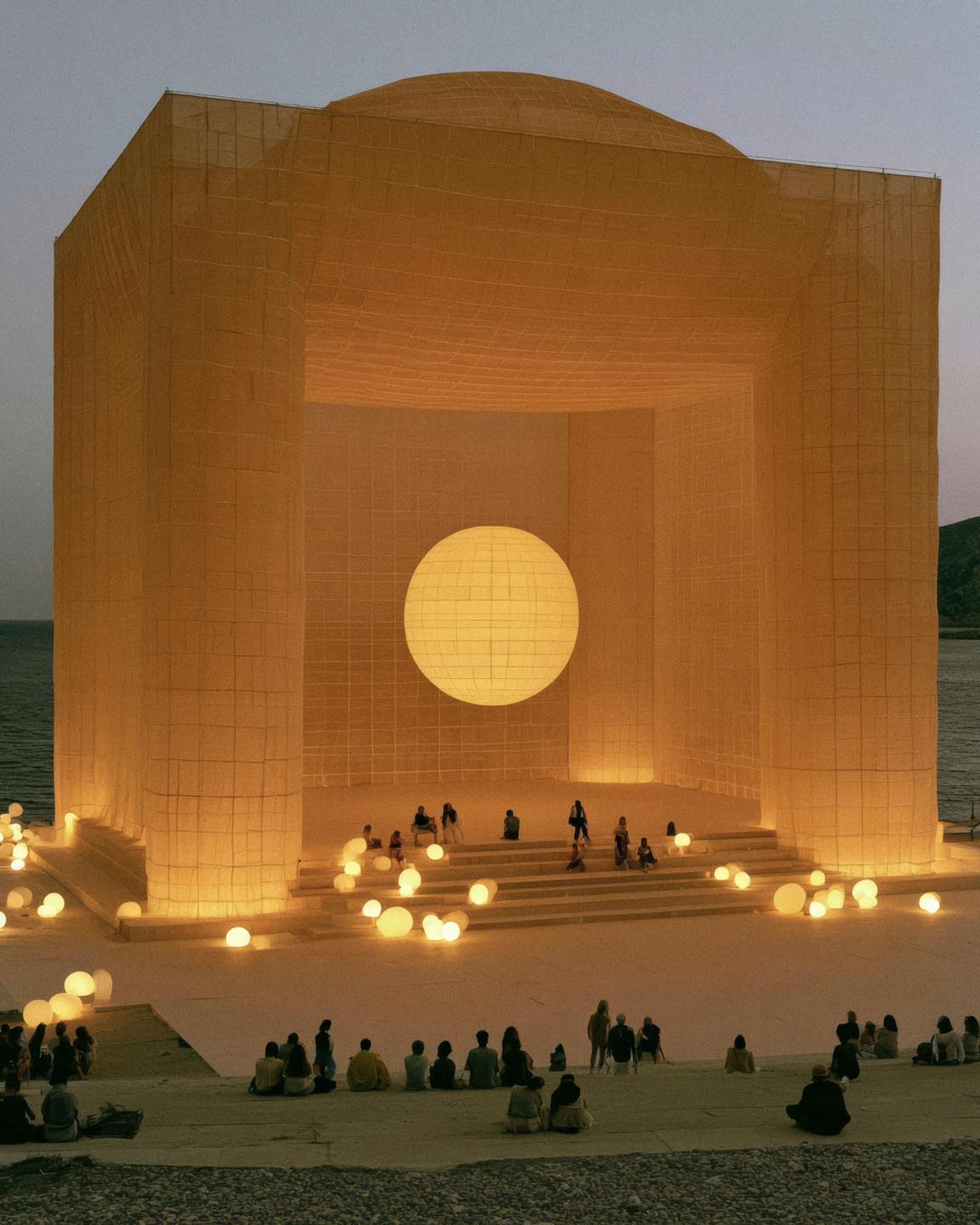
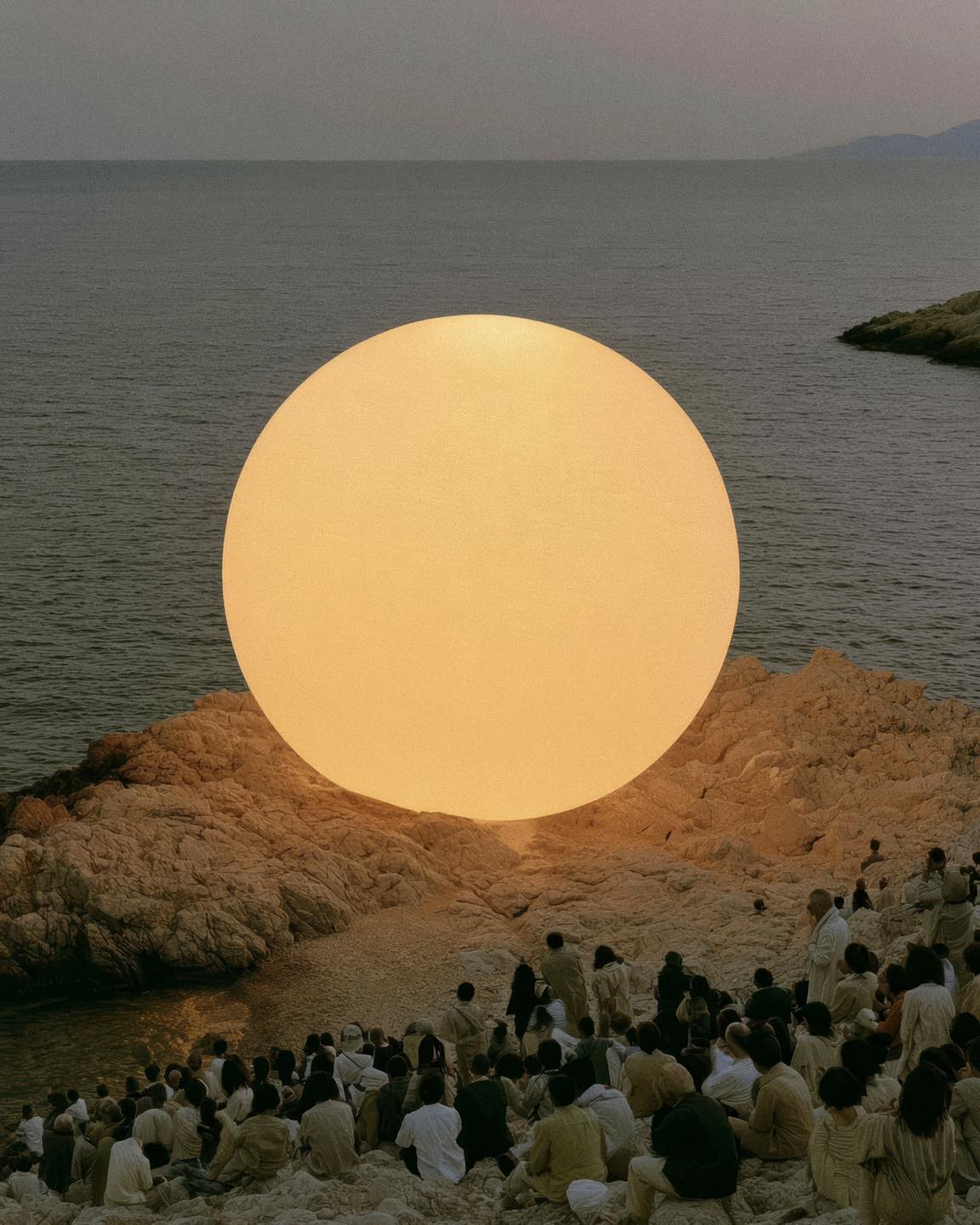
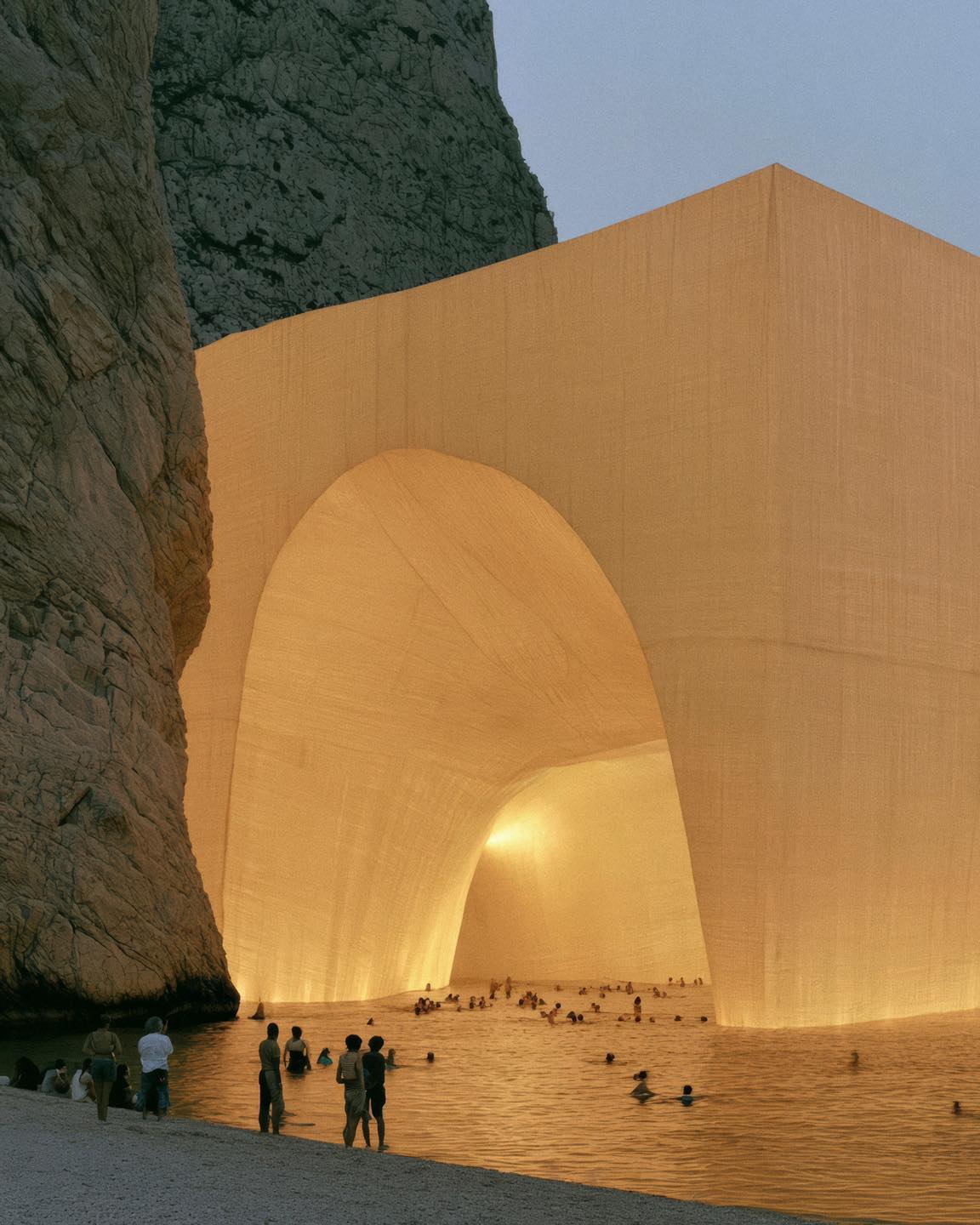
Le Festival du Soleil is a speculative art installation imagined by Norwegian artist Marius Troy, showing a glowing canopy extending from a beach into the Mediterranean Sea. It was generated using Midjourney and has never been physically built, part of a series of imagined works that also includes Polychrome, Soft, and Elementi.
Key Points
- Le Festival du Soleil is an AI generated concept by Norwegian artist Marius Troy, not a built site.
- The ten image carousel drew over 15,900 reactions despite the festival having no physical location.
- Troy's past imagined works include Polychrome, Soft, and Elementi, none commissioned as real installations.
A sneaker render can sell out a shoe that was never made. An architecture render just did the same thing to a beach that does not exist.
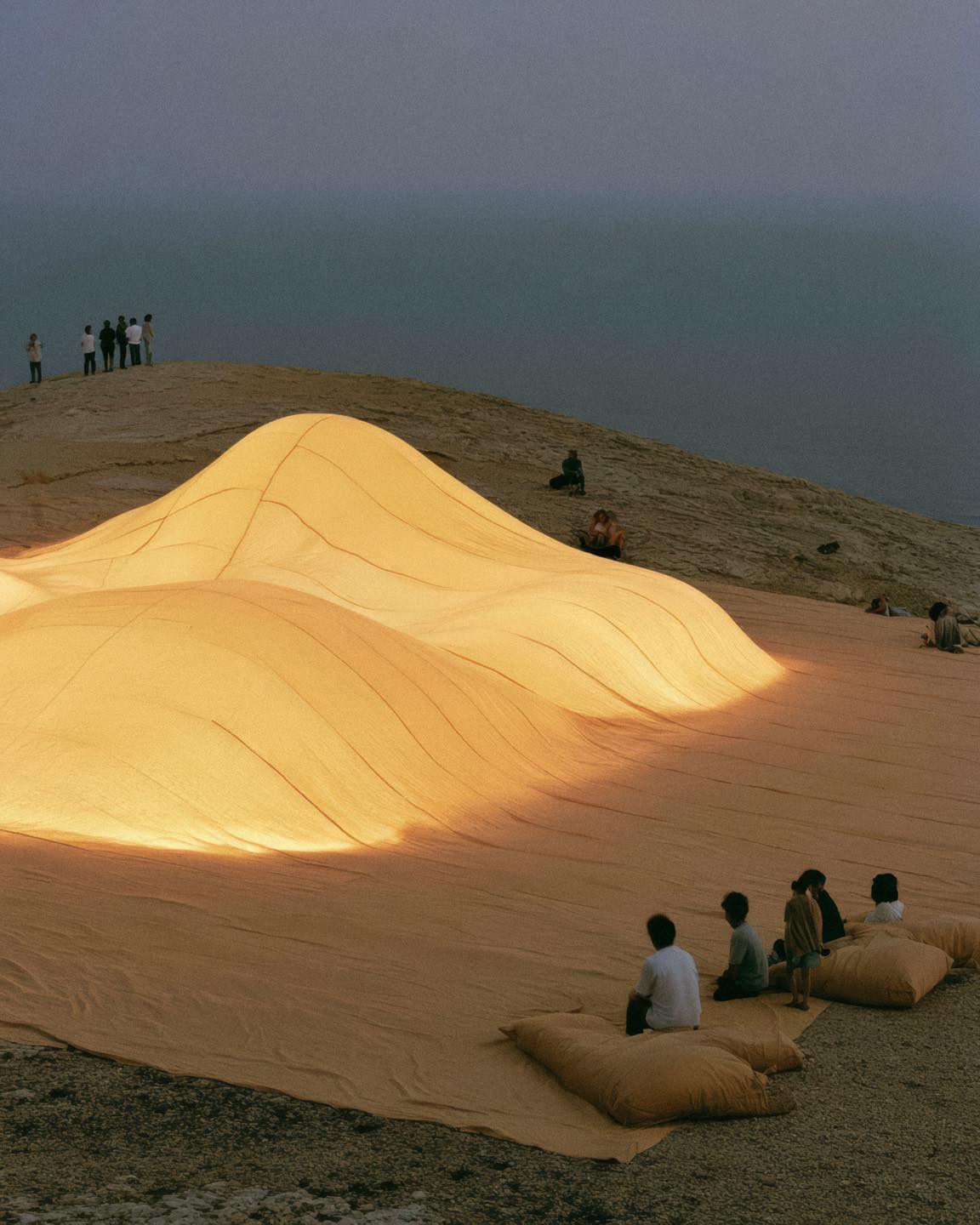
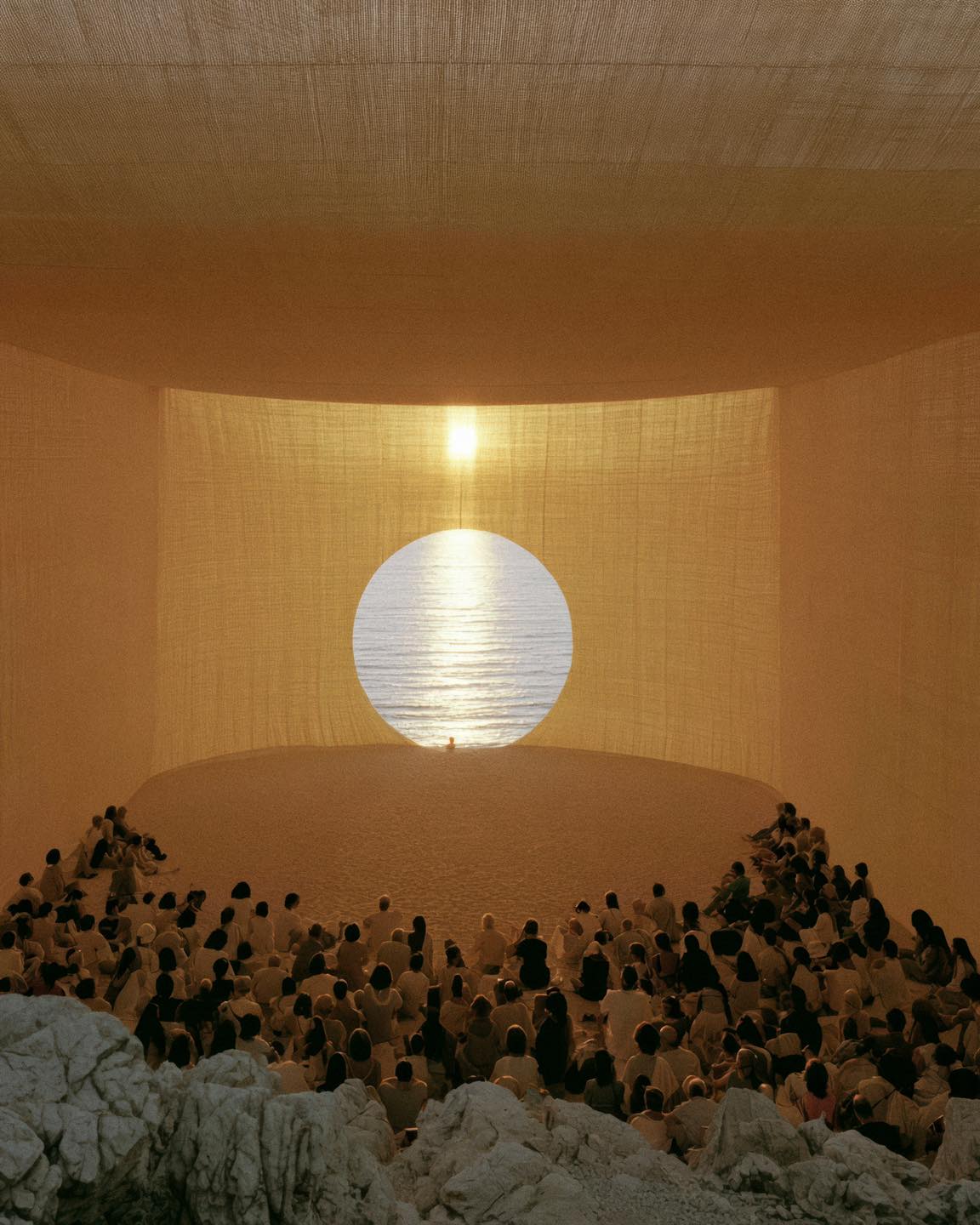
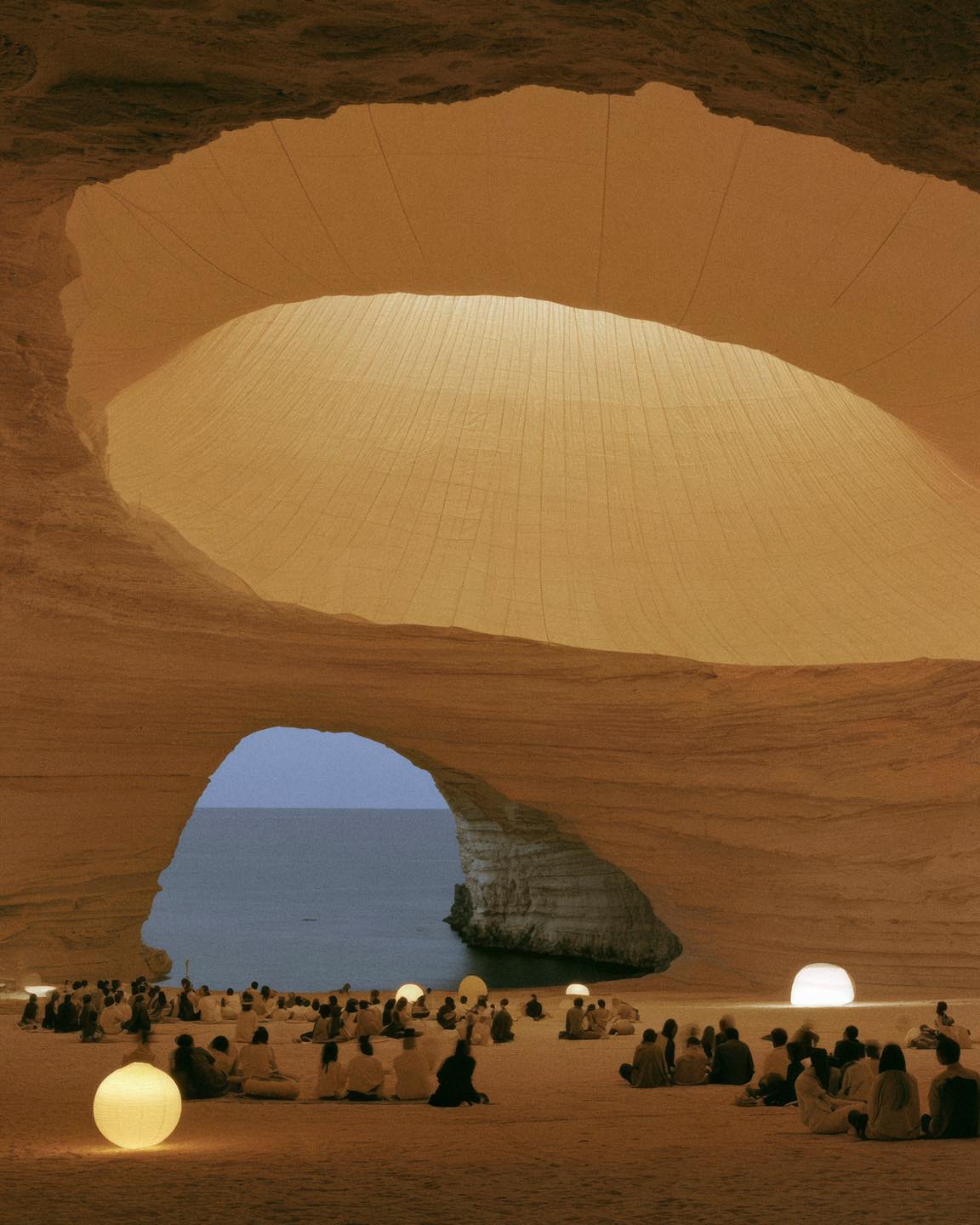
The Norwegian artist Marius Troy calls it Le Festival du Soleil. A glowing amber canopy stretches from the sand straight into the Mediterranean, lit from below so the water doubles the color back at the sky. People gather under it to swim, talk, and watch the sun go down together. It looks like a destination worth booking a flight for. It is a picture, made in software, of a place that has never been built and may never be.
That gap between what the image promises and what actually exists is the entire story here, and it says more about 2026 travel culture than an actual airline campaign would.
The Canopy That Extends From a Beach Into the Sea
Le Festival du Soleil imagines a public art festival where the main structure is a canopy of light that runs off the shore and keeps going over open water. The brief, as posted through the account nclgallery and credited to Troy, describes a shared space built for gathering, swimming, and watching sunset as a group activity rather than a solo one. The color scheme reads warm, sun toned, and continuous, the kind of gradient that makes a single still image do the work of an entire tourism reel.
Marius Troy Builds This in Midjourney, Not Concrete
Troy has spent more than two decades working where art meets technology, and his recent output runs through Midjourney rather than a fabrication shop. Designboom has documented a run of these imagined installations under names like Polychrome, a canopy of fabric bands running from violet to near white suspended inside a museum hall, Soft, a luminous fabric hemisphere hung over a reflecting pool inside a Beaux Arts building, and Elementi, the same kind of structure staged underground over a floor of sand with amber light filtering through. None of them are proposals submitted to an actual public art program. Troy has said the point is closer to demonstrating a mood that already exists in the culture, just rendered in fabric, light, and water before anyone commissions the real version. Zhang Enli's approach to hiding the subject inside a finished canvas works from the opposite direction, an actual six figure painting that withholds information the viewer wants. Troy's render gives you everything up front and asks you to want a place that is not there yet.
The carousel behind Le Festival du Soleil runs ten images deep, each one a different angle on the same canopy: the entry point from the boardwalk, the underside glow at midday, the reflection once the tide comes in. Ten frames is enough to simulate an entire site visit without a single visitor ever standing there.
A Sneaker Render Would Get the Same Reaction
This is where the pattern crosses into fashion. Unreleased Nike and Jordan colorways leak as renders months before a single pair ships, and the hype cycle runs in full regardless of whether the shoe ever reaches a store. Le Festival du Soleil works on the same principle applied to hospitality. The demand gets manufactured first. The physical thing, if it comes at all, arrives later and has to live up to a picture that already did the emotional work.
Real Canopies Cost More Than a Midjourney Prompt
Compare this to what a similar structure costs when someone actually builds it. Large scale temporary architecture at festivals like Burning Man routinely runs into seven figures once you account for engineering, permits, and teardown. Flora y Fauna House in San Pancho shows what a real structure built around open air gathering actually costs and requires, walls that intentionally are not there, passive design worked out by an actual architecture studio. Troy's canopy costs a prompt and a render pass. The gap in price is also the gap in risk. Nobody can be disappointed by a beach that was always marked as imagined.
Early: The Render as Its Own Category
Call this early rather than a fad. Architecture renders that never intend to get built are becoming a genre with its own audience, separate from the buildings they resemble. Le Festival du Soleil will not host a single sunset gathering, and that is not a failure of the piece, it is the piece. The next version of this trend is a real destination paying an artist like Troy to imagine the version of itself that gets people to actually buy the ticket, the same way a sneaker brand pays for a render before the factory tooling is even finished. Fifteen thousand and change reacted to a canopy that only exists as pixels. A real tourism board would call that number a campaign win and still have to build the thing afterward.
Frequently Asked Questions
What is Le Festival du Soleil?
It is a speculative art installation imagined by Norwegian artist Marius Troy, showing a glowing amber canopy that extends from a beach into the Mediterranean Sea.
Is Le Festival du Soleil a real place?
No, it does not exist as a physical structure. It is a series of ten Midjourney generated renders shared through the account nclgallery.
Who created Le Festival du Soleil?
Norwegian artist Marius Troy created the concept and was credited in the original post caption.
How does Marius Troy make his imagined installations?
He uses Midjourney, an AI image generation tool, to render speculative public art and architecture rather than building physical structures.
What other imagined installations has Marius Troy made?
His other documented works include Polychrome, a fabric canopy in gradient colors, Soft, a luminous hemisphere over a reflecting pool, and Elementi, an underground version lit in amber.
Can people visit Le Festival du Soleil?
No, there is no location to visit since the festival was never built and exists only as rendered images.
Why do imagined architecture renders like this go viral?
They generate the emotional pull of a real destination, similar to how unreleased sneaker renders create demand before a product physically exists.
Is Le Festival du Soleil connected to the account nclgallery?
Yes, the images were shared through nclgallery and credited to Marius Troy in the caption.
Topics: gagosian, marius-troy, focus-57-77, art-installation, midjourney, nclgallery, generative-art, speculative-architecture, public-art, ai-art, nike