Ken Sena Spent 15 Years Rebuilding Marcel Breuer Houses
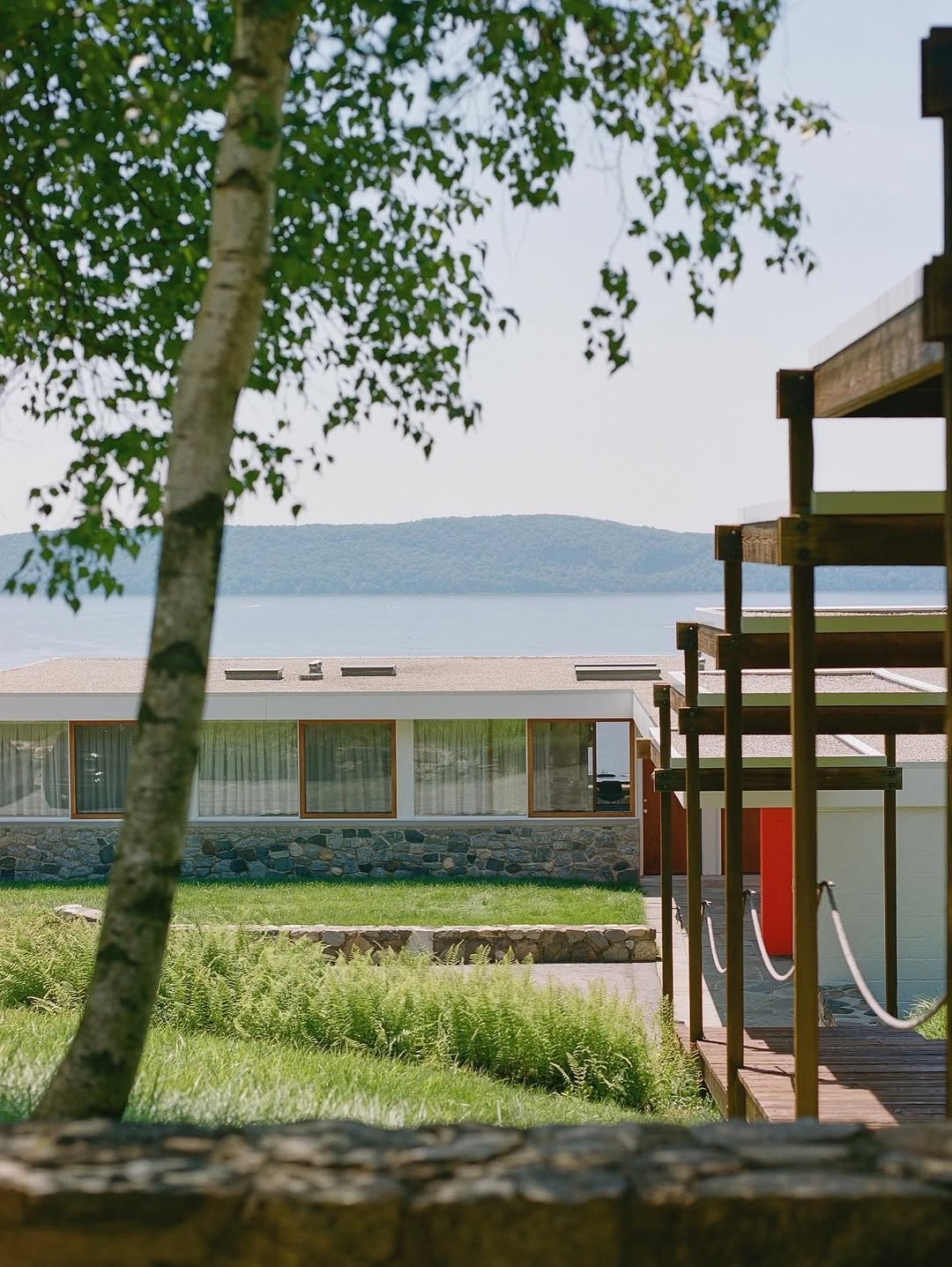
Ken Sena, a noted Breuer aficionado, has spent fifteen years restoring Marcel Breuer houses for modern living. His third completed Breuer, a 1953 house on the Hudson River, integrates smart home technology including music, lighting, and security systems controlled from a smartphone, while leaving Breuer's original layout, materials, and relationship to the landscape entirely untouched. Sena's approach rejects pure conservation in favor of functional occupation as close to Breuer's original intent as possible.
Key Points
- Sena has completed three Breuer houses over 15 years without being a professional developer, an accumulation of expertise that produces materially different results
- The 1953 Hudson house integrates modern smart home technology — music, lights, security — while leaving Breuer's spatial layout and material character completely intact
- Marcel Breuer designed the Wassily Chair (1925) and Cesca Chair (1928); his residential work applied Bauhaus principles to American landscape architecture from the 1940s onward
The house sits on the Hudson, 1953. Marcel Breuer built it. There are elements that have begun to show their age in the decades since completion, not because Breuer's design decisions were wrong, but because the material constraints of 1953 are not the material constraints of 2026. Ken Sena has been solving this problem for fifteen years.
Sena is a Breuer aficionado who has spent a decade and a half deconstructing, analyzing, and rebuilding Breuer houses for modern living. He is not a career developer. This is his third completed Breuer. That combination, non-professional with deep technical knowledge of a single architect, is unusual. It produces results that professional developers almost never achieve because the financial calculus of a professional development project does not allow for the level of obsessive precision that three projects over fifteen years accumulates.
What Breuer Was Doing in 1953
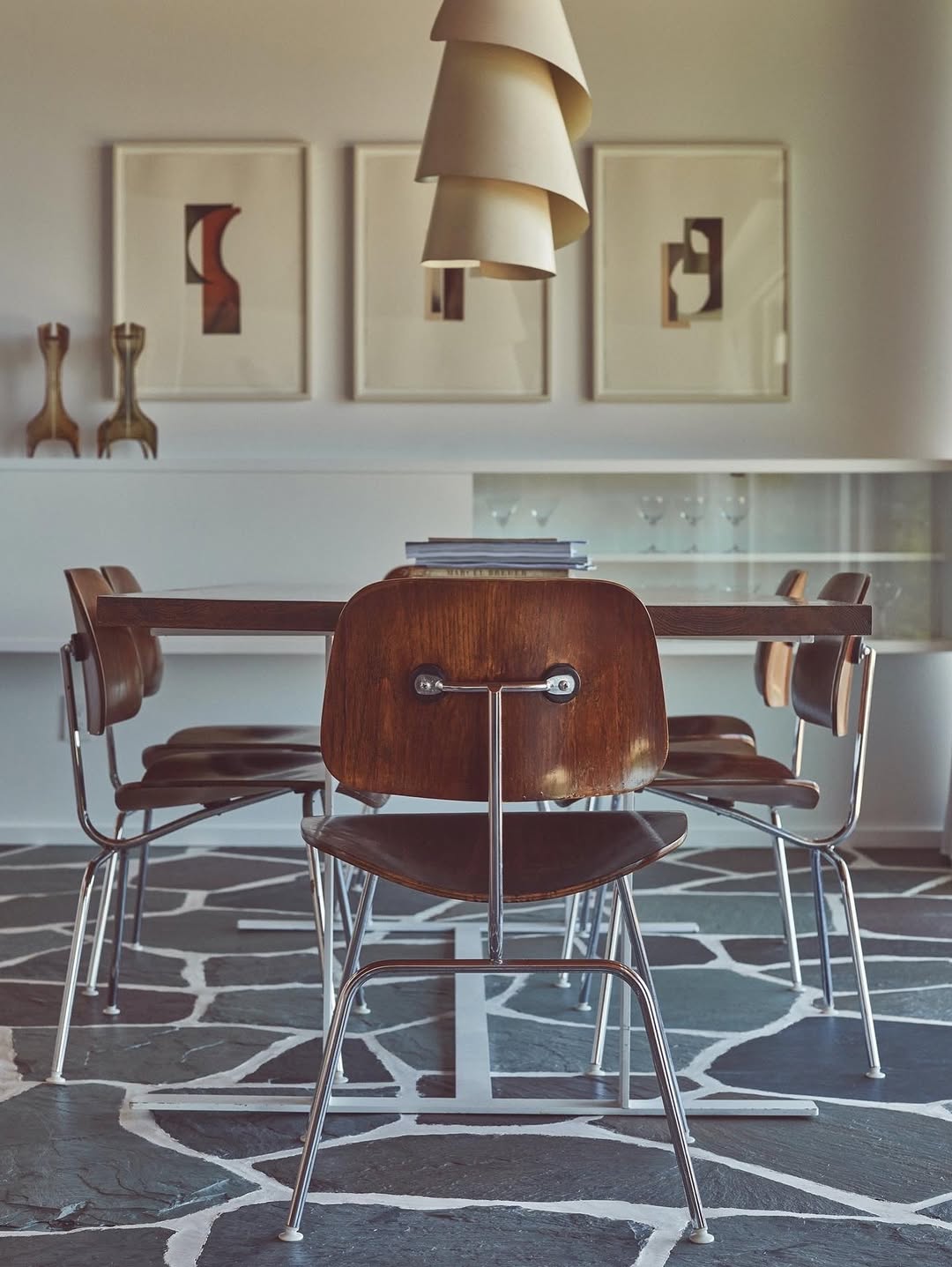
Marcel Breuer was a Bauhaus-trained Hungarian-American architect who spent his career translating the school's principles into built form. The Bauhaus ran from 1919 to 1933 and produced a design philosophy organized around material honesty, function-driven form, and the rejection of historical ornament. Breuer's contribution was primarily in residential architecture and furniture design: he designed the tubular steel Wassily Chair in 1925 and the Cesca Chair in 1928, both of which are still in production.
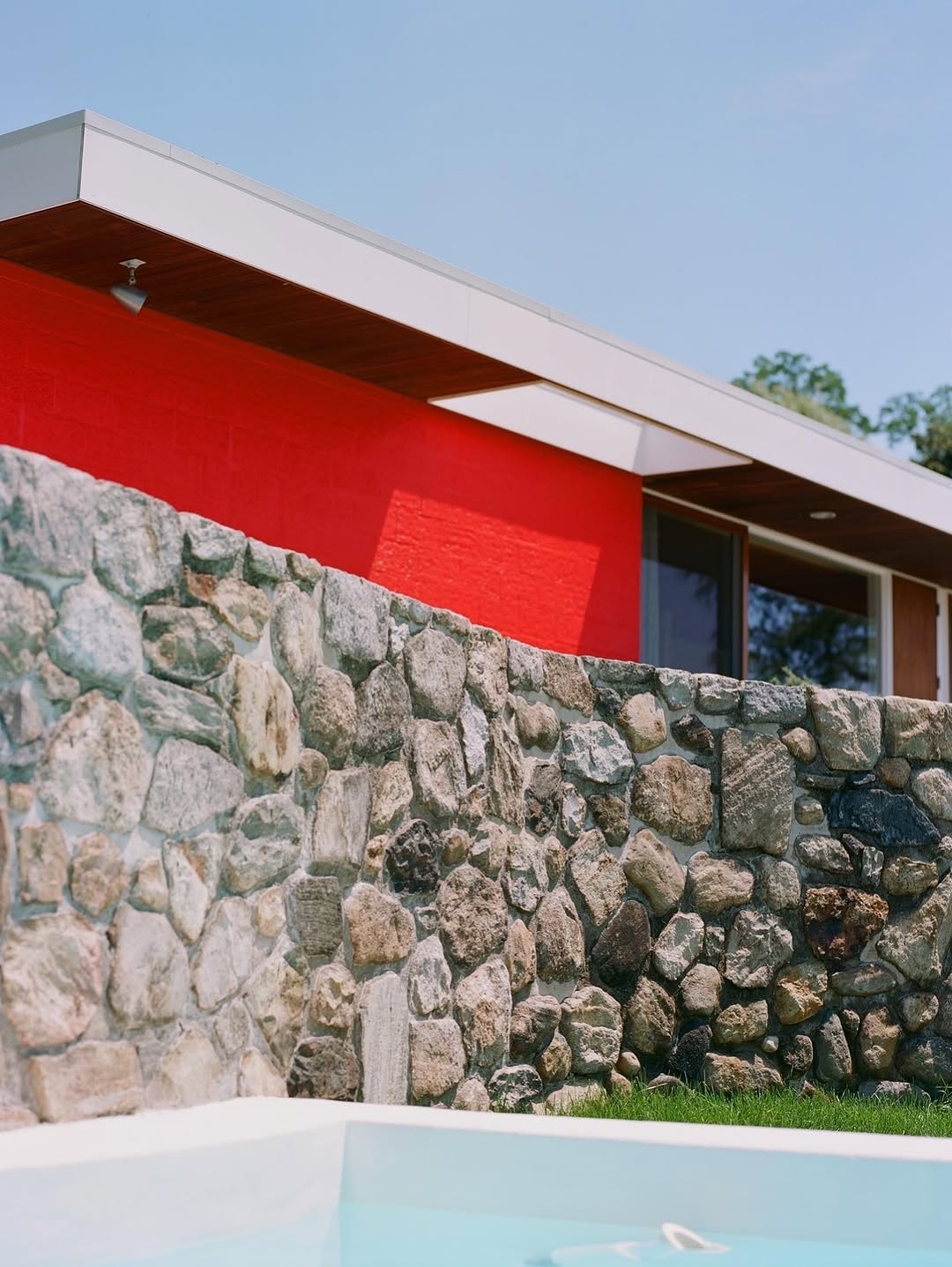
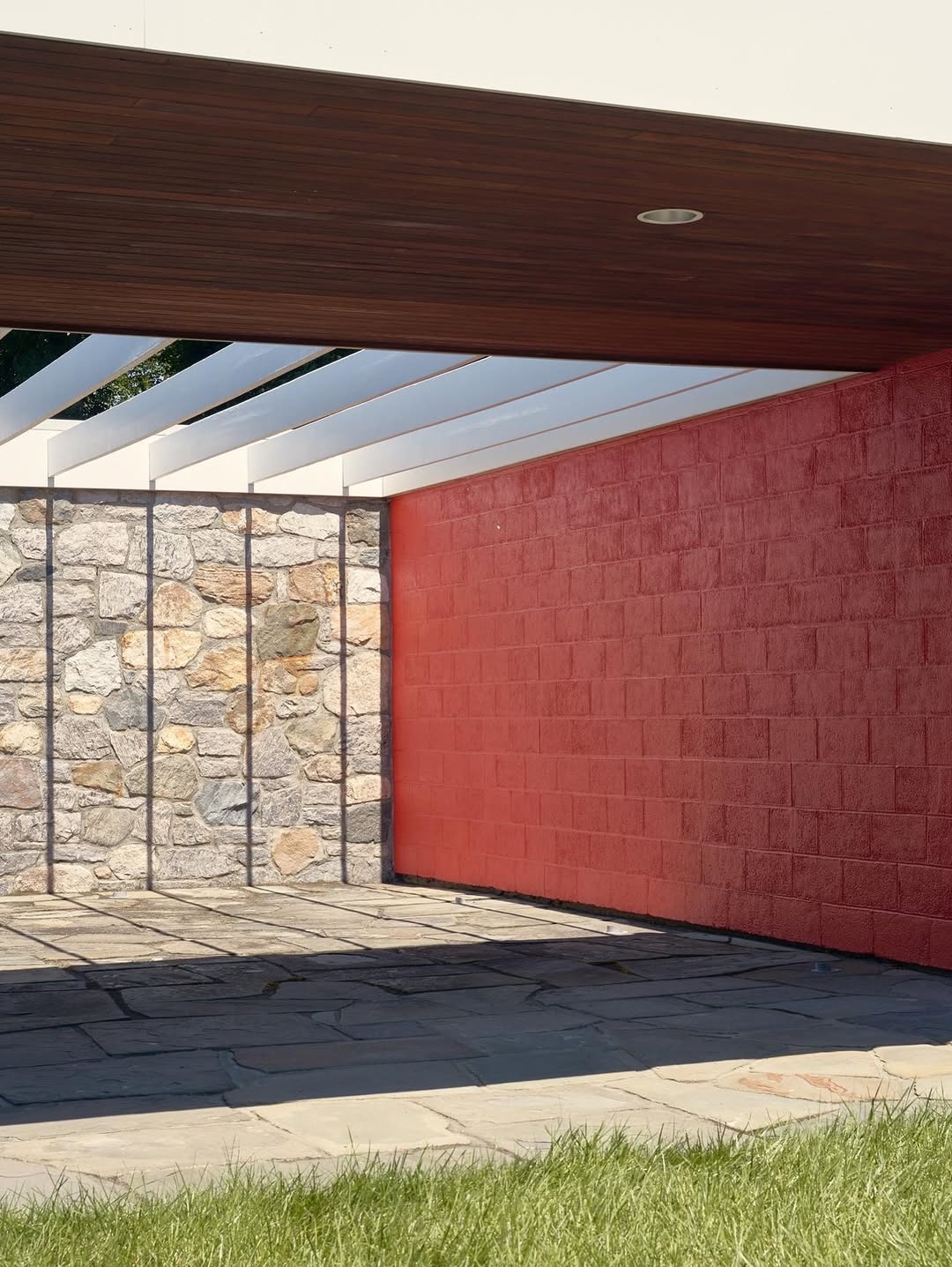
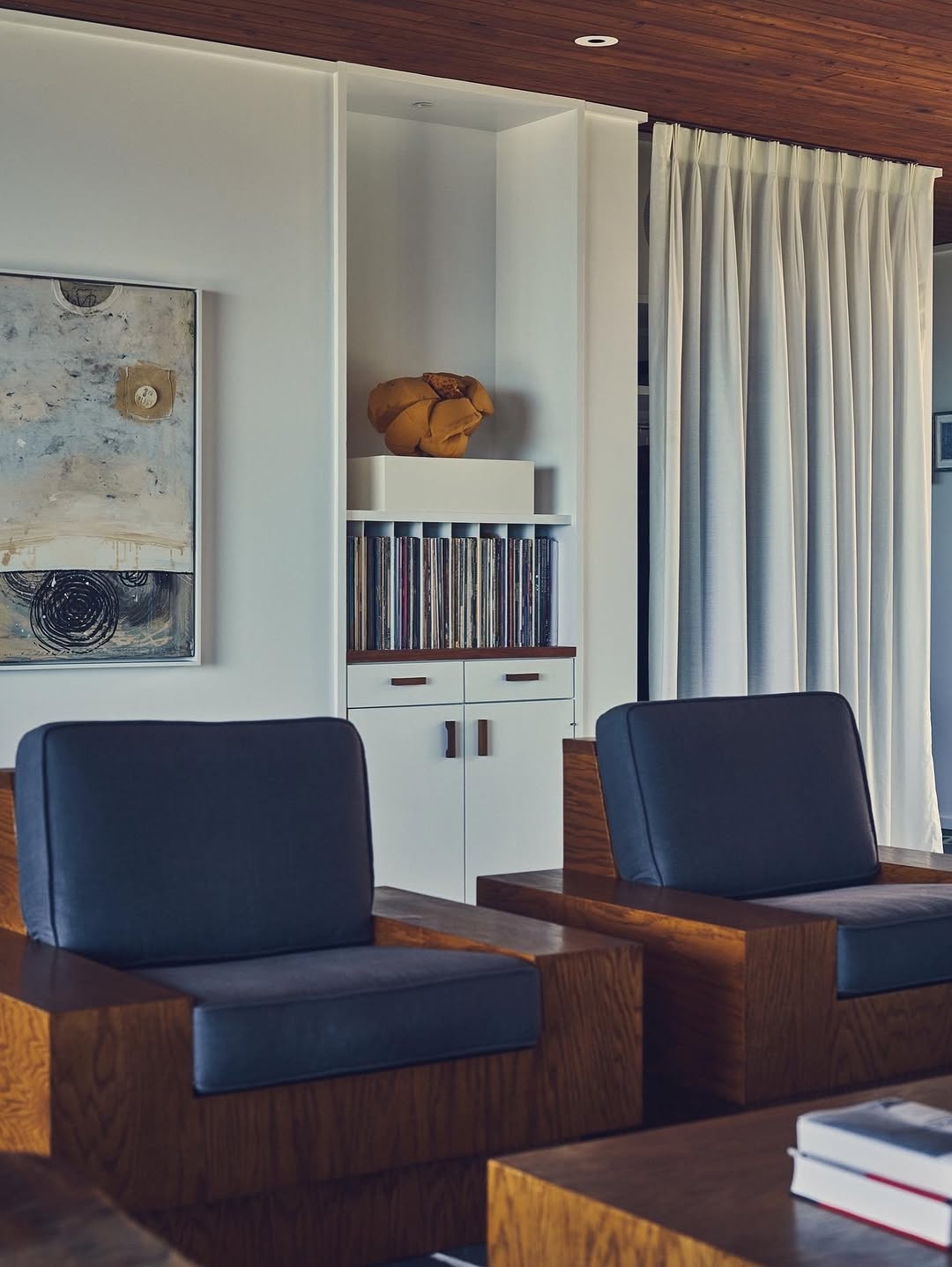
By 1953, Breuer was producing residential work that applied Bauhaus principles to the American landscape: split-level plans that responded to topography, exposed aggregate concrete and raw stone exteriors, floor-to-ceiling glazing that treated the landscape as part of the interior program. The houses are demanding to live in by contemporary standards of thermal performance and acoustic isolation. They are also, according to Sena, like living among sculpture.
Sena's Intervention Philosophy
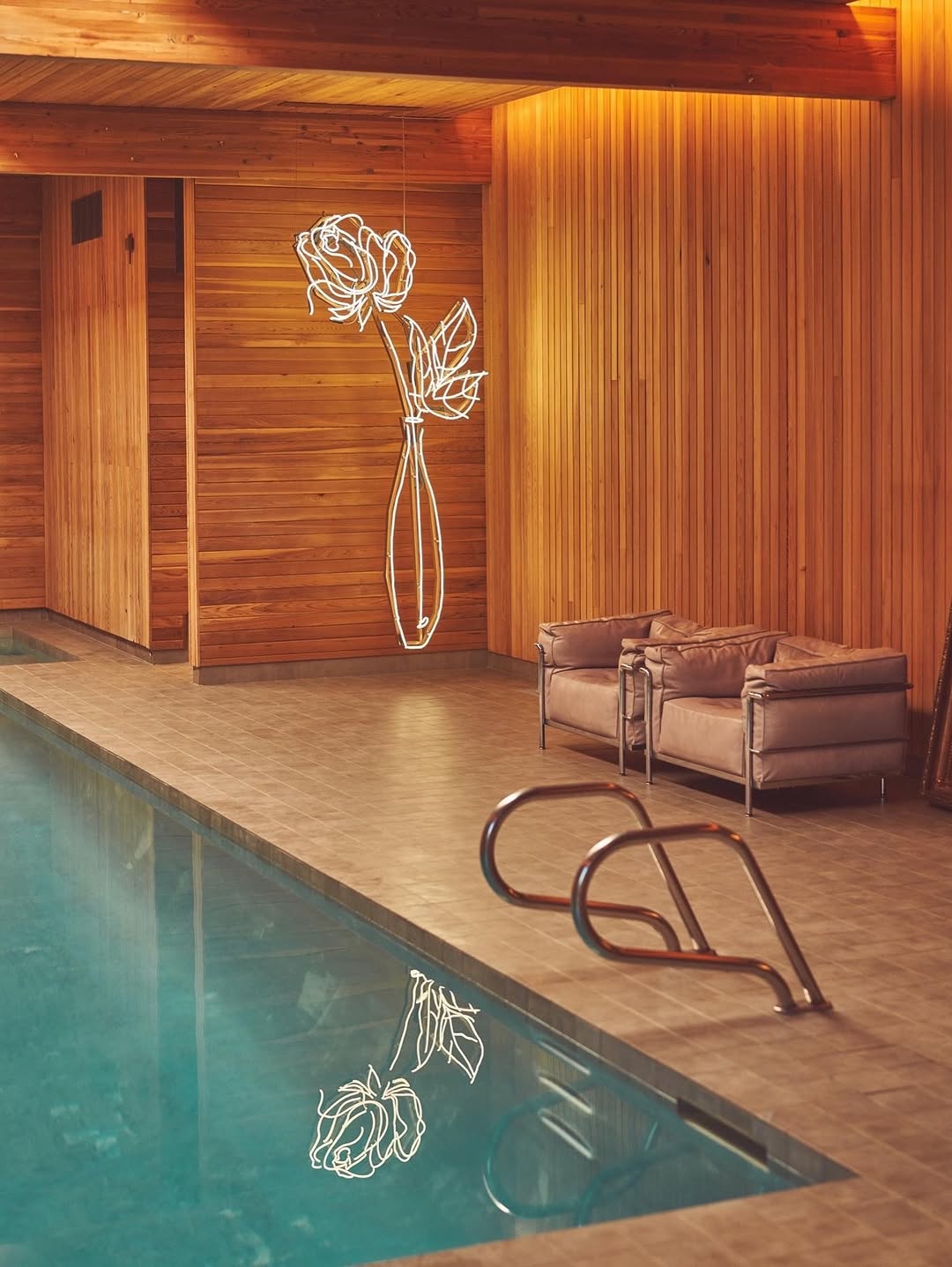
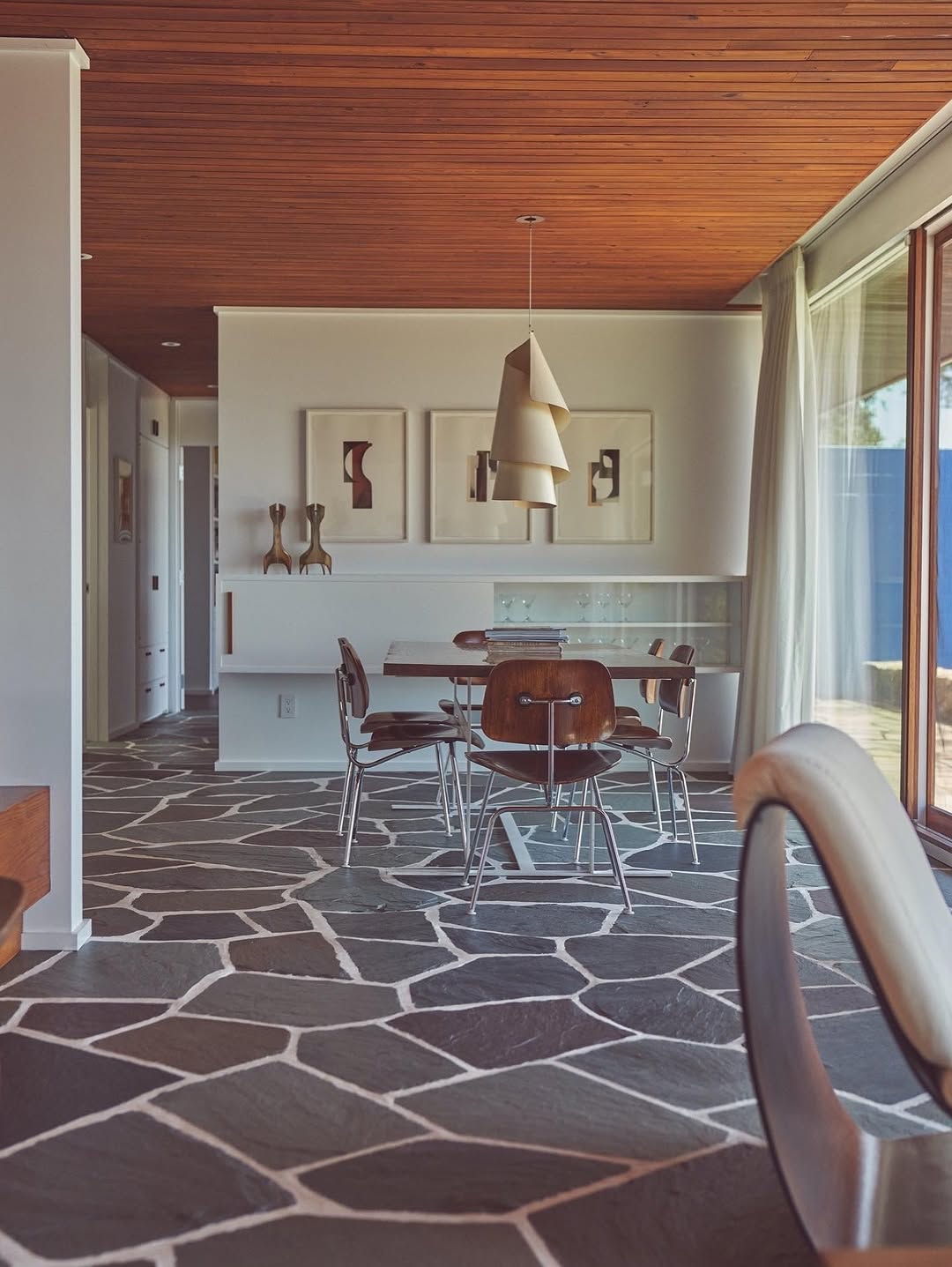
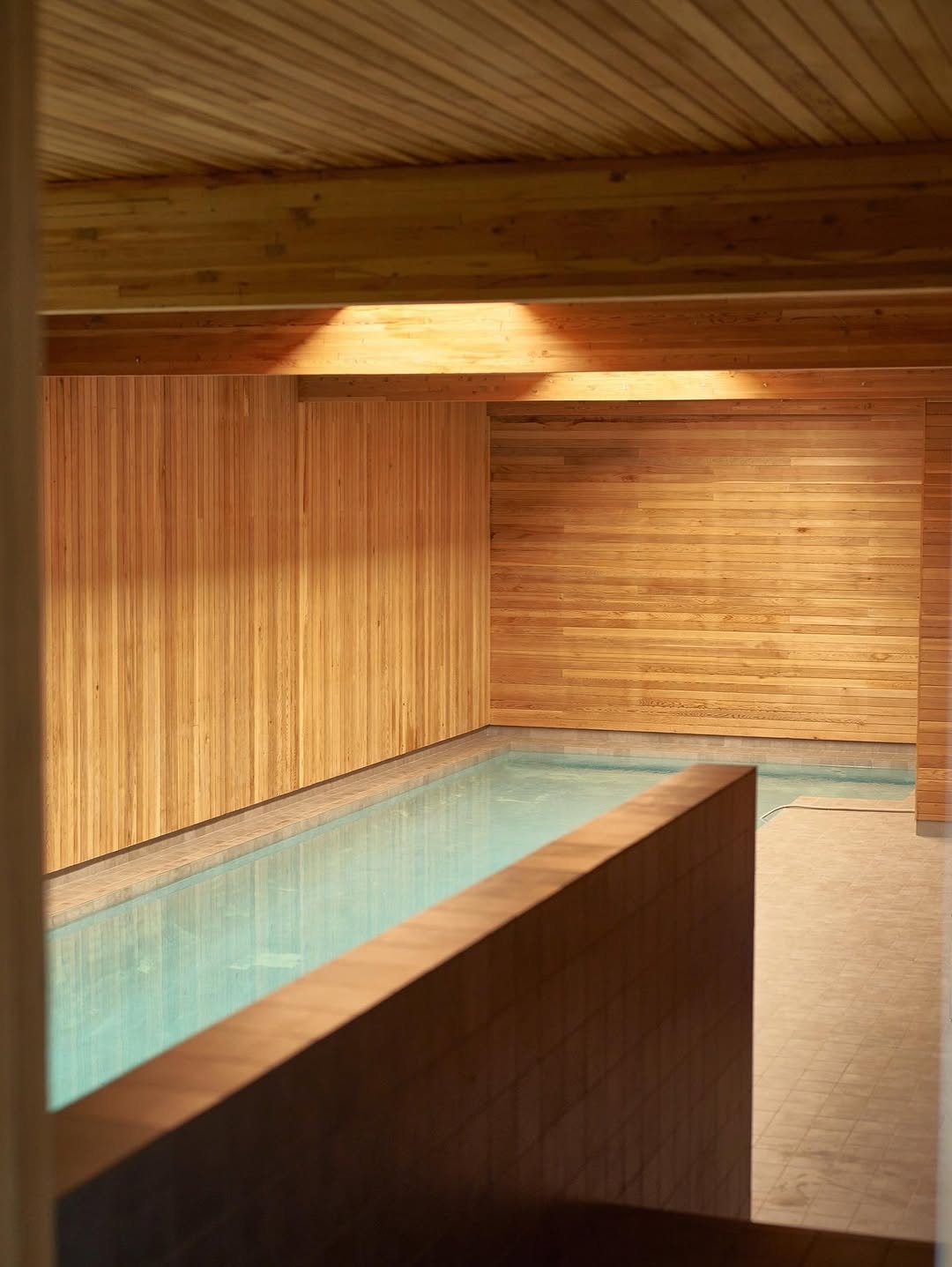
The philosophy is explicitly stated: restore to the point where you can use the house today as you would any other house. Sena's objection to pure conservation is practical. Houses run by historical trusts that prioritize preservation over use become increasingly difficult to occupy and maintain. His third Breuer completed on the Hudson integrates music, lights, and security systems all controlled from a smartphone, with vast amounts of updated glassware and upgraded mechanical systems. The core, layout, material character, relationship to landscape, is untouched.
This is a specific and defensible position in design restoration discourse. The maximally conservative position argues that any modern integration compromises the original. Sena's position argues that a house that cannot function as a primary residence is not being preserved, it is being museumified. He is correct that Breuer's houses were designed for occupation, not observation.
Breuer's Visual Logic
Sena's description of the experience of a Breuer house is the most useful part of his testimony: "There's a study of economy and an appreciation of scale in his work. When it all comes together it begins to feel like sculpture and living among sculpture is a really great feeling. While he does force you to live with what's essential, each room having very distinct purposes, there's a touch of the lavish too."
The lavish detail he references, a walkway that is more elaborate than strictly necessary, built to direct your gaze toward a particular view of the landscape, is exactly the kind of decision that makes the difference between a building and a building you want to be in. Dieter Rams solved this in the product realm with his 1961 phonograph for Braun: function first, but function does not prohibit beauty. Breuer solved the same equation in residential architecture, thirty years before Rams articulated his ten principles.
The Third House Problem
Restoring a third Breuer when you are not a professional developer means the first two taught you things you cannot learn in school. Material failure modes. The specific ways 1953 concrete responds to modern waterproofing. The thermal behavior of floor-to-ceiling glazing in the Hudson valley in February. The acoustic profile of an open-plan Breuer layout with modern HVAC.
Sena's third project reflects those lessons. The smart home integration is invisible. You do not see the conduit. The house looks like Breuer made it last year, which means it also looks like Breuer made it in 1953. That is a difficult result to achieve in a historic residence and an expensive one.
The house is not for sale. But you can visit it in Type7's documentation, and if you have any interest in what the friction between 1953 design principles and 2026 living standards actually looks like when someone resolves it correctly, it is worth the hour.
Related Reading
- EDITION OFFICE BUILT ABOVE THE GROUND IN MELBOURNE
- GONZALO BARDACH BUILT HOUSE JR INTO THE EARTH
- TYPE7 SPOTLIGHTS INNOVATIVE MEXICAN ARCHITECTURE PROJECT
Related: FUTURA PAINTS TYLER ADAMS TWO PITCHES IN HIS HOMETOWN.
Frequently Asked Questions
Who is Marcel Breuer?
Marcel Breuer was a Bauhaus-trained Hungarian-American architect and furniture designer known for residential architecture that applied Bauhaus principles to the American landscape. He designed the Wassily Chair (1925) and Cesca Chair (1928), both still in production.
What is Ken Sena's approach to restoring Breuer houses?
Sena's philosophy is to restore Breuer houses to the point where they can function as modern primary residences, integrating smart systems and updated mechanical elements while leaving the layout, material character, and landscape relationship completely unchanged.
What smart home features did Sena add to the 1953 Hudson house?
The modernized Breuer house on the Hudson includes music, lighting, and security systems all controlled from a smartphone, as well as updated glazing and mechanical systems.
Topics: hudson-valley, dieter rams, type7, design-history, bauhaus, architecture, house-restoration, focus-50-64, ken-sena, dieter-rams, marcel-breuer