Ferrari 296 Speciale Meets the Hamptons' Old Racing Roads
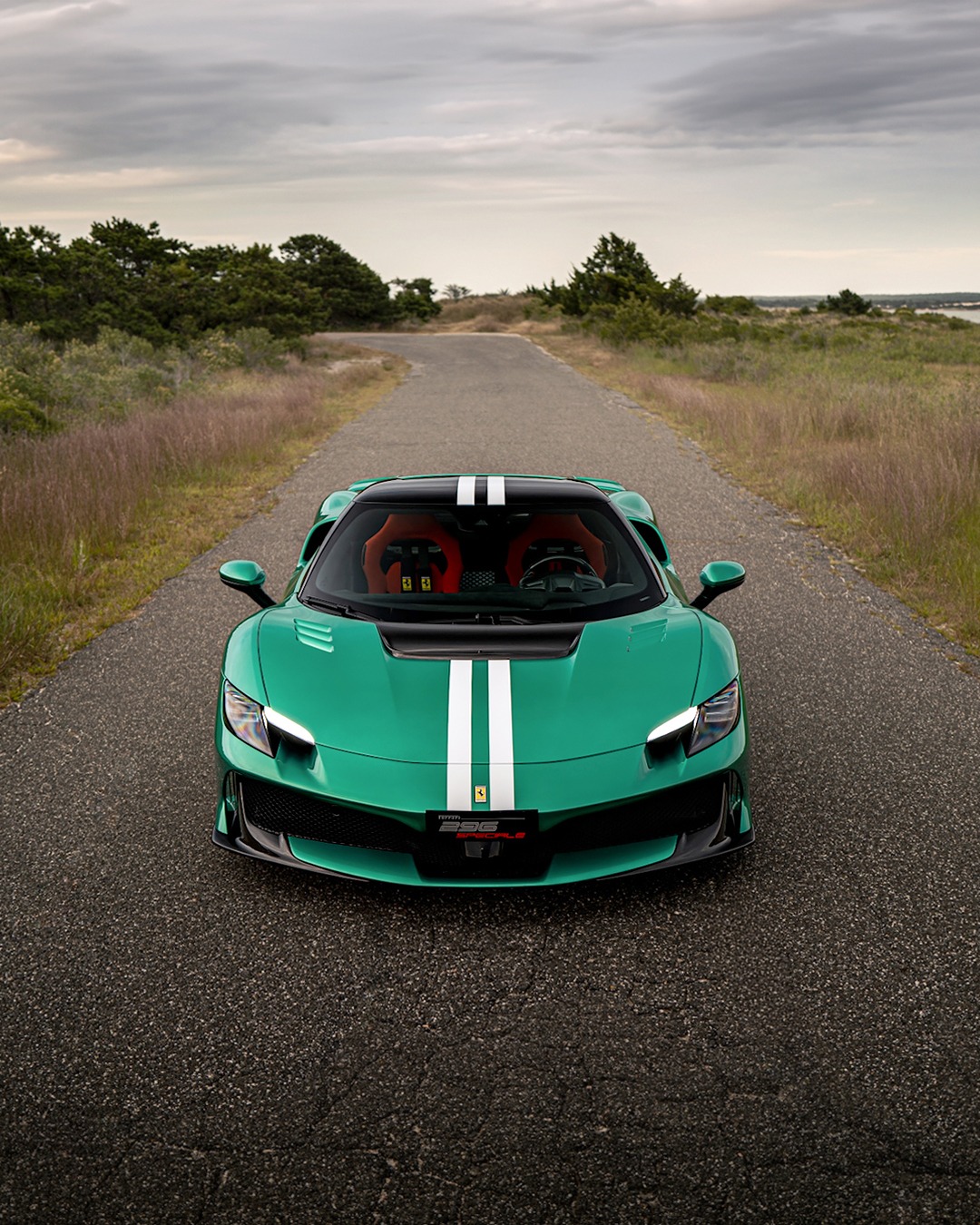
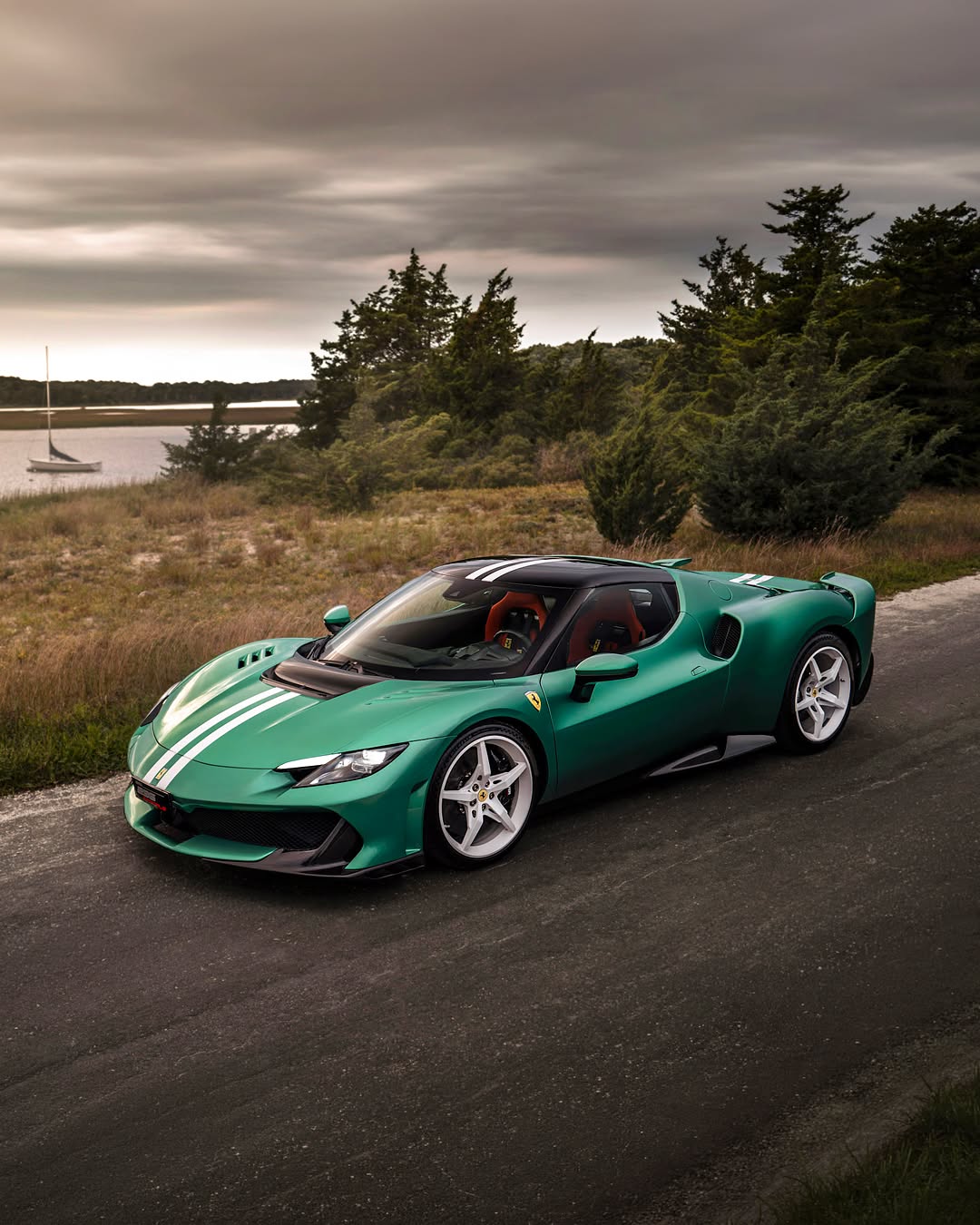
Ferrari photographed the 296 Speciale in the Hamptons, a region where Ferraris won the Bridgehampton road races in 1952 and 1953 with Bill Spear driving. The 296 Speciale weighs 1,410 kg dry, makes 880 cv for a record 1.60 kg per cv among rear drive Ferrari berlinettas, and generates 435 kg of downforce at 250 km/h using parts derived from the 296 GT3 and 296 Challenge race cars.
Key Points
- Bill Spear won Bridgehampton in a Ferrari 340 America in 1952 and a 340 Mexico in 1953.
- The 296 Speciale weighs 1,410 kg dry and makes 880 cv, a 1.60 kg per cv record for a rear drive Ferrari berlinetta.
- It makes 435 kg of downforce at 250 km/h and uses Multimatic shocks derived from the 296 GT3 race car.
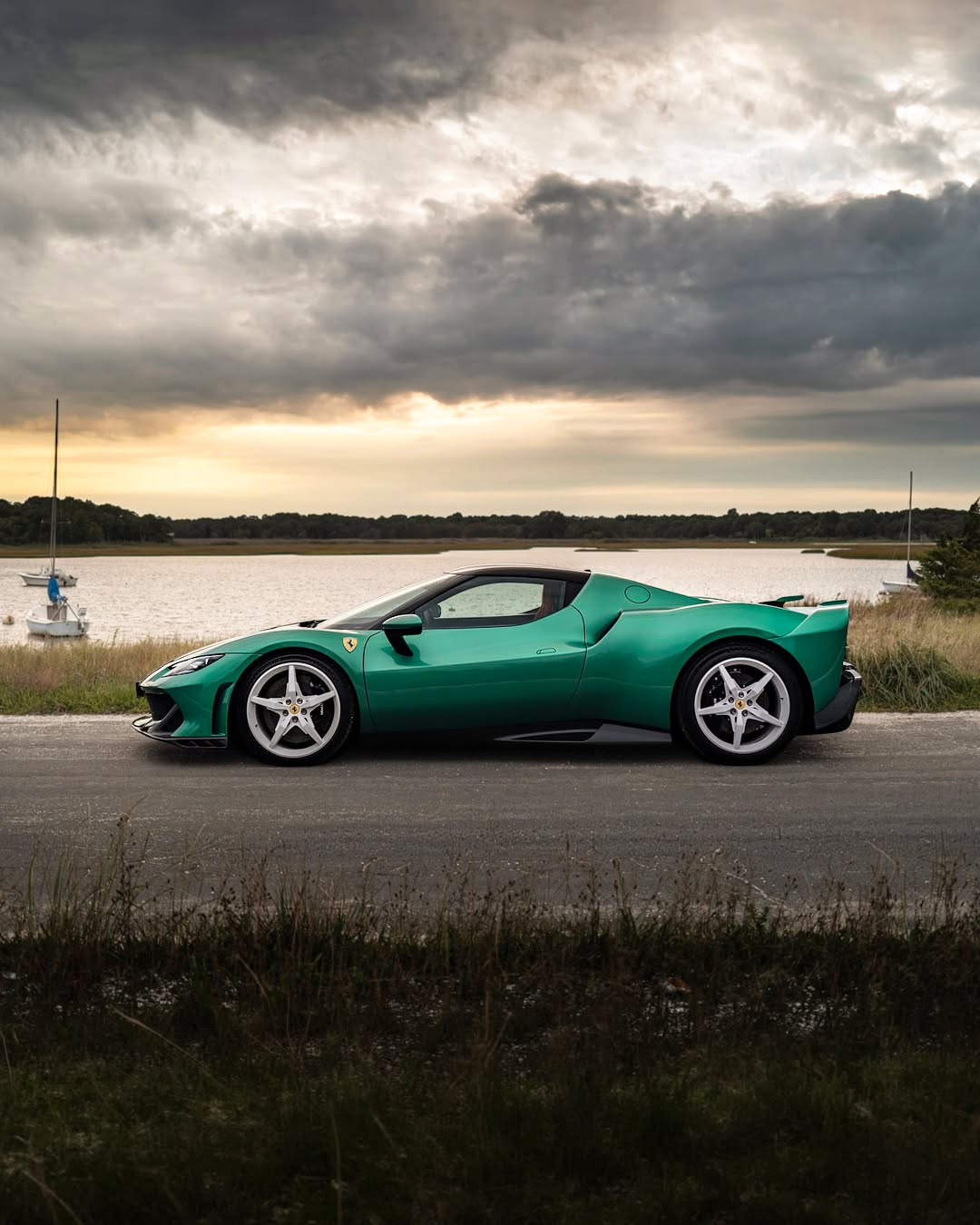
Ferrari's 296 Speciale is the right car for the Hamptons, and the reason isn't the beach houses. It's that the South Fork of Long Island was a Ferrari racing town in the early 1950s, and the Speciale is the 296 with the most race car in it. Ferrari's US team photographed it out there and said it was feeling right at home. They're more right than they need to be.
Bridgehampton Ran Ferraris on Public Roads
Sports car racing came back to Bridgehampton in 1949, on a four mile circuit laid over local roads next to the town's prewar course. Ferrari owned the back end of that era. Bill Spear won the 1952 race in a Ferrari 340 America and the 1953 race in a Ferrari 340 Mexico, both over 100 miles, and Ferrari finished as the most successful make at Bridgehampton with three wins.
The road races ended in 1953. A driver was killed in practice and three spectators were hurt during the race, and New York stopped racing on closed public streets after that. A permanent circuit opened in 1957 and ran until the late 1990s.
So when a Ferrari goes looking for a Hamptons backdrop, it's not borrowing somebody else's scenery. It's visiting a place where its cars won when Ferrari had been building cars for barely five years. That fits a company that, as who founded Ferrari reminds you, was a racing team before it was a car company.
GT3 Shocks and a 250 LM Profile
The 296 Speciale is the car in today's lineup that would make the most sense on that old four mile loop. Ferrari quotes a dry weight of 1,410 kg, about 60 kg less than the 296 GTB, and 880 cv from the hybrid V6. That works out to 1.60 kg per cv, which Ferrari calls a record for a rear wheel drive Ferrari berlinetta.
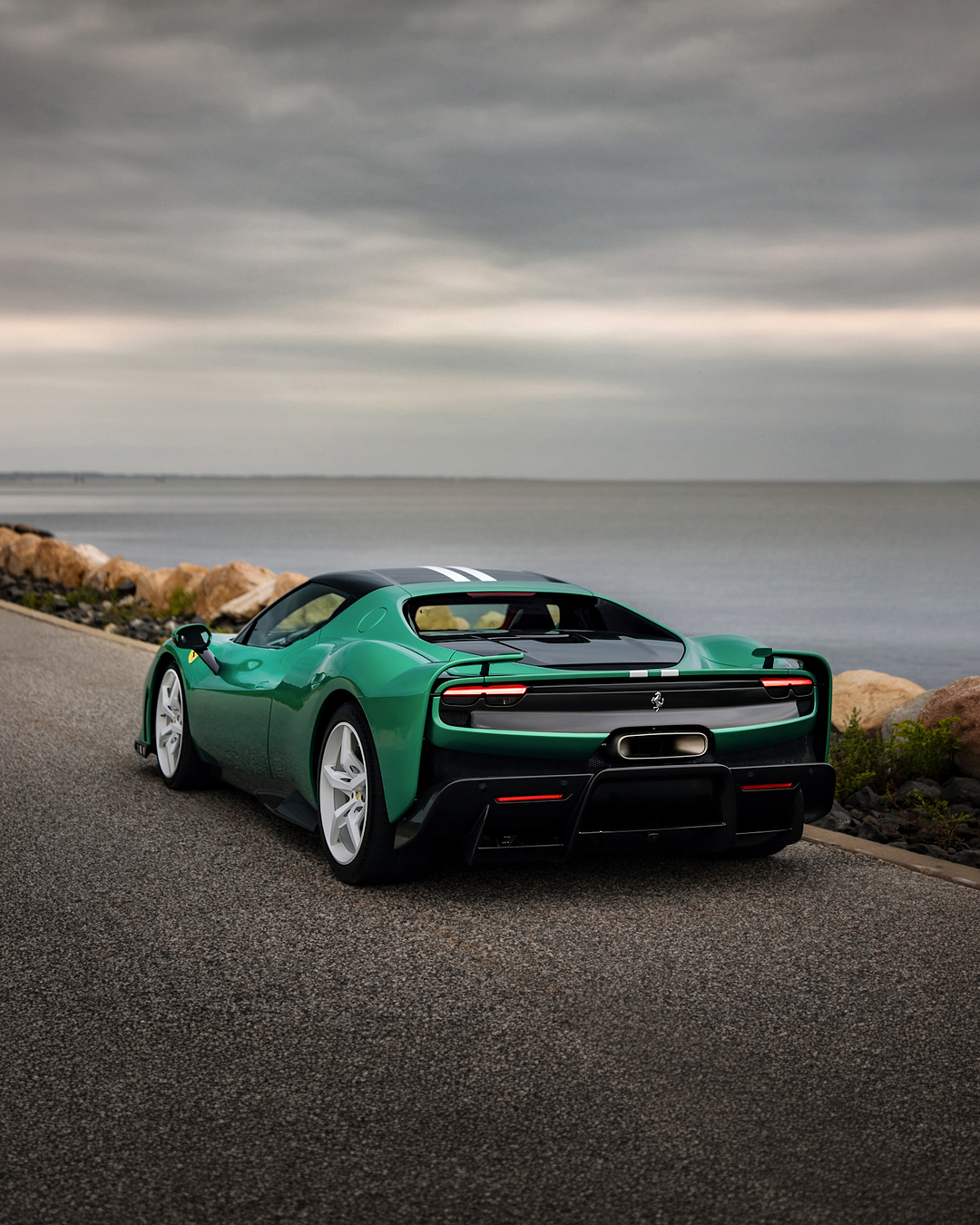
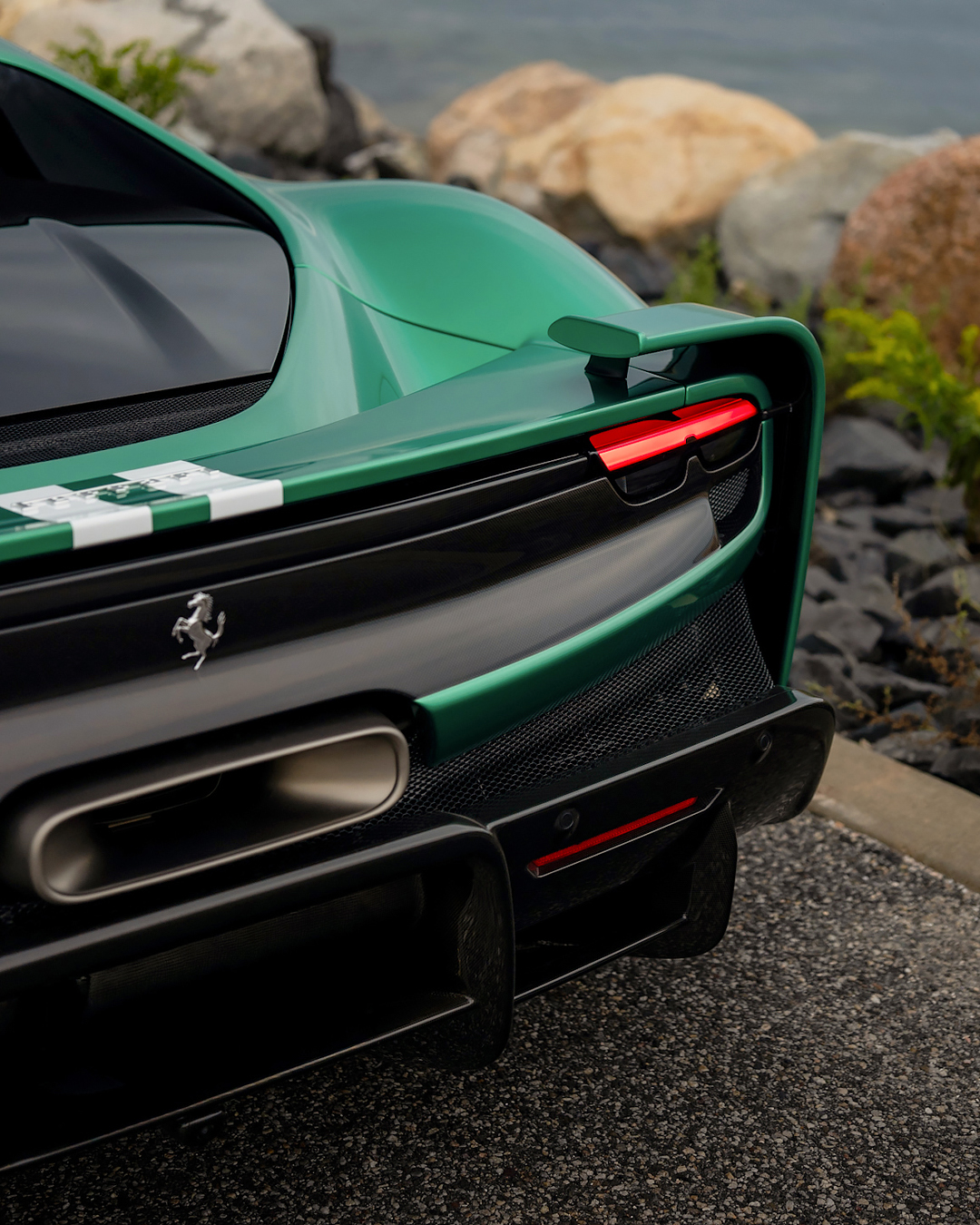
The parts tell you where it came from. Ferrari says the Speciale carries over Multimatic shock absorbers derived from the 296 GT3 race car, which cut maximum roll by 13 percent. It makes 435 kg of downforce at 250 km/h, 20 percent more than the GTB, from aero ideas Ferrari developed and tested on the 296 Challenge, its one make racer.
Flavio Manzoni, Ferrari's chief design officer, refused to describe it in one word when Auto Design magazine asked. He gave three. "Muscular, light and mean."
He's right about all three, and the third one is the design.
The rear gets two cantilevered wings that frame the tail, and Auto Design reads them as a nod to the F80, with a profile that recalls the 250 LM. That's the important part for me. The 250 LM was a 1960s endurance racer with a road license. In 1965 a 250 LM entered by Luigi Chinetti's North American Racing Team, with Masten Gregory and Jochen Rindt driving, won Le Mans outright after qualifying 11th. It was Ferrari's last overall win there until 2023.
An American privateer team, a mid engined Ferrari and a race people expected Ford to win. That's the lineage the Speciale's profile points at. It's built in that order, racing first and street second, and it doesn't hide it.
Most of These Will Go to Dinner
Here's the fair objection. Nobody is racing on Montauk Highway, and the circuit isn't there anymore. Bridgehampton closed at the end of the 1990s, and the site became The Bridge, a private golf club that opened in 2002. A piece of the old track, including the Chevron Bridge, still sits on the grounds. The man behind the switch, Robert Rubin, was a former Wall Street trader and car collector who'd been the circuit's steward since the early 1980s. The racing town is a golf course with a souvenir.
The buyers point that way too. The Speciale sold out to existing Ferrari clients before it was officially shown. Plenty of these will spend their lives on short runs between a driveway and a restaurant on Main Street.
I'll give that point its full weight and still disagree with where it lands. The car isn't for the race that's gone. It's for the owner who wants the race car anyway, on the roads where people once wanted that badly enough to close the streets for it.
It's also been a busy month for Ferrari in New York. The brand opened its Ferrari Style flagship at 92 Prince Street in SoHo on November 12, with a Swizz Beatz capsule made only for that store. The open top 296 Speciale A had already made its hillclimb debut at Goodwood in July. The city got the clothes. The Hamptons got the car.
That's the better trade.
Bill Spear's 340 Mexico won at Bridgehampton in 1953. Now a 1,410 kg Ferrari with GT3 shocks is back in the Hamptons, and it looks like it never left.
Frequently Asked Questions
How much does the Ferrari 296 Speciale weigh?
Ferrari quotes a dry weight of 1,410 kg, about 60 kg less than the 296 GTB, for a weight to power ratio of 1.60 kg per cv.
How powerful is the Ferrari 296 Speciale?
Its hybrid V6 powertrain makes 880 cv combined, which Ferrari calls a record for a rear wheel drive production Ferrari.
When did Ferrari win at Bridgehampton?
Bill Spear won the Bridgehampton road races in a Ferrari 340 America in 1952 and a Ferrari 340 Mexico in 1953, and Ferrari was the most successful make at Bridgehampton with three wins.
Topics: car-culture, bridgehampton, flavio-manzoni, ferrari-296-speciale, hamptons, ferrari, automotive-design, motorsport-history