D'ANGELO VANISHED AFTER VOODOO AND CAME BACK 14 YEARS LATER WITH HIS BEST ALBUM
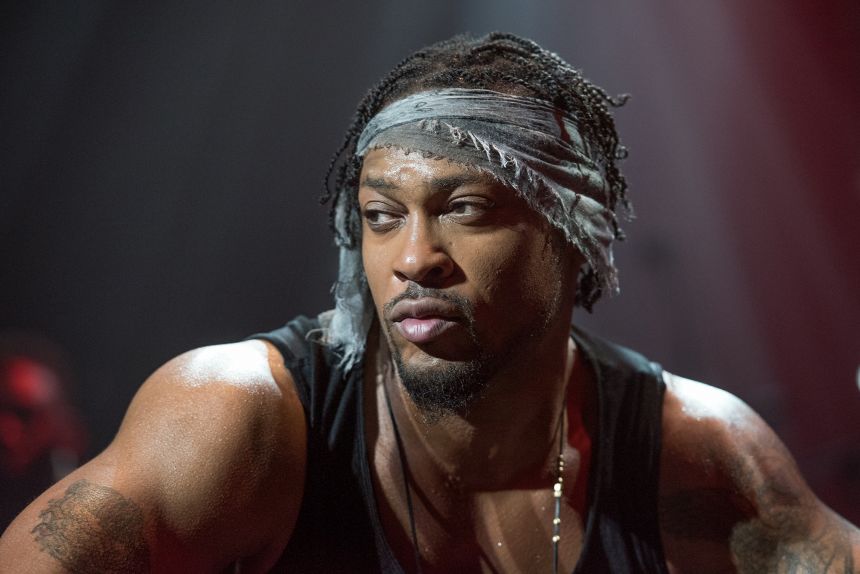
D Angelo released Voodoo in January 2000 then disappeared from music for 14 years. He returned with Black Messiah in December 2014 winning Best R&B Album at the Grammys for the second time.
Key Points
- Voodoo debuted at number one selling 320,000 copies then the Untitled video drove D Angelo into a decade of silence
- Black Messiah arrived in 2014 after 14 years and won Best R&B Album matching Voodoo
- The Weeknd Frank Ocean Anderson Paak built careers on D Angelo sonic template during his absence
January 25, 2000. Untitled Plays on BET.
The "Untitled (How Does It Feel)" music video aired on BET in early 2000 and immediately became the most discussed visual in R&B history. D'Angelo appears nude from the waist up, singing directly into the camera while the frame slowly pans down his sculpted body. The video increased Voodoo sales by 40% in its first week of airplay. It also destroyed D'Angelo.
Voodoo, his second album, debuted at number one on the Billboard 200 in January 2000, selling 320,000 copies in its first week. It won the Grammy for Best R&B Album. The production, which D'Angelo handled himself alongside Questlove and James Poyser, was analog, warm, and rooted in Prince's Dirty Mind era. It sounded like nothing else in 2000, when R&B was dominated by the glossy production of Timbaland and the Neptunes.
The Weight of the Body
D'Angelo told interviewers that the Untitled video turned him into a sex symbol against his will. He had spent years building a body at the gym for the video, but the public response reduced his musicianship to his physique. Women screamed at concerts. Male fans treated him differently. He developed body image issues, gained weight, and retreated from public life entirely.
By 2002, D'Angelo had cancelled tour dates and stopped making music. By 2005, he was arrested for DUI and marijuana possession. By 2010, he had been essentially absent from public life for a decade. The music industry moved on without him. Neo-soul as a movement faded. Erykah Badu continued. Lauryn Hill retreated into her own struggles. Jill Scott evolved. D'Angelo simply stopped.
14 Years of Silence
Black Messiah arrived on December 15, 2014, released without advance notice on a Monday morning. The album had taken 14 years to make. D'Angelo recorded hundreds of tracks, scrapping sessions, starting over, relocating studios, changing collaborators. Questlove, who co-produced much of the album, described the process as the longest creative labor he had ever witnessed.
Black Messiah debuted at number 5 on the Billboard 200, selling 117,000 copies in its first week. Critics responded unanimously. Rolling Stone, Pitchfork, Time, and The New York Times all named it among the best albums of 2014. Many called it the best R&B album of the decade. It won the Grammy for Best R&B Album, matching his Voodoo win 15 years earlier.
The Influence Gap
Between Voodoo in 2000 and Black Messiah in 2014, D'Angelo's influence was everywhere even though he wasn't. The Weeknd's House of Balloons owes its production darkness to Voodoo. Frank Ocean's Channel Orange owes its analog warmth to the same source. Anderson .Paak's live instrumentation approach, Childish Gambino's Awaken My Love, and even some of Kendrick Lamar's jazz-influenced production on To Pimp a Butterfly carry D'Angelo's DNA.
He influenced an entire generation of R&B without releasing a single track during the genre's most transformative decade. That level of ambient influence is almost unprecedented. Only Sade, who operates on a similar release schedule, comes close.
D'Angelo matters because he proved that R&B could be art music. Voodoo was not designed for radio play. Neither was Black Messiah. Both albums operate at a level of musical complexity that demands active listening. The 14-year gap between them created a mystique that no marketing campaign could replicate. Sometimes disappearing is the most powerful thing an artist can do. Frank Ocean took four years to learn that lesson. D'Angelo took fourteen and the album he came back with was worth every one of them.
D'Angelo vanished after Voodoo because the attention shattered him. The How Does It Feel video turned him into a sex symbol he never wanted to be, and the weight of being R&B's next genius at 26 was more than the music could support. He retreated into silence for 14 years, and when Black Messiah arrived in 2014 with zero warning, it was the best R&B album released in that entire span. The production was analog, the arrangements were dense and layered, and D'Angelo's voice sounded like a man who had been living inside the music instead of performing it. The album proved that disappearance can be creative strategy, and that the best work sometimes requires the artist to reject every audience demand until the art is ready.
Related Reading
- LAURYN HILL WON 5 GRAMMYS WITH MISEDUCATION AND NEVER MADE ANOTHER ALBUM
- LIL KIM INVENTED THE BLUEPRINT THAT NICKI MINAJ PERFECTED
- How Kehlani Finally Won Her First Grammy After 10 Years
Frequently Asked Questions
What happened to D Angelo after Voodoo?
He retreated from public life after the Untitled video reduced his artistry to his body. He cancelled tours gained weight and dealt with legal issues before returning with Black Messiah in 2014.
How long did Black Messiah take to make?
14 years from Voodoo in 2000 to its surprise release on December 15 2014. He recorded hundreds of tracks and scrapped multiple sessions.
Did D Angelo win Grammys?
Won Best R&B Album twice. Once for Voodoo in 2001 and again for Black Messiah in 2015.
Topics: rolling-stone, billboard, the weeknd, culture, music-legacy, r-and-b, kendrick-lamar, neo-soul, voodoo, d-angelo, rolling stone, nostalgia, the-weeknd, pitchfork-pitchfork, black-messiah, pitchfork, what-happened-to, kendrick lamar