THE BUSINESS OF SPORTS TURNS THE WORLD CUP INTO A LAB
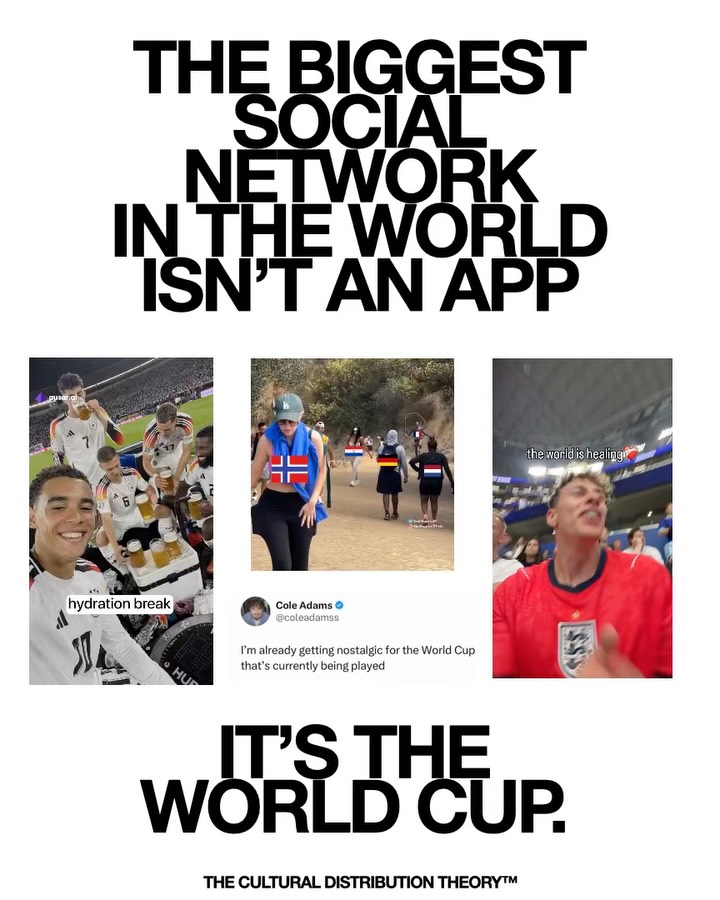
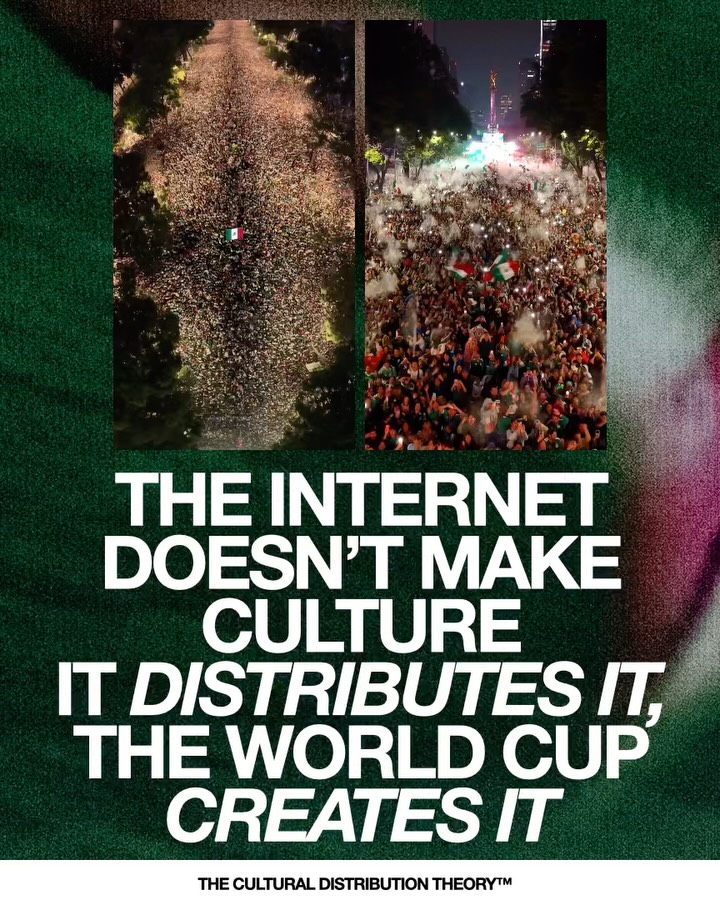
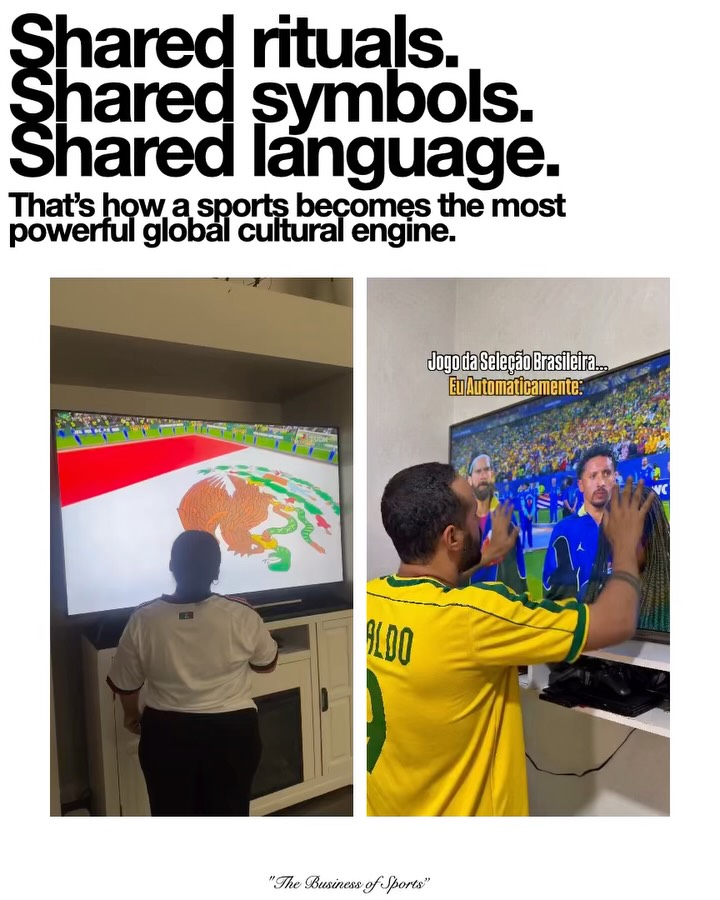
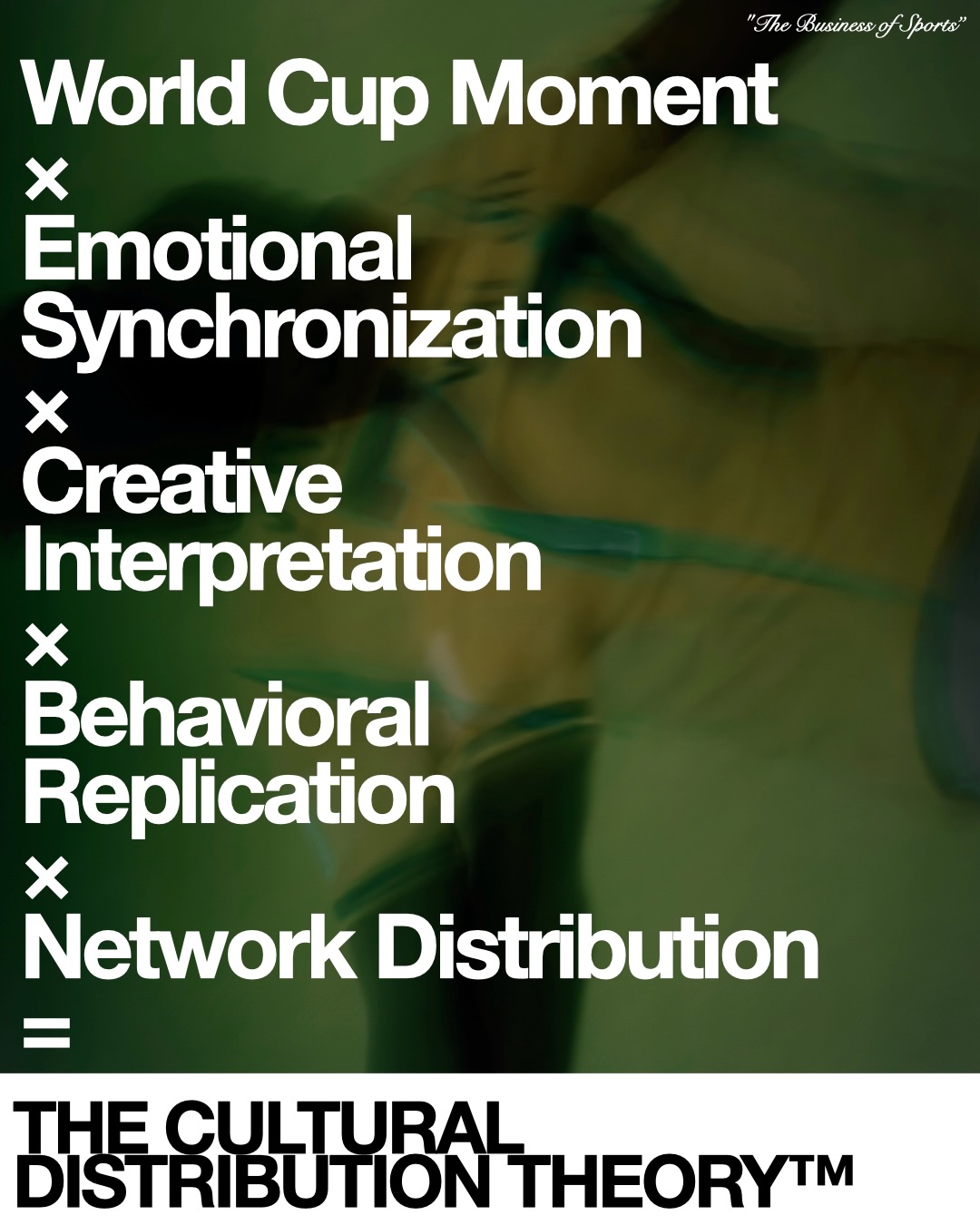
The Business of Sports is running a live cultural intelligence project called The Business of World Cup Chapter 2, tracking fan behavior through ethnography, social listening and real time dashboards across Mexico City and New York during the 2026 FIFA World Cup. FIFA reported over 6 million tickets sold by June 10, 2026, while Adidas, estimated at 400 million dollars in marketing spend, and Corteiz ran competing activation strategies across the tournament's 16 host cities.
Key Points
- FIFA sold over 6 million 2026 World Cup tickets by June 10, beating 2022's entire tournament total of 3.2 million.
- The Business of Sports is running live ethnography and real time dashboards in Mexico City and New York all tournament.
- Corteiz's secretive 11 city tour pulled 67,421 likes versus 19,492 for a fully detailed earlier drop this year.
Adidas spent an estimated 400 million dollars dressing the 2026 World Cup in three stripes. Nobody has said what they spent finding out whether it worked.
That gap is the real story of this tournament. FIFA says it sold more than six million tickets by June 10, a number president Gianni Infantino called unprecedented by a factor of ten, and FIFA also claims 508 million ticket requests came in for roughly seven million available seats. Reporting since kickoff shows plenty of those seats sitting empty anyway. Into that gap steps The Business of Sports, the sports business and culture publisher whose current project, billed internally as Chapter 2 of The Business of World Cup, is not a highlight reel. It is a live research operation running field teams, ethnography, social listening and real time dashboards across two cities for the length of the tournament: Mexico City and New York.
FIFA Sold Six Million Tickets Before Half the Stadiums Filled
FIFA's six million ticket figure through June 10 already outpaces every prior World Cup on record. Qatar sold 3.2 million in 2022, Russia sold 2.8 million in 2018, and Brazil sold 3.1 million in 2014, meaning 2026 cleared the last cycle's total before the group stage finished.
The 1994 tournament, the last one hosted solely in the United States, still holds the standing attendance record at 3.5 million fans through the gate, not tickets claimed. That distinction between a ticket sold and a seat filled is exactly the kind of gap a press release cannot see and a field crew can. A publisher counting turnstiles in Mexico City has a sharper read on real demand than a stadium sponsor counting invoices.
Estadio Azteca Opened It. New York New Jersey Stadium Closes It Thirty Eight Days Later.
The tournament opened at Estadio Azteca in Mexico City on June 11 and closes at the stadium FIFA calls New York New Jersey Stadium, the Meadowlands venue better known as MetLife, on July 19. Sixteen cities are splitting the load: 11 in the United States carrying 78 matches, three in Mexico and two in Canada carrying 13 each.
Adidas already treated Mexico City as ground zero, opening its Home of Soccer activation there on the same June 11 morning Azteca kicked off. The Business of Sports picked the same city, plus the other bookend on the calendar. That is not a random pair of markets. It is the opening scene and the closing scene of the entire tournament, chosen the way a producer chooses which two nights of a tour to record for the documentary.
Corteiz Hides Its Locations. The Business of Sports Publishes Its Dashboards.
Two brands are running opposite experiments on the same crowd this summer. Corteiz launched an eleven city, six week tour called RULESTHEWORLDCUP on June 2, revealing each stop roughly 48 hours ahead of time and never applying for FIFA licensing. Scarcity worked: the campaign's opening post pulled 67,421 likes against 19,492 for a fully detailed drop the brand posted earlier in the year.
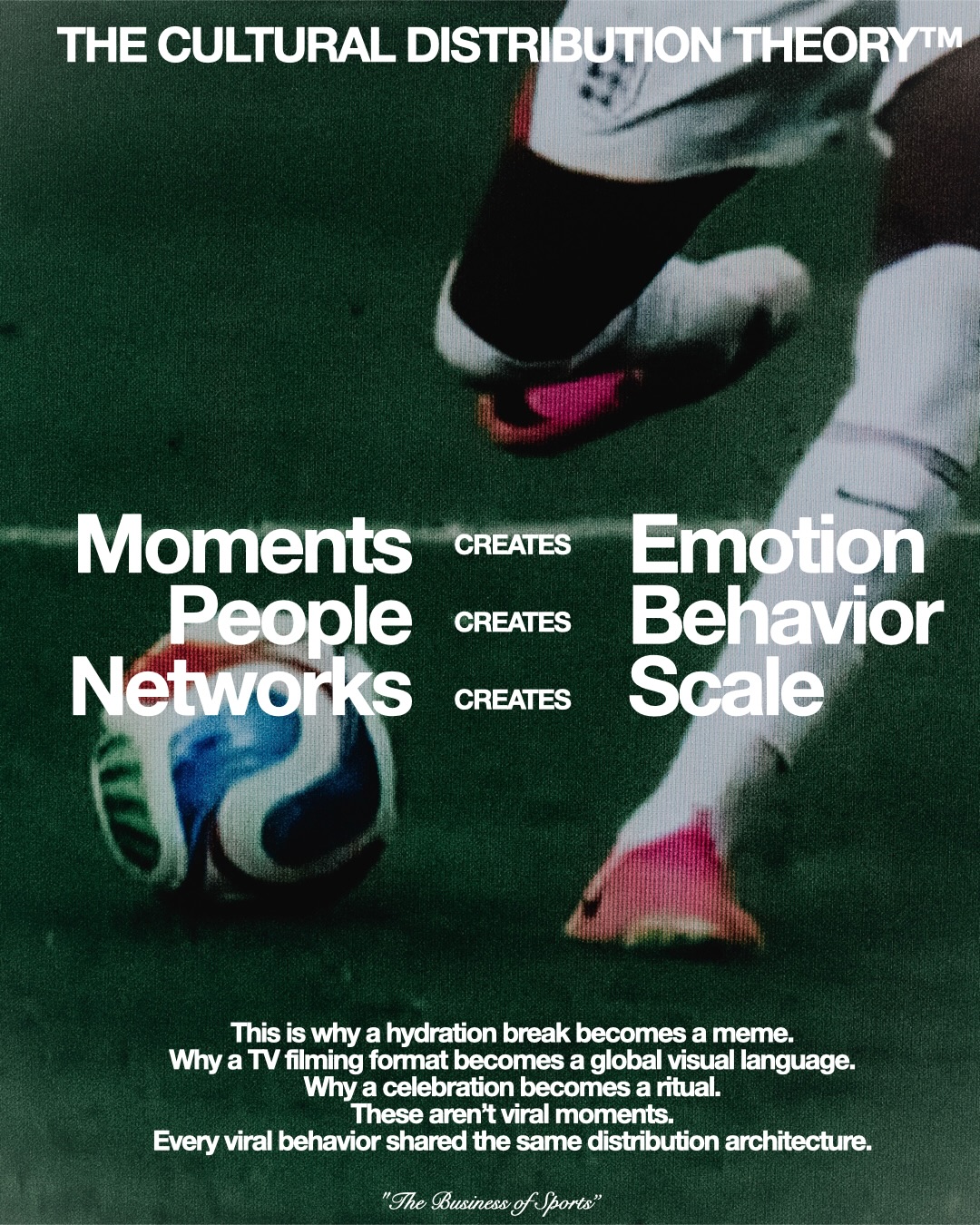
The Business of Sports is betting the opposite instinct pays off, that transparency about method builds more trust than mystery about location. It is the same argument tech companies have with users over data: hide the collection and people get suspicious, publish the dashboard and people forgive the surveillance. A streaming platform programming a release date off real time listener behavior is running the identical play Chapter 2 is running on a stadium concourse.
Forget the Kits. Look at the Clipboard.
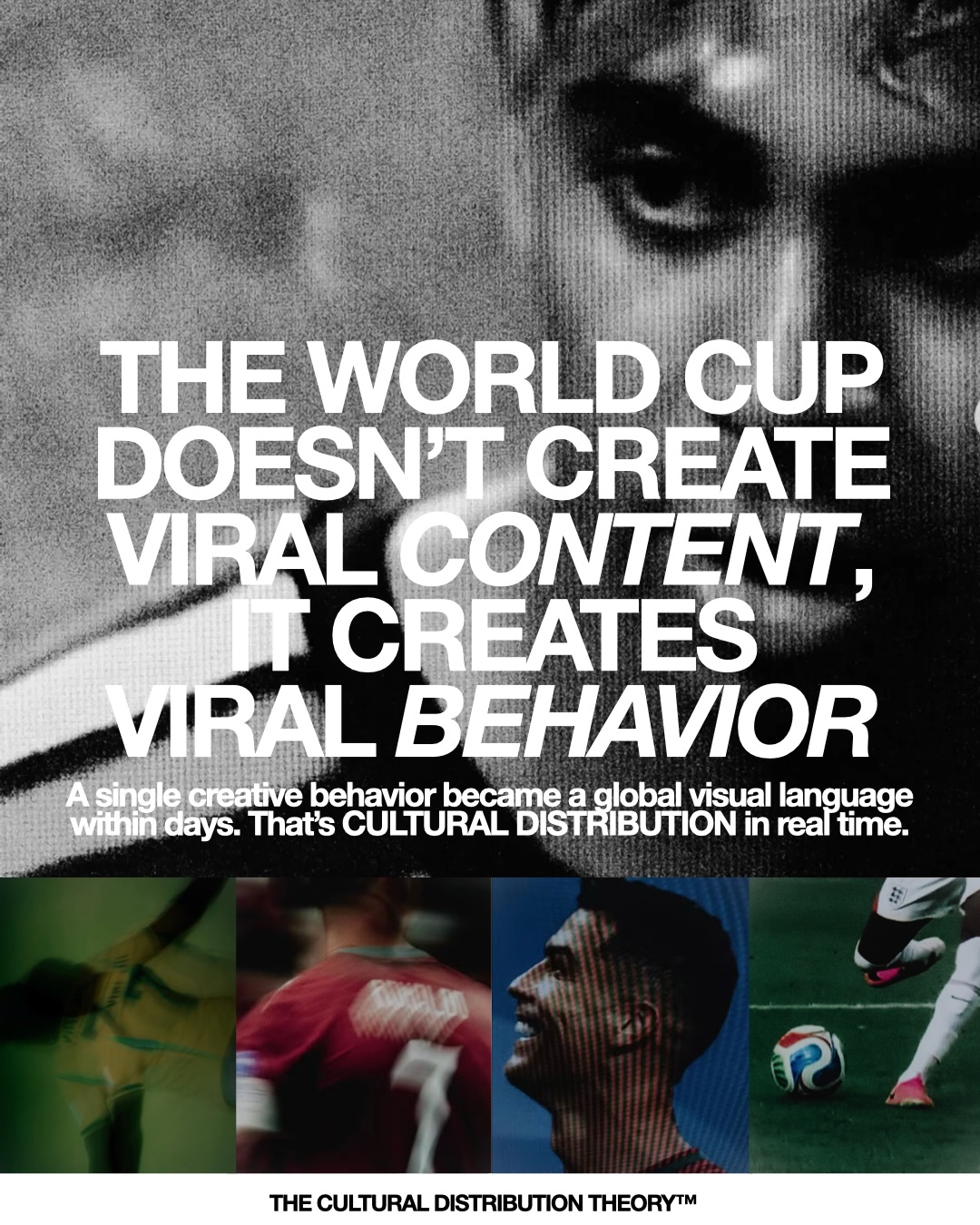
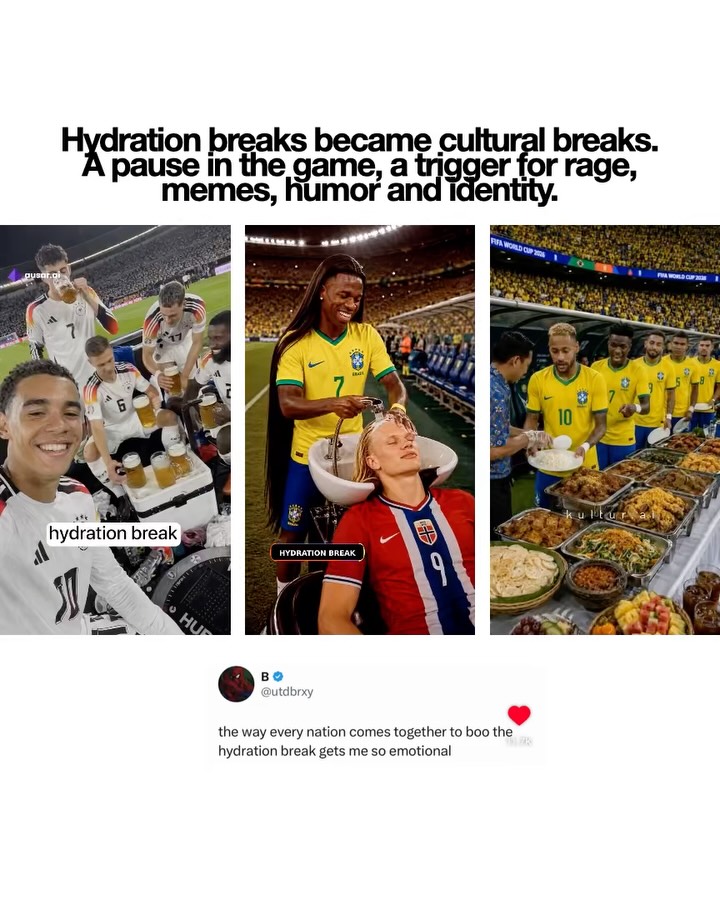
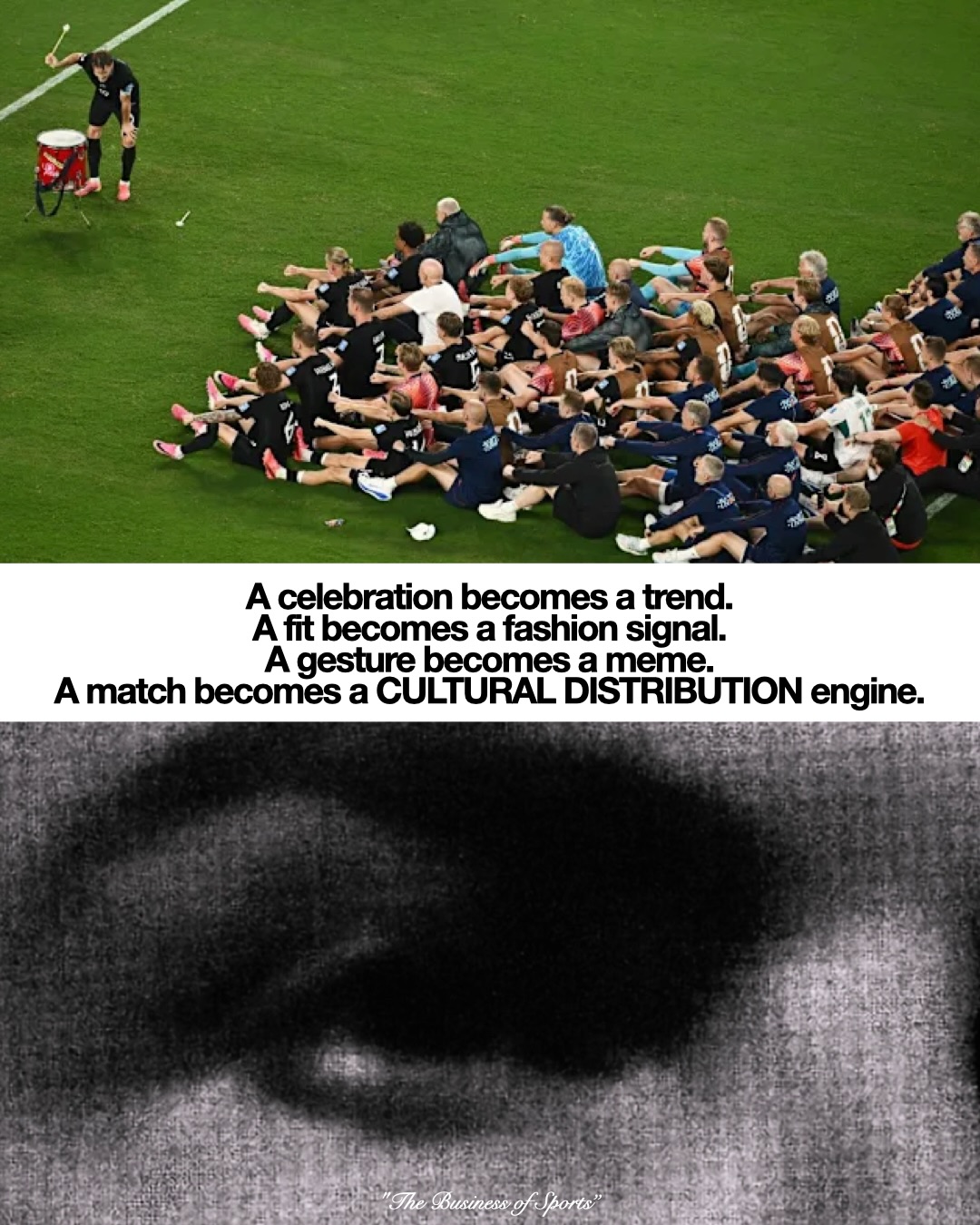
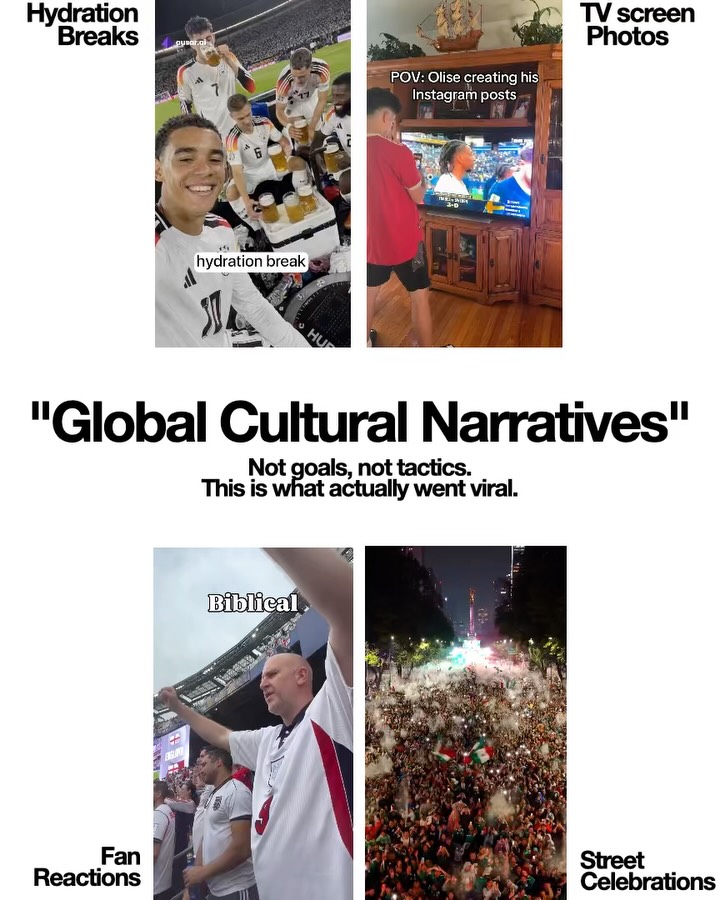
Every major sponsor at this tournament is reading the crowd after the fact. Adidas measures activation turnout once the weekend ends. Bank of America counts how many fan bands got claimed once the line clears. The Business of Sports is collecting that same behavioral signal live, which means when a moment like Cape Verde goalkeeper Vozinha's jump from 46,000 to 18.9 million followers in nine days happens again somewhere in this tournament, a crew already has the dashboard open instead of scrambling to explain it a week later.
This is early, not overrated. A publisher whose Instagram audience grew from 74,826 to 233,866 followers in a single prior year, and now averages more than 51 million video views annually, just pointed that same measurement apparatus at the biggest live sample size in sports: six million ticket buyers spread across three countries and 38 days. The next World Cup marketing budget will get built off a dashboard from Mexico City, not a highlight reel from the final whistle.
Frequently Asked Questions
What is The Business of World Cup Chapter 2?
A field research project running live ethnography, social listening and real time dashboards across Mexico City and New York during the 2026 World Cup, billed by its publisher as an independent cultural intelligence investigation.
How many tickets has FIFA sold for the 2026 World Cup?
FIFA reported more than 6 million tickets sold by June 10, 2026, a figure it called unprecedented, while also claiming 508 million ticket requests came in for about 7 million available seats.
Where does the 2026 World Cup open and close?
The tournament opened at Estadio Azteca in Mexico City on June 11, 2026 and closes at the stadium FIFA calls New York New Jersey Stadium, commonly known as MetLife Stadium, on July 19, 2026.
How many host cities does the 2026 World Cup use?
Sixteen cities split the tournament. Eleven are in the United States hosting 78 matches, and three in Mexico plus two in Canada each host 13 matches.
How much did Adidas spend on 2026 World Cup marketing?
Adidas is estimated to have invested about 400 million dollars across its 2026 World Cup marketing cycle, including a Home of Soccer activation that opened in Mexico City on June 11.
What did Corteiz do differently during the World Cup?
Corteiz ran an 11 city, 6 week pop up tour called RULESTHEWORLDCUP without FIFA licensing, revealing each location roughly 48 hours ahead instead of announcing details upfront.
Is The Business of Sports an independently verified research operation?
It is an established sports business and culture publisher whose Instagram audience grew from 74,826 to 233,866 followers in a prior year. Its World Cup ethnography claims come directly from the account and have not been independently audited.
Who is Vozinha and why does she matter to this story?
Vozinha is Cape Verde's goalkeeper, whose Instagram following jumped from 46,000 to 18.9 million in nine days during the tournament, the kind of real time behavioral spike a live dashboard is built to catch.
Topics: world cup, mexico-city, sports-marketing, adidas, world-cup-2026, brand-strategy, corteiz, social-listening, world-cup, cultural-intelligence, the-business-of-sports