JAFA AND PRINCE SHARE A WALL FOR THE FIRST TIME
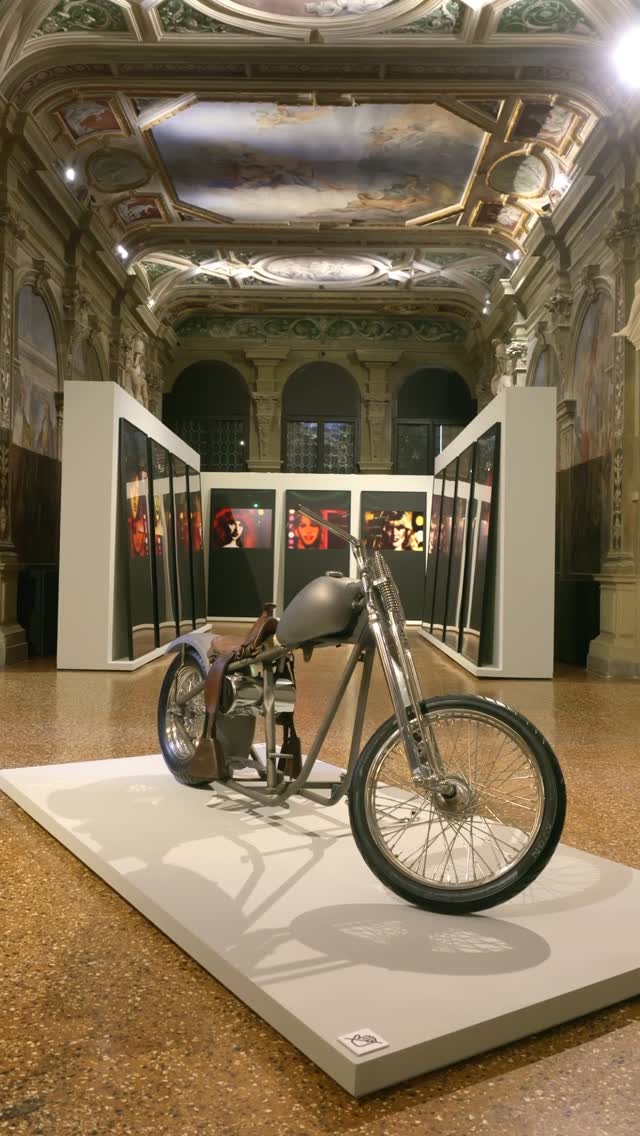
Gagosian shared a video of "Helter Skelter" at Fondazione Prada Venice, the first pairing of Arthur Jafa and Richard Prince, two artists whose appropriation method runs from gallery walls to Jafa's Jay-Z "4:44" video.
Key Points
- "Helter Skelter" at Fondazione Prada Venice pairs Arthur Jafa and Richard Prince for the first time
- Jafa won the Golden Lion at the 2019 Venice Biennale for "The White Album"
- Both artists built careers on appropriation, Prince with images, Jafa with footage
- Jafa's TNEG produced Jay-Z's "4:44" video from appropriated clips
"Helter Skelter" at the Fondazione Prada in Venice stages, for the first time, a creative conversation between Arthur Jafa and Richard Prince. Born a decade apart, the two share an ethos of lawlessness toward appropriation.
Read the credits on both men and the pairing stops looking random. It looks inevitable.
Arthur Jafa Won the Golden Lion in 2019
Jafa took the Golden Lion for best artist at the 2019 Venice Biennale for "The White Album," a roughly forty-minute video essay built from found clips: CCTV, cell phone footage, documentaries. Venice already crowned him once.
That matters because "Helter Skelter" is not an introduction. It is a return to the city that gave him its top prize, this time in conversation with one of the most litigated names in appropriation art. The Biennale energy still hangs over the lagoon, and Gagosian is planting a Jafa show right in it, the same way it staged Aura at AMA Venezia for the Biennale.
Jafa's whole practice is built from other people's images. So is Prince's. That is the actual subject of the room.
Jafa Appropriates Footage, Prince Appropriates Images
Richard Prince made his name rephotographing other people's pictures, from the Marlboro cowboy to other artists' work to strangers' Instagram posts. Jafa builds video from found and borrowed clips. Same instinct, different medium.
"Lawlessness toward appropriation" is the curators' phrase, and it is precise. Both artists treat existing images as raw material rather than off-limits property, which is exactly why both have lived near the edge of what copyright allows. Putting them on the same wall is not a clash. It is a duet between two people who solved the same problem from opposite ends, one in still images, one in moving ones.
The decade between them, Jafa born in 1960 and the older Prince, only sharpens the dialogue. Two generations of the same argument.
Prince carries the longer rap sheet of the two. He rephotographed Marlboro advertisements into his Cowboys series, repainted pulp novel nurses into his Nurse paintings, and printed Instagram posts by strangers as his New Portraits, a body of work that pulled him into copyright suits more than once. Jafa works the same gray zone with found footage, just in motion instead of stills. Putting the two in one room at Fondazione Prada is a curator betting that appropriation is a tradition with its own lineage, not a string of isolated provocations. The wall text writes itself, here is where the borrowed image goes when it grows up.
His 4:44 Video for Jay-Z Was Built From Found Clips
Jafa's company TNEG produced the music video for Jay-Z's "4:44," and the method is identical to his gallery work. Appropriated clips, a Basquiat interview, protest footage, concert documentation of Beyoncé, left to run long instead of cut to rhythm.
That is the music-video credit that makes the Venice show legible. Jafa does not switch techniques between a Biennale and a rap single. He appropriates in both, and the "4:44" video is the most-streamed proof of it. Long before the art world, he shot Julie Dash's "Daughters of the Dust" and won Best Cinematography at Sundance for it, so the eye was trained on film first. The line from a music video built on borrowed footage to a gallery wall of borrowed images is short, the same kind of crossover that lets a Playboi Carti and Travis Scott video double as a cultural document.
Follow the credits and the medium stops mattering. The method is the signature.
Venice Is the Right Room for This Argument
The Fondazione Prada setting is not incidental. Venice is where Jafa was canonized and where the art world's appropriation debate gets its loudest stage, which makes it the correct venue to formalize a Jafa and Prince conversation.
The takeaway is a credits read, not a hot take. Two artists who built careers on using what already exists finally share a space, in the one city that has already validated that exact approach, the same Venice that keeps drawing shows like Amoako Boafo's solo at Palazzo Grimani. Watch the video Gagosian posted and treat it like liner notes. The names on the wall did the same job for decades. Helter Skelter just finally printed them on the same sleeve.
Frequently Asked Questions
What is Helter Skelter?
A show at the Fondazione Prada in Venice staging the first creative conversation between Arthur Jafa and Richard Prince, shared in a Gagosian video tour.
What connects Arthur Jafa and Richard Prince?
Both built their work on appropriation, Prince by rephotographing existing images and Jafa by assembling found footage.
What is Arthur Jafa known for in music?
His company TNEG produced Jay-Z''s '4:44' music video, built from appropriated clips, consistent with his Golden Lion-winning gallery work.
Topics: arthur jafa, fondazione prada, venice, gagosian, travis scott, appropriation, travis-scott, richard prince, playboi-carti, playboi carti, 4:44, prada