Arsham's 1991 Mint Green 964 Arrived From Japan
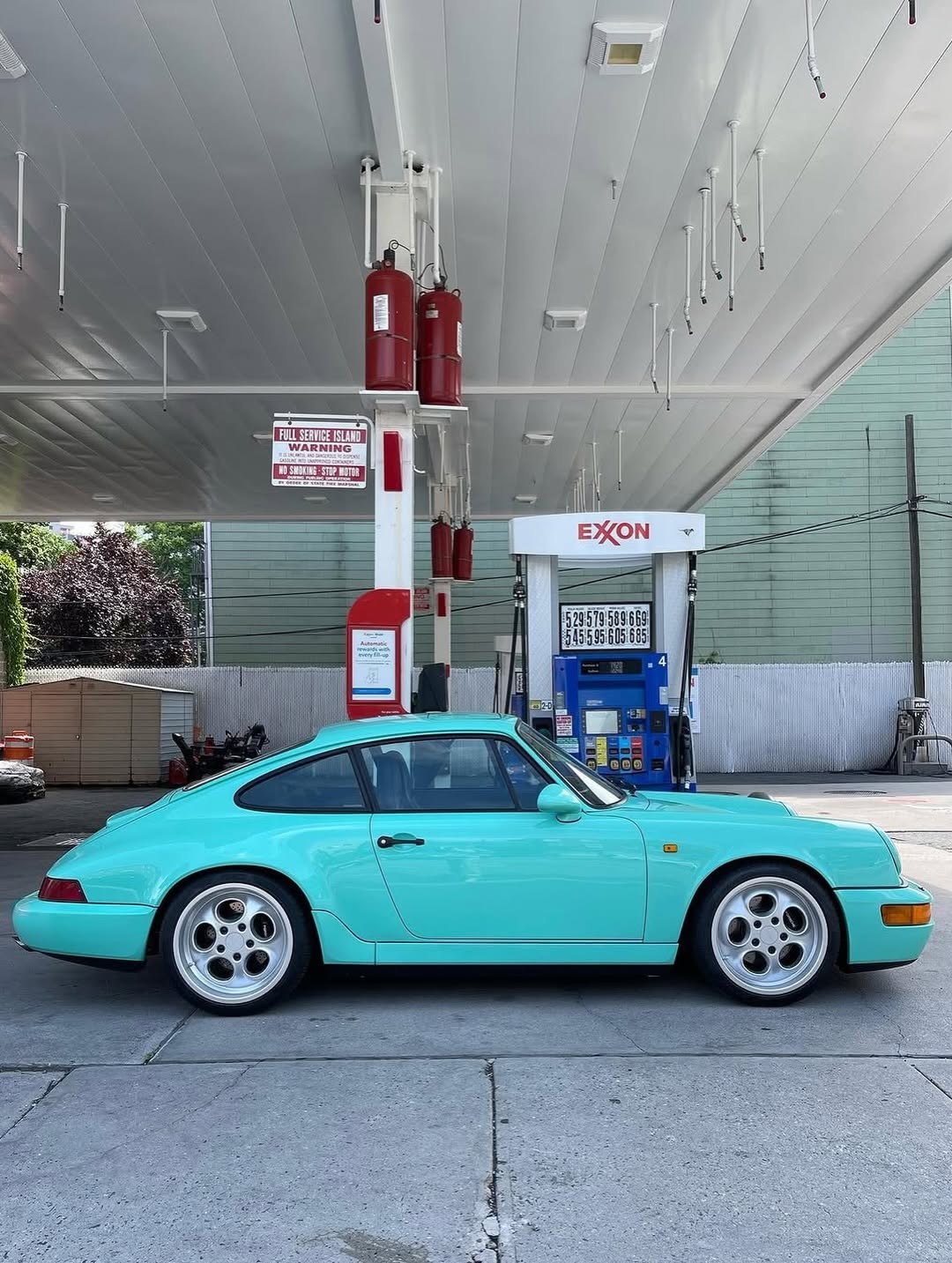
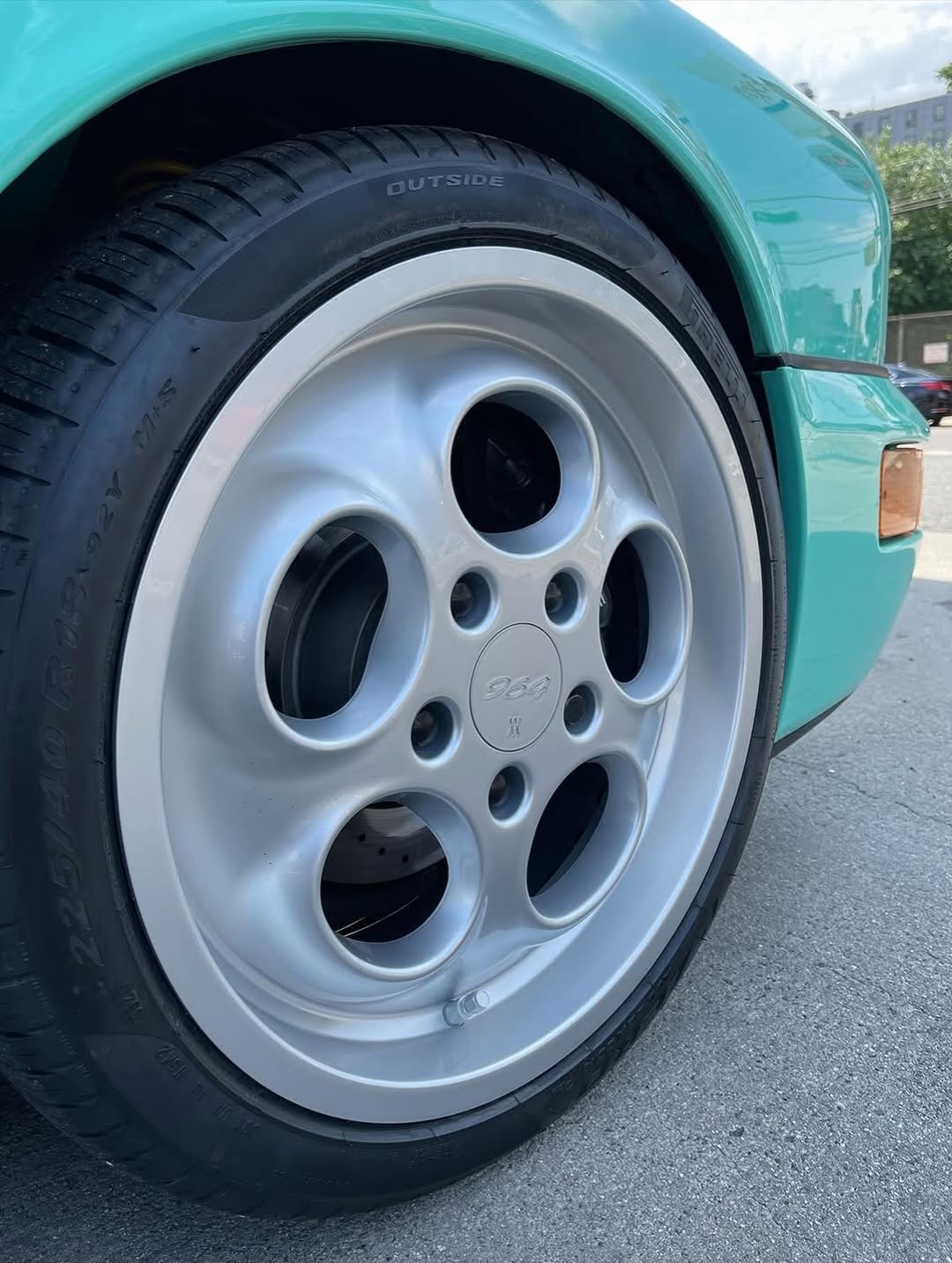
Daniel Arsham's 1991 Porsche 964 from Japan wears factory Mint Green paint with an RS flywheel and Teledial wheels, preserved intact despite Arsham's reputation for artificial erosion.
Key Points
- The Carrera RS flywheel weighs 11 pounds versus the stock 30 pound unit, removing 19 pounds of rotational mass
- Teledial wheels were not in the standard Carrera 2 order catalog and their presence signals a Japan market anomaly
- Japan delivery cars from this era carry import records and original invoices that document full ownership history
- Arsham built a career on artificial erosion but preserved this car completely, modifying only what makes it faster
The flywheel is 11 pounds. That is the number that matters here.
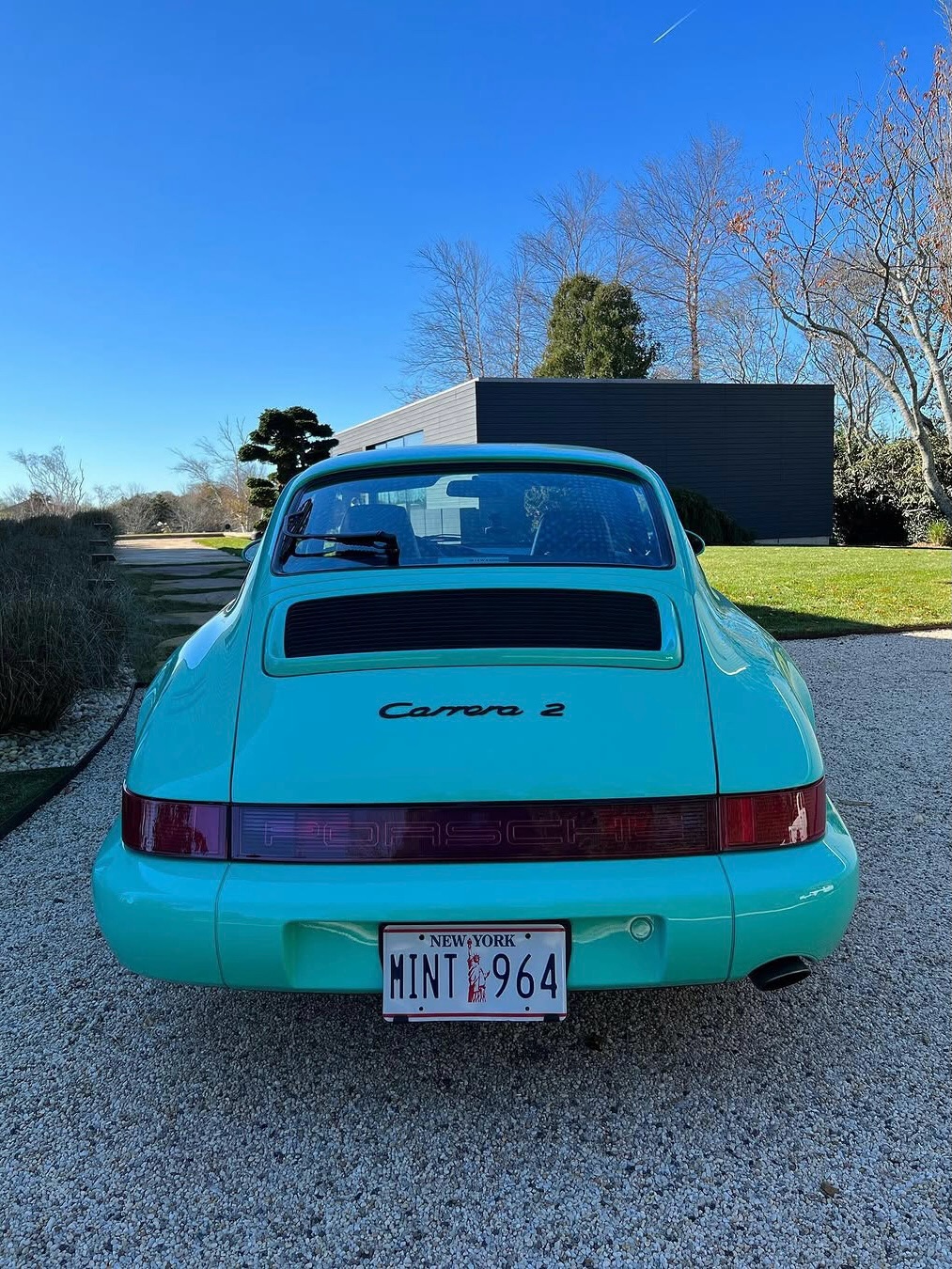
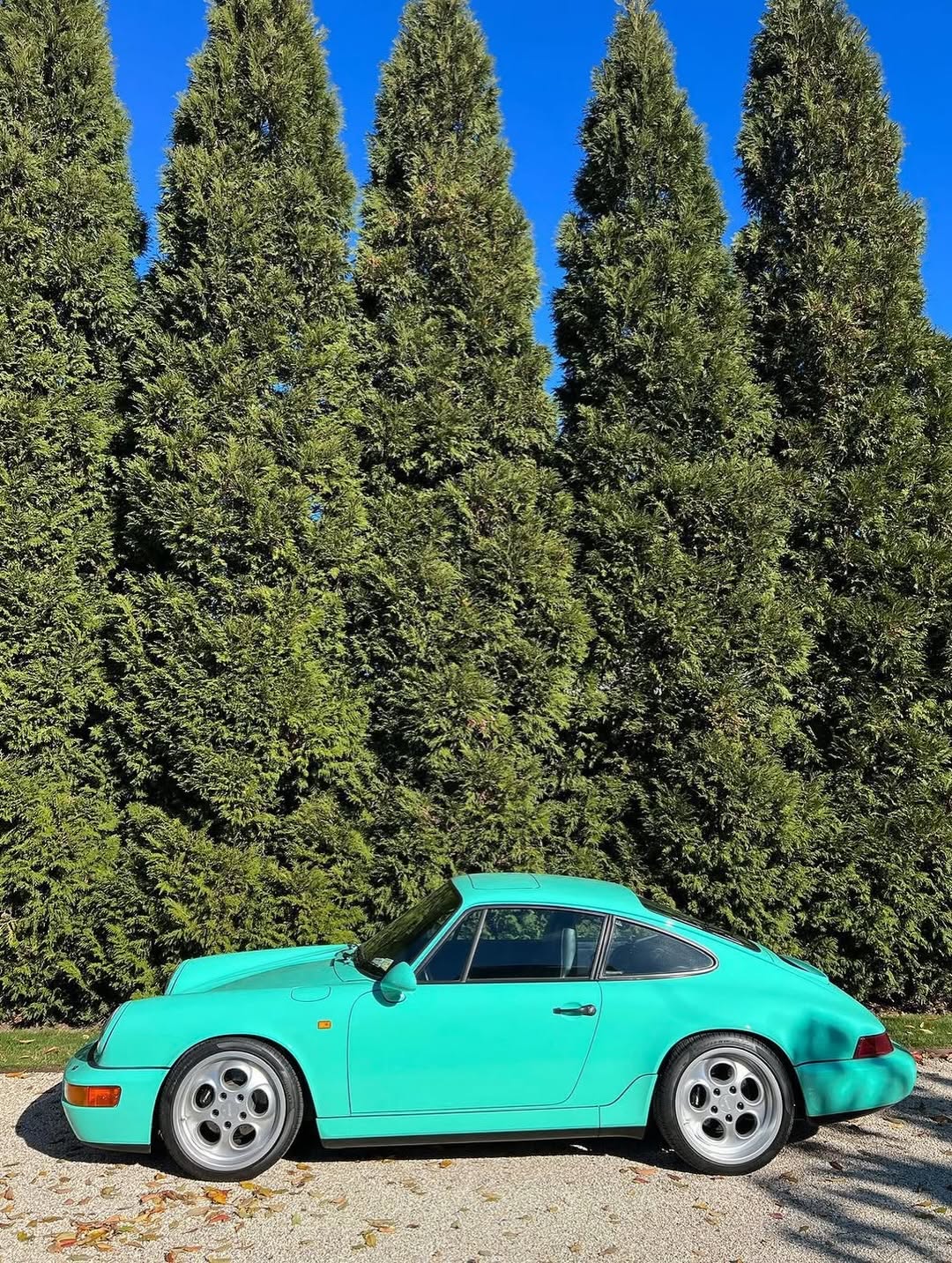
Daniel Arsham's 1991 Porsche 964 Carrera 2 arrived from Japan wearing factory Mint Green paint, an original interior, and a Teledial wheel set that was never in the standard Carrera 2 order catalog. But it is the flywheel that tells you what this car actually is and what kind of collector owns it.
The 964 left Stuttgart with a 30 pound cast iron flywheel. The Carrera RS lightweight unit, Porsche part number 964.102.239.31, weighs 11 pounds. That is 19 pounds of rotational mass removed from the drivetrain. On a car that revs to 6,100 rpm and produces 247 horsepower from a 3.6 liter flat six, those 19 pounds change nothing about the character and everything about the delivery.
The throttle response sharpens. The engine builds and drops revs faster. The single mass billet steel construction eliminates the compliance of the production dual mass unit. It costs more. It does exactly what it promises. Arsham did not ruin this car. He made it more of what it already was.
11 Pounds Off the Flywheel. Zero Change to the Character.
The RS flywheel is a precision machined billet steel component. Single mass means no internal dampening mechanism between the flywheel and the clutch disc. The production dual mass unit absorbs torsional vibration and makes the car more comfortable at low speeds in traffic. The RS unit eliminates that comfort layer deliberately.
What you gain is immediacy. The engine talks to your right foot more directly. At 3,000 rpm the difference is marginal. Above 4,500 rpm it is the only conversation happening in the car.
This is not a modification you install for show. Nobody sees it. The only evidence is in how the car behaves when you push it. On a road car that costs what well specified 964s cost today, that philosophy means something. You are not building for an audience. You are building for yourself.
Teledial Wheels Were Never on the 911 Factory Order Sheet
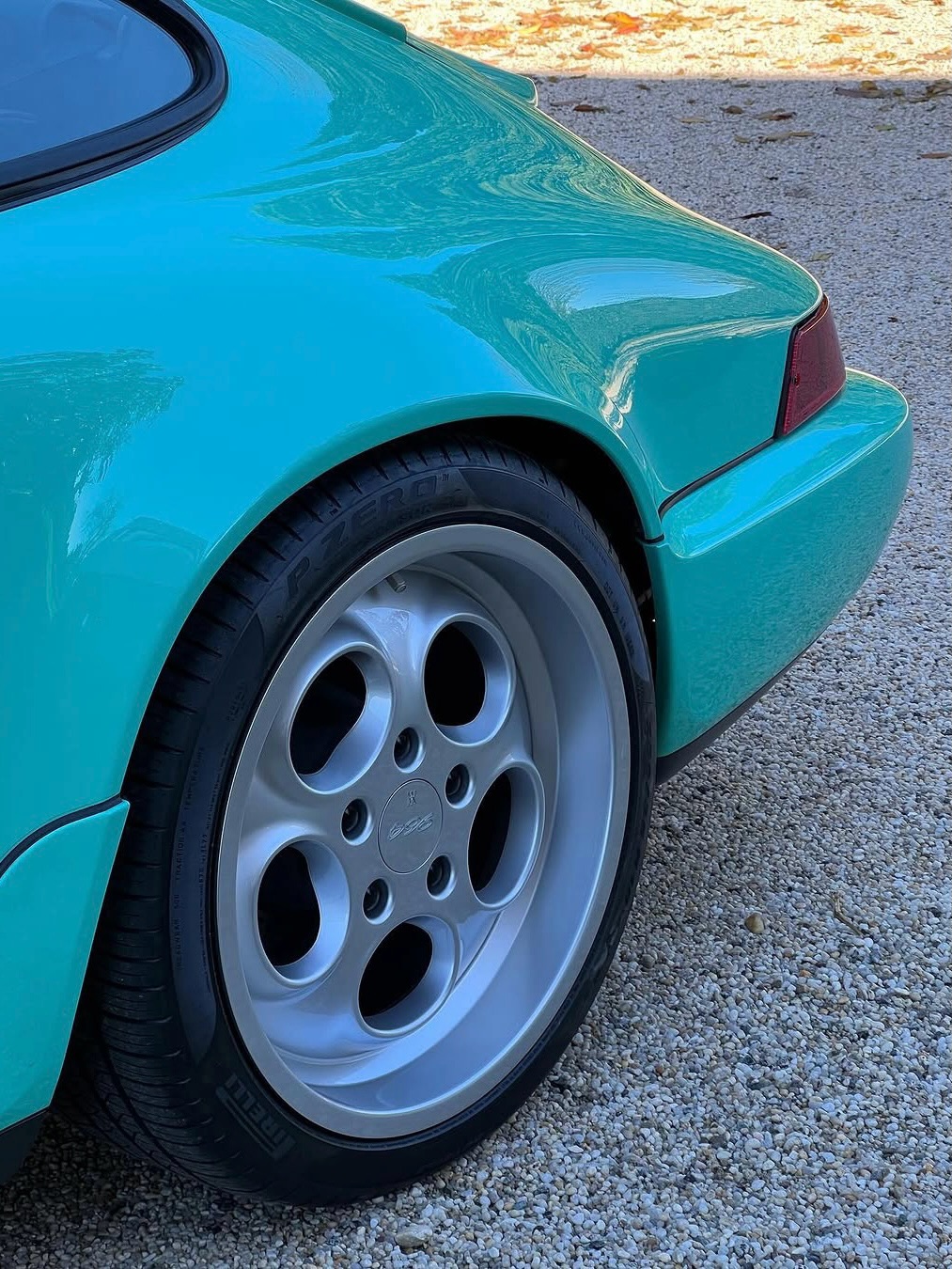
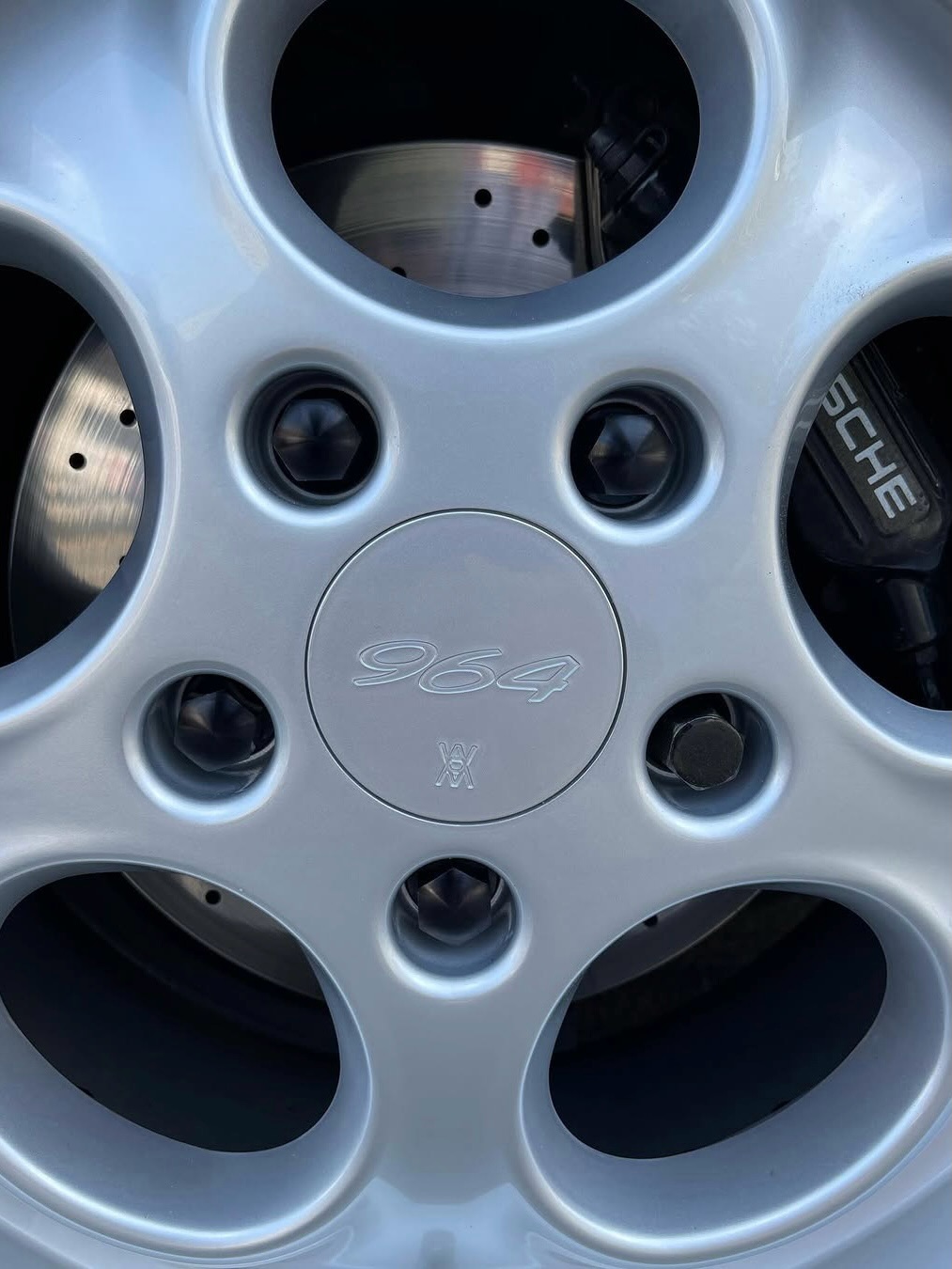
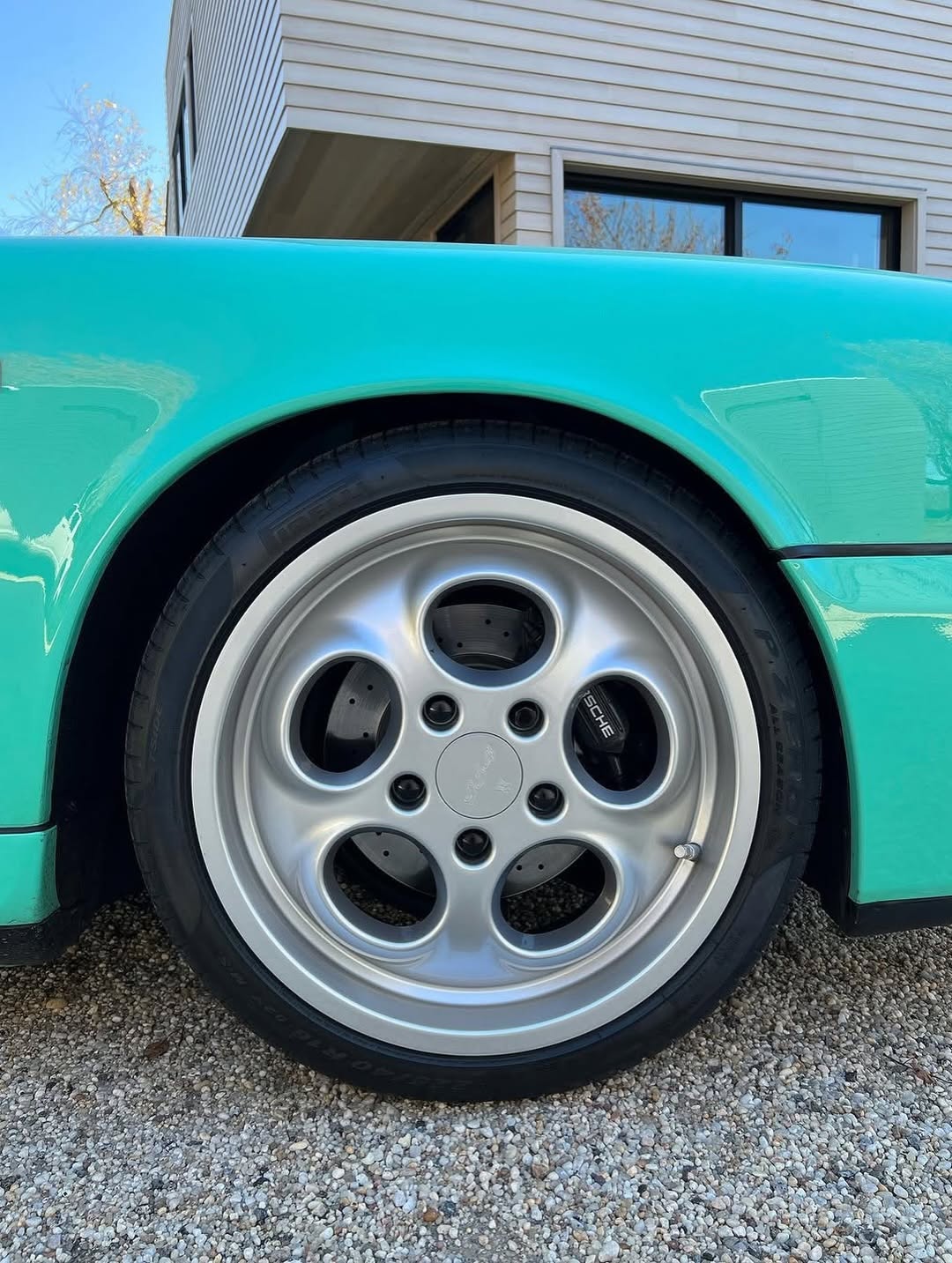
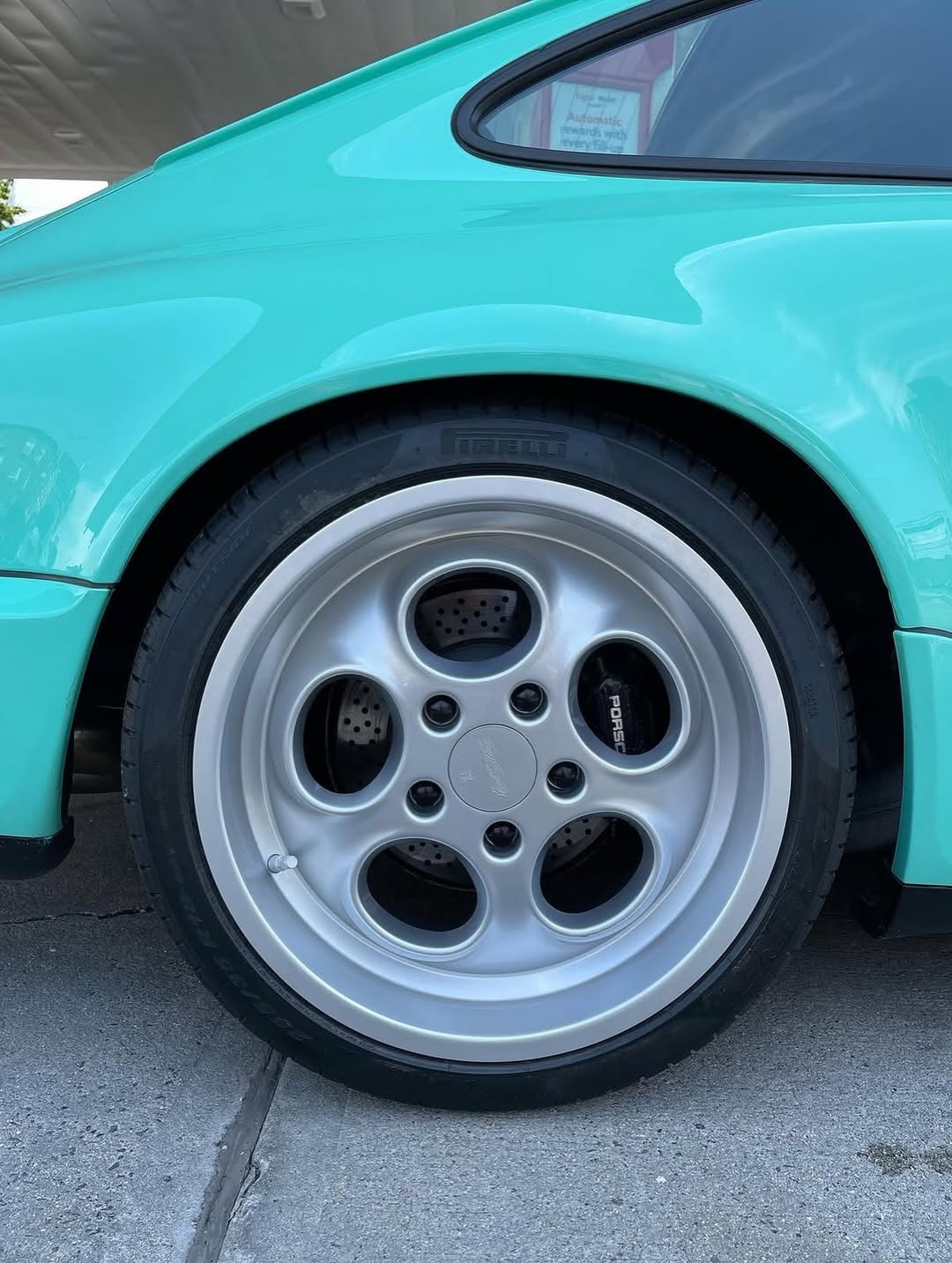
The Teledial wheel was introduced on specific performance variants in the late 1980s. It did not appear in the standard Carrera 2 order book. Finding a 964 wearing them from original fitment requires either a regional market anomaly or a factory order that came through an unusual channel.
Japan was the right market for unusual channels. Japanese Porsche buyers in the early 1990s were among the most specification literate buyers in the world. The domestic market saw configurations that European dealers rarely offered. Specific exterior colors, specific wheel options, specific interior trim combinations that did not exist in the German catalog.
The wheels are 16 inch diameter, five spoke, with a visual proportion that reads leaner than the phone dial alternative of the same period. The design is period correct without being decorative. They do not compete with the bodywork. They complete it.
The aerodynamic benefit on a road car is minimal. The unsprung weight advantage over cast alternatives from the same era is real. The visual argument is stronger than both of those points combined.
For more on Arsham's collaborations with Akira Nakai and the RWB archive, see the first slantnose RWB build.
Japan Delivery Meant Paint Documentation and Collector Provenance
Mint Green is not a color Porsche sold in volume. In 1991, the color sat on the edge of the palette that was expiring as the decade shifted toward darker, more serious tones. It reads between seafoam and white in photographs. In person it shifts with the light, appearing as three different colors depending on the angle and the hour.
Japan delivery documentation for this generation of 911 typically includes import records, domestic registration history, and in many cases the original purchase invoice from the selling dealer. That paper trail is what separates a car with a history from a car with a question mark.
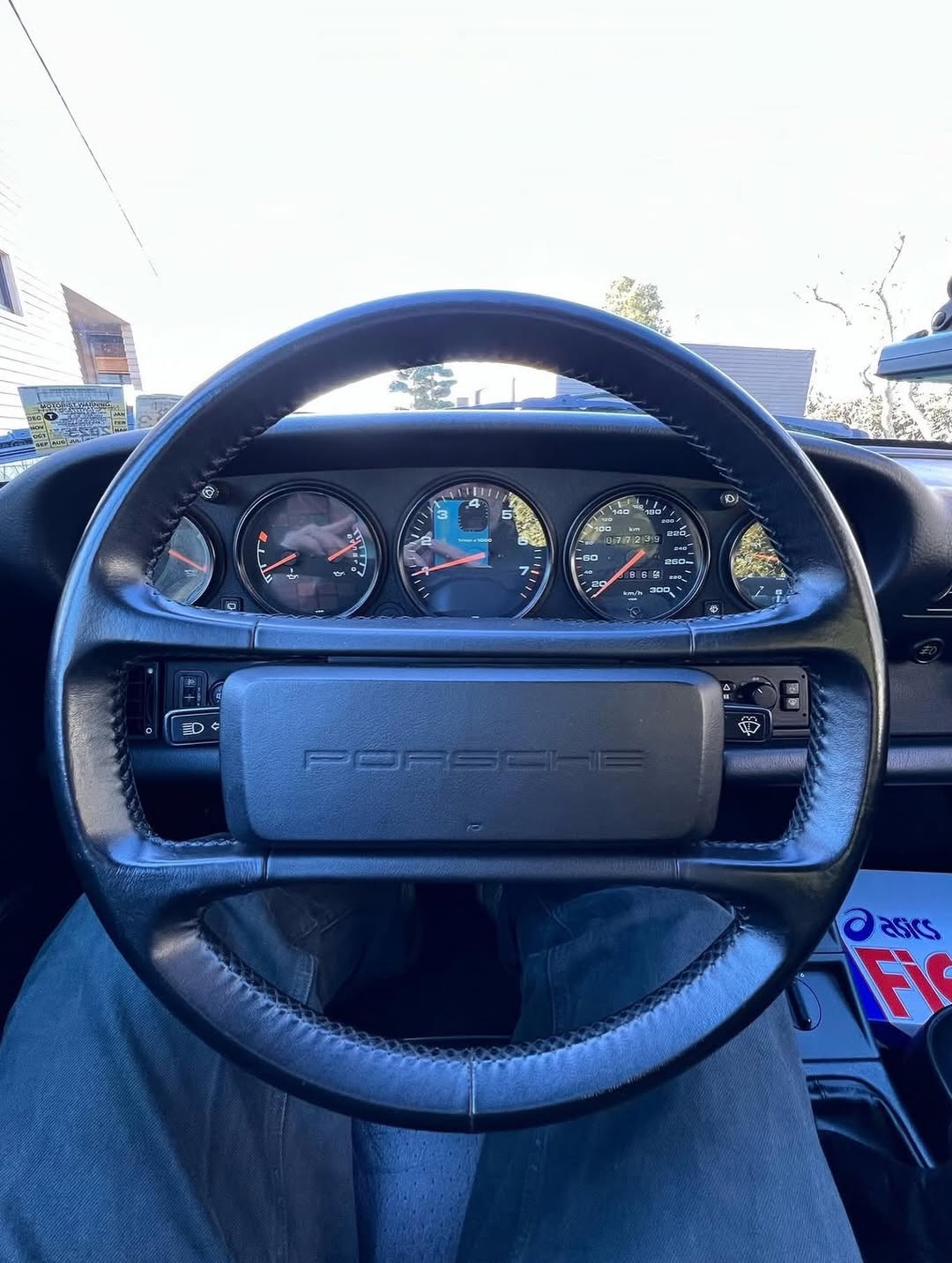
The interior on this example has not been retrimmed. The gauges are original. The switchgear shows its age in the way that honest wear looks different from neglect. Arsham, who has spent more than a decade building a career on objects that look eroded and broken, received this car and chose to leave it intact.
See his approach to Porsche on an actual race grid for the opposite philosophy in action.
Arsham Makes Things Look Broken. This One He Left Intact.
The contradiction is the story. Arsham's studio output from the early 2010s through now has been defined by artificial erosion. Melted cassettes. Crumbling basketballs. Porsche bodies that look like they were excavated from a dig site and placed in a white cube gallery.
This car he preserved. The paint is original. The interior is untouched. The only modifications are mechanical and invisible from the outside. They improve the driving experience without altering what the car communicates to anyone standing next to it.
That is a different kind of restraint than most collectors exercise. Most collectors either preserve everything or change everything. Arsham found the third option: change only what makes the car better at the thing it was designed to do, then stop.
The spec sheet on this car is short. Flywheel. Wheels. Provenance. For context on what the 911 platform looks like at the other end of the market in 2026, the Porsche 992 Sport Classic sits at $276,000 new with a factory herringbone interior and a manual gearbox. Arsham's 964 makes that car look like it is trying too hard. That is the point.
Related: PORSCHE SELLS THE ROAD, NOT JUST THE CAR.
Frequently Asked Questions
What is the Porsche RS flywheel on the 964?
The Carrera RS flywheel (part 964.102.239.31) is a single mass billet steel unit weighing 11 pounds, replacing the stock 30 pound cast iron flywheel to sharpen throttle response without changing the flat six character.
Why do collectors value Japan delivery Porsches?
Japan delivery cars from this era typically include import records, domestic registration history, and original purchase invoices, creating a documented ownership trail that distinguishes them from cars with uncertain histories.
Were Teledial wheels a standard option on the 911 Carrera 2?
No. The Teledial wheel design was introduced on specific performance variants and did not appear in the standard Carrera 2 order book. Their presence on this car indicates a Japan market option not available through European dealers.
Topics: Daniel Arsham, Japan Domestic Market, Porsche 964, Porsche, Automotive, Collector Cars, daniel-arsham, daniel arsham, focus-51-70, porsche, Design