ANDY GONZALES RAN 100 MILES IN BORROWED WAFFLE TRAINERS
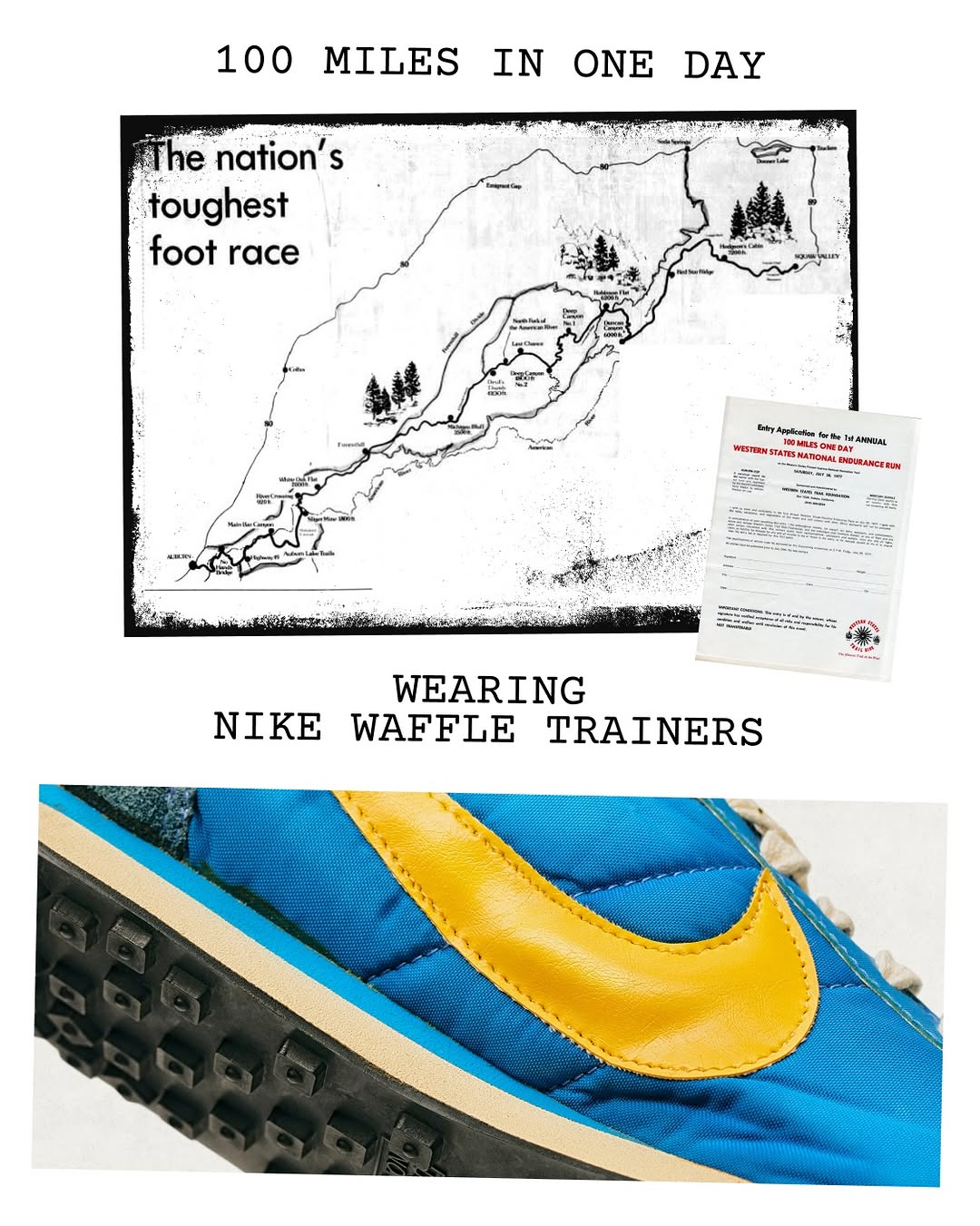
Andy Gonzales won the inaugural Western States Endurance Run on July 30, 1977, completing 100 miles of Sierra Nevada terrain in 22:57 wearing borrowed Nike Waffle Trainers as the only finisher under 24 hours in a 15-person field. Nike launched All Conditions Gear in 1989 to address the outdoor performance gap Gonzales exposed, and the All Conditions Racing Department now includes 22 athletes who train and race on the Ultrafly, whose predecessor Caleb Olson used to win Western States 2025. The 53rd edition starts June 27, 2026 at Palisades Tahoe, the same mountain where Gonzales lined up for $10 in 1977.
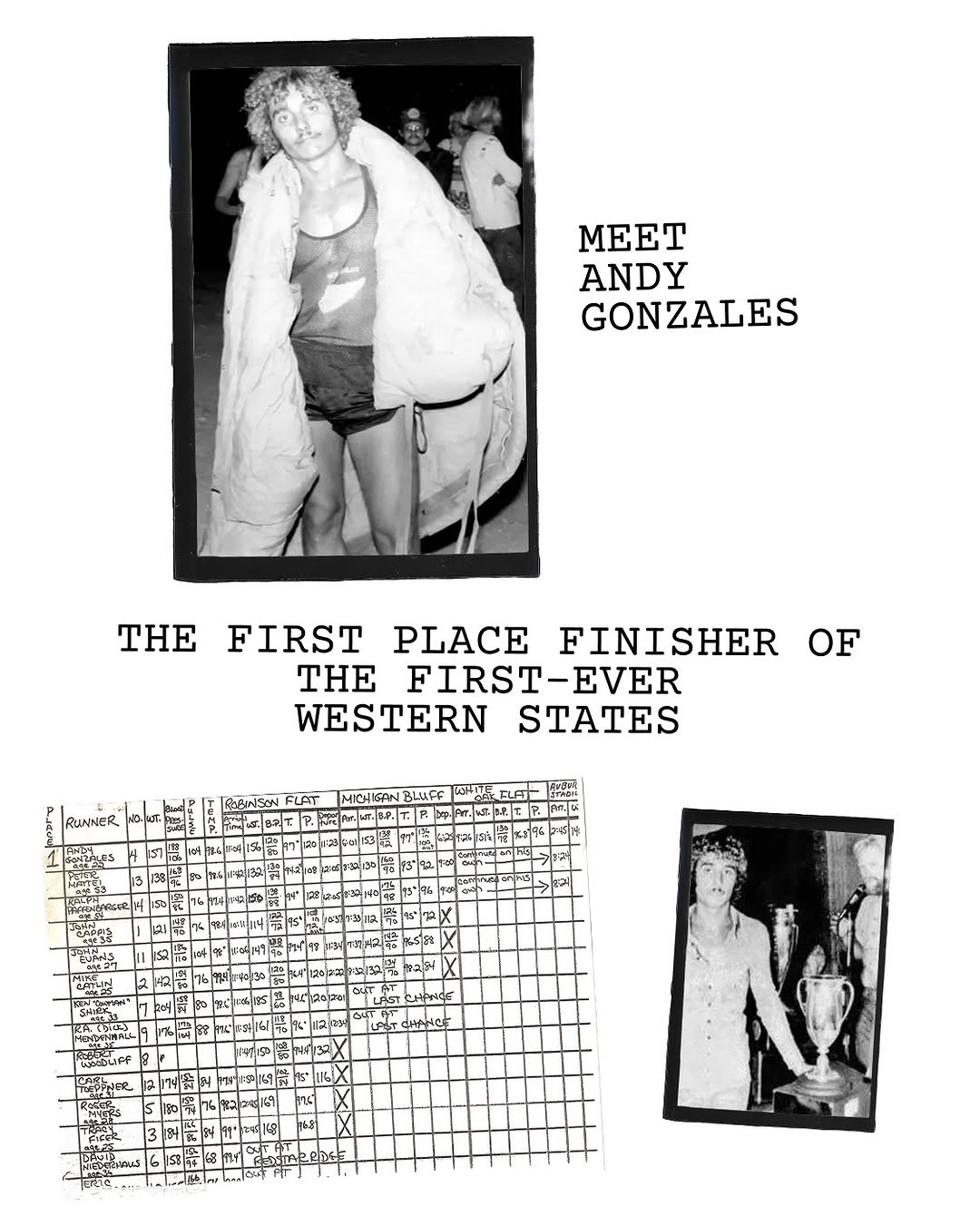
Key Points
- Andy Gonzales won the 1977 Western States in 22:57, the sole finisher under 24 hours, in borrowed Nike Waffle Trainers.
- Nike patented the Waffle sole on February 26, 1974, three years before the first human division ran at Western States.
- Caleb Olson, an All Conditions Racing Department athlete, won 2025 Western States on the Nike ACG Ultrafly.
Fifteen people paid $10 each to line up at Squaw Valley on July 30, 1977. No hydration packs, no energy gels, no GPS watches, no trail shoes built for 100 miles of mountain terrain. Andy Gonzales, 22 years old, wore a pair of borrowed Nike Waffle Trainers and ran 100 miles through the Sierra Nevada alongside more than 100 horses and riders on the Tevis Cup course. He finished in 22 hours and 57 minutes. Nobody else crossed under 24 hours. He was the first winner of the Western States Endurance Run, and he did it in a road shoe that had no business surviving that terrain.
Nike ACG posted the story this week, archival photographs from the Shannon Weil Collection and the Western States Trail Foundation, in the days before the 53rd edition of the race. The caption asks the question the run has carried for nearly 50 years: why would anyone run 100 miles?
July 30, 1977. Fifteen Humans and a Mountain.
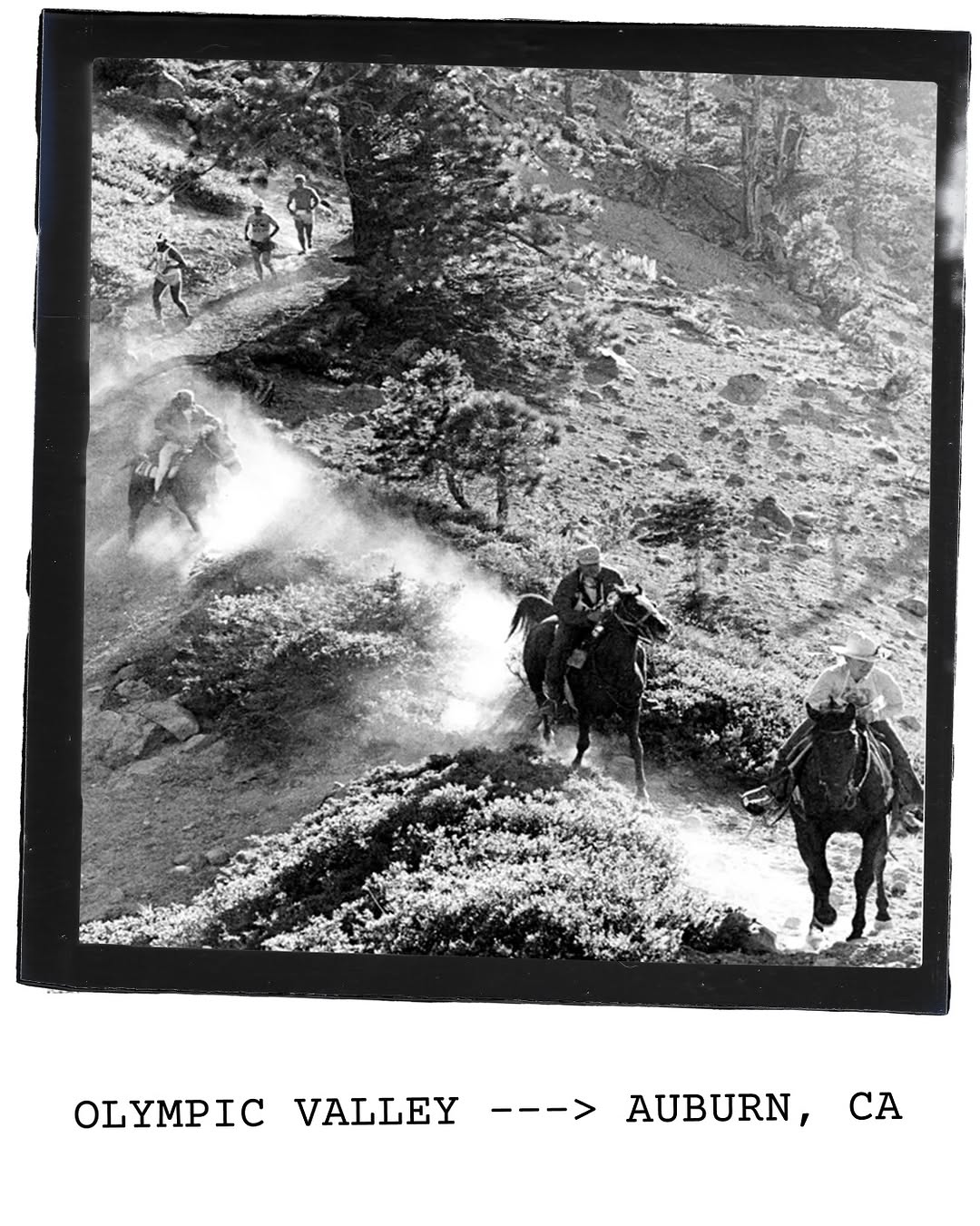
The Western States Endurance Run did not start as a running race. In 1974, Gordy Ainsleigh entered the Tevis Cup, a 100 mile equestrian endurance ride from Squaw Valley to Auburn, California. His horse was injured and could not compete. Ainsleigh ran the course on foot, finishing in 23 hours and 42 minutes, demonstrating that a human being could cover the same ground as a dedicated endurance horse. Three years later the race added a human division. Fifteen runners entered for $10 each, Gonzales among them, lining up alongside the Tevis Cup horses and riders. The course climbed 18,000 feet and dropped 23,000. Through granite ridges, river crossings, and the canyons of the American River watershed. Gonzales finished first among the humans at 22:57, the only finisher under 24 hours. The 2026 field has 370 starters and the community surrounding trail racing at Palisades Tahoe has grown into a full infrastructure of its own around these same mountains. In 1977 there were fifteen entrants and no infrastructure at all.
Bill Bowerman Built the Sole in a Waffle Iron
Bill Bowerman, Nike cofounder and University of Oregon track coach, pressed urethane rubber into his wife's waffle iron in 1971 and produced a sole with better grip and less material weight than anything available to distance runners at the time. Nike filed for the U.S. patent on February 26, 1974. The Waffle Trainer debuted the same year. It was designed for track surfaces and road running, not for granite, not for sustained descents through a Sierra Nevada canyon, not for the kind of repeated impact that comes with 23,000 feet of elevation loss across a hundred miles.
The shoe Gonzales wore in 1977 was a road flat with a waffle grid rubber outsole, borrowed from someone else. The Waffle Trainer had real merit for its era: lighter than the crepe soled alternatives, better traction relative to the surfaces it was designed for. What it lacked was a rock plate, a structured heel counter built for mountain descent, and any of the forefoot lug geometry that defines purpose built trail shoes in 2026. The fact that Gonzales finished at all says more about the runner than the footwear. In the summer of 1977, the cultural conversation in America was punk rock, the Ramones, and the collapse of disco. Gonzales' finish in the Sierra Nevada barely registered in the sports pages. Nike would not address the outdoor performance gap he exposed until 1989, when it launched All Conditions Gear, a 12-year lag between the proof and the product.
ACG Has Been Building Toward Western States Since 1977
Nike launched All Conditions Gear in 1989, twelve years after Andy Gonzales demonstrated that athletes would take performance footwear into outdoor conditions no manufacturer had addressed. ACG was the formal acknowledgment of that gap. In 2026, the brand restructured its trail racing program into the All Conditions Racing Department, a 22-athlete team competing across mountain and trail circuits. The team's primary shoe is the ACG Ultrafly, developed across 13 rounds of testing and more than 30,000 accumulated miles before release. Caleb Olson, an All Conditions Racing Department athlete, won the 2025 Western States Endurance Run in the Ultrafly. The jump from borrowed Waffle Trainer to specifically engineered trail racing shoe took 48 years.
Finally Offline covered the ACG Zegama Hike's ankle cuff system and how it handles debris at speed earlier this year. The Zegama Hike and the Ultrafly share the same ACG design logic: solve for conditions that road shoes fail at. The 48-year arc from Gonzales' borrowed Waffle Trainer to the Ultrafly is the product development timeline ACG has been building since the year it launched.
The Waffle Trainer Did Not Belong There. That Was the Point.
Western States 100 starts June 27 at Palisades Tahoe, the resort formerly known as Squaw Valley. The same ridgeline, the same base, renamed. The women's field is led by defending champion Abby Hall. Four-time champion Jim Walmsley returns for the men alongside 2011 champion Kilian Jornet, widely regarded as the most accomplished mountain runner alive. 370 starters on a course with 23,000 feet of descent. The Waffle Trainer was a road shoe pressed into conditions it was not engineered for, and it stands as the founding argument for outdoor performance footwear that came after it. Nike ACG posting Gonzales' story before the 53rd edition is that argument rendered in archival form.
The 53rd edition answers the same question Gonzales answered in 1977. Not whether a shoe can handle 100 miles of Sierra Nevada. Whether a person can decide to.
Frequently Asked Questions
Who won the first Western States 100 in 1977?
Andy Gonzales won the inaugural Western States Endurance Run on July 30, 1977, finishing in 22 hours and 57 minutes as the only finisher under 24 hours in a 15-person human field.
What shoes did Andy Gonzales wear at the first Western States?
Andy Gonzales wore borrowed Nike Waffle Trainers, a road running shoe patented in February 1974, not a trail shoe built specifically for mountain terrain.
When does the Western States 100 take place in 2026?
The 53rd Western States Endurance Run starts June 27, 2026 at Palisades Tahoe, formerly Squaw Valley, in California.
How many runners are in the 2026 Western States 100?
The 2026 Western States 100 has 370 starters, compared to just 15 human entrants in the inaugural 1977 race.
What is Nike ACG's All Conditions Racing Department?
The All Conditions Racing Department is Nike ACG's 22-athlete trail racing team competing across mountain and trail circuits using the ACG Ultrafly shoe.
What shoe does Nike ACG use for trail racing in 2026?
Nike ACG's primary trail racing shoe is the Ultrafly, developed over 13 rounds of testing and 30,000 miles. Caleb Olson used it to win the 2025 Western States Endurance Run.
Who invented the Nike Waffle Trainer sole?
Bill Bowerman, Nike cofounder and University of Oregon track coach, invented the Waffle Trainer sole by pressing urethane rubber into a waffle iron in 1971. Nike received the patent on February 26, 1974.
Is Nike ACG the same as Nike trail running?
Nike ACG (All Conditions Gear), launched in 1989, is Nike's dedicated outdoor performance line. The trail racing team was renamed the All Conditions Racing Department in 2026 and now operates fully under ACG.
Topics: racing-department, fashion, nike acg, outdoor, nike-acg, western-states-100, waffle-trainer, trail-running, andy-gonzales, nike, ultra-endurance