ZHA's Théâtre Royal de Rabat Seats 1,821 by the River
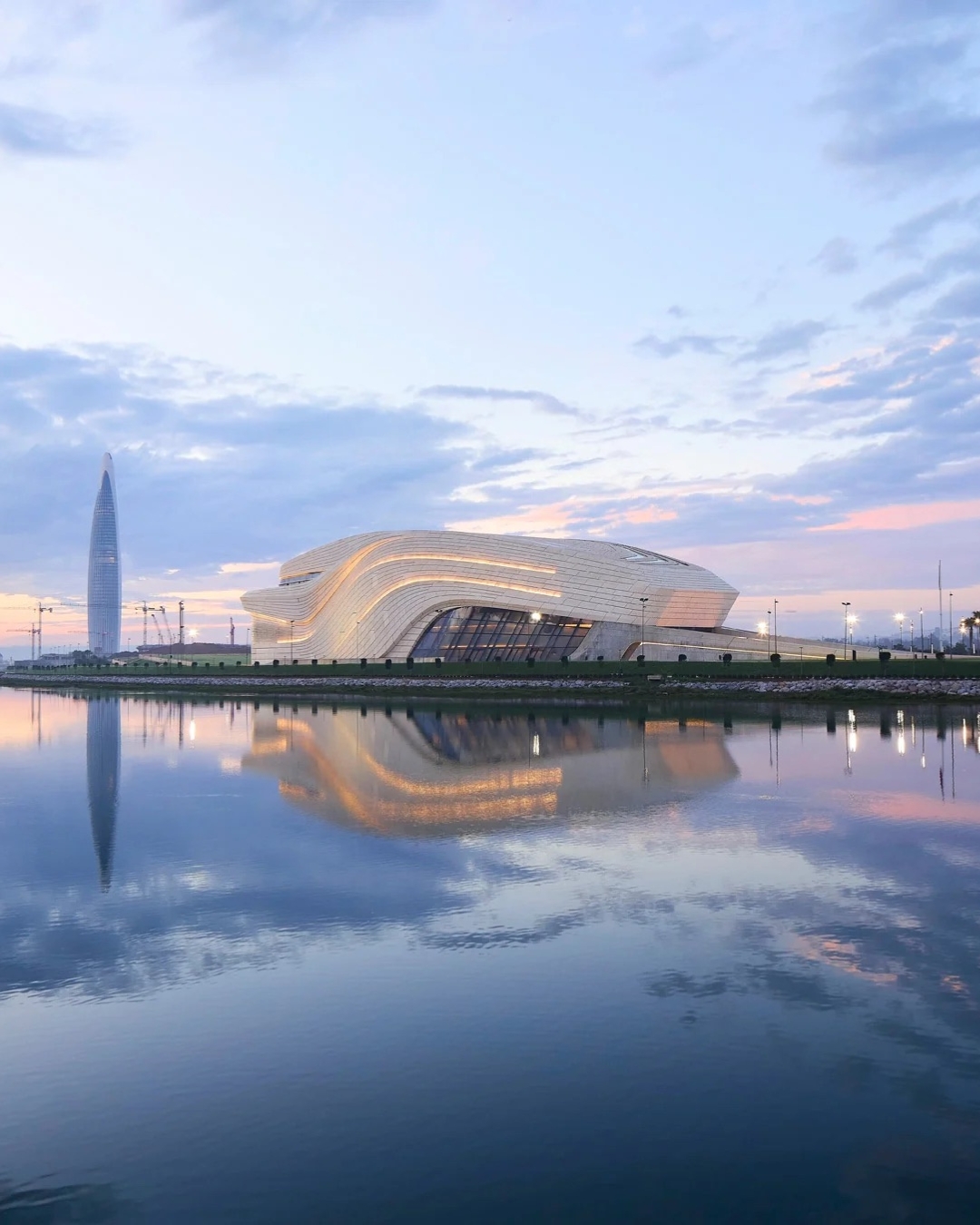
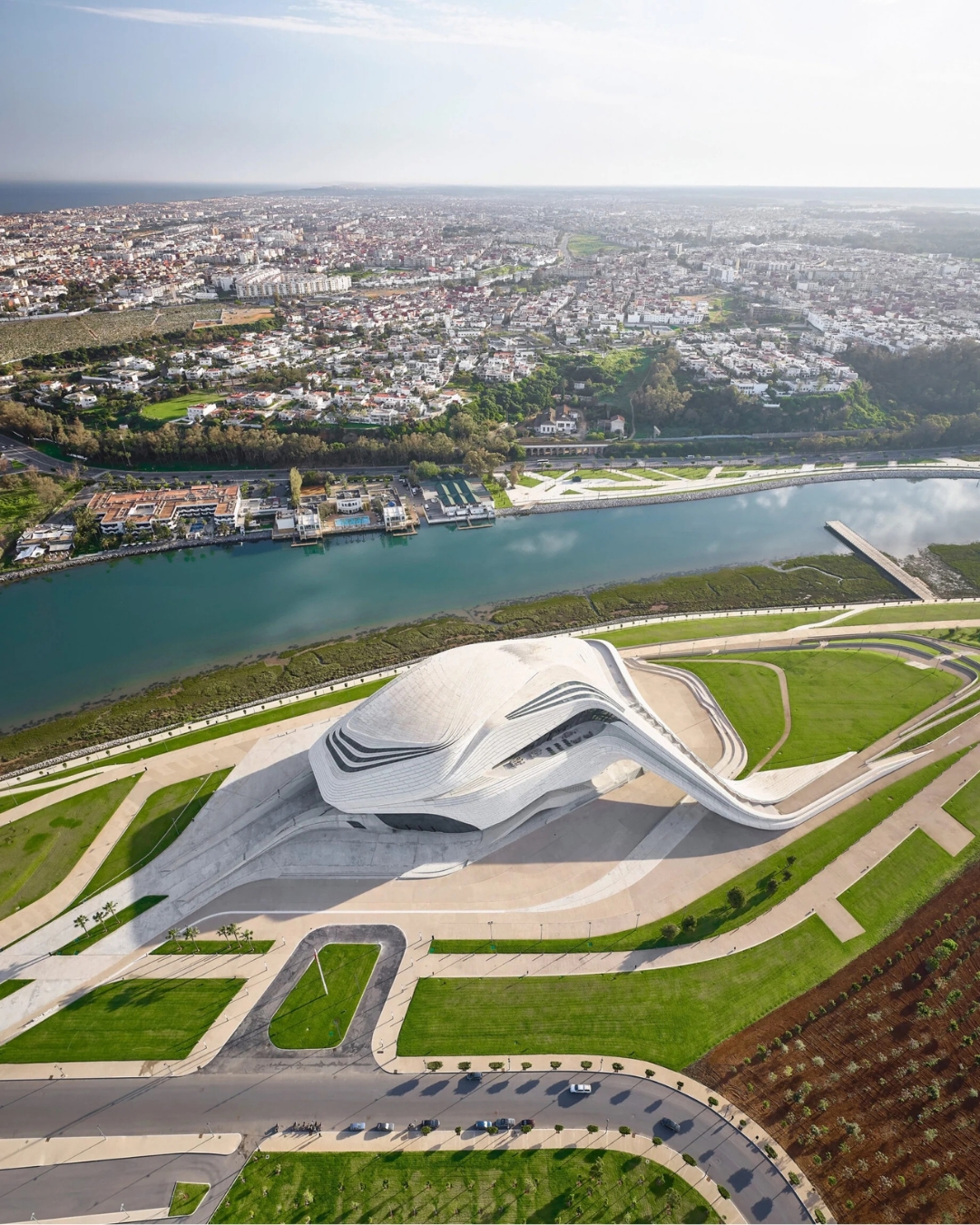
The Théâtre Royal de Rabat, designed by ZHA (formerly Zaha Hadid Architects), is a national theatre on the Bouregreg river between Rabat and Salé whose sweeping form takes cues from the riverbank and encases three performance spaces: a 1,821 seat main hall, a second hall of about 250 and a 7,000 person outdoor amphitheatre. It is ZHA's first completed project in Africa, sits near the Mohammed VI Tower, Morocco's tallest building, and opened to audiences in April 2026.
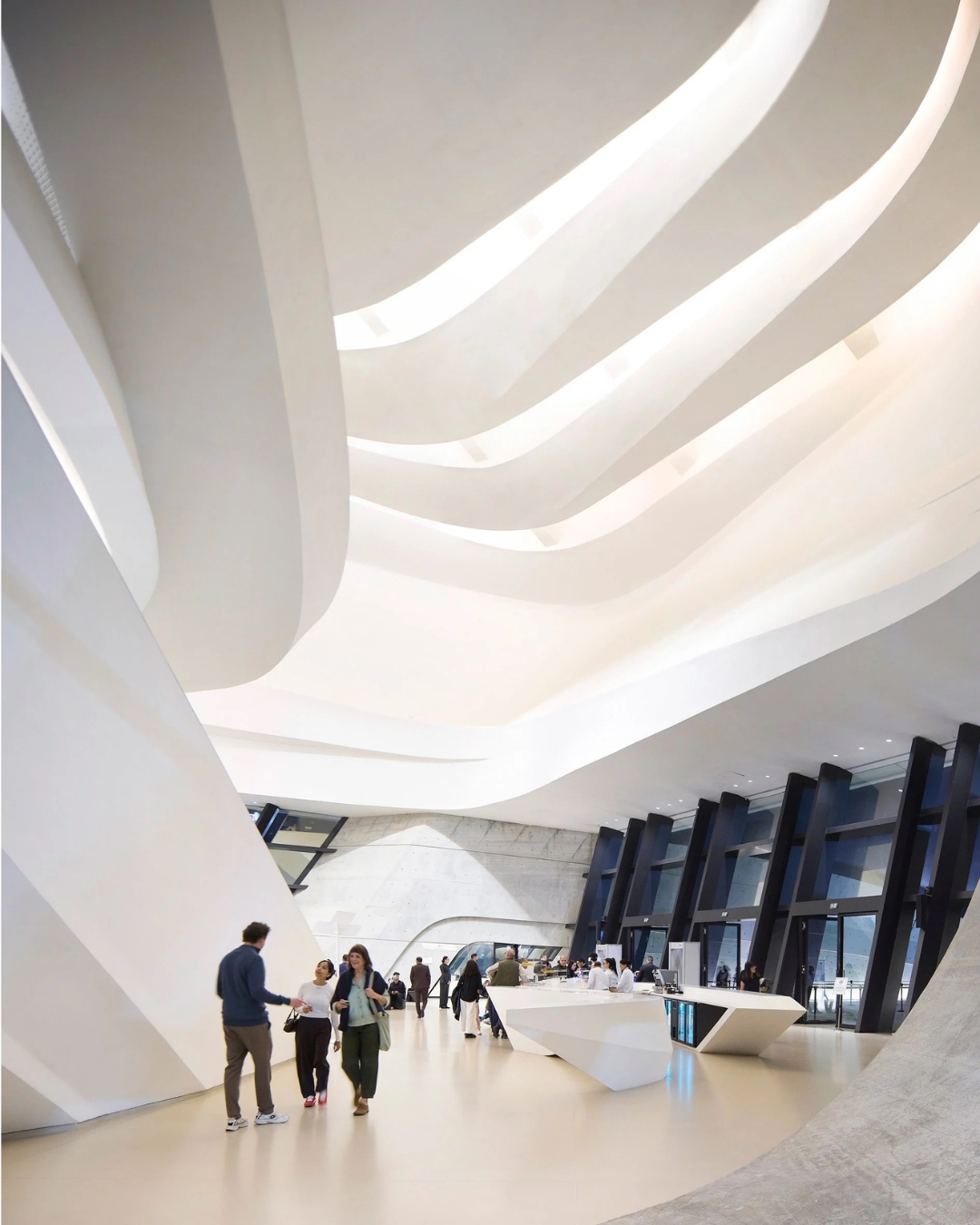
Key Points
- ZHA's Théâtre Royal de Rabat holds a 1,821 seat hall, a 250 capacity hall and a 7,000 person amphitheatre.
- It stands on the Bouregreg between Rabat and Salé, near the Mohammed VI Tower, Morocco's tallest building.
- It is ZHA's first completed project in Africa, designed by Zaha Hadid with Patrik Schumacher.
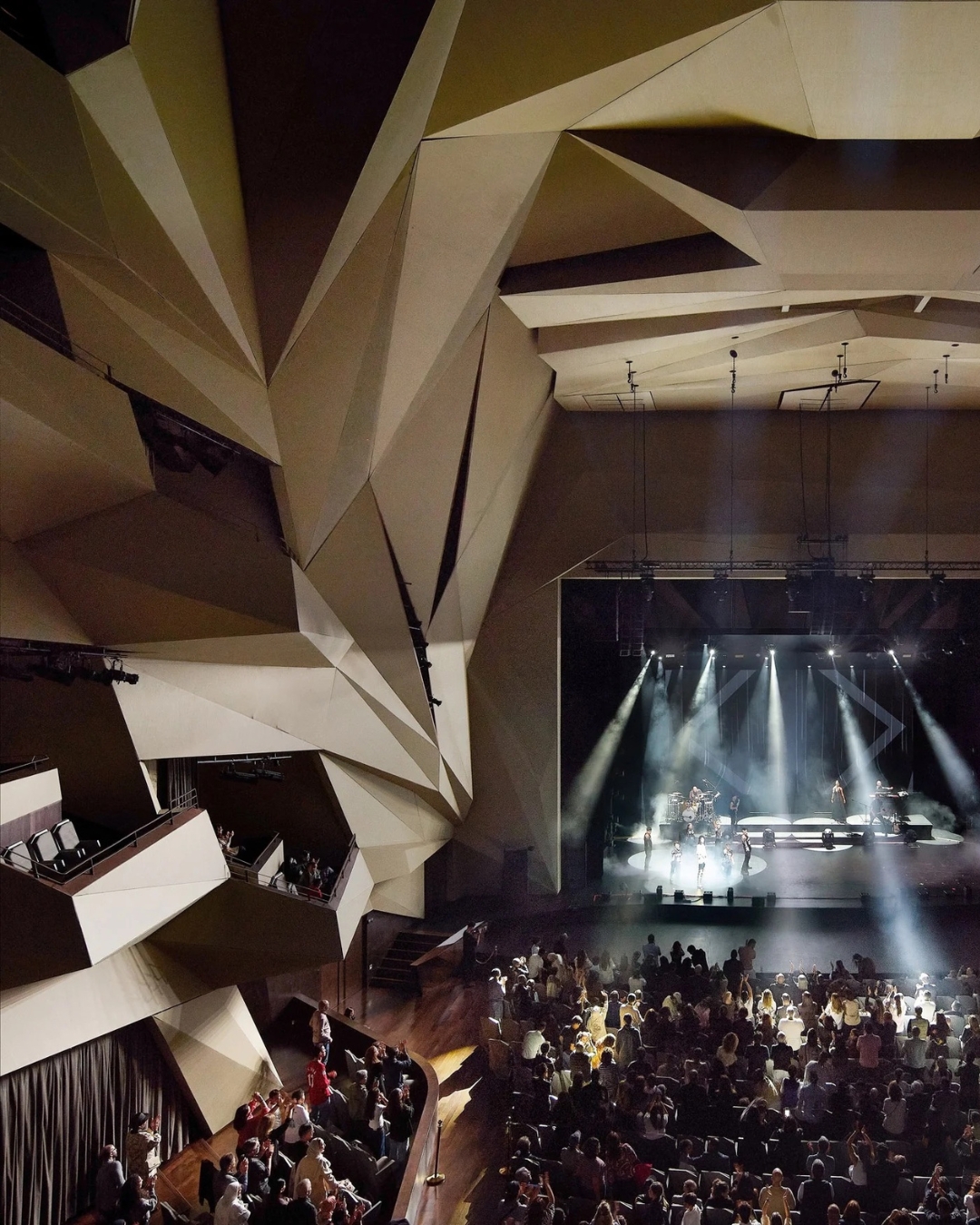
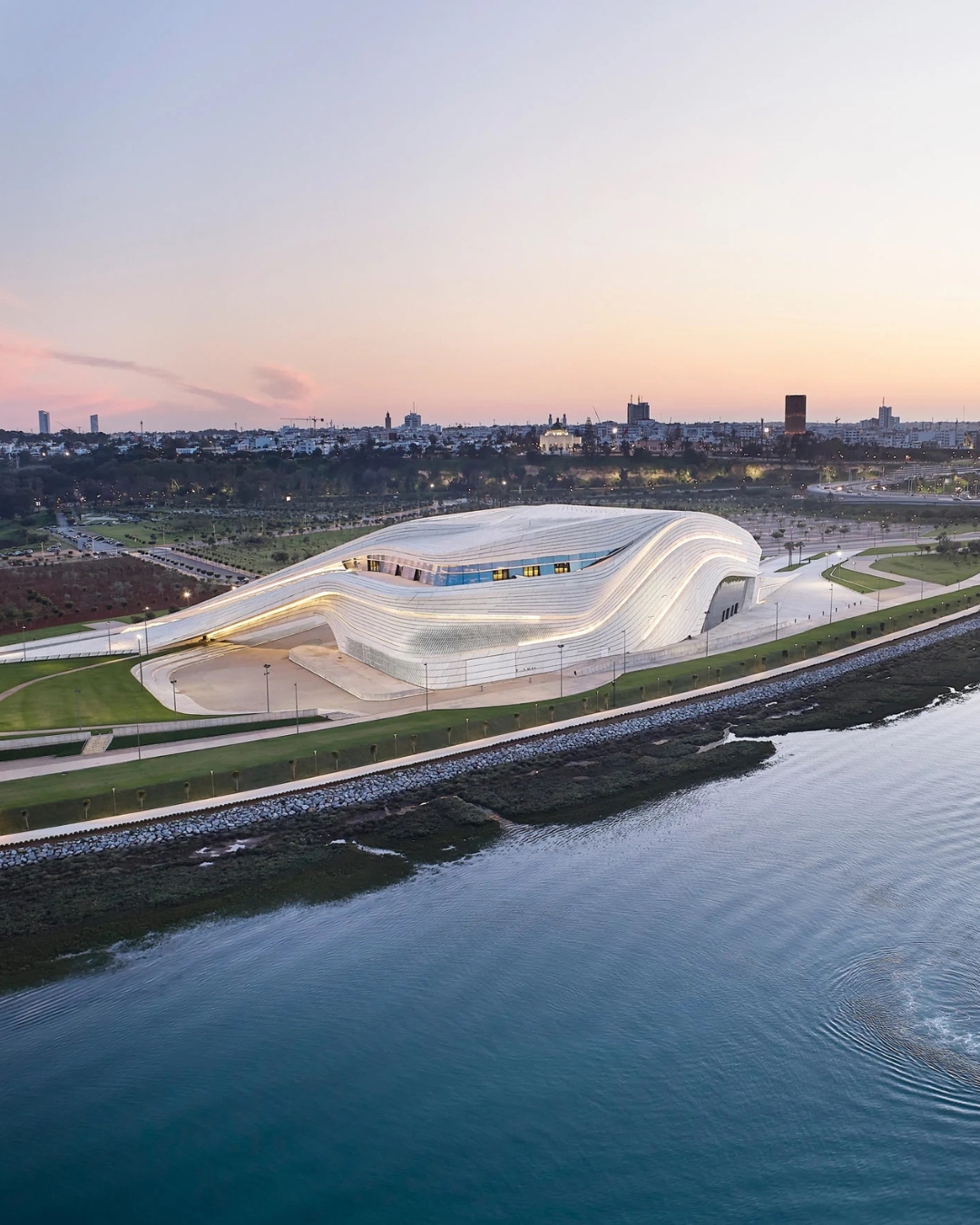
The Théâtre Royal de Rabat sweeps along the riverbank like something the water shaped. Inside, 1,821 seats sit under walls and a ceiling cut into geometric facets. ZHA, the studio formerly called Zaha Hadid Architects, took its cues from that riverbank site when it drew the theatre, and the result wraps three performance spaces in one continuous shell.
The theatre sits between Rabat and Salé, near the recently completed Mohammed VI Tower, the tallest building in Morocco. It's the first project ZHA has completed anywhere in Africa.
Three Venues Inside One Shell
The Théâtre Royal de Rabat holds three stages under one roof line. The main auditorium seats 1,821. A second hall seats about 170, or takes 250 standing. Outside, an open air amphitheatre holds up to 7,000 people for festivals and big public nights.
That mix is the clever part of the brief. A national theatre that only did opera would sit empty most of the week. This one can host an orchestra, a small experimental set and a summer concert on one site, for artists and musicians at every scale.
Hufton+Crow, the London architectural photographers, shot the finished building.
The River Drew the Outline
The site is the key to the shape. The theatre stands on the bank of the Bouregreg, the river that separates Rabat from Salé, and ZHA let the movement of the water and the line of the bank guide the exterior. The building rises from the ground in one long sweep, then folds over the halls.
Zaha Hadid designed it with Patrik Schumacher, who now leads the studio. It was among the last major projects Hadid worked on before she died in 2016, so the building is partly a late statement from her and partly a decade of the studio finishing what she started. Hadid became the first woman to win the Pritzker Prize in 2004, and theatres were among her signature types. The Guangzhou Opera House opened in 2010, and the Heydar Aliyev Center in Baku followed in 2012, both with the same fluid lines Rabat now has on its river.
Hadid's best buildings always looked like landscape caught mid motion, and a riverbank was the ideal site for that instinct. Rabat got the right building in the right place.
An All Moroccan Gala Opened the Doors
Construction began on October 7, 2014. The theatre was formally inaugurated in October 2024 by Princess Lalla Hasnaa and Brigitte Macron, and it opened its doors to audiences with an all Moroccan gala in April 2026. Reported costs run to about two billion dirhams.
Brahim El Mazned, the festival producer known for Visa For Music, took charge of the theatre after it opened. That choice signals what the building is for. It's meant to be a working home for Moroccan and African music, not a monument that waits for touring shows.
Morocco's Tallest Tower Next Door
The theatre's neighbour gives the whole riverside a new skyline. The Mohammed VI Tower rises nearby and is now the tallest building in the country. Put the two together and the Bouregreg valley has a tower and a low, flowing theatre in the same view.
The contrast works. A tower points up. The theatre spreads out along the water. One is about height, the other about the ground it sits on.
For ZHA, the location matters in another way. The studio has built across Asia, Europe and the Middle East, from Guangzhou to Baku, but Rabat is its first finished project on the African continent.
A First for ZHA in Africa
That first is the line most people will remember. A studio with Hadid's reach has only now completed a building in Africa, and it chose a theatre over an office block or a tower.
There's something right about that. A tower would have been easier to sell. A national theatre with three stages and a 7,000 person amphitheatre is a bet on culture, and it gives Rabat and Salé a place to gather on the river that divides them.
The main hall's 1,821 seats are the headline number, but the outdoor stage may end up being the part of the Théâtre Royal de Rabat that the two cities use most.
Frequently Asked Questions
Who designed the Théâtre Royal de Rabat?
ZHA, formerly Zaha Hadid Architects, designed it; Zaha Hadid led the design with Patrik Schumacher.
How many seats does the Théâtre Royal de Rabat have?
The main auditorium has 1,821 seats, a second hall holds about 250, and an outdoor amphitheatre holds up to 7,000.
Where is the Théâtre Royal de Rabat?
It stands on the Bouregreg river between Rabat and Salé in Morocco, near the Mohammed VI Tower.
Is the Théâtre Royal de Rabat ZHA's first building in Africa?
Yes. It is the first project ZHA has completed in Africa.
Topics: architecture, morocco, zaha-hadid-architects, patrik-schumacher, zaha hadid architects, theatre-royal-de-rabat, zaha-hadid, zha, rabat, hufton-crow