YVES SAINT LAURENT FOUND COLOR IN MOROCCO 1966 CHANGED FASHION FOREVER
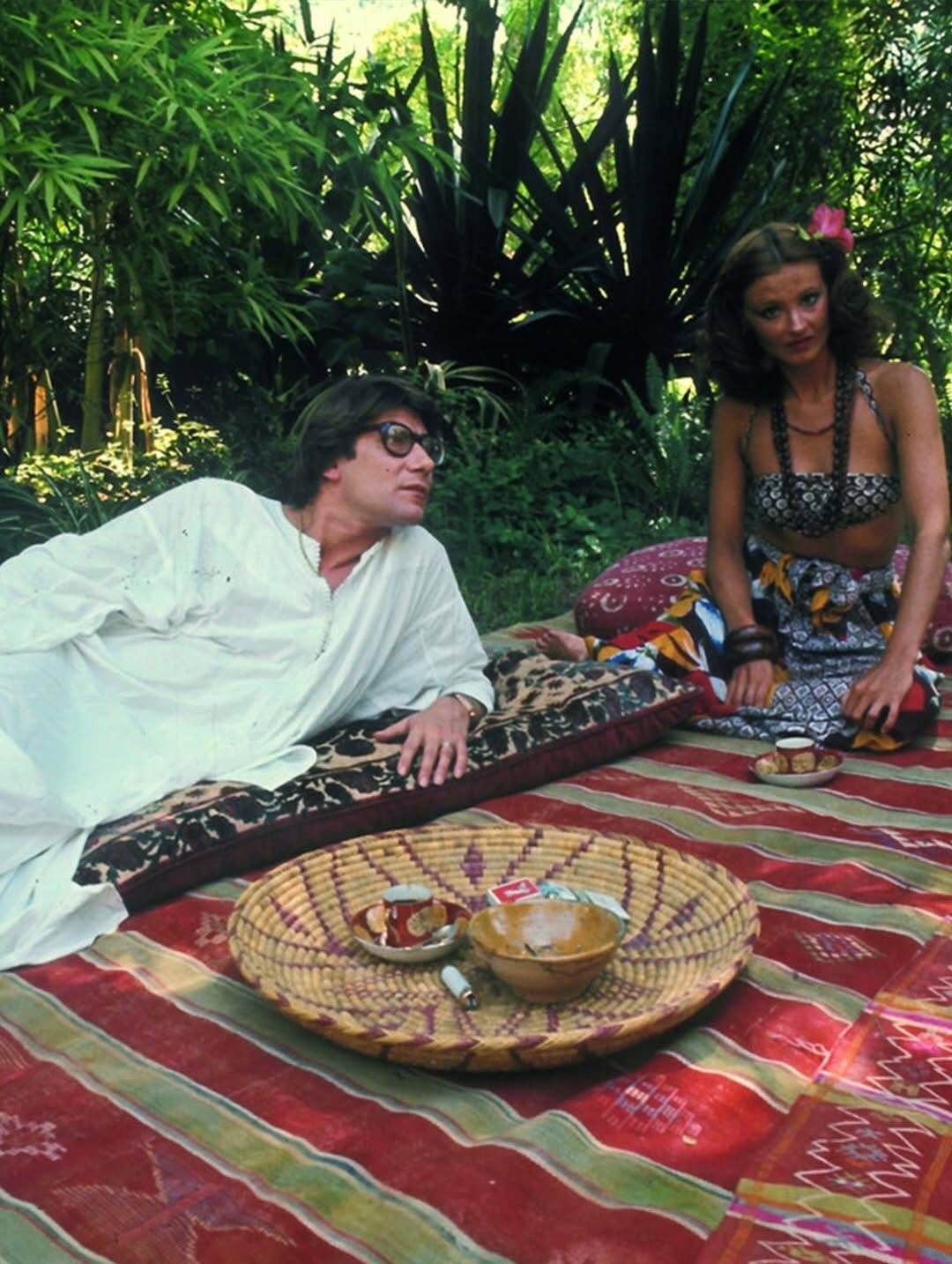
Yves Saint Laurent and Pierre Bergé's 1966 trip to Marrakech created a love affair that transformed fashion forever. The designer discovered his color palette in Morocco's vibrant hues, influencing decades of collections. Their 1980 rescue of Jardin Majorelle from demolition became a cultural landmark visited by 800,000 people annually.
Key Points
- Saint Laurent first visited Morocco in 1966 and bought his first house there immediately
- Jardin Majorelle was saved from hotel demolition in 1980 by Saint Laurent and Bergé
- Musée Yves Saint Laurent Marrakech opened October 2017, receives 700,000 visitors annually
The Morocco Revelation That Changed Everything
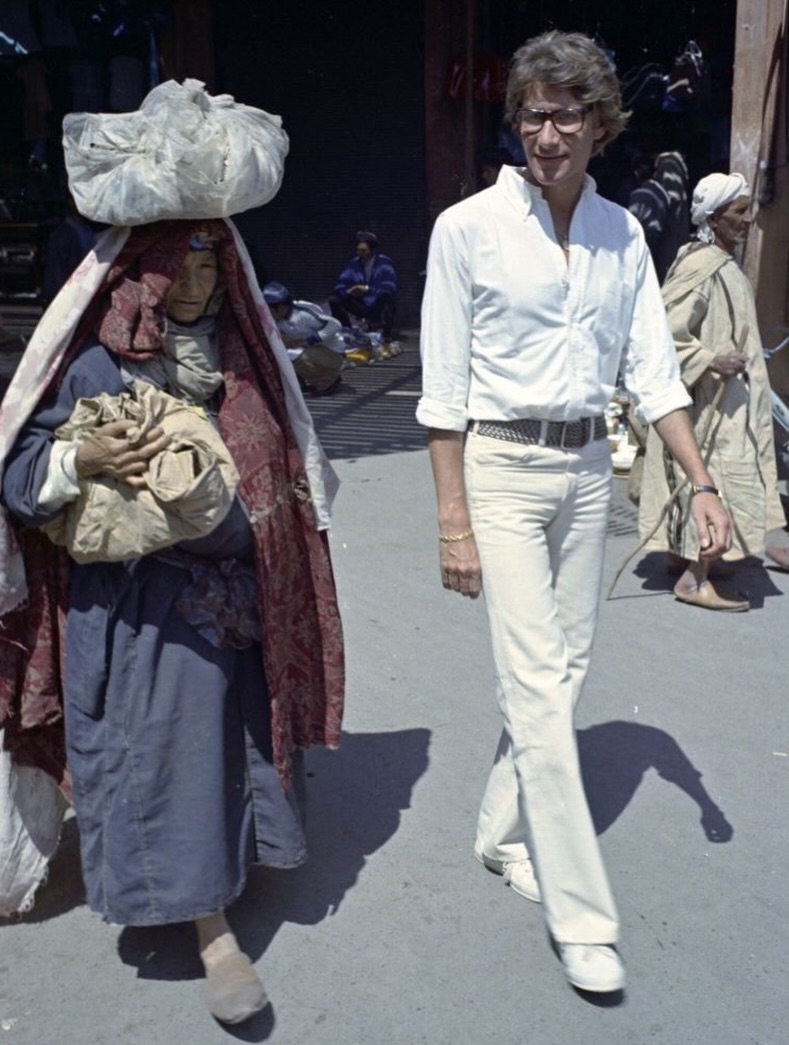
In February 1966, Yves Saint Laurent and Pierre Bergé arrived in Marrakech aboard an Air France Caravelle aircraft. What started as a vacation became a creative awakening that would reshape modern fashion forever.
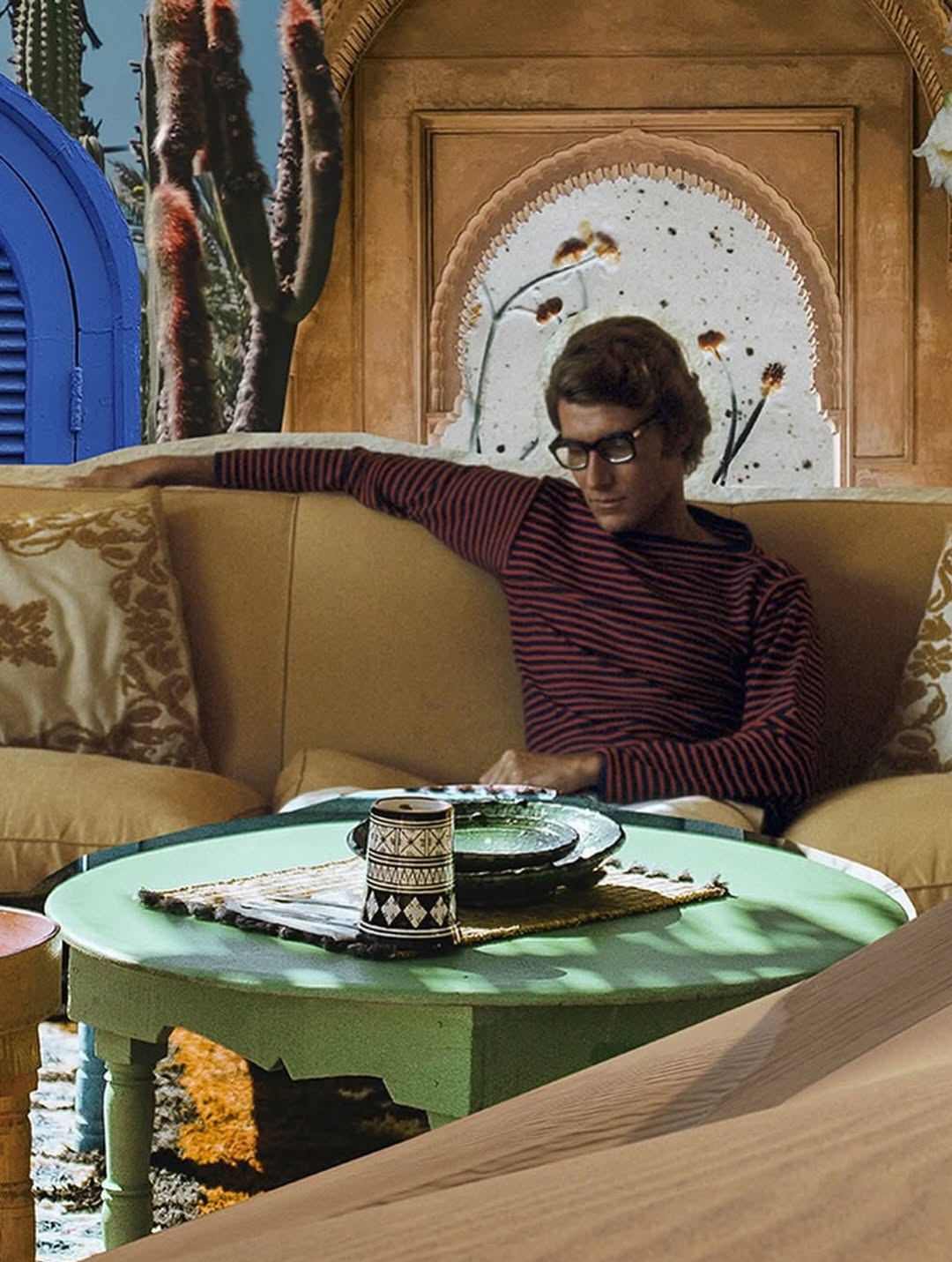
Morocco was where he said he learned about color. "Marrakech taught me colour," he once said. "Before Marrakech everything was black."
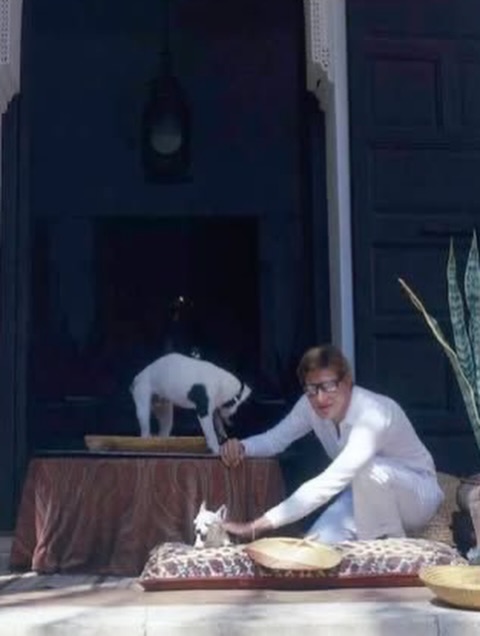
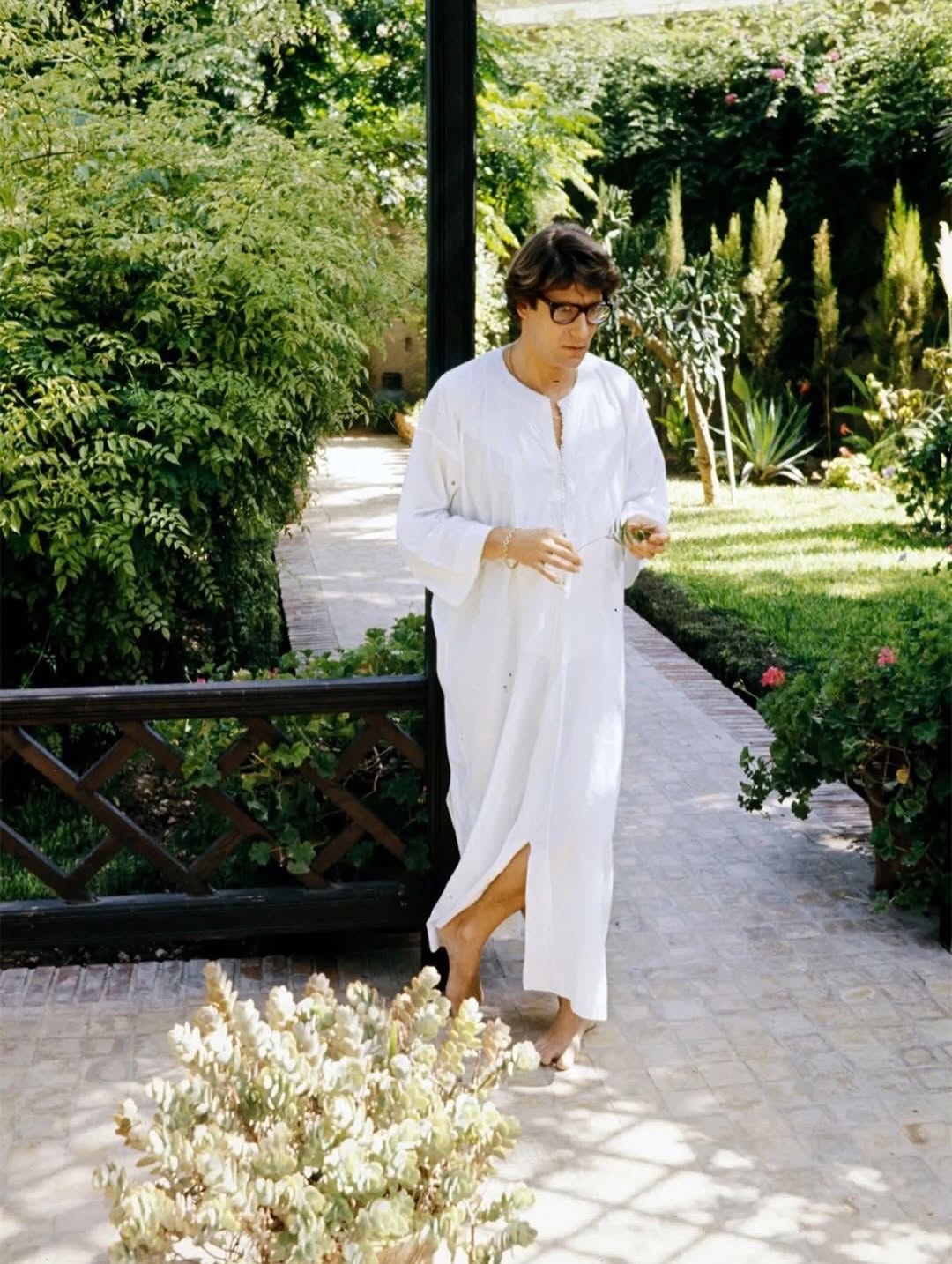
When Yves Saint Laurent discovered Marrakech in 1966, it was such a shock that he immediately decided to acquire a house and return on a regular basis. On their flight back to Paris, Saint Laurent and Bergé already had in their hands the deed of sale for their first Moroccan home, Dar el-Hanch, the "House of the Snake."
The Color Revolution Begins
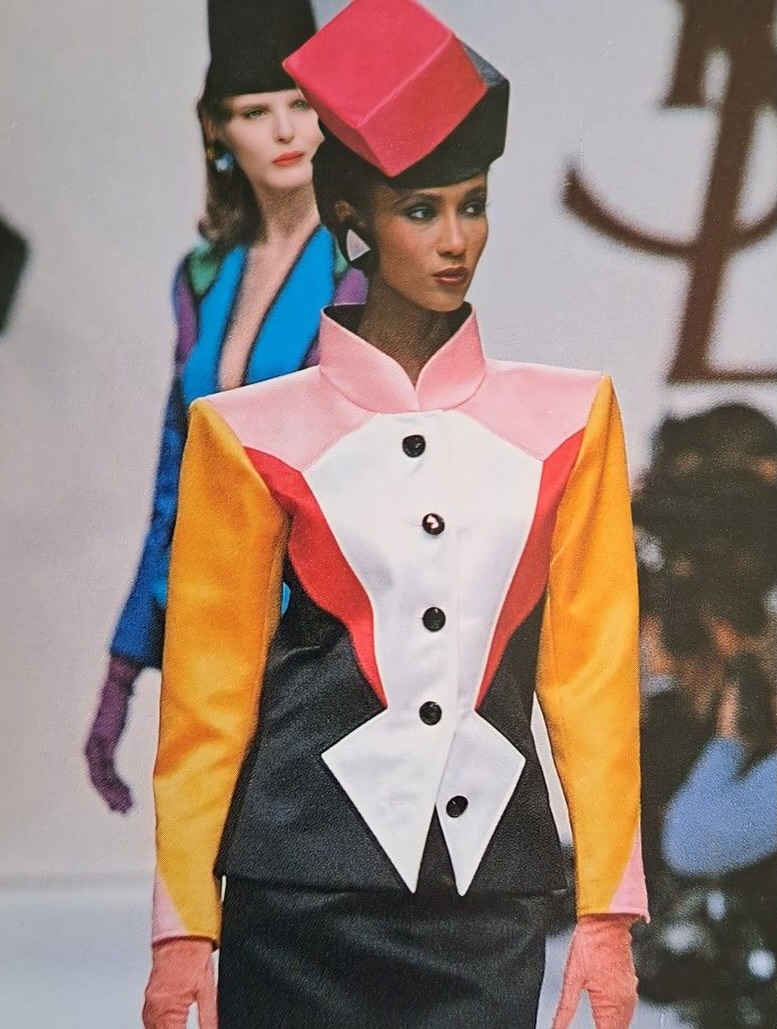
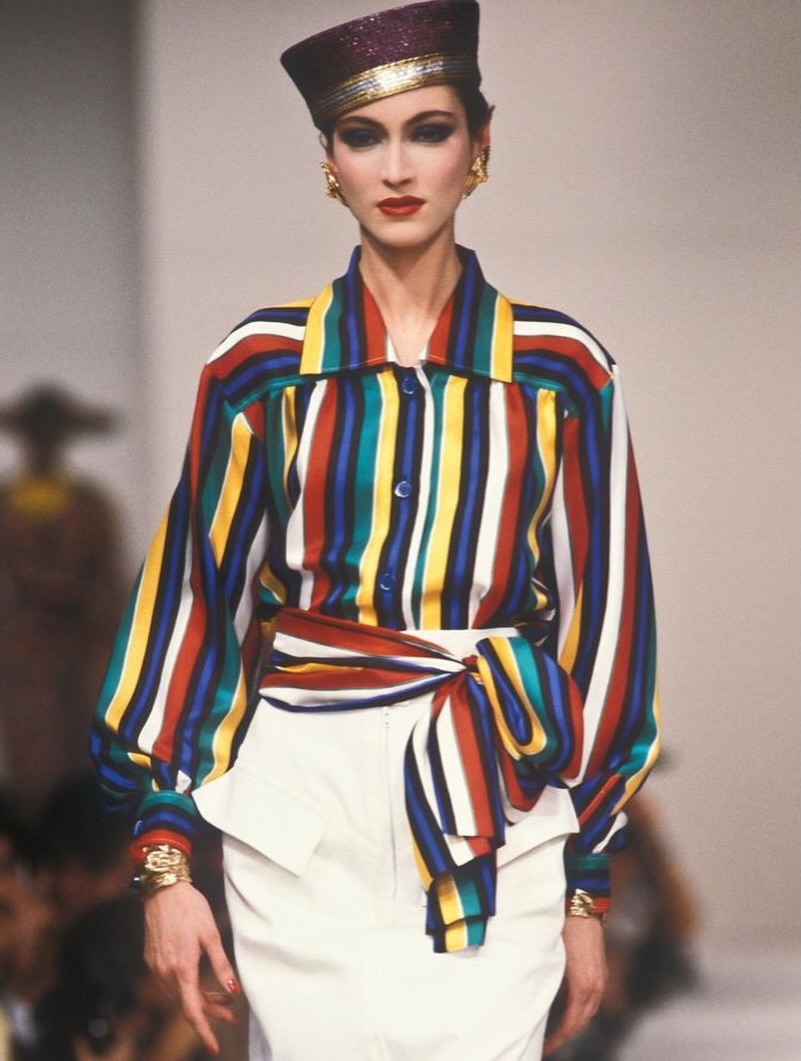
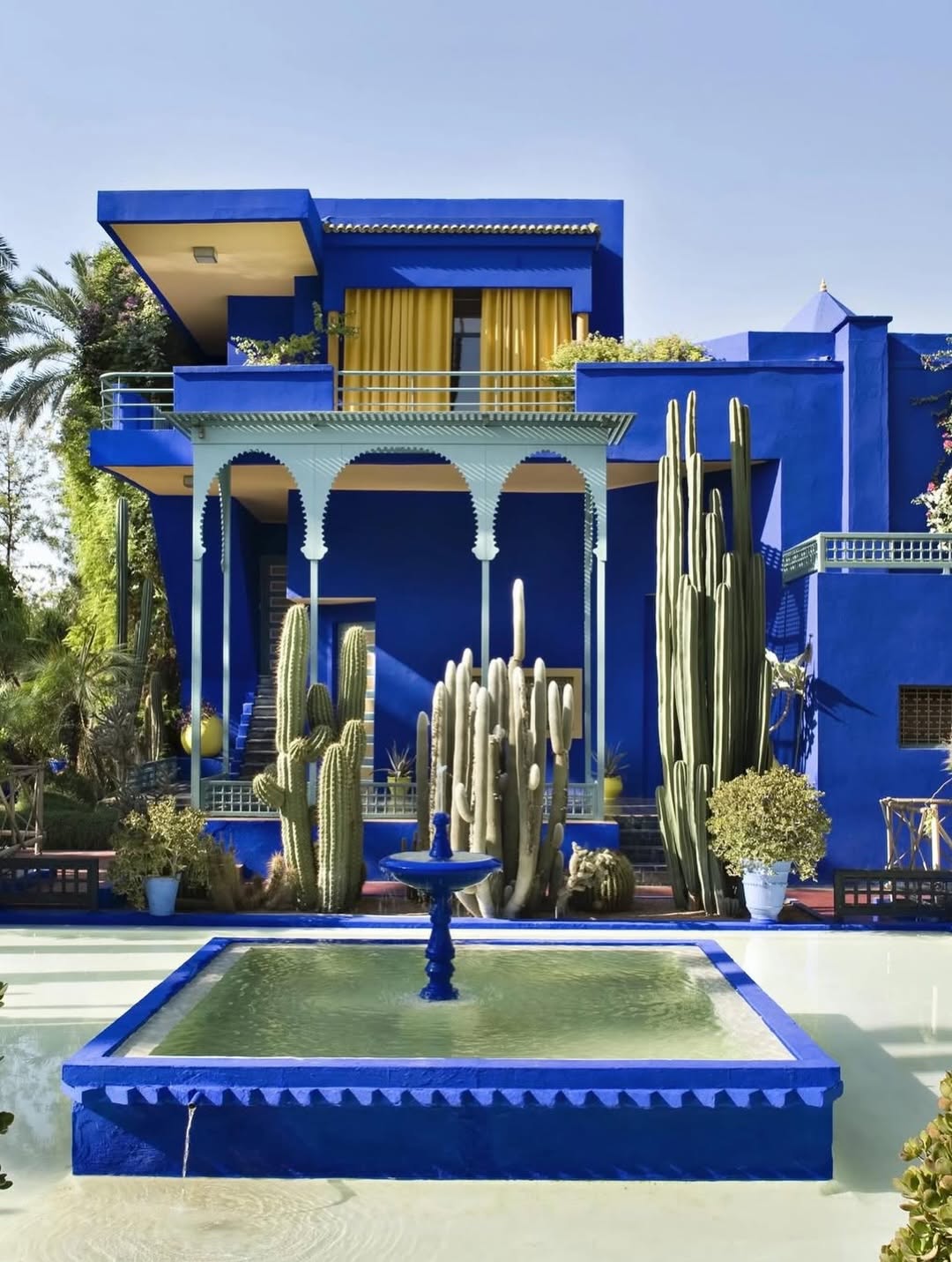
In Morocco, Saint Laurent discovered colors: the ochres and reds of the walls, the pink of the earth, the lush greens of the gardens, Majorelle blue, and the scent of spices. "When I discovered Morocco, I understood that my own colour palette was that of zelliges, zouacs, djellabas and kaftans. The audacities that have since been mine, I owe them to this country."
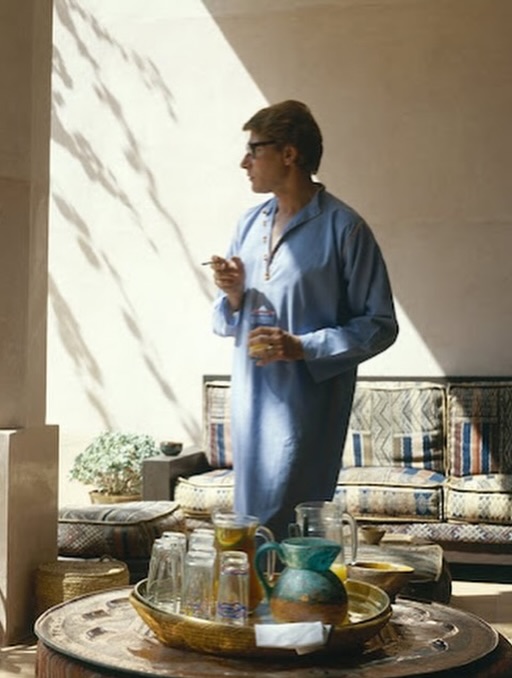
Yves Saint Laurent would travel to Marrakech for a fortnight in December and June of each year in order to design his haute couture collections. This ritual continued for decades, with Morocco's influence appearing in caftans, geometric patterns, and vibrant palettes that revolutionized 20th century fashion.
A synesthesia translated into his collections, which began to incorporate elements of Moroccan culture: caftans, gellabas, ṭarbūsh, golden embroidery, and flowing fabrics transformed into haute couture.
Saving An Artistic Treasure
In 1980, Yves Saint Laurent and Pierre Bergé, who first arrived in Morocco in 1966, purchased the Jardin Majorelle to save it from destruction at the hands of hotel developers. After saving the garden and villa from demolition for a new hotel, Saint-Laurent bought them in 1980 with his partner, Pierre Berge.
The garden had been created by French painter Jacques Majorelle starting in 1922, but after this, the garden was neglected and fell into disrepair. Saint-Laurent increased its number of plant species to 300 from 135, and installed automatic irrigation systems.
The Jardin Majorelle, which was redesigned by Madison Cox in 2000, is now one of the most visited sites in Morocco, counting nearly 800,000 visitors every year.
A Museum Born From Love
On October 19, 2017, the musée YVES SAINT LAURENT marrakech will open its doors near the Jardin Majorelle in a building designed by Studio KO. The museum covers an area of 4,000 m2 (43,000 sq ft).
It includes an exhibition hall featuring the work of Yves Saint Laurent, in which there are photos, videos, sketches, 30,000 accessories, and over 7,000 garments from Saint Laurent's personal collections. The Yves Saint Laurent Museum Marrakech receives more than 700,000 visitors each year.
According to Pierre Bergé, the designer's business partner and onetime life partner, "it was natural to build a museum dedicated to the work of Yves Saint Laurent in Morocco, as he owes so much to the country."
The Legacy Lives On
The garden was owned by Yves Saint Laurent and Pierre Bergé until 2008 when, after the death of the French designer, his ashes were scattered in the rose garden inside the garden. Two years later, the street in front of the garden was renamed in his honor.
Today, the complex stands as Morocco's most powerful tribute to creative exchange between cultures. The mYSLm stands as a powerful symbol of the deep and enduring artistic and cultural ties between France and Morocco. It represents a history of mutual inspiration, influence, and appreciation.
Related Reading
- SHAWN STUSSY'S GRAFFITI TAG BECAME THE MOST RECOGNIZED LOGO IN STREETWEAR
- 9 KIDS FROM STATEN ISLAND BROKE EVERY RULE AND BUILT WU-TANG
- 911 GT3 S/C Puts Manual GT3 Performance in an Open Car
Frequently Asked Questions
When did Yves Saint Laurent first visit Morocco?
February 1966, when he and Pierre Bergé arrived in Marrakech and immediately bought their first house there.
How did Saint Laurent save Jardin Majorelle?
In 1980, he and Pierre Bergé purchased the neglected garden to save it from hotel developers who planned to demolish it.
When did the Yves Saint Laurent Museum open in Marrakech?
October 19, 2017, in a 4,000 square meter building designed by Studio KO near Jardin Majorelle.
Topics: pierre bergé, marrakech, jardin majorelle, saint-laurent, yves saint laurent, fashion history, haute couture, morocco, focus-64-32, saint laurent