ADIDAS ADIZERO ADios PRO EVO 3 BREAKS THE 100-GRAM BARRIER
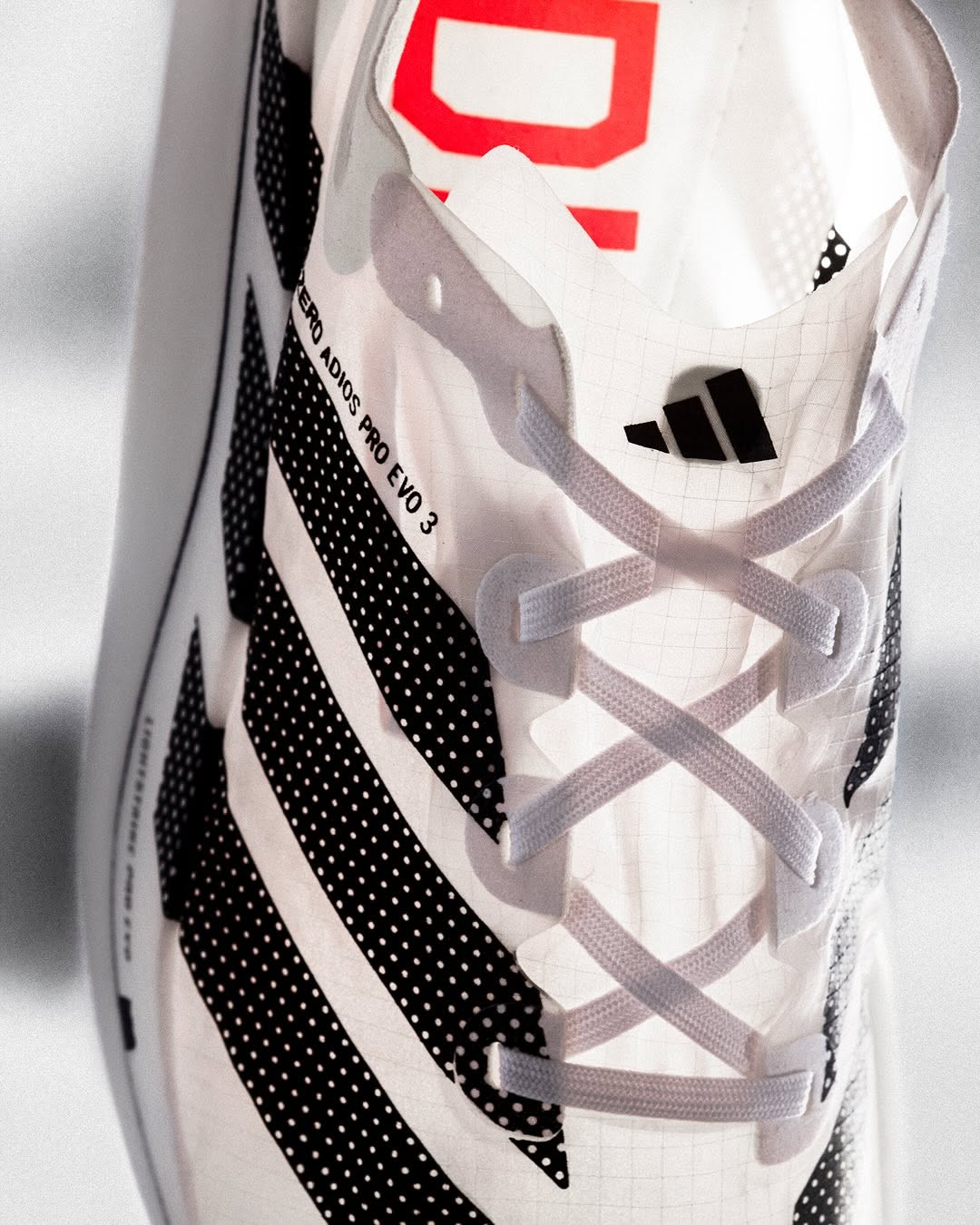
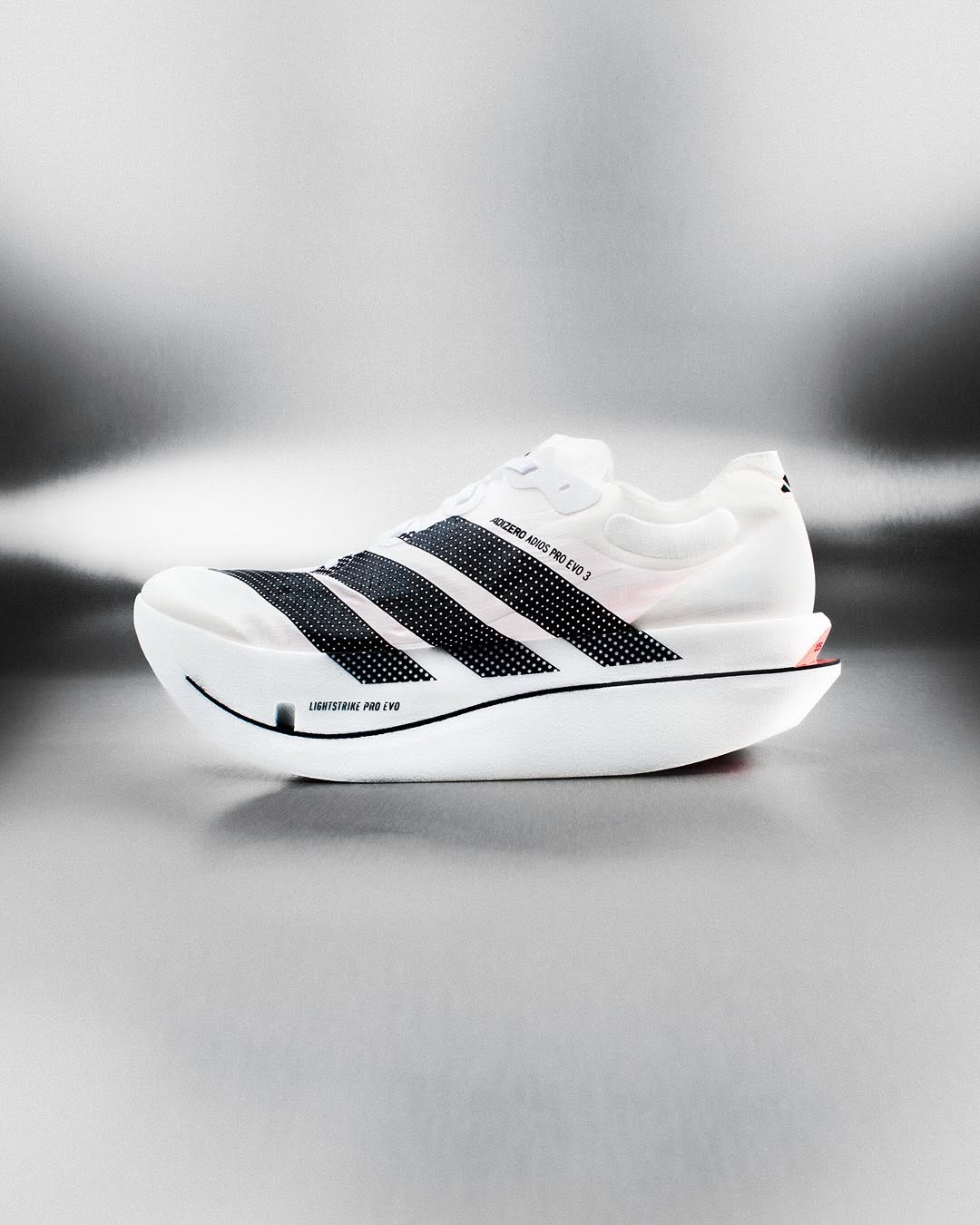
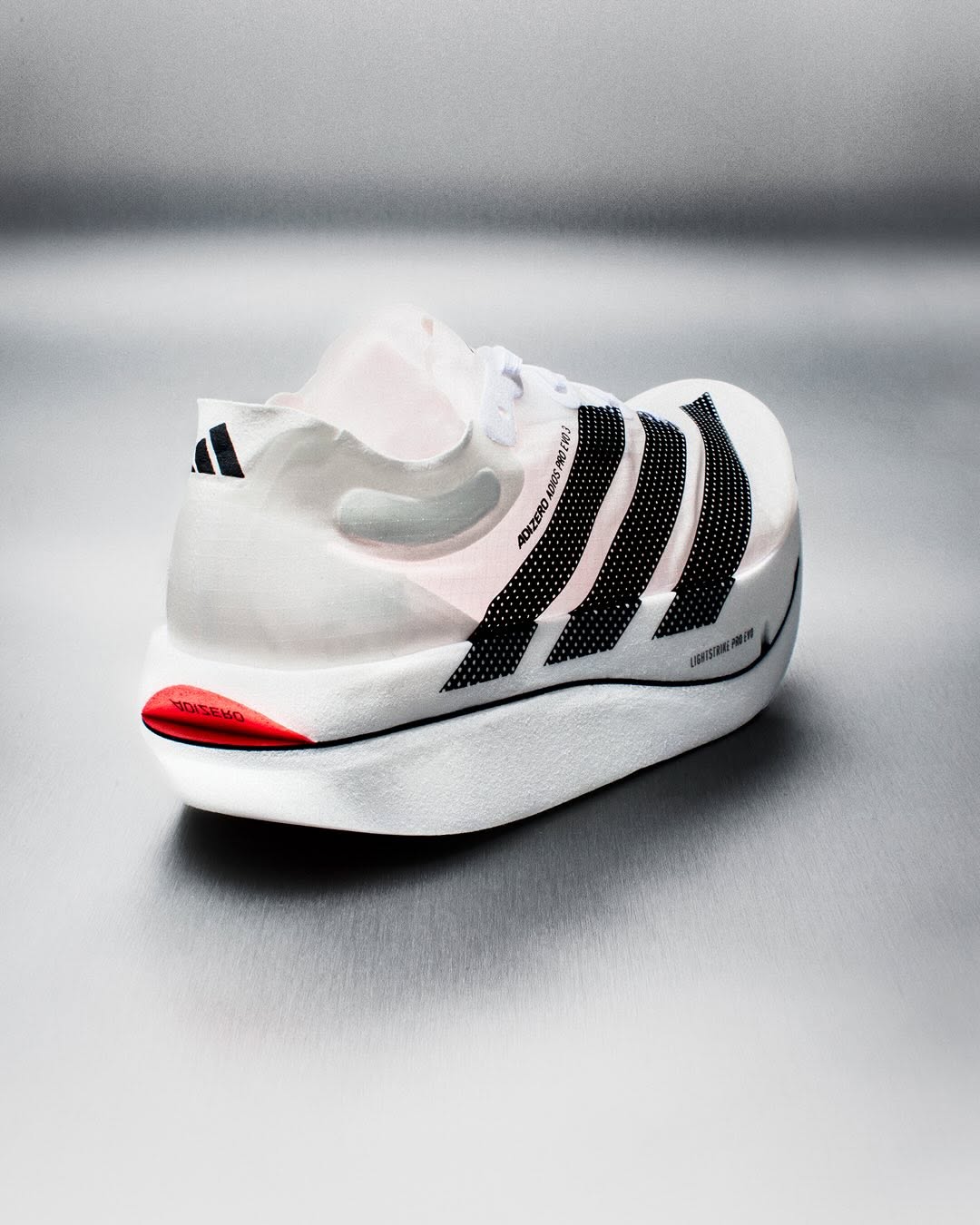
The Adidas Adizero Adios Pro Evo 3 is the first production racing flat to break 100 grams, weighing 99 grams in a US men's 8.5. It replaces a traditional carbon fiber plate with Lightrods, a glass fiber propulsion system embedded in LightStrike Ultra foam. The shoe targets elite marathon competition and will debut at major fall 2026 races.
Key Points
- Adidas Adizero Adios Pro Evo 3 is the first production racing flat to break 100 grams, measured at 99g in US men's 8.5
- Uses Lightrods (glass fiber rods) instead of traditional carbon plate, allowing broader foot strike activation for more runners
- Launches direct to competition use at Chicago and Berlin Marathons later in 2026 — podium results will validate the weight claim
Sub-100 grams. That is the number adidas put in the press release for the Adizero Adios Pro Evo 3, and it deserves to be treated as a milestone before anything else is said. No major racing flat from a tier-one manufacturer has crossed that threshold in competition-ready form. A full race kit used to start at 180 grams. The Evo 3 starts at 99.
The Evo 1 Was Already Controversial
When adidas released the first Adizero Adios Pro in 2020, it sat in the same weight class as the Nike Vaporfly 4%. Both shoes used carbon fiber propulsion plates and lightweight foam combinations to break the two-hour marathon barrier. Eliud Kipchoge ran 1:59:40 in 2019 wearing prototype technology. The Evo 1 was the consumer translation of that research. The Evo 3 is four years later and still inside a weight category most training shoes cannot touch.
Lightrods Instead of Carbon
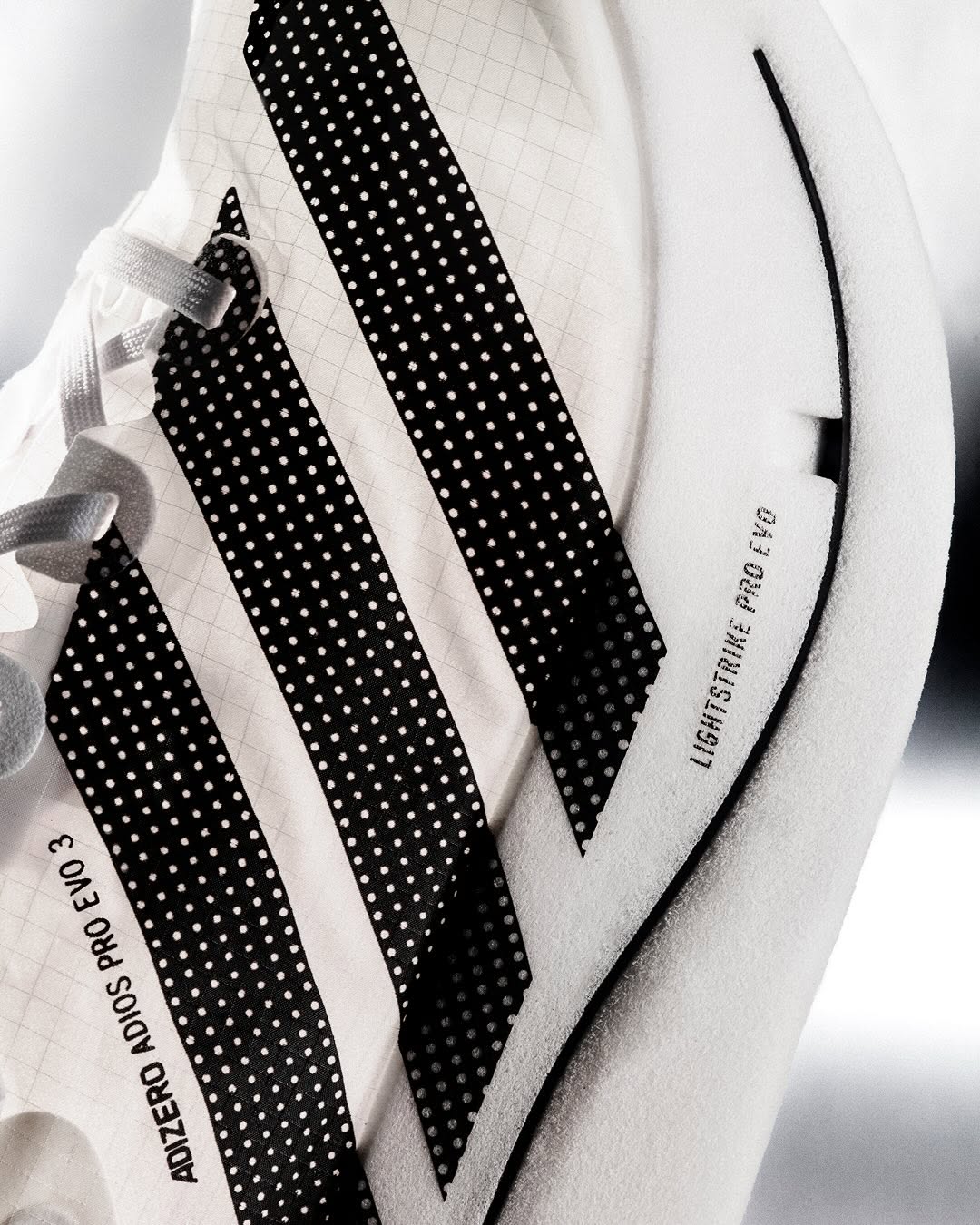
The structural innovation in the Evo 3 is the switch from a traditional carbon fiber plate to what adidas calls its LightStrike Ultra foam stack with integrated Lightrods. The Lightrods are thin glass fiber rods, not a single broad plate, which distributes propulsion force differently across the forefoot. The practical difference: more runners can use the shoe efficiently. A rigid carbon plate requires a specific foot strike pattern to activate correctly. The Lightrods have a slightly broader activation window.
99 Grams Is a Marketing Number. Here Is the Engineering Context.
Speaking honestly: 99 grams is measured in a single size (US men's 8.5) under ideal conditions. Your pair, depending on size and manufacturing tolerance, may land at 102 grams or 104. This matters because adidas is selling a threshold, and that number shifts with size. Women's sizes will be lighter. Size 14 will be heavier. The principle still stands. But the competitive category here is clear: this shoe is engineered to meet World Athletics regulations while sitting at the absolute minimum legal weight.
The Rollout Compared to Nike's Vaporfly 3
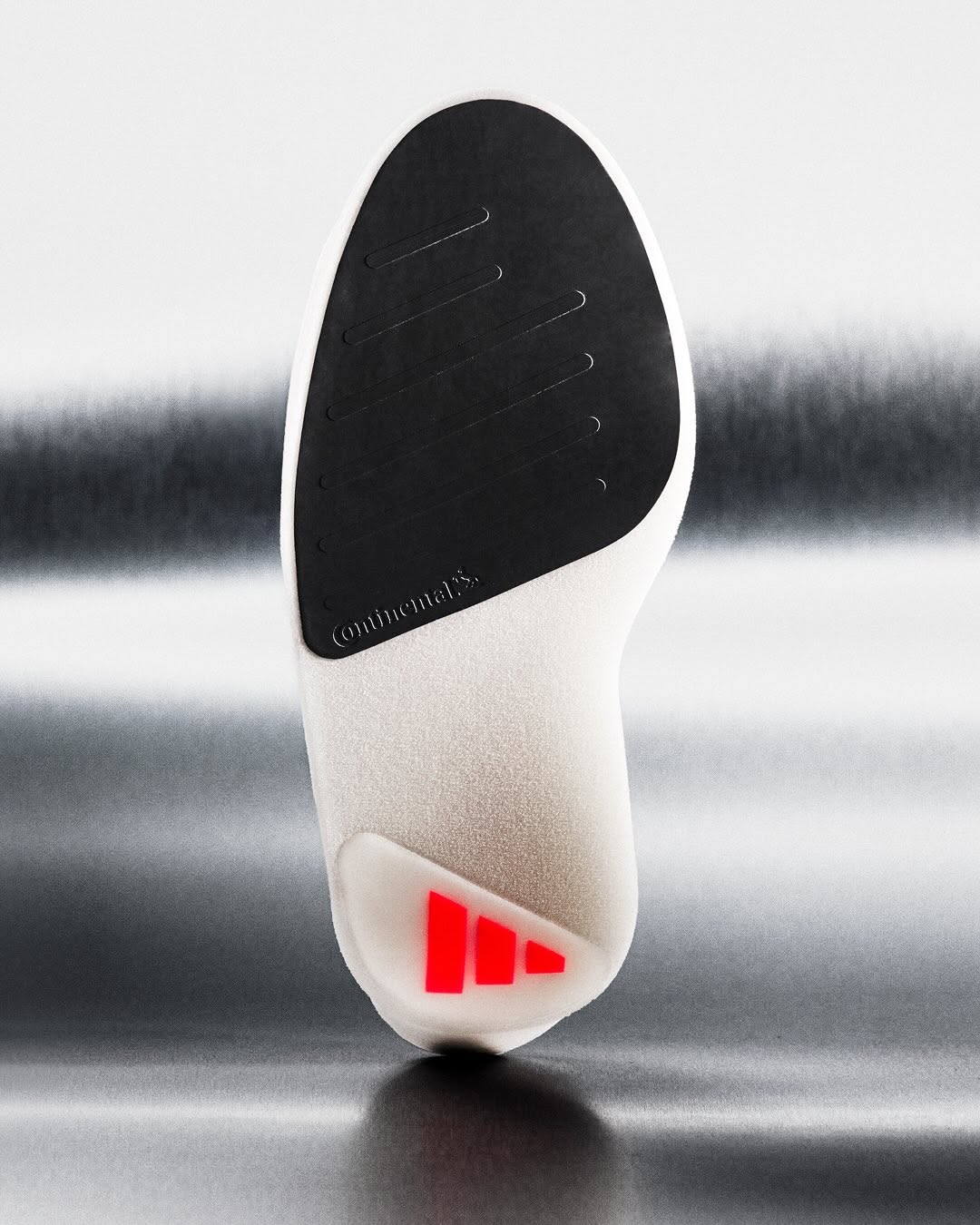
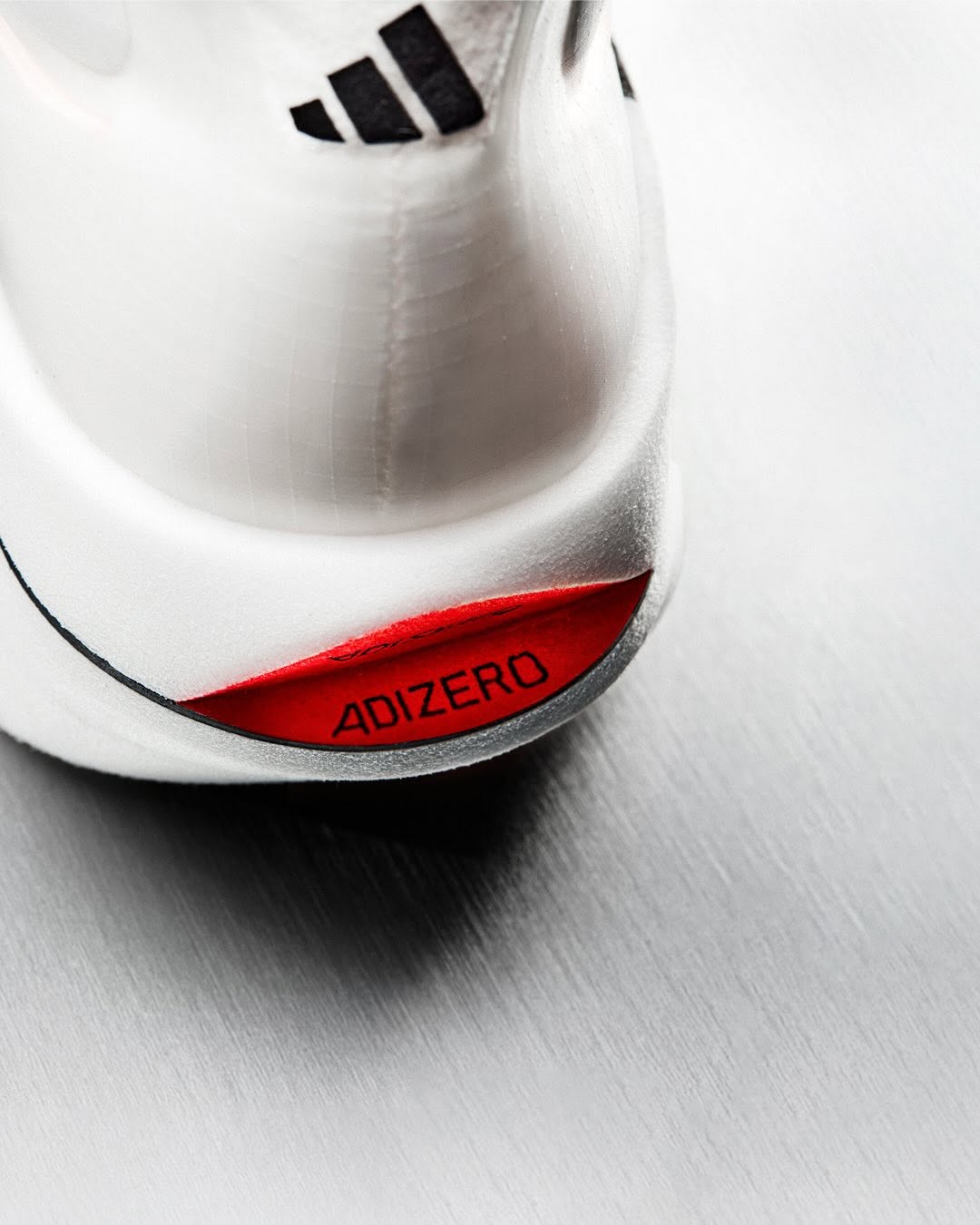
Nike launched the Vaporfly 3 last year with a full marathon sponsorship activation and elite athlete video content. Adidas launched the Evo 3 on Instagram with a clean editorial series. The signal score hit 68,000 — meaningful for product content but a fraction of what the Kehlani album generated through pure cultural pull on the same morning. What the campaign does well: the visual identity is clean. Six images. No athlete cameos fighting for frame space. Just the shoe, the weight claim, and the surface.
Where It Will Actually Get Used
The Evo 3 is a race-day shoe. It is not a training shoe, cross-training shoe, or streetwear proposition. It will appear at the Chicago Marathon and Berlin Marathon later this year. The results at those events will define whether the 99-gram claim survives contact with professional racing conditions. If three podium finishes come in Evo 3 lacing up by November, this shoe will be remembered as consequential. If the podiums go to Vaporfly 4 and On Cloudboom, the weight story will read as clever marketing.
Related Reading
- Sabastian Sawe Ran 1:59:30 at London. The Film Behind the Number.
- ADIDAS AND PUMA EXIST BECAUSE TWO BROTHERS COULDN'T STAND EACH OTHER
- ADIDAS ORIGINALS DROPS HOTEL SUPERSTAR CAMPAIGN WITH BABY KEEM
Frequently Asked Questions
How much does the Adidas Adizero Adios Pro Evo 3 weigh?
The Adizero Adios Pro Evo 3 weighs 99 grams in a US men's size 8.5, making it the first production racing flat from a major brand to break the 100-gram barrier.
What technology does the Adidas Evo 3 use instead of carbon?
The Evo 3 uses Lightrods — thin glass fiber rods integrated into the LightStrike Ultra foam stack — which distribute propulsion force more broadly than a traditional single carbon plate.
When will the Adidas Adizero Evo 3 be available?
The Adizero Adios Pro Evo 3 launched in April 2026 and will be deployed at elite marathon events including Chicago and Berlin later in the year.
Topics: super-shoe, performance-footwear, adizero, running-shoes, adidas, sports, marathon, nike, carbon-plate