EMMA COOK-CLARKE WON THE ROUTEBURN CLASSIC ON HER FIRST ATTEMPT
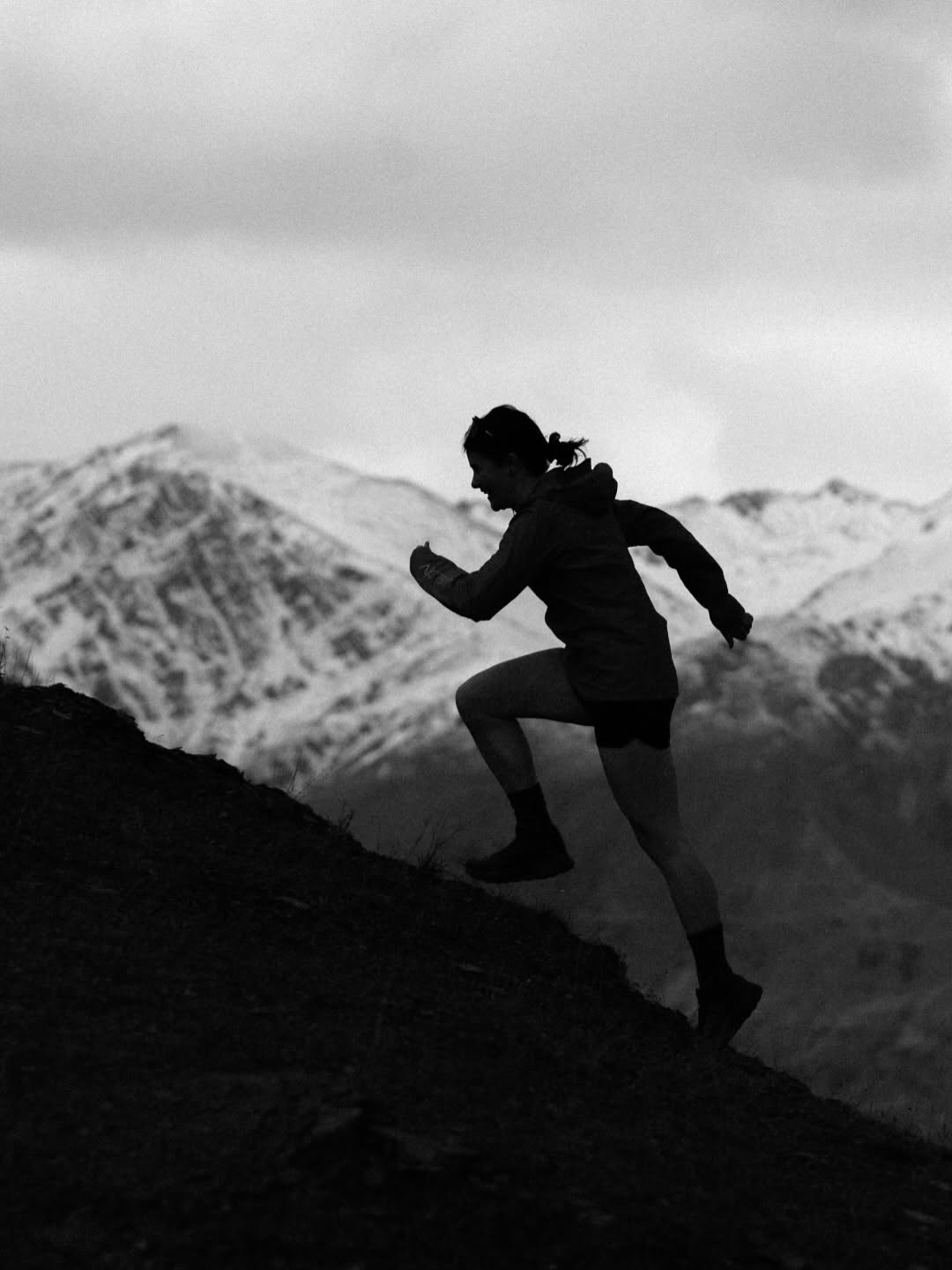
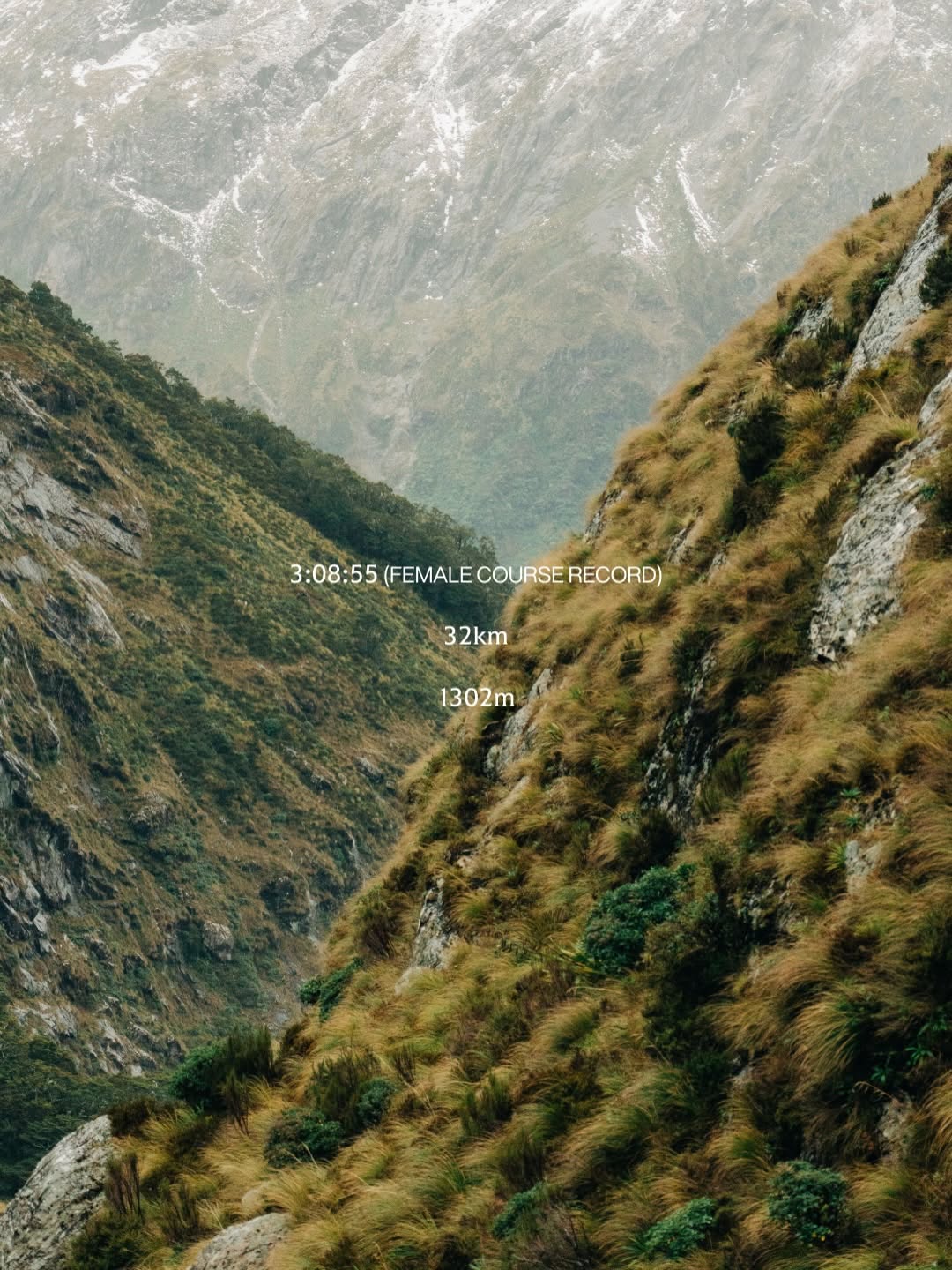
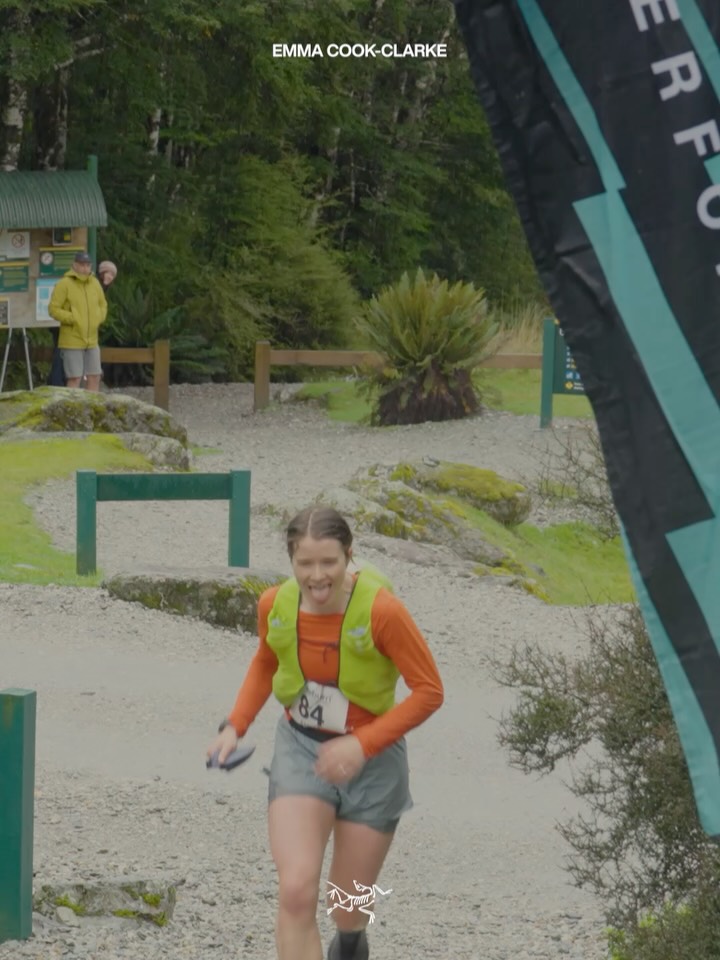
Emma Cook-Clarke won the Routeburn Classic on her first attempt at the race, covering 32 alpine kilometres with 1,302 metres of climbing in New Zealand's Southern Alps. The result marks her as a rising force in mountain running.
Key Points
- Emma Cook-Clarke won the Routeburn Classic in her first ever attempt at the race
- The course covers 32 alpine kilometres with 1,302 metres of climbing in New Zealand's Southern Alps
- Arc'teryx is building its competitive trail running stable through athletes like Cook-Clarke
Emma Cook-Clarke had never run the Routeburn Classic. She showed up, raced 32 kilometres through the Southern Alps of New Zealand, climbed 1,302 metres of vertical, and won. The race tests mountain experience as much as fitness or speed, and Cook-Clarke apparently had enough of all three.
1,302 Metres Is Not a Hill. It Is a Mountain.
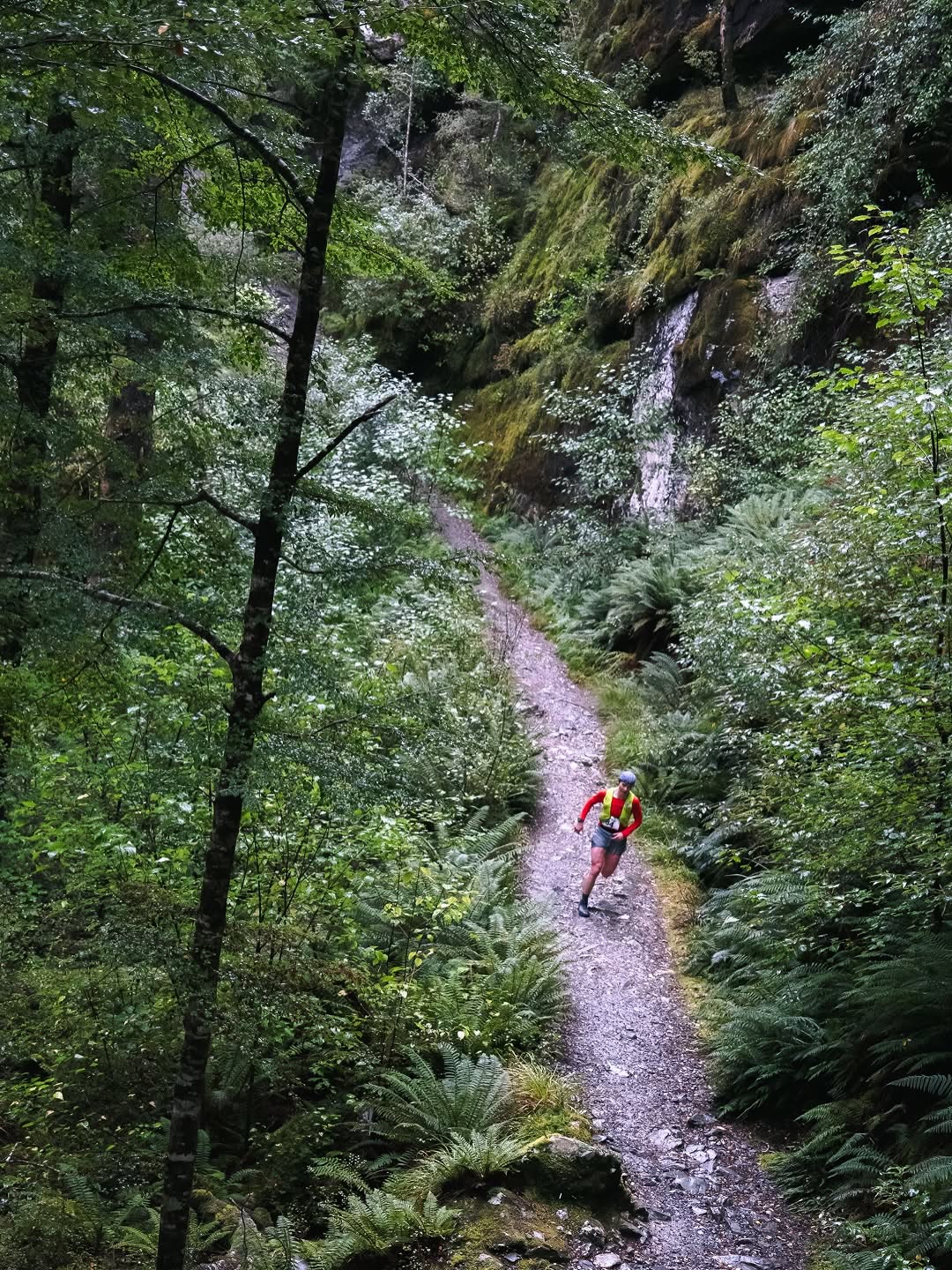
The Routeburn Classic follows the Routeburn Track, one of New Zealand's Great Walks, but the race version is not a scenic hike with a timing chip. The 32-kilometre course moves through subalpine terrain, over Harris Saddle at 1,255 metres, and includes exposed ridgeline sections where weather changes within minutes. The 1,302 metres of total climbing is compressed into distance that gives runners almost no flat sections to recover.
For context, the Boston Marathon drops and climbs a total of approximately 140 metres. The Routeburn Classic packs nearly ten times that elevation change into a course that is shorter in distance. The average gradient exceeds what most road runners would encounter in their steepest training hills.
First Time Running It. First Place Finishing It.
What makes Cook-Clarke's result remarkable is the absence of course knowledge. Mountain races reward familiarity. Knowing where the footing changes from packed trail to loose scree, where the wind hits hardest on the saddle, where the descents demand braking versus opening stride; these details are worth minutes in a race measured in hours. Cook-Clarke had none of that data. She raced on fitness, instinct, and the kind of mountain competence that comes from years in alpine environments, not from course reconnaissance.
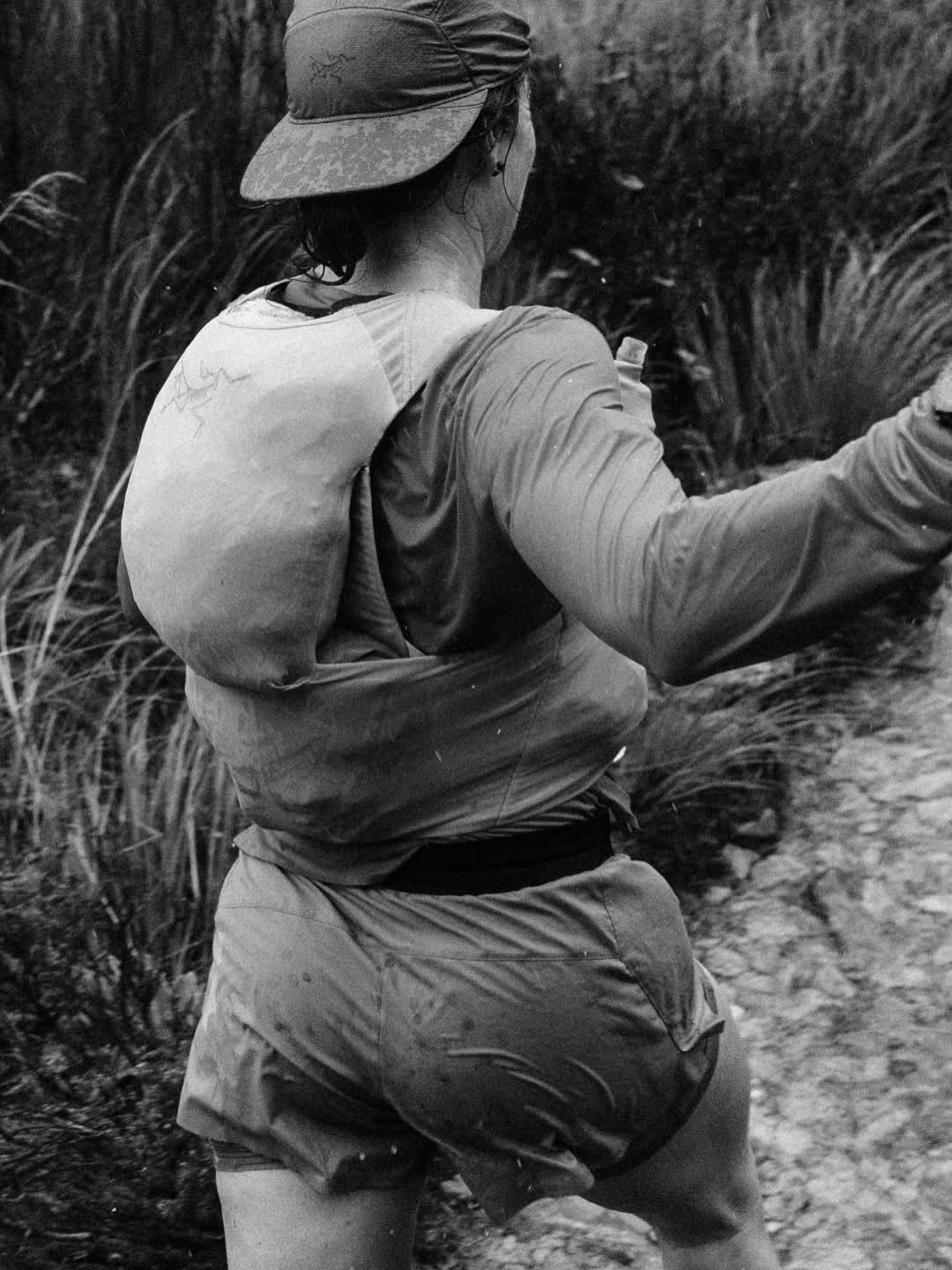
Arc'teryx featured her run in their coverage, and the brand's involvement is not incidental. Arc'teryx has been systematically building a competitive trail running stable to match its dominance in alpine climbing gear. The Norvan footwear line is the product entry point, but athlete sponsorship is the credibility layer. A runner winning a major mountain race in Arc'teryx kit is worth more to the brand than any paid review.
Mountain Running Is Not Ultra Running
The distinction matters. Ultra running has become a mainstream endurance sport with six-figure prize purses (UTMB), Netflix documentaries, and shoe deals that rival road marathon contracts. Mountain running is different. The distances are shorter. The terrain is more technical. The margins are thinner because one wrong step on a wet rock at 1,200 metres can end a race faster than any fitness deficit.
Cook-Clarke's Routeburn win positions her in the mountain running category specifically, not the ultra scene. Her competition is not Courtney Dauwalter or Kilian Jornet. It is the deep roster of New Zealand and Australian mountain runners who train on this terrain year-round and know these trails the way a New Yorker knows the subway map.
32 Kilometres of Southern Alps
The Routeburn Track was established in 1899 as a tramping route. It connects the Hollyford Valley to the Dart River through beech forest, alpine meadows, and glacial valleys. The race version takes that heritage and adds a clock. The scenery is, by all accounts, staggering, but no one racing the front of the pack is looking at the view.
Cook-Clarke's debut victory is the kind of result that announces a career. The Routeburn Classic is not the biggest mountain race in the world, but it is one of the most respected in the Southern Hemisphere. Winning it first time out suggests that the ceiling is significantly higher than the floor she just set.
Related Reading
- Ryan Sandes Has 18 Years at the Top. Salomon Made a Film About What Comes After.
- 17 TITLES AND THE LAKERS STILL WANT MORE
- A.P.C. GOLF SS26 TREATS THE COURSE LIKE A PARISIAN SIDEWALK
Related: STUSSY SYNCS A FOURTH GLOBAL DROP CLOCK WITH ADWYSD.
Frequently Asked Questions
Who won the Routeburn Classic 2026?
Emma Cook-Clarke won the Routeburn Classic on her debut at the race, completing the 32km alpine course with 1,302 metres of climbing.
What is the Routeburn Classic race?
The Routeburn Classic is an alpine trail race in New Zealand's Southern Alps covering 32 kilometres with 1,302 metres of climbing through one of the country's Great Walks.
Is the Routeburn Classic hard?
Yes. The course tests mountain experience as much as fitness, with significant alpine exposure, steep climbs, and technical terrain across the Routeburn Track.
Topics: salomon, arc-teryx, arc'teryx, trail-running, emma-cook-clarke, ultra-running, new-zealand, alpine-running, netflix, emma-bip, emma, mountain-sports, routeburn-classic, arcteryx