Why Comme des Garçons SS26 in CR Fashion Book Is Not a Campaign
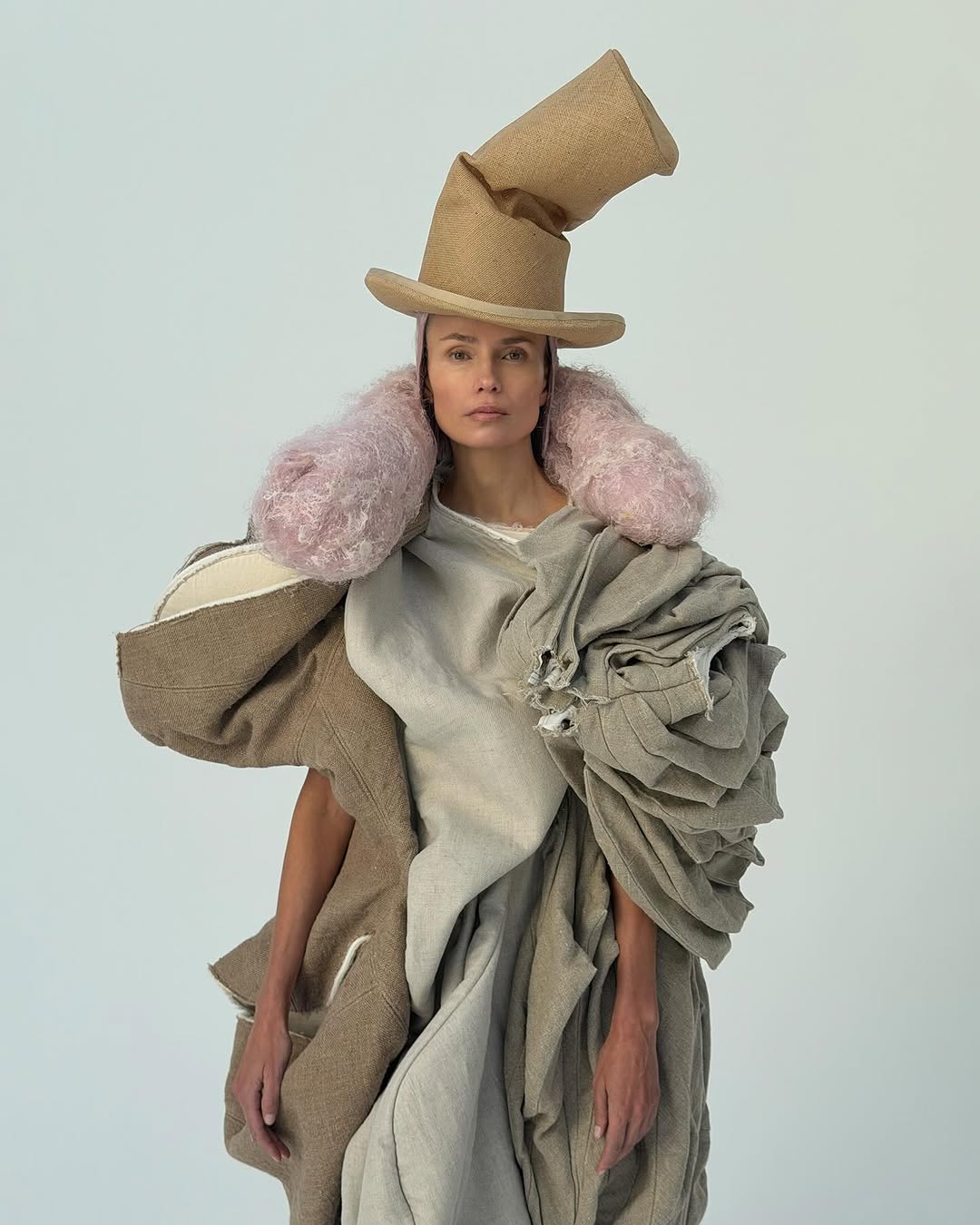
CR Fashion Book Issue 28, themed Reinvention, features an exclusive COMME des GARÇONS SS26 editorial with Natasha Poly wearing only Rei Kawakubo designs, photographed by Alastair McKimm. The editorial anchors an issue that positions Kawakubo five-decade commitment to deconstructed structure-first garment design as the definitive model of reinvention in contemporary fashion.
Key Points
- CR Fashion Book Issue 28 is themed "Reinvention." The anchor editorial features Comme des Garçons SS26 exclusively.
- Natasha Poly wears only CdG SS26, shot by Alastair McKimm, CR's photography and fashion director.
- Rei Kawakubo showed 36 deconstructed silhouettes for CdG AW26 in Paris in March 2026.
Natasha Poly is wearing only Comme des Garçons in CR Fashion Book Issue 28. Every image shot by Alastair McKimm, who is also the fashion director. No other brands. No accessories from somewhere else. The editorial is titled "The Bare Maximum" and the theme of Issue 28 is Reinvention. The alignment between those two facts is not coincidental.
CR Fashion Book Issue 28 and the Reinvention Frame
Carin Roitfeld has built CR Fashion Book into a platform that treats editorial as auteur work rather than advertising adjacency. When Issue 28 lands on "Reinvention" as its theme, and when the single-brand editorial within it is Comme des Garçons, the framing is not accidental. Rei Kawakubo has spent five decades doing exactly one thing: reinventing the premise of what a garment is allowed to say. The AW26 collection, shown in Paris in March 2026, presented 36 deconstructed silhouettes in which structural ambiguity was the design goal. The body inside the clothes was almost beside the point.
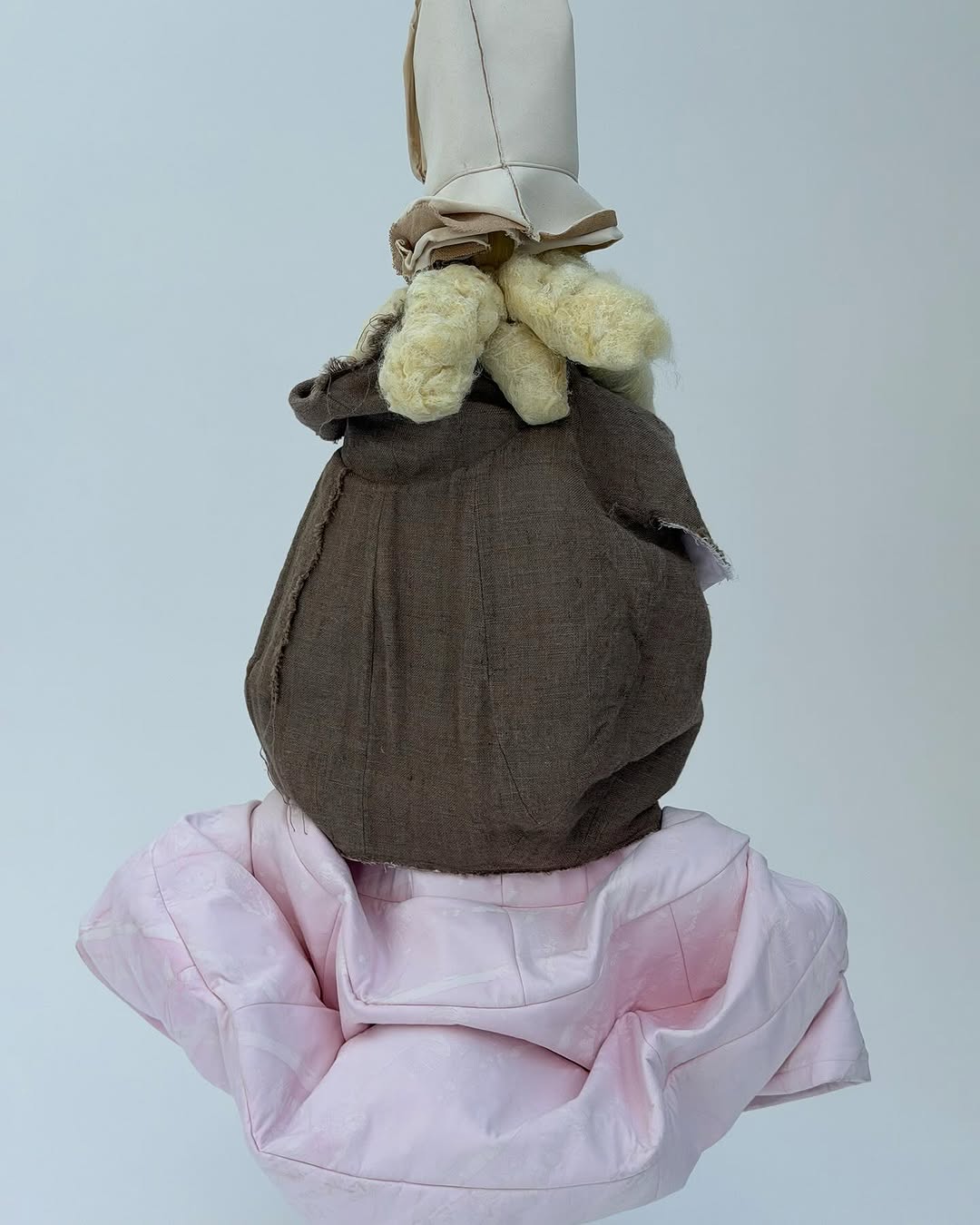
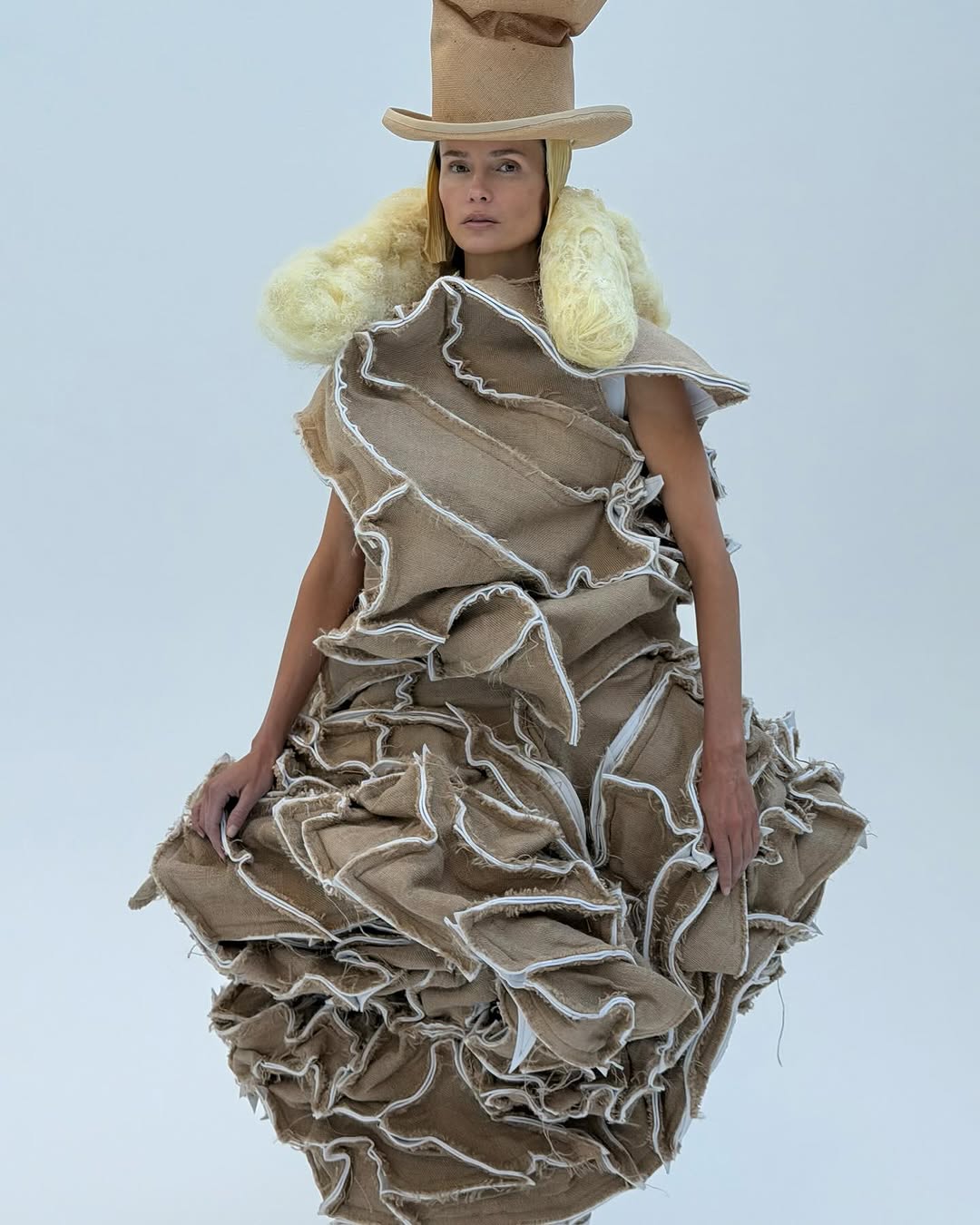
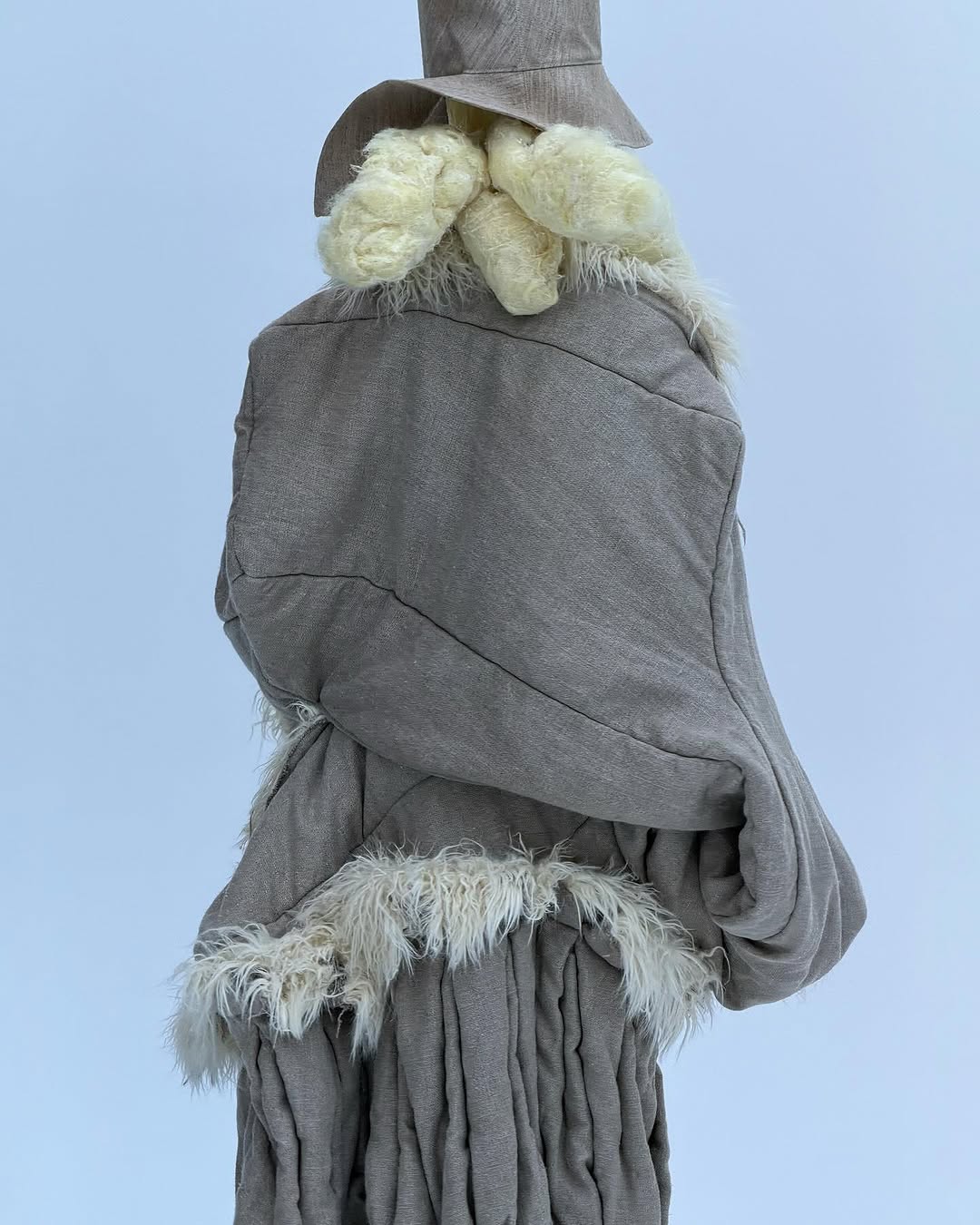
SS26 continues in that direction. The version appearing in CR is not a full runway survey. It is a curation: the pieces that photograph as architecture, that occupy space on a body the way sculpture occupies a room.
Natasha Poly as Material, Not Model
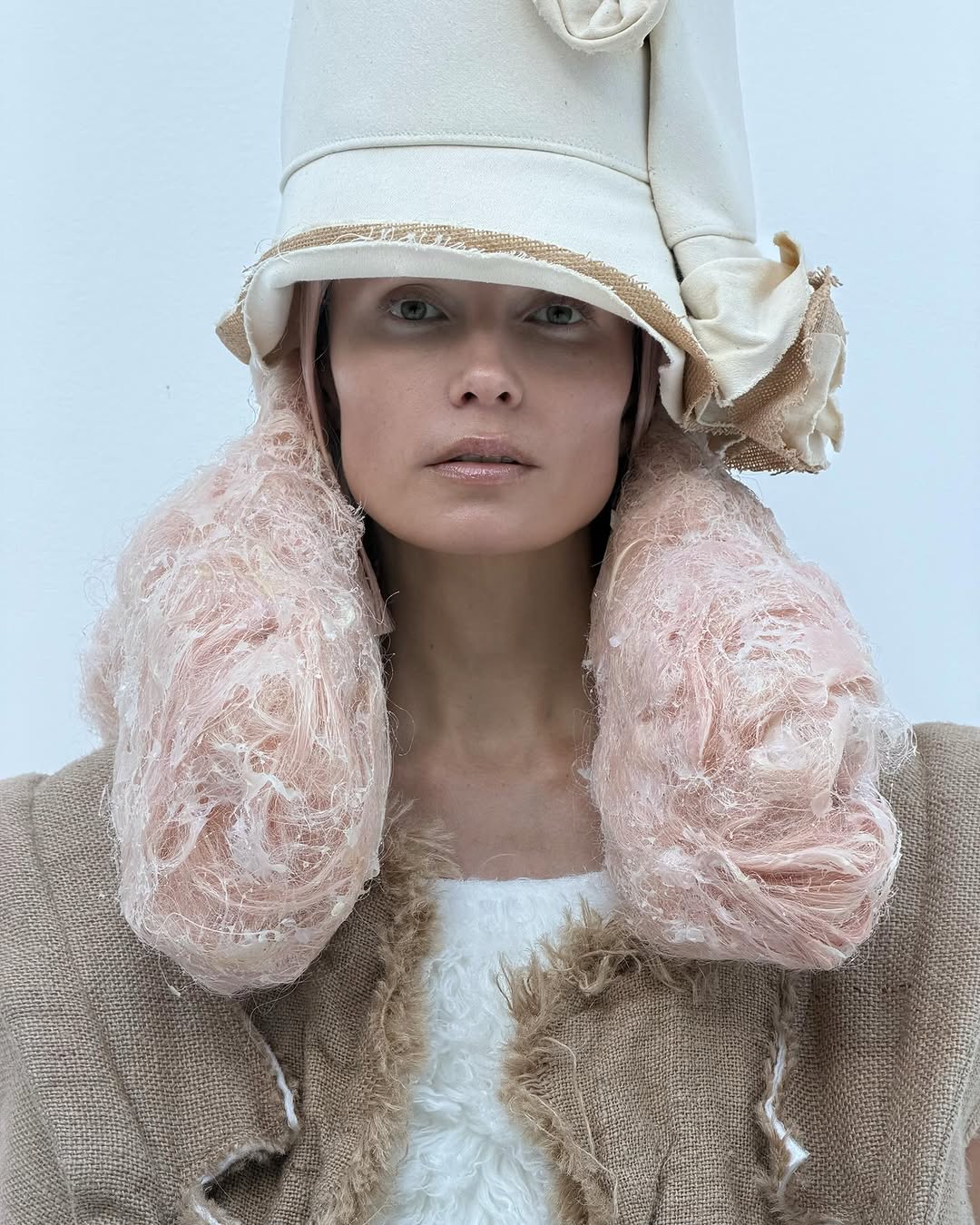
Poly is not decorating this editorial. She is functioning as the object through which the garments are being read. McKimm understands this. His lighting is architectural; the images do not flatten the clothes into magazine surfaces. The depth of the fabric, the structure of the lapels, the weight implied by the silhouette choice, all of it is readable in the final frames.
This is what separates a genuine CdG editorial from brand placement. The garments are not background. They are the argument. Poly, who has been modeling since 2004 and commands editorial currency that very few models at her career stage still hold, lends credibility without consuming the frame.
What CdG SS26 Is Actually Made Of
The SS26 collection operates in Kawakubo's signature deconstructed territory: asymmetrical volumes, exposed structure, fabric choices that read as deliberate material resistance. The specific pieces in the editorial include layered coats with collapsed shoulder lines and woven pieces where the weave itself becomes the silhouette decision. No visible hardware. No logo placement. The brand communicates entirely through proportion and material weight.
This is construction-first fashion at its most committed. You are not buying a logo when you buy Comme des Garçons. You are buying a decision about what clothing is allowed to look like.
CR's Editorial Bet Lands
Roitfeld's choice to anchor a reinvention-themed issue with Kawakubo's SS26 rather than a younger brand or an AI-driven concept is itself a statement. It says reinvention does not require novelty. It requires commitment to a premise sustained over decades. The 36 silhouettes from AW26 and the continued SS26 presence in CR Fashion Book Issue 28 confirm that Comme des Garçons remains the most consistent argument for that position in the current market. No other brand has held this specific lane for this long without compromise.
Related Reading
- How Rei Kawakubo Changed Everything
- REI KAWAKUBO DRESSES THE VOID IN COMME DES GARCONS AW26
- ACNE STUDIOS SS26 CAST ROBYN AND SHOT IT IN A CIGAR SALON
Frequently Asked Questions
What is COMME des GARÇONS SS26?
SS26 is Comme des Garçons Spring/Summer 2026 collection by Rei Kawakubo, continuing the brand signature deconstructed silhouette work with asymmetrical volumes and structure-first garment construction.
What is CR Fashion Book Issue 28 about?
CR Fashion Book Issue 28, edited by Carin Roitfeld, is themed Reinvention and features an exclusive COMME des GARÇONS SS26 editorial with Natasha Poly photographed by Alastair McKimm.
Who is Alastair McKimm?
Alastair McKimm is the editor-in-chief of i-D magazine and a frequent CR Fashion Book contributor, known for architectural editorial photography that foregrounds garment construction over styling.
Topics: alastair-mckimm, rei-kawakubo, fashion, natasha-poly, ss26, comme-des-garcons, cr-fashion-book, editorial, comme-des-garons, comme des garçons