How Rei Kawakubo Changed Everything
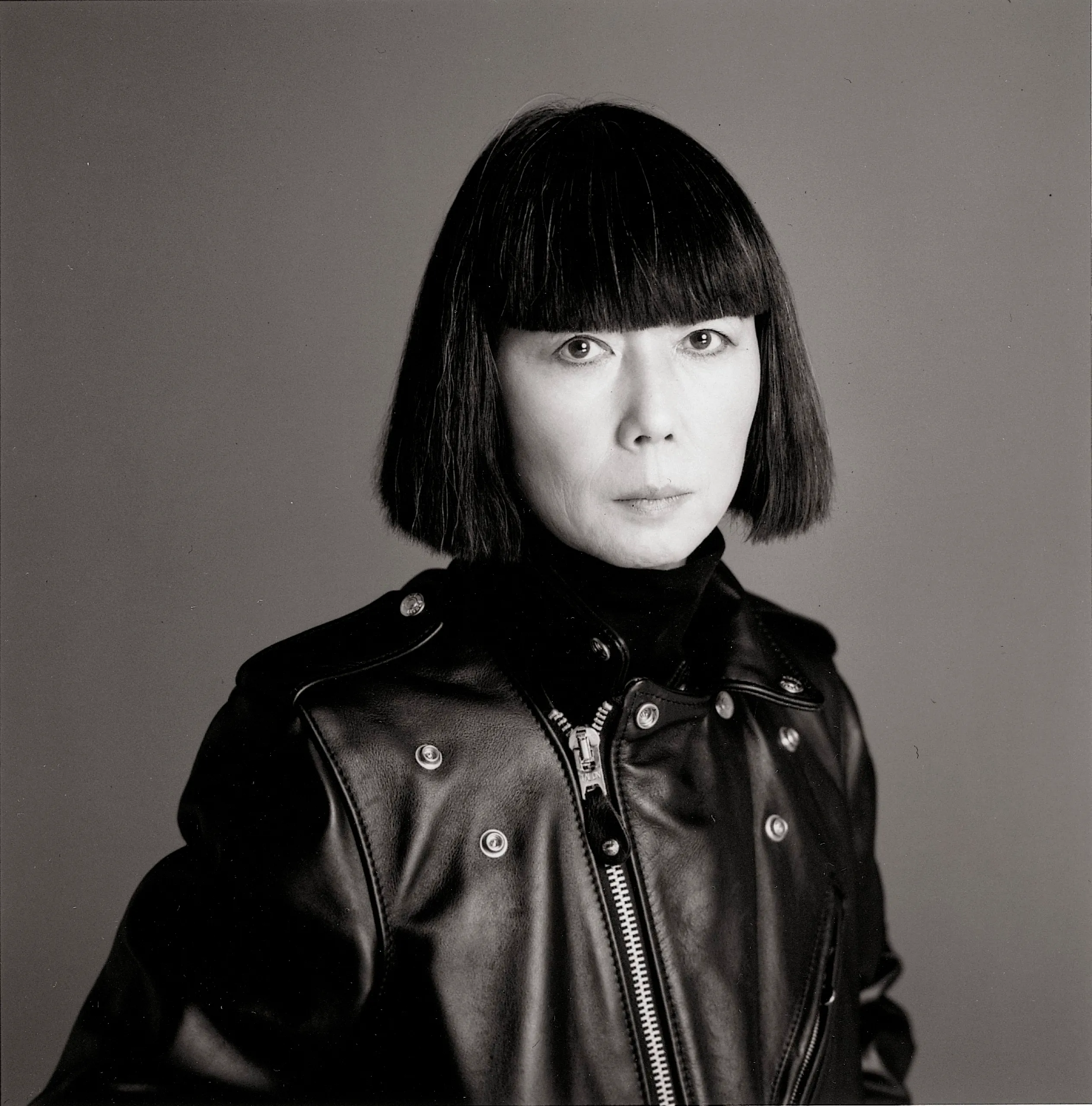
Comme des Garcons is a Japanese fashion brand generating $440M annually across 14 sub-labels. Founded by Rei Kawakubo in 1969, it operates Dover Street Market retail stores and the commercially successful PLAY sub-label. CDG is privately held with zero debt.
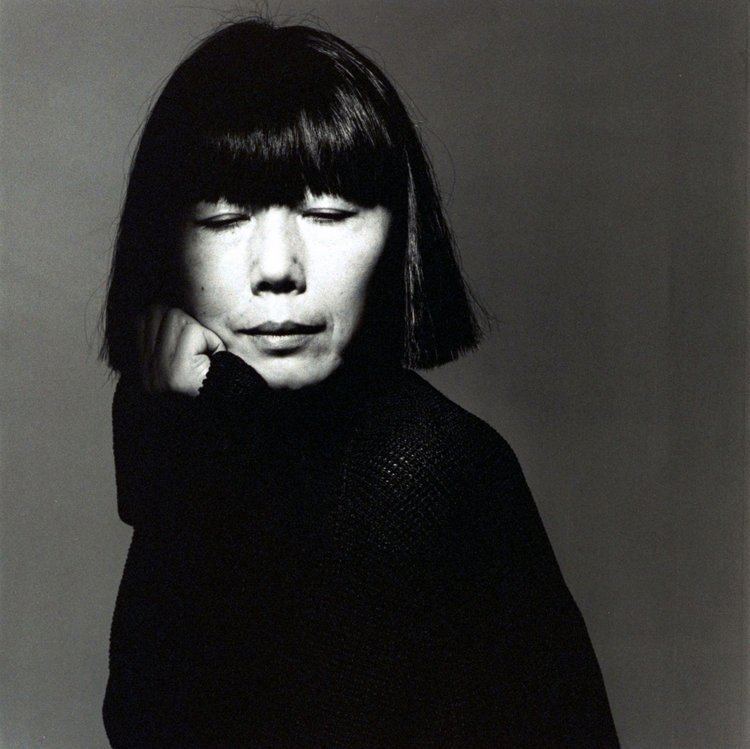
Key Points
- CDG generates $440M in annual revenue with 14 sub-labels
- PLAY sub-label reportedly generates $100-150M annually on heart logo basics
- CDG x Converse in continuous production since 2009, one of longest running sneaker collabs
The Paradox
Comme des Garcons generates approximately $440 million in annual revenue. Rei Kawakubo, the brand founder and sole creative director since 1969, has never studied fashion formally. The mainline collections feature garments that challenge conventional ideas about fit, beauty, and wearability: lump dresses (Spring 1997) that placed padded forms under fabric to distort the body silhouette, flat garments (Fall 2012) that eliminated darts and seams entirely, and monochrome collections that use black as a structural element rather than a color choice. The business thrives because the unwearable collections generate the cultural credibility that makes the wearable sub labels profitable.The Empire
CDG operates 14 sub labels. PLAY, the most commercially successful, puts a heart logo with eyes designed by Filip Pagowski on basic t shirts, hoodies, and sneakers that retail between $120 and $295. PLAY alone reportedly generates $100 to $150 million annually. Homme Plus handles luxury menswear. Shirt handles pattern cut oxford shirts. Junya Watanabe and Tao Kurihara operate as semi autonomous designers within the CDG structure. Dover Street Market, the multi brand retail concept Kawakubo created in 2004, operates stores in London, New York, Tokyo, Los Angeles, Beijing, and Singapore.The Converse Partnership
CDG PLAY x Converse Chuck Taylor, a Chuck 70 with the Pagowski heart on the side, retails at $150 and consistently resells at $180 to $250. The collaboration has been in continuous production since 2009, making it one of the longest running sneaker collaborations in history. The simplicity is deliberate: a heart on a shoe. Nothing else changes. The collaboration works because both brands share the same design philosophy: change as little as possible.The Business Logic
Kawakubo structures CDG as a privately held Japanese corporation with no outside investors, no board of directors requiring quarterly growth, and no obligation to explain creative decisions to financial stakeholders. The company reportedly carries zero debt. Dover Street Market leases are signed on favorable terms because landlords understand the halo effect: a DSM location increases foot traffic and perceived neighborhood quality for surrounding retail. The business model funds avant garde fashion through commercial sub brands without requiring the mainline to compromise.The Position
Kawakubo, at 83, has not named a successor. The absence of succession planning is either a strategic blind spot or a philosophical statement: CDG IS Rei Kawakubo, and the brand ends when she decides it ends. No other luxury house operates with this level of individual creative control and this degree of commercial success simultaneously. The Met Gala dedicated its 2017 exhibition to Kawakubo, only the second time a living designer received the honor (the first was Yves Saint Laurent in 1983). The clothes remain unwearable. The business remains unbeatable.The Anti-Design Thesis
Rei Kawakubo made clothes that do not fit because fitting is a submission to convention, and Kawakubo does not submit. The lumps, the asymmetry, and the deliberate discomfort of wearing Comme des Garçons are features, not flaws, because the brand exists to question why we wear clothes at all. Dover Street Market is the retail expression of that question: a department store where brands from Supreme to Gucci pay rent inside Kawakubo's philosophical framework.
CDG sells billions because the niche is larger than anyone estimated. The PLAY heart logo generates mass market revenue that subsidizes the runway experiments, and the runway experiments generate cultural credibility that sustains the PLAY sales. Kawakubo built a self-funding loop where commerce enables art and art enables commerce, and no fashion house has ever executed that loop with less compromise or more revenue. She refuses to explain the clothes because explanation is capitulation, and capitulation is the only thing Kawakubo has never designed.
Related Reading
- REI KAWAKUBO DRESSES THE VOID IN COMME DES GARCONS AW26
- COMME DES GARCONS REOPENS KYOTO FLAGSHIP WITH BOLD REDESIGN
- THE MARGIELA TABI BOOT IS THE MOST POLARIZING SHOE IN FASHION
Frequently Asked Questions
Who owns Comme des Garcons?
Rei Kawakubo is the sole founder and creative director of Comme des Garcons, operating it as a privately held Japanese corporation with zero debt and no outside investors since 1969.
How much does CDG make?
Comme des Garcons generates approximately $440 million in annual revenue across 14 sub-labels, with the PLAY line alone reportedly generating $100-150 million annually.
Topics: luxury, saint-laurent, supreme-suprsupreme, dover-street-market, avant-garde, rei-kawakubo, fashion, focus-59-18, gucci, design, converse, comme-des-garcons, saint laurent, cdg-play, supreme, comme-des-garons, comme des garçons, japanese-fashion