THE 2016 TREND PROVES WHEN CULTURE ACTUALLY PEAKED
TikTok searches for 2016 content exploded 425% in early 2026, proving the decade's lasting cultural impact. 2016 was the last year before political polarization and social upheaval fully set in, making it feel like 'simpler times'.

Key Points
- TikTok searches for 2016 content exploded 425% in early 2026, proving the decade's lasting cultural impact
- 2016 was the last year before political polarization and social upheaval fully set in, making it feel like 'simpler times'
- The year birthed authentic viral moments like Harambe memes, Pokemon Go mania, and the Mannequin Challenge that felt organic rather than manufactured
The Internet Just Figured Out 2016 Was Peak Culture
Scrolling through TikTok right now feels like time travel. TikTok searches for "2016" spiked 425% in the first week of 2026, and suddenly everyone's posting grainy throwbacks with captions like "it feels like 2016 again." The internet has collectively decided that ten years ago was when culture actually worked.
When Going Viral Meant Something
2016 was the last great year of organic internet culture. Harambe wasn't a calculated meme, it was genuine collective grief turned into dark humor. Pokemon Go had millions wandering streets at 2am hunting Pikachu, creating spontaneous communities in parks and parking lots. The Mannequin Challenge swept from high school hallways to NFL locker rooms, powered by Rae Sremmurd's "Black Beatles" hitting number one purely through viral momentum.
These weren't brand activations or influencer campaigns. They were authentic cultural moments that happened because people actually wanted to participate, not because algorithms pushed them.
Fashion That Wasn't Trying So Hard
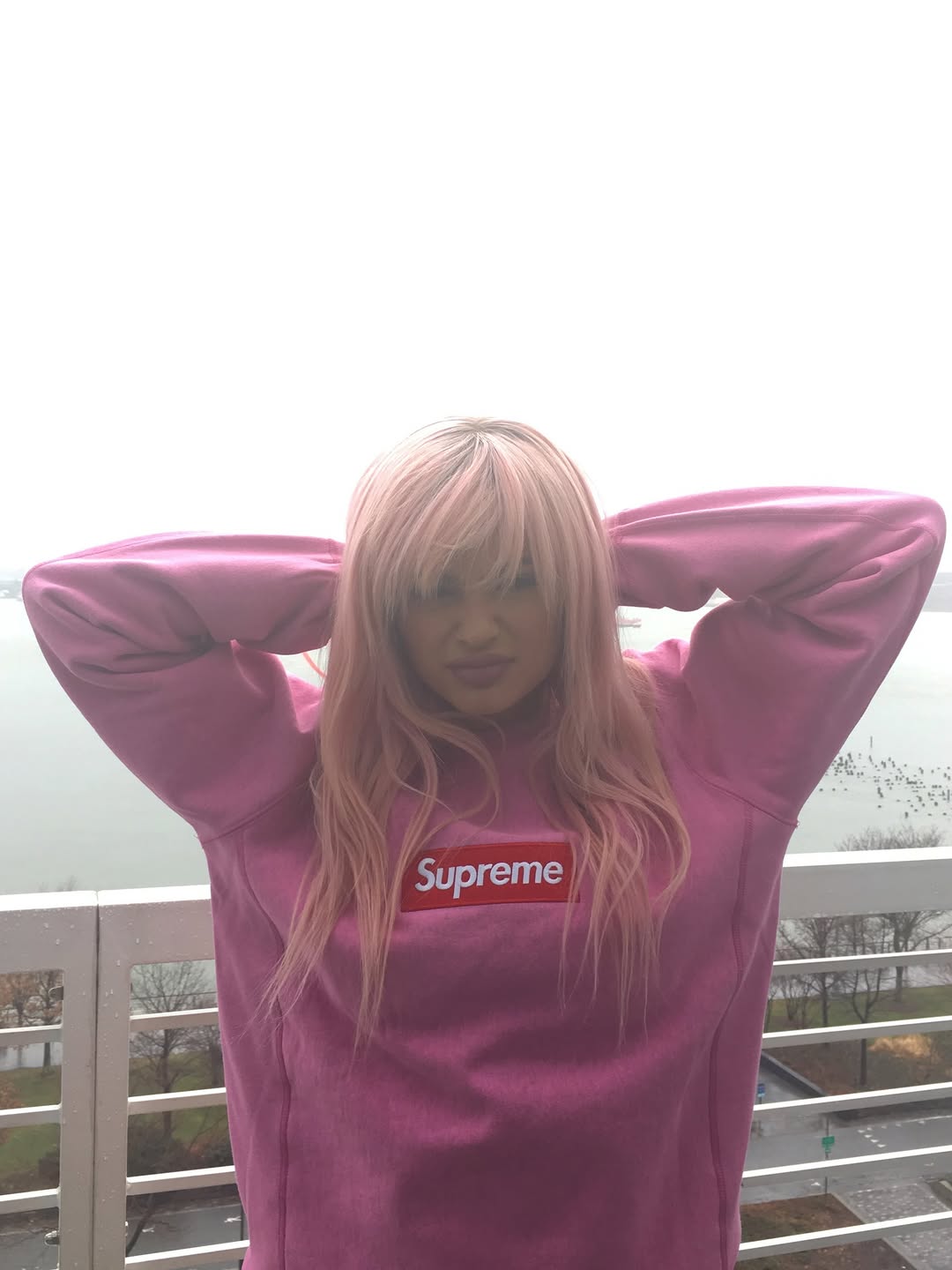
The style was effortlessly cool in a way that feels impossible now. Athleisure dominated with Jerry Lorenzo's Fear of God and Kanye's Yeezy making hoodies and joggers acceptable everywhere. Supreme box logo drops caused actual riots, not manufactured scarcity marketing. Off-the-shoulder tops, chokers, and bomber jackets felt fresh, not like trend cycles being recycled every six months.
People wore what made them feel good, not what would perform best on Instagram. The difference shows.
The Last Simple Year
2016 marked the end of something. It was pre-Trump presidency chaos, before social media became a battlefield, when Netflix still felt revolutionary and streaming meant binge-watching Stranger Things without guilt. Music was Drake's "Views," Rihanna's "Anti," and The Chainsmokers owning summer with "Closer." Everything felt big but not heavy.
As one cultural analyst put it: "We had just started to evolve past Tumblr-era cynicism, and from a social media perspective, the algorithms were less aggressive." Translation: the internet still felt human.
Why We're Looking Back
The 2016 nostalgia trend isn't really about the past. It's about longing for when cultural participation felt joyful instead of performative. When going viral was about shared experience, not engagement metrics. When fashion was about expression, not content creation.
Social media users, from millennials hitting major life milestones to Gen Z navigating peak high school years, remember 2016 as the last time everything felt genuinely fun. Before the weight of political polarization, global crises, and social upheaval made every cultural moment feel loaded with consequence.
The internet wants 2016 back because it was the last time being online felt like being part of something bigger, not smaller.
Related Reading
- MAISON MARGIELA AND SUPREME JUST ANNOUNCED A COLLAB AND NOBODY SAW IT COMING
- OJAS LISTENING ROOM AT KARIMOKU TOKYO
- STUSSY VS SUPREME THE ORIGINAL VS THE SUCCESSOR
Frequently Asked Questions
Why did TikTok searches for 2016 content spike in 2026?
TikTok searches for '2016' spiked 425% in early 2026 as users became nostalgic for what the internet collectively decided was 'peak culture'—a time before major political polarization and social upheaval fully set in. The surge reflects people's longing for what felt like simpler times with more authentic, organic viral moments.
What were the biggest viral moments from 2016?
Major 2016 viral moments included the Harambe memes (genuine collective grief turned into dark humor), Pokemon Go (which had millions hunting creatures outdoors and creating spontaneous communities), and the Mannequin Challenge (which spread from high schools to NFL locker rooms powered by Rae Sremmurd's 'Black Beatles'). These moments were organic and authentic rather than manufactured by brands or algorithms.
Was 2016 the last year of organic internet culture?
According to the article, 2016 was the last great year of organic internet culture before algorithmic manipulation and influencer marketing became dominant forces. The viral moments of 2016 happened because people genuinely wanted to participate, not because algorithms pushed them or brands orchestrated campaigns.
What fashion trends defined 2016?
2016 fashion was dominated by athleisure, with brands like Fear of God and Kanye West's Yeezy making hoodies and joggers acceptable everywhere, plus trends like off-the-shoulder tops, chokers, and bomber jackets. Supreme box logo drops caused actual riots during this period, driven by authentic demand rather than manufactured scarcity marketing.
Why do people think 2016 was better than recent years culturally?
People view 2016 as culturally superior because it was the last year before political polarization and social upheaval fully set in, making it feel like 'simpler times.' The viral moments felt authentic and organically driven by genuine user participation rather than algorithmic promotion or brand activation strategies.
Topics: fear-of-god, viral-culture, supreme-suprsupreme, nfl, jerry lorenzo, netflix, fear of god, tiktok, 2016-nostalgia, athleisure, pokemon-go, harambe, drake, supreme, yeezy, jerry-lorenzo, social-media-trends