Ron Arad's 1983 Concrete Stereo Is the Most Serious Audio Object Anyone Built
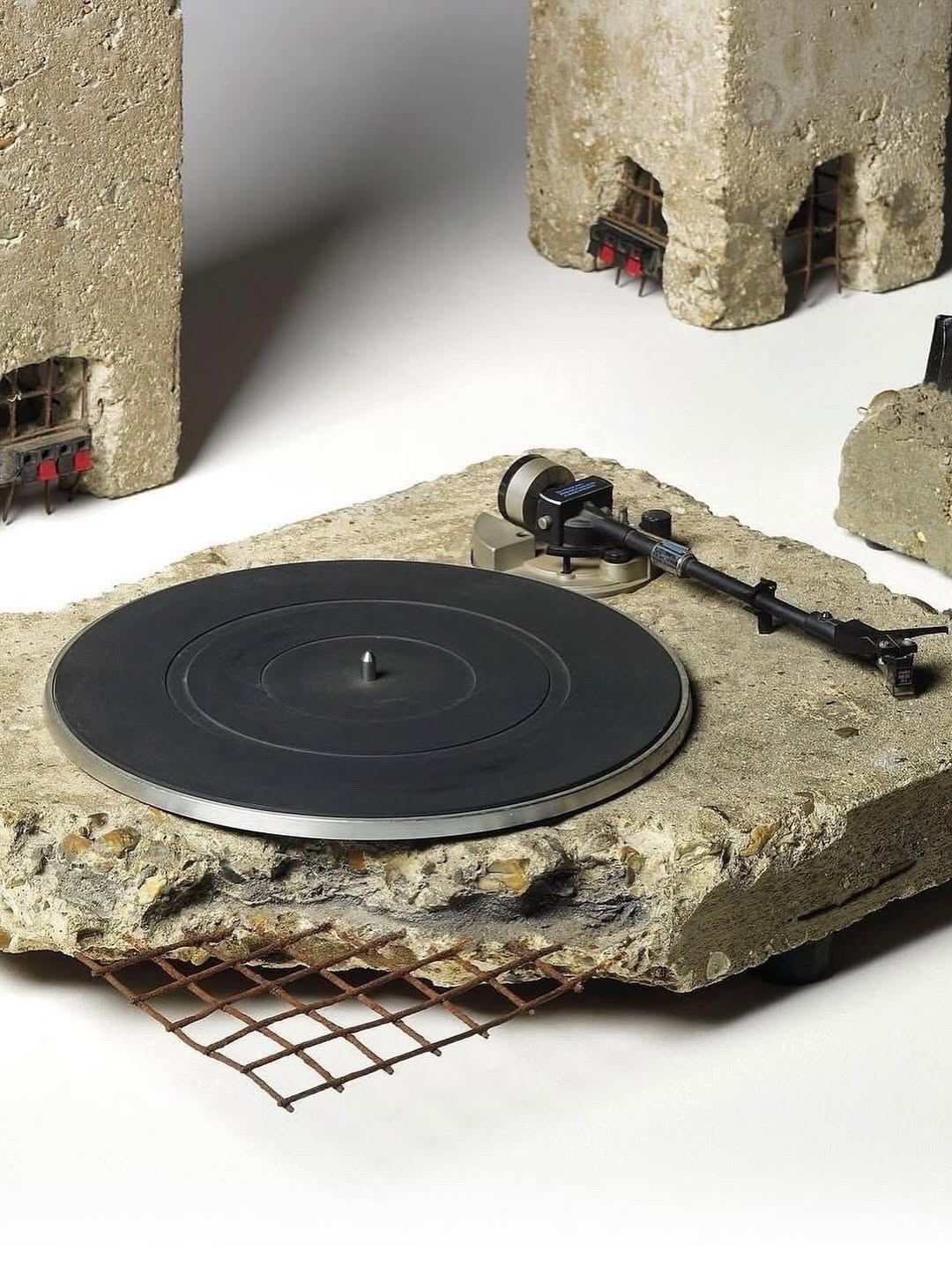
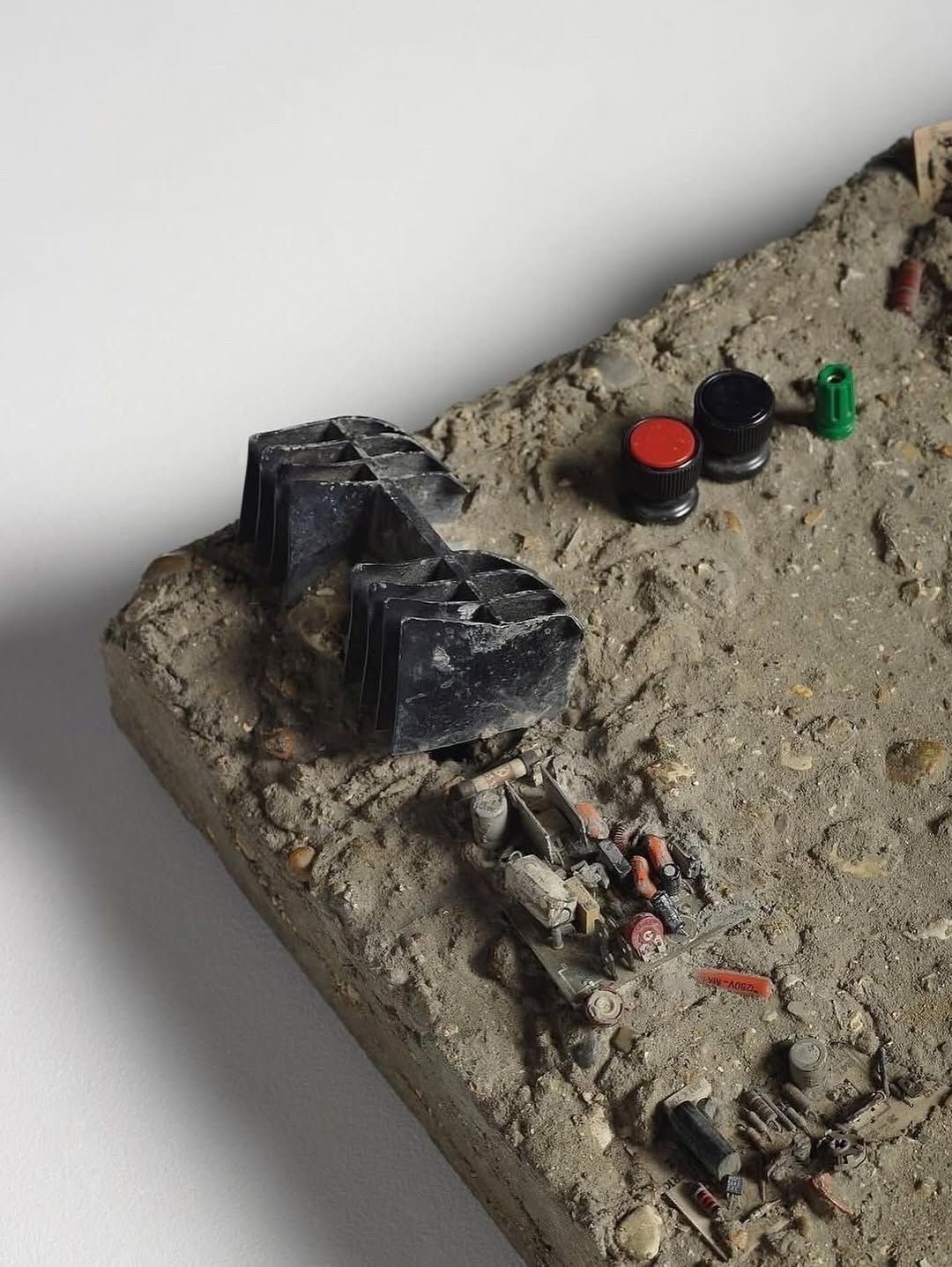
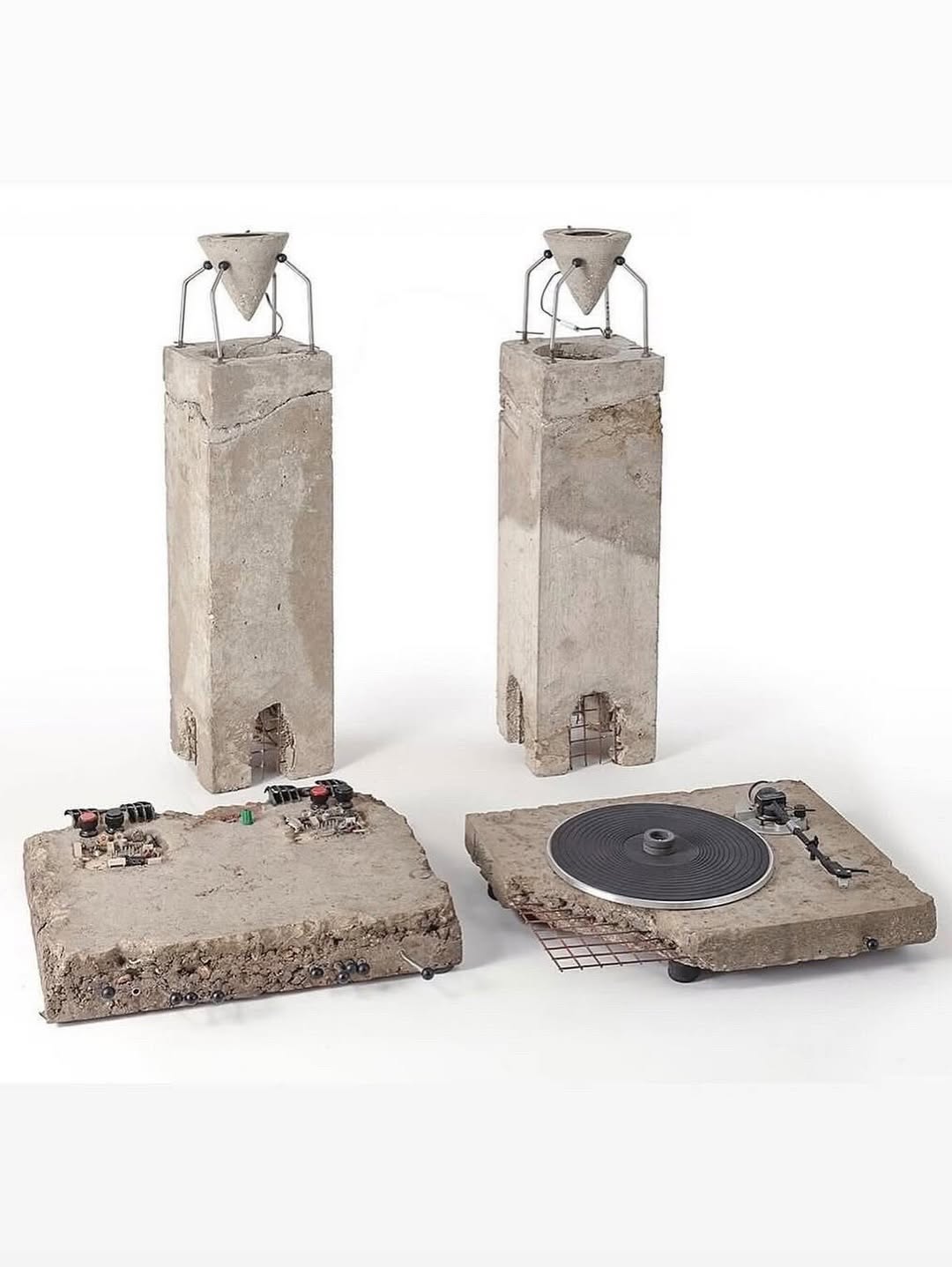
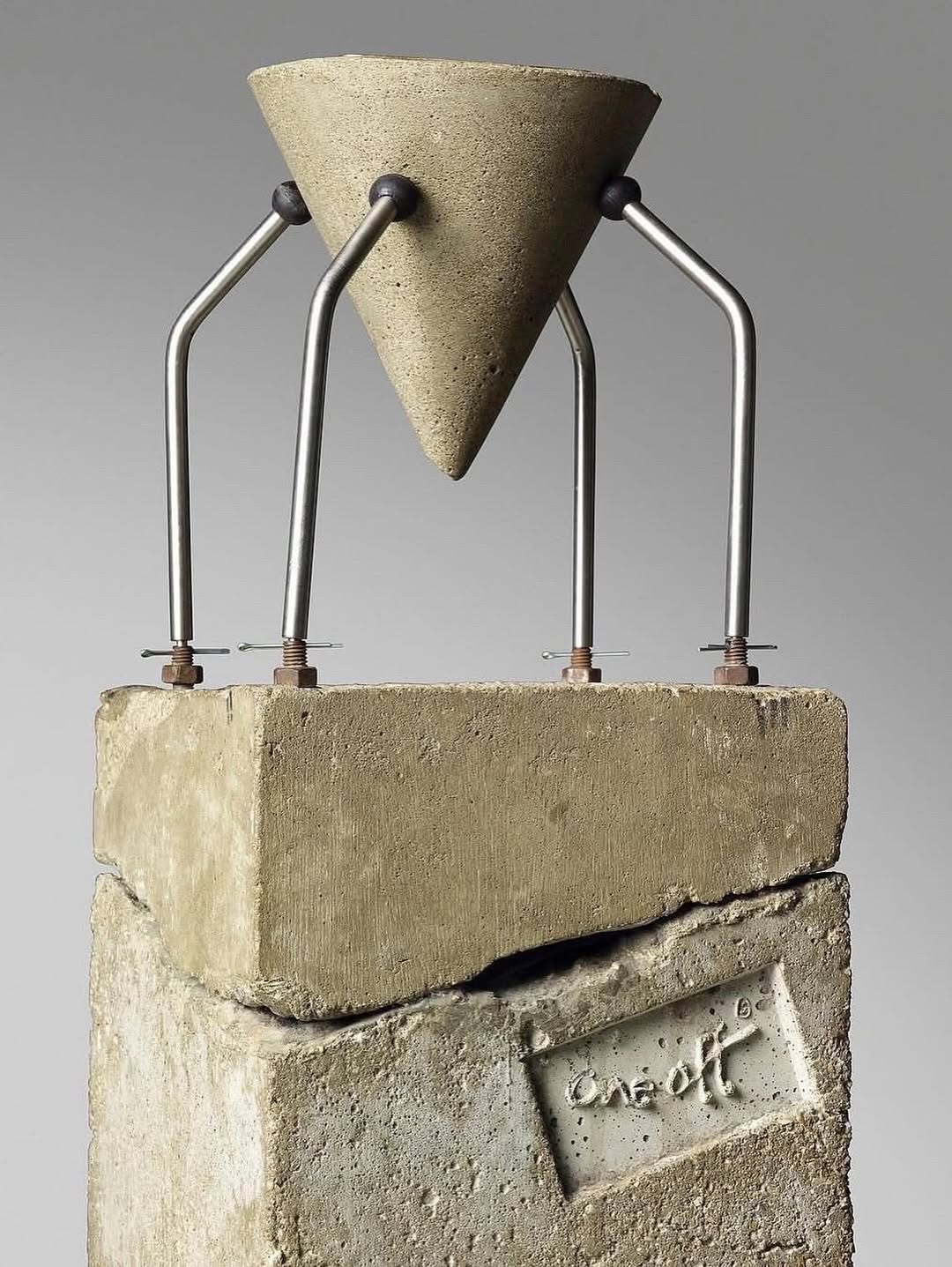
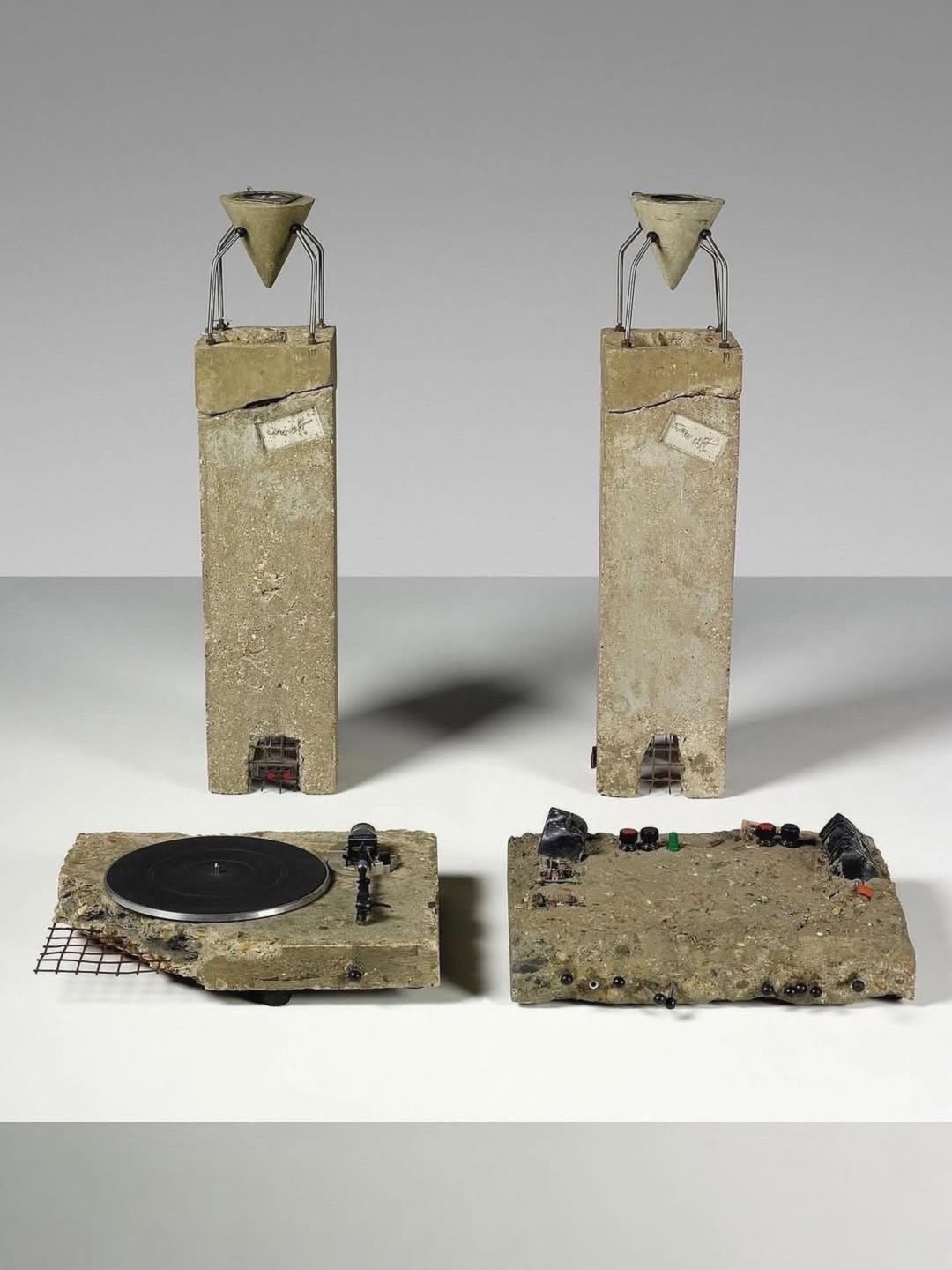
Ron Arad's Concrete Stereo (1983) was made at his One Off studio in Covent Garden by encasing audio components in poured concrete. The object predates his international reputation by a decade and demonstrates his material-first design philosophy. Type7 surfaces the object as a reference in the overlap between serious collector design and audio culture.
Key Points
- Ron Arad created the Concrete Stereo in 1983 at his One Off studio in Covent Garden, two years after founding the studio.
- Concrete enclosure provides resonance control through mass, an audiophile property achieved through material choice rather than acoustic engineering.
- Type7 surfaces the Arad stereo as a reference object in the automotive collection and audio design conversation.
Ron Arad made the Concrete Stereo in 1983. He was 31. He had opened One Off, his Covent Garden studio, the year before with a welding torch and a recycled Rover car seat. The concrete stereo preceded his international reputation by approximately a decade, and it does not care. It sits in the room at whatever weight fresh concrete achieves when poured around the internal components of a stereo system, and it challenges anyone who looks at it to explain what an audio object is supposed to look like.
1983, Covent Garden, and Post-Apocalyptic Logic
Arad's studio in 1983 was working in opposition to the prevailing aesthetic of British design, which ran toward either the tasteful heritage minimalism of the establishment or the plastic pop exuberance of the design decade. Arad went structural. He welded his chairs from found industrial materials. He cast his tables in unconventional materials. The concrete stereo extends this logic to a category where it had never appeared: consumer electronics.
The term "post-apocalyptic," used in the caption that Type7 applied to this image, is accurate and not hyperbolic. The object looks like it survived something. The concrete casing suggests permanence over performance portability. It communicates that the audio components within are not meant to be replaced when the next generation of technology arrives, but are instead meant to operate until the object itself fails. That is a different relationship with consumer electronics than any product designed between 1983 and now.
What Concrete Does to the Audio Object
Concrete as an enclosure material for audio equipment has acoustic properties that differ from the MDF or ABS plastic that most speaker and stereo cabinet design uses. Concrete is dense. Dense materials absorb vibration rather than transmitting it. Audiophile speaker cabinet design operates on a principle of resonance management: the enclosure must not become a secondary sound source by vibrating with the speaker output. Concrete achieves this not through engineering calculation but through mass.
The sound that comes out of a concrete-enclosed stereo component is therefore theoretically more controlled at the component level than the same electronics in a conventional cabinet. Arad was not building around audiophile specification. He was building around material honesty. The sonic benefit is incidental, a byproduct of choosing the most structurally committed material available to a designer with a workshop in Covent Garden and the willingness to pour it.
Type7 and the Cultural Inventory
Type7 presents this object not as something for sale but as a reference point in the conversation between automotive aesthetics and sound culture that the company inhabits. Their clients are collectors, and collectors read cultural objects as signals about what level of intention is required. The Ron Arad concrete stereo in 2026 says the same thing it said in 1983: that if you are serious about audio, the object that holds your audio equipment should communicate seriousness through material, not through specifications.
Forty-three years after Arad poured the concrete, "post-apocalyptic audiophile equipment" still has no better definition than the thing itself. That is either a failure of imagination in the industry or evidence that Arad solved the problem so completely in 1983 that no one since has found a better answer to the question he was asking.
Related Reading
- Dick Barbour's 1980 Porsche Wore Apple's Logo. Porsche Penske Ran It Back at Laguna Seca.
- EDITION OFFICE BUILT ABOVE THE GROUND IN MELBOURNE
- GONZALO BARDACH BUILT HOUSE JR INTO THE EARTH
Frequently Asked Questions
What is Ron Arad's Concrete Stereo?
The Concrete Stereo is a 1983 design by Ron Arad made at his One Off studio in Covent Garden, featuring stereo components encased in poured concrete — designed as a post-apocalyptic, permanence-first audio object.
Why did Ron Arad use concrete for a stereo?
Arad was applying his studio's material-first philosophy — using unconventional industrial materials — to consumer electronics. Concrete's mass provides natural resonance control, though Arad's primary motivation was material honesty over acoustic engineering.
Is the Ron Arad Concrete Stereo available to buy?
The original 1983 Concrete Stereo is a rare collector object. Type7 references it as a design touchstone; it has appeared in auction and museum contexts including Christie's.
Topics: ron-arad, 1983, collector-objects, type7, one-off, porsche, audio-design, apple, concrete-stereo, brutalist-design