Why Prada Still Charges $2,500 and Gets Away With It
Prada Group, led by co-creative directors Miuccia Prada and Raf Simons, generated 4.7 billion euros in 2024 revenue. The brand is known for turning nylon into a luxury material and maintaining an anti-marketing strategy that includes sailing sponsorship and the Fondazione Prada art institution.
Key Points
- Prada Re-Nylon Galleria bag retails at $2,500 made from ECONYL nylon costing under $3
- Prada Group revenue hit 4.7 billion euros in 2024 with Miu Miu growing 80% YoY
- Prada operates 635 directly owned stores with wholesale under 15% of revenue
$3 of Nylon, $2,500 at Retail
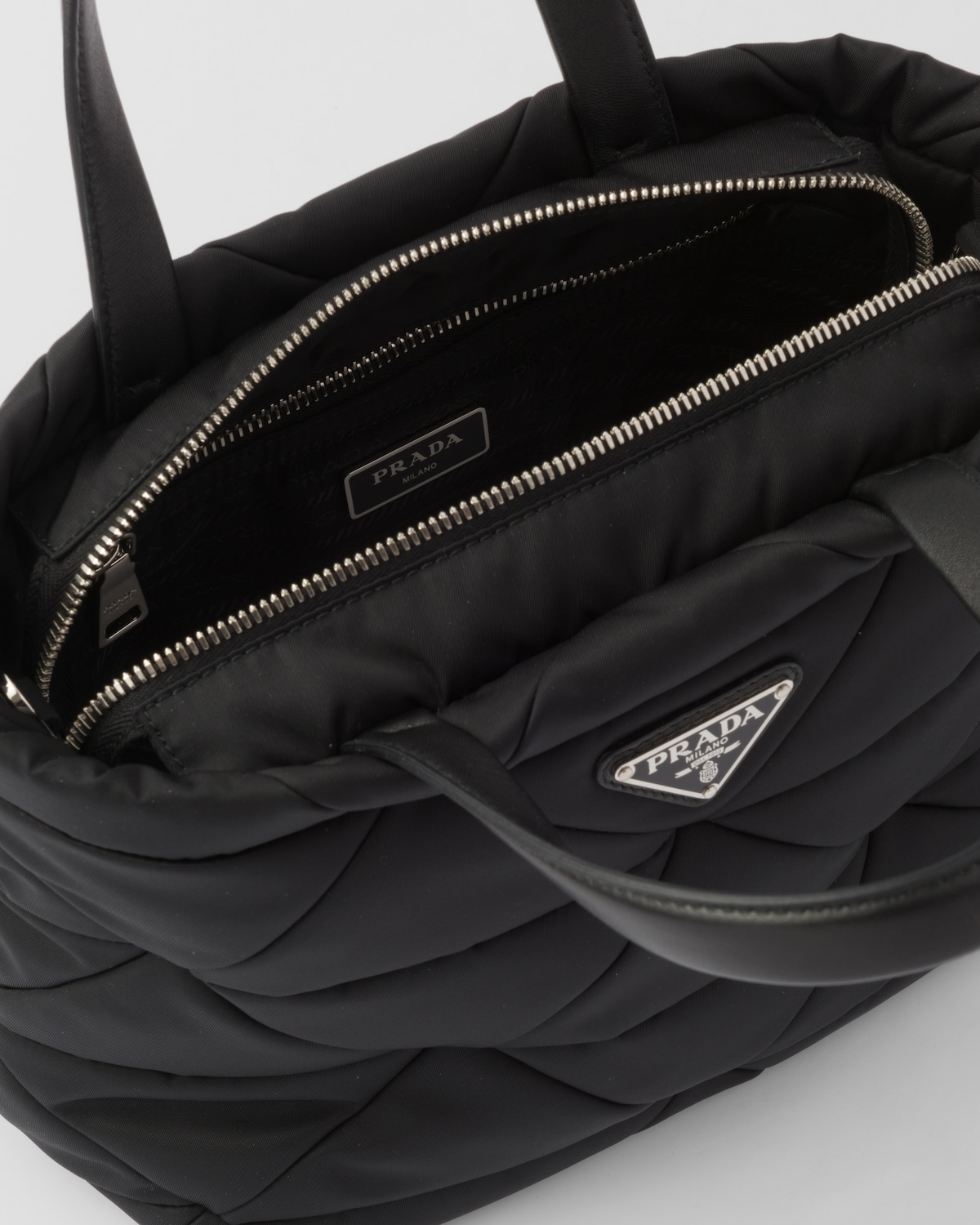
Prada's Re-Nylon Galleria bag retails for $2,500 in 2026. The primary material is regenerated ECONYL nylon, sourced from ocean waste and landfill fibers. The raw cost of that nylon per bag is estimated at under $3. The margin is not the story. The story is that customers pay it without questioning the material, and the waitlist stretches six months in most markets.
Miuccia Prada introduced nylon into luxury in 1984. At the time, luxury meant leather, silk, and wool. Nylon was for parachutes and camping gear. The decision was deliberate. Prada wanted to challenge the idea that luxury required precious materials. Forty years later, the nylon backpack she designed, known internally as the Vela, remains the brand's most recognizable product. It has been reissued in over 200 colorways and retails for $1,350 in the current collection. The secondhand market for 1990s originals starts at $600 for well-worn examples.
The Anti-Marketing Machine
Prada spends less on traditional advertising than any comparable luxury house. The brand does not use influencer seeding programs. It does not sponsor music festivals. It does not pay celebrities to sit front row. Instead, it sponsors sailing through the Luna Rossa team and operates the Fondazione Prada, a contemporary art foundation in Milan with permanent installations designed by Rem Koolhaas of OMA.
The Fondazione opened in 2015 in a former distillery complex. Admission is 15 euros. The permanent collection includes works by Carsten Höller, Louise Bourgeois, and Damien Hirst. The annual operating cost exceeds $10 million. It is not a vanity project; it positions Prada within intellectual culture rather than celebrity culture. The only brands playing a similar game are Cartier (with its foundation in Paris) and LVMH (with the Fondation Louis Vuitton), and both of those cost significantly more to operate.
Financial Architecture
Prada Group reported revenues of approximately 4.7 billion euros in 2024, with the Prada brand accounting for about 3.6 billion and Miu Miu generating approximately 1.1 billion. Miu Miu's growth rate exceeded 80% year over year, the fastest of any major luxury label. The surge is driven by a younger demographic (average customer age 28 versus 38 for Prada mainline) and lower price points that function as entry-level luxury.
The company operates roughly 635 directly operated stores worldwide. Wholesale accounts for less than 15% of revenue. This direct retail model gives Prada control over pricing, presentation, and customer data that most competitors lack. Hermès runs a similar model. Gucci relies more heavily on department store partnerships. The difference shows in margin consistency: Prada's operating margin has stayed above 20% for three consecutive years.
The Raf Simons Effect
Raf Simons joined as co-creative director in April 2020. The partnership with Miuccia Prada has produced collections that blend her intellectual rigor with his architectural minimalism. The SS26 collection featured deconstructed tailoring in bonded wool, laser cut leather panels, and shoe soles made from recycled rubber. Average ready to wear price points hover around $2,800 for outerwear and $1,200 for knitwear.
Before Prada, Simons served as creative director at Dior (2012 to 2015) and Calvin Klein (2016 to 2018). Both tenures ended prematurely. The Prada partnership has lasted longer than either because Miuccia gives Simons creative space without the commercial pressure that sank his Calvin Klein vision. The co-creative model is unprecedented at this level of luxury.
Verdict
Prada is the only luxury house that made nylon prestigious, sailing relevant, and contemporary art profitable, all while spending a fraction of what LVMH spends on marketing. At $2,500, the Re-Nylon bag is expensive for what it is materially. But the brand proved that what you charge is less important than why people pay it. The nylon is the message.
Prada charges $2,500 for a nylon bag because the nylon is the point. Miuccia took the cheapest material in fashion and convinced the world it was worth more than leather by wrapping it in intellectual rigor. The six month waitlist exists because the bag is not a bag; it is admission to a club where ugly is beautiful and beautiful is obvious, and nobody at Prada has ever been interested in obvious.
Related Reading
- MIUCCIA PRADA MADE A NYLON BAG AND THE FASHION WORLD LOST ITS MIND
- What Prada's All-White SS26 Collection Is Actually Saying
- AIMÉ LEON DORE SS26 DELIVERY 5 IS COMING
Frequently Asked Questions
Why does Prada use nylon in luxury products?
Miuccia Prada introduced nylon to luxury in 1984 to challenge the idea that luxury required precious materials like leather or silk. The nylon backpack became the brand's most recognizable product.
How much revenue does Prada generate?
Prada Group reported approximately 4.7 billion euros in revenue in 2024, with the Prada brand at 3.6 billion and Miu Miu at 1.1 billion euros.
Who designs for Prada now?
Miuccia Prada and Raf Simons serve as co-creative directors since April 2020, combining her intellectual approach with his architectural minimalism.
Topics: italian-fashion, dior, herms, louis vuitton, miuccia-prada, hermès, luxury-fashion, gucci, miu-miu, raf-simons, prada, louis-vuitton, re-nylon, miu miu, nylon, luxury-brands