PORSCHE'S 1977 2.7 MID YEAR SURVIVED A THERMOREACTOR SCARE
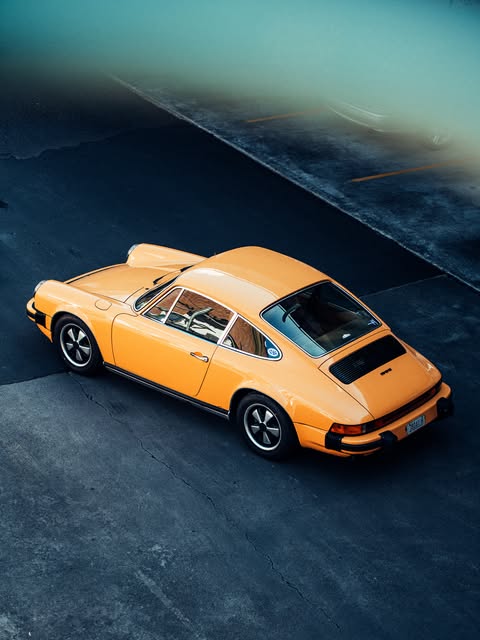
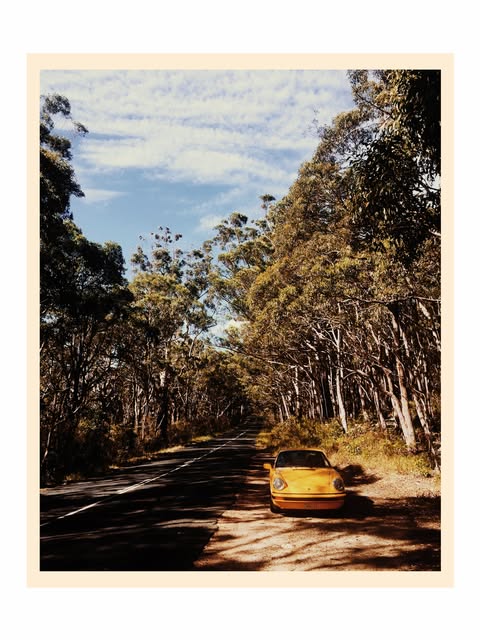
Thomas Walk's 1977 Porsche 911 2.7 shipped with no fifth gear, one mirror, and vinyl seats, the base spec his original owner ordered. The thermoreactor emissions hardware blamed for cooking magnesium crankcases on US market 1975 to 1977 cars was never fitted to his Australian delivered example, and Porsche Classic has sold replacement magnesium crankcases for the affected engines since 2023.




Key Points
- Thomas Walk's 1977 Porsche 911 2.7 shipped with no fifth gear, one mirror, and vinyl seats.
- US market 2.7 engines from 1975 to 1977 used thermoreactors that overheated magnesium crankcases.
- Porsche Classic began selling new magnesium crankcases for F and G series engines in 2023.
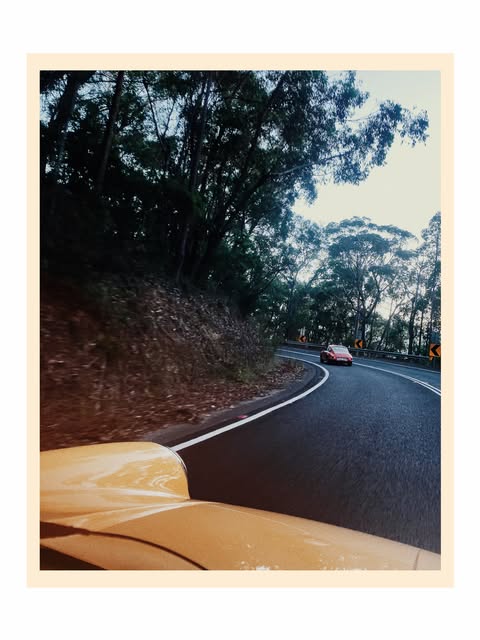
5,000 rpm, a single mirror, and no fifth gear. That is the spec sheet Thomas Walk's 1977 Porsche 911 2.7 shipped with when its original Australian owner declined nearly every option Zuffenhausen offered. Eight years into ownership, Walk is making the case that the most stripped down mid year 911 in the lineup is also one of the most honest cars Porsche ever built.
Mid year is the shorthand collectors use for the impact bumper 911s built between 1974 and 1977, the generation that absorbed new US crash regulations without losing the car's original proportions. Walk's Talbot Yellow example sits at the bottom of that range on paper. In person, he argues, the spec sheet stops mattering the moment the engine clears 5,000 rpm on an empty road.
Vinyl Interior and a Missing Fifth Gear Were the Order
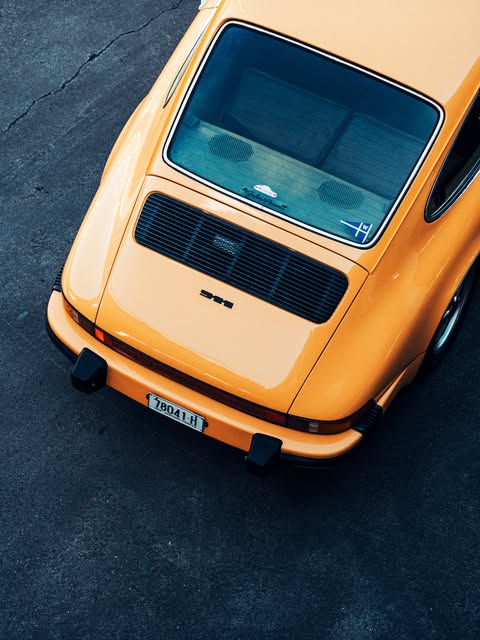
The original 1977 order form shows what the first owner skipped: the optional fifth gear, a passenger side mirror, and cloth upholstery. What arrived instead was a four speed gearbox, a single driver side mirror, and vinyl seats, the base configuration Porsche offered before options started adding weight and cost.
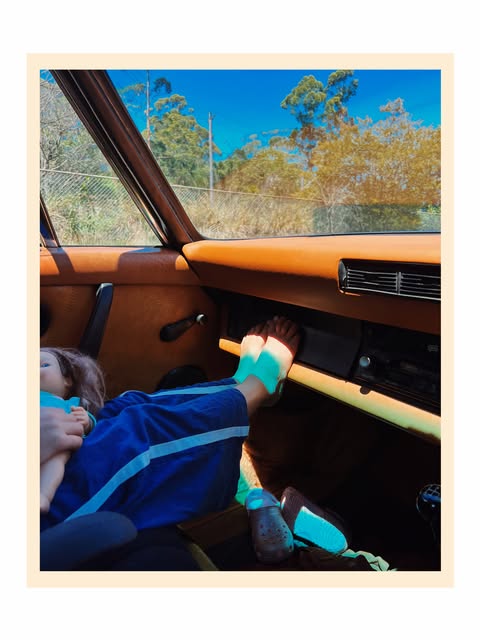
Vinyl over cloth was not a downgrade in 1977. It was the material a buyer chose when they wanted to drive the car hard and hose it out afterward, not preserve it under a cover. That single material choice tells you more about the first owner's intentions than any brochure copy could.
1974 to 1977 Zuffenhausen Built 1,633 MFI Carreras. Walk's Car Is Not One.
Porsche built 1,011 2.7 MFI Carreras in 1974, 509 in 1975, and 113 German only Sondermodell units in 1976, a total production run of 1,633 cars using mechanical fuel injection, the last 911 street engine to run it. Walk's 1977 car is a related but different animal: a standard 2.7, not the homologated Carrera, and CIS injected rather than mechanically fuel injected.
That distinction matters because the two cars get lumped together under the same mid year umbrella and the same reputation. The Carrera earned its RS adjacent status through the MFI engine and lightweight details. The base 2.7, Walk's car included, earned its reputation from something else entirely, and it is not a compliment.
Magnesium Cases Turned Into Thermoreactors on US Cars
American market 2.7 liter 911s built between 1975 and 1977 were fitted with secondary air injection and thermoreactors to meet emissions rules, and the added heat stress on the exhaust side is well documented to cook the magnesium crankcase underneath. Porsche took the problem seriously enough that Porsche Classic began selling new magnesium crankcases for F and G series 2.0 through 2.7 liter engines in 2023, decades after the original failures.
Walk's car was delivered new to Australia, a market that never required the thermoreactor hardware, so the crankcase that scares American buyers away from mid years never faced the heat that killed so many of them. The reputation is real. It is also regional, and Walk's Type7 colleague found a similar generational gap hunting a 911 variant the US market never received on Shikoku, the same story of geography deciding which cars survive.
A Bad Reputation Is Not the Same as a Bad Car
Porsche has built plenty of cars that earned nicknames worse than a scare story about crankcases. The 930 Turbo and 996 GT2 both carried the widowmaker name for genuinely dangerous handling traits, a different order of problem than a heat sensitive engine part on cars built for one specific market.
Walk's Talbot Yellow paint is itself a small rebuttal to the idea that mid years are dull. The color sits in the same family of loud period Porsche hues that the current 911 GT3 RS revived through Paint to Sample after Racing Yellow left the standard configurator in 2024. Eight years, a proposal, a wedding, and a first day of school later, Walk's four speed, one mirror, vinyl seated 2.7 has done everything a car is supposed to do. That is a better verdict than any spec sheet, and it is the argument for buying the mid year everyone warned him against.
A car built from an order form with almost every box left blank turned out to hold up better than the horror stories predicted, and an Australian delivery sheet did more to protect that engine than any amount of babying ever could. The lesson is not that mid years are safe. It is that the reputation was never really about the car.
Frequently Asked Questions
What is a Porsche 911 mid year?
Mid year refers to the impact bumper Porsche 911s built between 1974 and 1977, the generation that absorbed new US crash regulations while keeping the original 911 proportions.
Why do Porsche 911 2.7 models have a bad reputation?
American market 2.7 liter engines from 1975 to 1977 were fitted with emissions thermoreactors that added heat stress and were known to damage the magnesium crankcase underneath.
What is a thermoreactor on a Porsche 911?
A thermoreactor is a secondary air injection emissions device fitted to US market 911s that burns exhaust gases at high temperature, and its heat is linked to magnesium crankcase failures on 1975 to 1977 2.7 liter engines.
How many Porsche 911 2.7 MFI Carreras did Porsche build?
Porsche built 1,011 units in 1974, 509 in 1975, and 113 German only Sondermodell cars in 1976, for a total production run of 1,633 mechanically fuel injected Carreras.
Does Porsche still sell replacement magnesium crankcases?
Yes. Porsche Classic began offering newly manufactured magnesium crankcases for F and G series 2.0 through 2.7 liter engines in 2023.
Is the Porsche 911 2.7 MFI Carrera the same as a standard 2.7?
No. The MFI Carrera used a homologated mechanically fuel injected engine, while standard 2.7 models like Thomas Walk's 1977 car used CIS injection and were not badged Carrera.
Why was Thomas Walk's Porsche 911 2.7 spared the thermoreactor problem?
His car was delivered new to Australia, a market that did not require the US emissions thermoreactor hardware blamed for cooking magnesium crankcases.
What options did the original owner skip on this 1977 Porsche 911 2.7?
The order form shows the optional fifth gear, a passenger side mirror, and cloth upholstery were all left unchecked, arriving instead with a four speed gearbox, one mirror, and vinyl seats.
Topics: type7, 2-7-mfi-carrera, thermoreactor, mid-year-911, automotive, porsche-911, classic-cars, design, magnesium-crankcase, focus-46-61, porsche