PORSCHE CEO MICHAEL LEITERS CONFIRMS FLAGSHIP MODELS ABOVE 911 CAYENNE
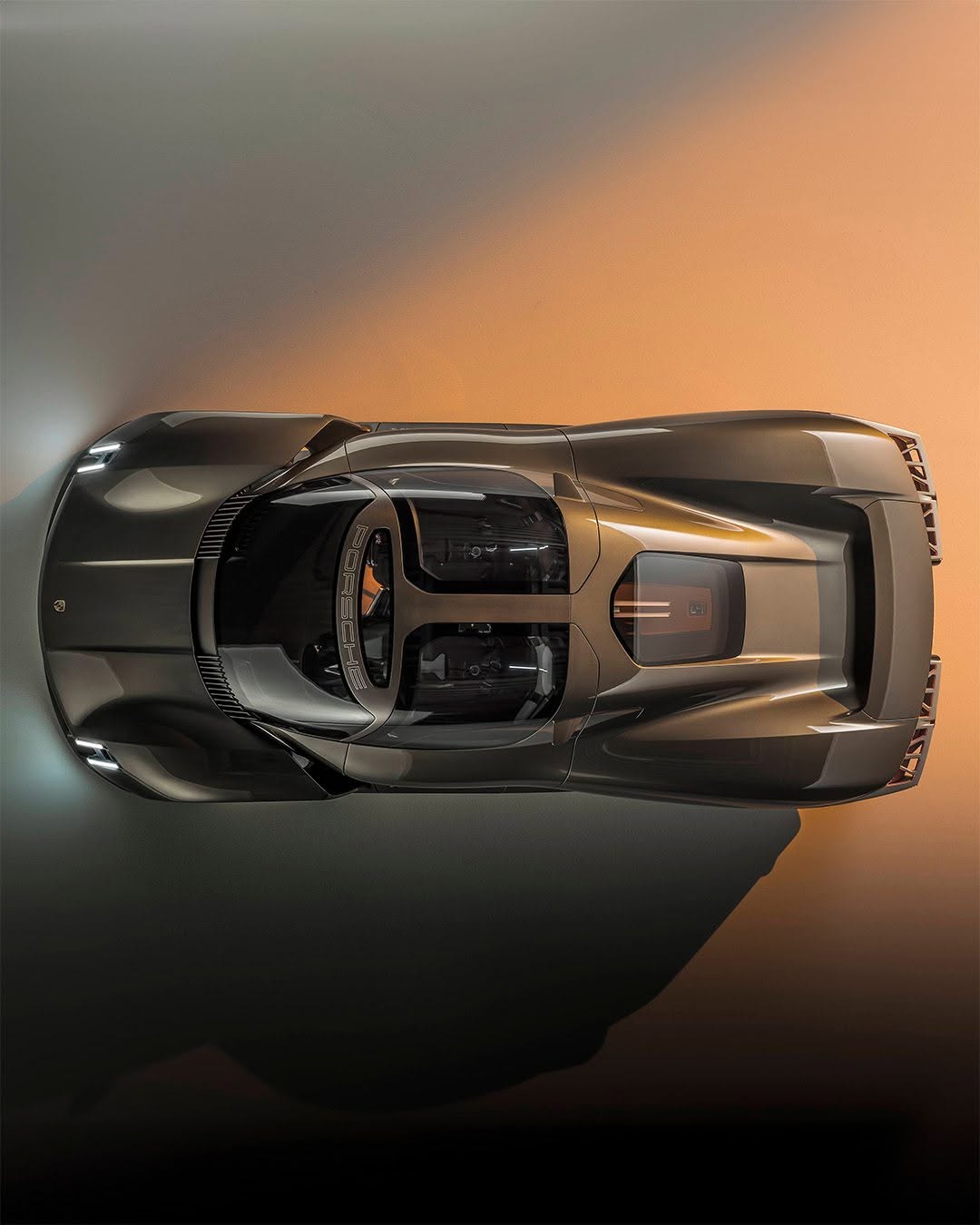
Porsche CEO Michael Leiters has confirmed plans to develop new flagship models above the 911 and Cayenne lineups as part of a recovery strategy following the company's 98% profit collapse in 2025. The new models include a potential 918 Spyder successor and the long-awaited three-row K1 SUV to target higher-margin segments.
Key Points
- Porsche's operating profit collapsed 98% to €90 million in 2025 from €5.3 billion in 2024
- K1 three-row SUV expected to launch in 2027 with prices starting above $200,000
- New hypercar above 911 being evaluated as spiritual successor to 918 Spyder
The Margin Recovery Playbook
Seventy days after taking office in January, Leiters outlined the first concrete cornerstones of his Strategy 2035: "We are considering the expansion of our product portfolio in order to grow in higher-margin segments." "In doing so, we are looking at models and derivatives both above our current two-door sports cars and above the Cayenne."
The timing is no coincidence. Porsche AG booked extraordinary expenses totalling approximately €3.9 billion in 2025 that, on paper, reduced its automotive operating profit by 98% — from €5.3 billion to just €90 million. When Porsche's automotive margin collapsed from 14.5% to 0.3% in a single year, the group lost its most important profit centre almost overnight.
Leiters brings the Ferrari and McLaren playbook to Stuttgart. Leiters has been CEO of McLaren Automotive from July 2022 until April 2025, having previously served as CTO for Ferrari for more than eight years. The low-volume, high-margin 'Maranello playbook' is something Leiters has mastered- thanks to his days at Ferrari and McLaren.
The 918 Spyder Successor
"Flagship projects like the Porsche 959, Porsche Carrera GT, or Porsche 918 Spyder are part of our DNA," Kontio said. "Additionally, we are currently evaluating various vehicle concepts in the GT and hypercar segment."
If approved, the new model would likely become Porsche's next halo vehicle and the spiritual successor to the 918 Spyder. It's been over a decade since production of the 918 Spyder ended, so a new Porsche flagship certainly can't come soon enough. However, it'll likely take a few years, given that the company is only considering a new model above the 911. Even if it gets approved for production, we're unlikely to see it in the next three to four years.
The 918 Spyder produced 887 horsepower from its hybrid V8 system and sold for $845,000 when production ended in 2015. A successor would likely eclipse both figures significantly.
The K1 Three-Row Gamble
The other confirmed project is more pragmatic. The other confirmed project is a long-rumored three-row SUV flagship positioned above the Cayenne. Codenamed K1, it is expected to target markets such as the United States and the Middle East and could offer V6 or V8 powertrains.
The K1 has undergone significant changes since its original conception as an electric-only vehicle. The move aligns with comments made in September by Porsche CEO Oliver Blume, who said shifting the K1 toward combustion power better reflects "new market realities and changing customer demands." An all-electric variant, however, hasn't been ruled out.
Early estimates suggest the K1 will carry a price tag north of $200,000, positioning it as a flagship model in Porsche's lineup. While this might seem exorbitant to some, it's important to remember that the K1 is not your average family hauler. Factor in its size and super luxury credentials, and the price will easily top $190,000, which is what Porsche's most expensive SUV—the Cayenne Coupe Turbo GT—currently costs.
Porsche is expected to launch the K1 roughly a year after Audi unveils the Q9, which is anticipated in late 2026. Production will take place at Volkswagen Group's Bratislava plant in Slovakia, alongside the Q9 and the Cayenne EV.
The Chinese Reality Check
The strategy shift reflects brutal market realities, particularly in China. Sales fell by 10 percent last year to 279,449 units, a decline partly driven by a massive 26 percent drop in China. The Taycan, Porsche AG's flagship EV, saw deliveries fall 22% in 2025.
Porsche is also planning significant changes in China, where the company intends to shrink its dealer network from 150 outlets to just 80 by the end of 2026 in an effort to protect pricing power. The brand is choosing margin over volume, a strategy that high-end flagships support better than mass-market EVs.
The 2026 Recovery Timeline
The new CEO, Dr Michael Leiters, is pushing the pace: "Since I took office, our management team has systematically analysed the situation and begun a series of initial targeted measures. These include the consistent application of our Value over Volume principle, especially in the difficult market environment of China; and the quality-oriented ramp-up of production of the all-electric Cayenne. We will streamline our management structure, reduce hierarchies and cut back on bureaucracy."
Based on these assumptions and additional one-off effects, Porsche expects a higher Group operating return on sales in the range of 5.5 to 7.5 per cent for the 2026 financial year. This forecast includes assumed sales revenue in the range of around 35 to 36 billion euros.
Leiters inherits a company that went from automotive margins of 14.5% to 0.3% in a single year. His flagship strategy represents a calculated bet that Porsche can price its way out of trouble with exclusive, high-margin vehicles that leverage the brand's racing heritage rather than competing on volume with Chinese EVs.
Whether the 918 successor and K1 can restore Porsche's legendary profitability remains the defining test of Leiters' leadership.
Related Reading
- DANIEL ARSHAM VANILLA YELLOW PORSCHE 993A
- PORSCHE REVEALS SONDERWUNSCH 911 S/T COPPA FLORIO HOMAGE
- SCHUPPAN 962CR FAILED SUPERCAR PROJECT RESURFACES IN DESIGN STUDY
Frequently Asked Questions
When will the new Porsche flagship models launch?
The K1 three-row SUV is expected to launch around 2027, while a potential 918 Spyder successor is still being evaluated with no confirmed timeline.
How much will the K1 SUV cost?
Early estimates suggest the K1 will be priced above $200,000, significantly higher than the current Cayenne Coupe Turbo GT at $190,000.
Why is Porsche developing these expensive flagship models?
After a 98% collapse in operating profit in 2025, Porsche is targeting higher-margin segments to restore profitability rather than competing on volume.
Topics: 918-spyder, flagship-models, michael-leiters, k1-suv, automotive, porsche, ferrari