Paisaboys Designed the Toma LA Kits That Nike Could Not Have Made Alone
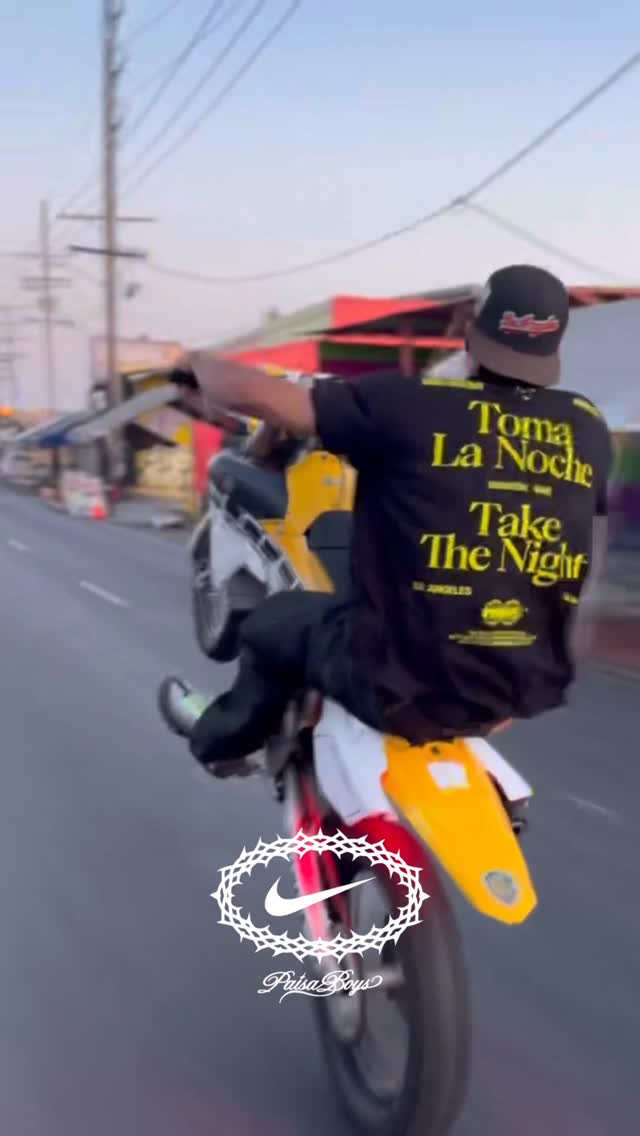
Paisaboys designed bespoke tournament kits for four LA neighborhood soccer crews competing at the Nike Toma LA Finals on July 26, 2025. Using claymation, stenciling, and sculptural techniques from their studio practice, the artists gave each crew a distinct visual identity. Public retail release followed July 31 at seven Los Angeles stores including Undefeated and Union LA.
Key Points
- Paisaboys designed distinct visual identities for four LA neighborhood soccer crews: Insainz, La Comunidad, Toque, and Venice Beach FC, using claymation, stenciling, and sculpture from their studio practice
- The kits debuted exclusively at the Toma LA Finals on July 26, 2025, followed by retail release at 7 LA locations including Undefeated, Union LA, and BAIT on July 31
- Nike FY2025 DTC revenue was $21.4 billion, down 8% YoY, as New Balance, Hoka, and On Running gained share in segments Nike once dominated
July 26, 2025. Toma LA Finals at an outdoor pitch in Los Angeles. Four street soccer crews competing for a city championship. The players are wearing kits that look nothing like each other, nothing like Nike SB, and nothing like anything in Nike's product library from the past decade.
Paisaboys designed them. That is the story.
What the Toma Platform Actually Is
Toma El Juego is Nike's street soccer platform in Los Angeles, a city where institutional soccer infrastructure has historically underserved the working class communities that produce the most players. The Toma platform runs local tournaments with neighborhood crews competing for representation and recognition, not contracts. Nike funds the logistics. Local artists design the kits.
For the 2025 Toma LA Finals, Nike partnered Paisaboys with Badfriend. Together they were tasked with designing match kits for four neighborhood crews: Insainz, La Comunidad, Toque, and Venice Beach Football Club. Each crew received a distinct visual identity rather than a colorway variation on a shared template. That distinction is the entire point of the commission.
Claymation, Stencil, and the Kit as a Canvas
Paisaboys' design process for Toma LA drew from the artists' broader practice. Their studio work incorporates mixed media, 3D claymation, stenciling, and sculptural elements. The kits used these same processes as surface design approaches, meaning the four tournament jerseys were not graphic design exercises but extensions of a studio practice that neither Nike's in-house team nor a conventional kit manufacturer could replicate.
The designs referenced the specific neighborhoods sending crews to the finals. Visual language from Insainz territory reads differently than visual language from Venice Beach. Paisaboys did the research to make that distinction legible on a jersey without making it a caricature. That calibration, between specificity and accessibility, is what distinguishes artist-led kit design from licensed artwork.
The Debut Was the Tournament. The Release Was Five Days Later.
The kits debuted exclusively at the Toma LA Finals on July 26, 2025. Public sale followed on July 31 at Niky's Santa Monica and seven select Los Angeles retailers: Undefeated (La Brea), Union LA, Homebred, Sally's Shoes (El Monte), Bodega LA, Private Sneakers (Long Beach), and BAIT (Melrose).
The retail footprint was intentional. Every store on the list is embedded in the LA streetwear and sneaker community at specific geographic and cultural coordinates. Undefeated on La Brea is different from Sally's Shoes in El Monte. The distribution map mirrored the kit design logic: neighborhood specificity scaled into a city-wide release.
Nike's Calculus on Artist-Led Collabs
Nike's fiscal year 2025 direct-to-consumer revenue was $21.4 billion, down 8% from FY2024 according to the company's annual report. The sportswear giant has been in a multi-year inventory correction while New Balance, Hoka, and On Running have taken market share in the running and lifestyle segments that Nike once owned without effort.
Artist-led collabs in limited local markets are one response to a scale problem. A global platform cannot produce neighborhood specificity from its headquarters. The Toma LA partnership with Paisaboys generated cultural credibility in the LA street soccer community that no centrally produced campaign could manufacture. The kits sold through. The tournament footage circulated. The collaboration generated press in SI.com, weareimitu.com, and soccerbible.com without requiring a celebrity athlete or a national advertising buy.
Nike's next problem is that approaches like this do not scale easily. The value is precisely in what resists replication.
Related Reading
- Paisaboys Designed the Toma LA Kits That Nike Could Not Have Made Alone
- ADIDAS AND PUMA EXIST BECAUSE TWO BROTHERS COULDN'T STAND EACH OTHER
- ADIDAS UNEXPECTED BREAKS SPORT-FASHION BOUNDARIES
Frequently Asked Questions
Who are Paisaboys?
Paisaboys are Los Angeles-based artists whose practice incorporates mixed media, 3D claymation, stenciling, and sculpture. In July 2025 they partnered with Nike and Badfriend to design tournament kits for four neighborhood soccer crews competing in the Toma LA Finals.
What is Nike Toma El Juego?
Toma El Juego is a Nike street soccer platform in Los Angeles that runs neighborhood crew tournaments, funding local competition and partnering with artists to design match kits. The 2025 Toma LA Finals featured kits by Paisaboys and Badfriend.
Where were the Toma LA kits sold?
The Paisaboys x Nike Toma LA kits debuted at the July 26, 2025 finals and went on wider retail sale July 31 at seven Los Angeles stores: Niky's Santa Monica, Undefeated (La Brea), Union LA, Homebred, Sally's Shoes (El Monte), Bodega LA, Private Sneakers (Long Beach), and BAIT (Melrose).
Topics: nike-sb, bodega, new balance, fashion, nike sb, focus-63-36, los-angeles, artist-collab, new-balance, toma-la, paisaboys, kit-design, nike, street-soccer, sportswear