Why OpenAI Hired OpenClaw Creator Peter Steinberger

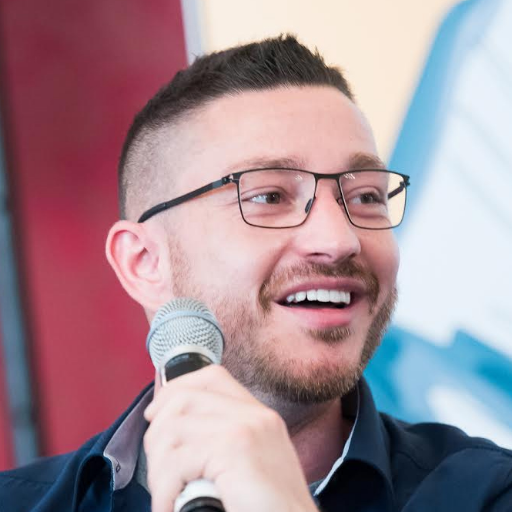
Peter Steinberger, creator of the viral open-source AI agent OpenClaw, has joined OpenAI to lead development of autonomous personal agents. OpenClaw will transition to an independent foundation while remaining open-source, as OpenAI focuses on integrating agent technology into its core product offerings.

Key Points
- OpenClaw gained over 145,000 GitHub stars and 2 million weekly visitors within three months of its November 2025 launch
- A security audit found 512 vulnerabilities in OpenClaw, with 8 classified as critical, including CVE-2026-25253 allowing one-click remote code execution
- Peter Steinberger previously founded PSPDFKit, which he built over 13 years and sold to Nutrient in 2024
- Sam Altman announced that personal agents will 'quickly become core' to OpenAI's product offerings following Steinberger's hire
- Over 341 malicious skills out of 2,857 total (12%) were discovered in ClawHub, OpenClaw's skill marketplace
Your mom just started asking you how to use AI agents. OpenAI has hired OpenClaw founder Peter Steinberger to lead autonomous AI agent development as CEO Sam Altman advances the company's multi-agent vision. The tipping point for personal agents officially arrived, and OpenAI just won the biggest talent war in AI.
The Billion Dollar Bidding War
Both Meta and OpenAI made concrete offers reportedly valued in the billions for Steinberger, the Austrian developer who turned a weekend project into the fastest-growing AI agent platform in history. The primary attractant was OpenClaw's 196,000 GitHub stars and 2 million weekly visitors rather than its codebase.
Mark Zuckerberg personally spent time tinkering with OpenClaw, while Zuckerberg reached out via WhatsApp, and the two spent time arguing about whether Claude Opus or GPT Codex was better. Steinberger, who was hemorrhaging $10,000–$20,000 per month to run the project, chose OpenAI for its potential to accelerate.
"What I want is to change the world, not build a large company and teaming up with OpenAI is the fastest way to bring this to everyone," Steinberger wrote. He already spent 13 years building PSPDFKit into a $100 million exit and wanted impact over another startup grind.
From Playground to Platform
What started as "WhatsApp Relay" now has over 100,000 GitHub stars and drew 2 million visitors in a single week. OpenClaw achieved popularity in late-January 2026, and on February 14, 2026, Steinberger announced he will be joining OpenAI and the project will be moved to an open-source foundation.
OpenClaw is not a traditional coding agent or enterprise tool but a personal agent that operates via messaging apps — WhatsApp, Telegram, Signal, and iMessage, where users delegate real-world tasks through chat: managing calendars, booking flights, ordering food, handling email.
Steinberger's prediction: OpenClaw-style agents will "kill 80% of apps" because "every app is just a very slow API now." That prediction is now OpenAI's corporate strategy.
The Security Tradeoff
Cybersecurity researchers discovered 512 vulnerabilities in a recent OpenClaw audit, eight of which were classified as critical, raising concerns about the suitability of the platform for most users, especially those without advanced technical skills.
Steinberger's next mission is to "build an agent that even my mum can use," which will need "a much broader change, a lot more thought on how to do it safely, and access to the very latest models and research".
OpenClaw will live in a foundation as an open source project that OpenAI will continue to support, ensuring the community-driven development continues while OpenAI builds commercial applications on top.
OpenAI just bought the future of how humans interact with AI. Expect every other tech giant to scramble for their own OpenClaw equivalent by summer.
Related Reading
- CHINESE ENGINEERS SET UP STREET STALLS TO INSTALL OPENCLAW
- BABY KEEM POSTS OPENCLAW DEBUG QUESTION ON X
- META ACQUIRES MOLTBOOK AI AGENT NETWORK MARCH 16
Frequently Asked Questions
Who is Peter Steinberger and what is OpenClaw?
Peter Steinberger is the Austrian developer behind OpenClaw (formerly Clawdbot and Moltbot), an open-source AI agent that can autonomously manage calendars, send messages, and execute tasks across messaging platforms like WhatsApp and Telegram.
How popular did OpenClaw become?
OpenClaw achieved viral success with over 145,000 GitHub stars, attracted 2 million visitors in a single week, and became one of the fastest-growing AI repositories in GitHub history within three months of its November 2025 launch.
What security concerns exist with OpenClaw?
Security researchers discovered multiple vulnerabilities including CVE-2026-25253, a critical one-click remote code execution flaw. A security audit identified 512 vulnerabilities, with 8 classified as critical, and over 300 malicious skills were found in the ClawHub marketplace.
What happens to OpenClaw after the OpenAI hire?
OpenClaw will continue as an open-source project under an independent foundation that OpenAI will support. Steinberger stated he wants to 'change the world, not build a large company' and saw OpenAI as the fastest path to bring agent technology to everyone.
Why did OpenClaw change names multiple times?
Originally called Clawdbot, it was renamed to Moltbot after trademark concerns from Anthropic over similarity to 'Claude,' then changed to OpenClaw because 'Moltbot never quite rolled off the tongue' according to Steinberger.
Topics: acquisition, meta, github, openai, openclaw, mark zuckerberg, mark-zuckerberg, sam-altman, sam altman, peter-steinberger, ai-agents