CHINESE ENGINEERS SET UP STREET STALLS TO INSTALL OPENCLAW
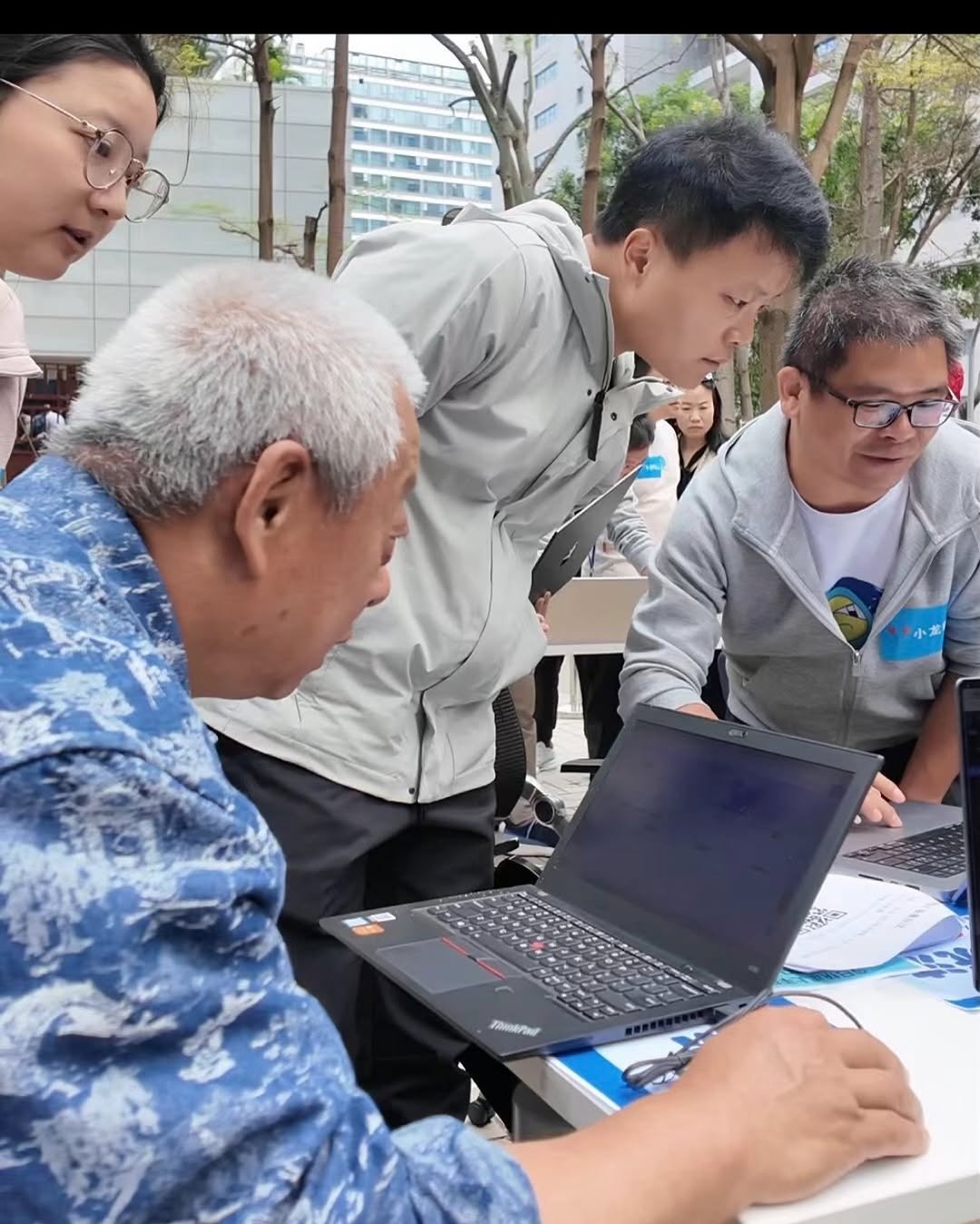
Chinese engineers are taking to the streets to help ordinary citizens install OpenClaw, Peter Steinberger's viral AI agent software. The grassroots movement has drawn crowds of thousands, including non-technical users like farmers and grandparents, marking a unique phenomenon in AI adoption.
Key Points
- Over 20 engineers set up street stalls in March 2026 to install OpenClaw for free
- Tencent Cloud deployed hundreds of instances in just hours at their headquarters event
- Installation services now charge between 100-500 yuan per session in China
The Street Stall Revolution
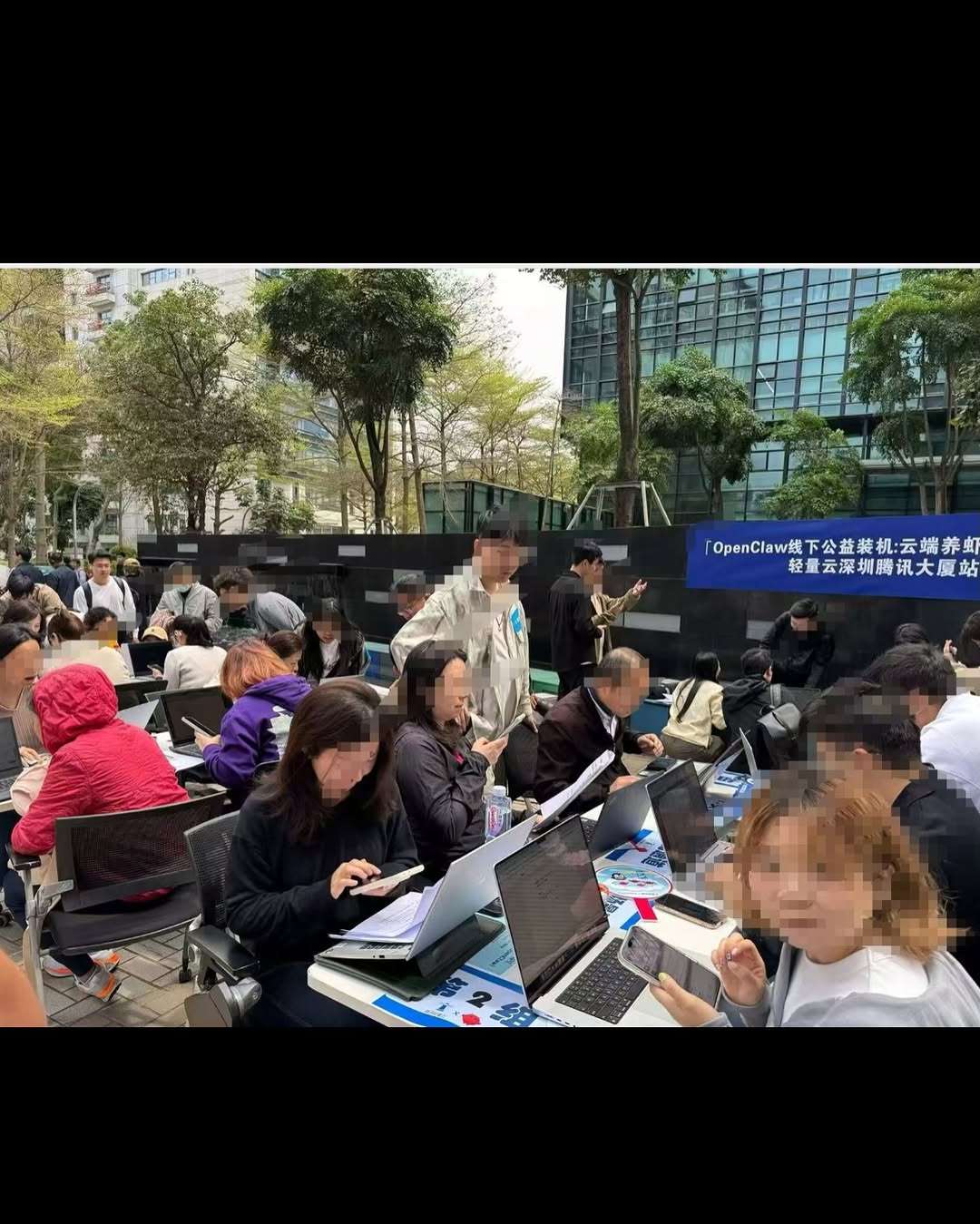
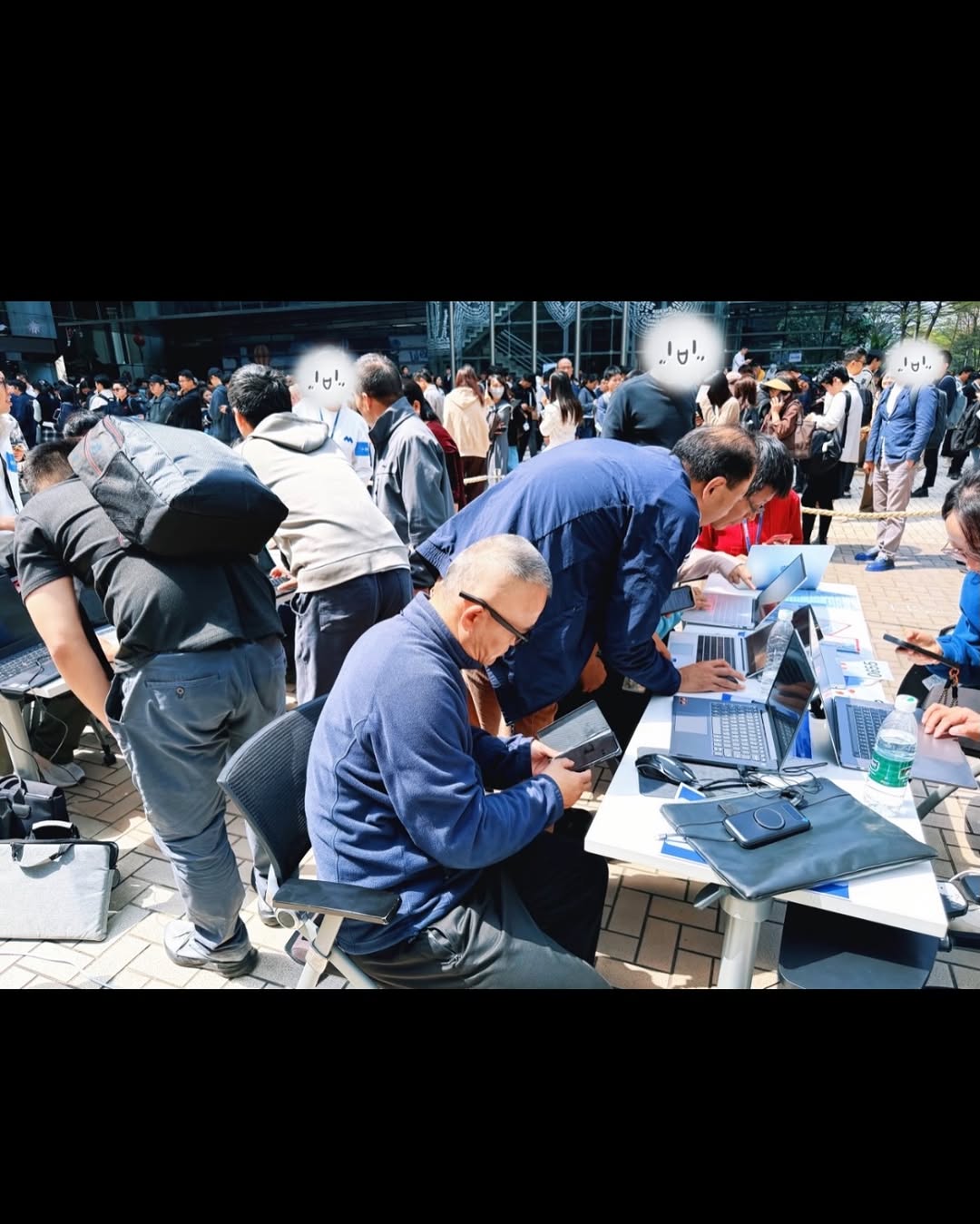
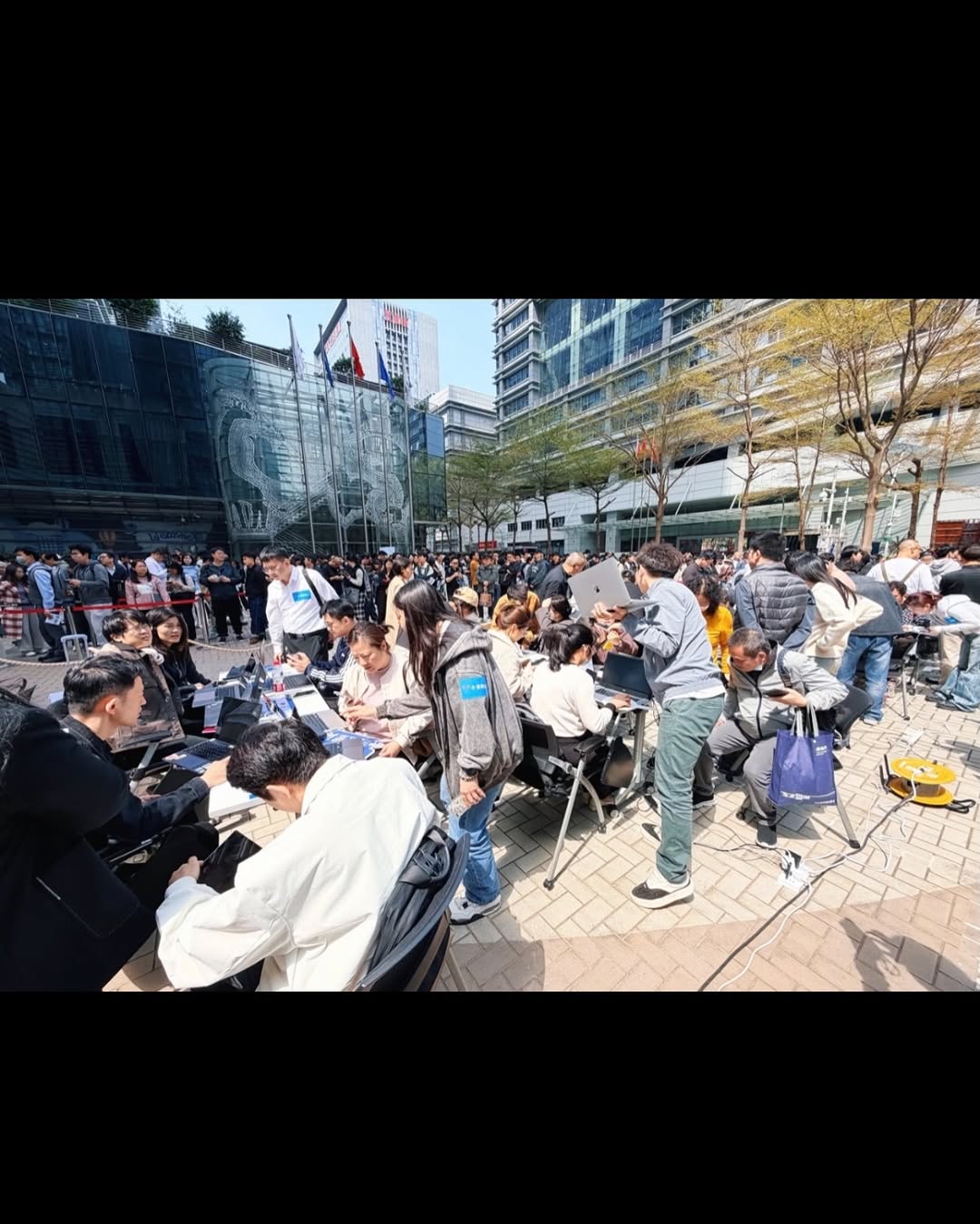
Chinese engineers are revolutionizing AI adoption through an unexpected method: street stalls. In March 2026, more than 20 Tencent engineers gathered at the North Plaza beneath their Shenzhen headquarters, setting up booths to install OpenClaw for users free of charge. The crowds they drew weren't just tech professionals but included students, teachers, farmers, grandparents, and mothers holding toddlers.
In just a few hours at Tencent's headquarters event, hundreds of OpenClaw instances were deployed on Tencent Cloud servers, with demand so significant that Tencent had to cap the number of attendees. The March 6, 2026 event drew people who flew in from all over the country to learn about deployment.
The OpenClaw Phenomenon
OpenClaw is a free and open-source autonomous artificial intelligence agent developed by Austrian programmer Peter Steinberger, originally published in November 2025 under the name Clawdbot. By early February 2026, the framework had surpassed 145,000 GitHub stars, a record, and recorded peak traffic of 2 million visitors in just one week.
Unlike standard models that wait for a prompt, OpenClaw is "always on," capable of managing emails and controlling web browsers to complete workflows, especially through messaging apps like WhatsApp or Telegram. As of March 2026, OpenClaw had reached 1.5 million weekly downloads on npm, and its plugin marketplace, ClawHub, boasted over 5,700 community-built skill sets.
From Austrian Coder to OpenAI Employee
Peter Steinberger spent 13 years building a company that formatted PDFs, but it took him only one hour to build the model that would eventually kill that app. Steinberger said he was losing up to $10,000 a month on the server, and had multiple opportunities including personal outreach from Meta's Mark Zuckerberg.
In February 2026, the Austrian developer chose to join OpenAI, stating that "what I want is to change the world, not build a large company and teaming up with OpenAI is the fastest way to bring this to everyone". OpenAI said OpenClaw will move to a foundation and stay open and independent.
China's AI Agent Gold Rush
China's biggest cloud firms, ByteDance, Alibaba Group and Tencent Holdings, have launched services running OpenClaw on their cloud computing platforms alongside Alibaba Cloud, JD Cloud, Volcano Engine, and Baidu AI Cloud launching one-click deployment services. That's something none of the U.S. cloud giants has done.
Meanwhile, an industry called "OpenClaw installation" has quietly emerged, charging between 100 and 500 yuan for remote installation, with some people claiming to have earned 260,000 yuan in just a few days from installation services alone. Organizations previously engaged in computer repair and network maintenance have begun recruiting "on-site installation personnel" on social media, with job postings explicitly stating that programmers are limited, but a certain level of "explanation skills" is required.
The Data Collection Strategy
An AI analyst pointed out that "the adoption of Chinese open-source models by OpenClaw is primarily due to their cost-effectiveness," while an insider from Alibaba's Qwen project noted that "through agent trajectory data, Alibaba can quickly iterate its models and narrow the gap". When users run Agents locally, the Agent records every intent and software interaction trajectory, with the dense rollout of Agent apps by domestic giants being essentially a distributed, unprecedented-scale data crowdsourcing exercise where users think they've gotten a free AI laborer while providing the highest-quality reinforcement learning fine-tuning data.
Over the past two years, domestic cloud providers and technology giants have been locked in a prolonged arms race, with ByteDance and others expected to collectively exceed $60 billion in capital expenditures in 2026. To generate real cash flow from expensive computing power, tech giants urgently need a "Token black hole" that can continuously and automatically consume computing resources, a role that locally deployed agents like OpenClaw have filled.
Security Concerns and Future Outlook
China's Ministry of Industry and Information Technology has issued a security warning, reminding users to be wary of the potential risks of OpenClaw. Since 2026, several high-risk vulnerabilities have been disclosed in OpenClaw, including CVE-2026-25253 which allows remote code execution via malicious links.
On March 7, 2026, Xiaomi announced that Xiaomi miclaw, built on its self-developed MiMo big data model, has begun closed testing with the goal of deeply integrating it into the phone's underlying system, with IDC predicting that shipments of next-generation AI smartphones in the Chinese market will reach 147 million units in 2026, accounting for 53% for the first time.
Related Reading
- Jensen Huang Says AGI Is Here. He Is Probably Right About the Wrong Thing.
- Why OpenAI Hired OpenClaw Creator Peter Steinberger
- BABY KEEM POSTS OPENCLAW DEBUG QUESTION ON X
Frequently Asked Questions
What is OpenClaw and who created it?
OpenClaw is a free, open-source AI agent created by Austrian programmer Peter Steinberger in November 2025, capable of managing emails and controlling web browsers autonomously.
Why are Chinese engineers setting up street stalls for OpenClaw?
Engineers are providing free installation services because OpenClaw's complex setup requires technical expertise, creating a grassroots movement to democratize AI access.
How much do OpenClaw installation services cost in China?
Installation services charge between 100-500 yuan per session, with some providers claiming to earn 260,000 yuan in just a few days.
Topics: meta, github, openai, openclaw, mark zuckerberg, focus-79-63, mark-zuckerberg, future, tencent, peter-steinberger, tech, china, artificial-intelligence, ai-agents