Max Verstappen's Setup Data Is the Technical Story F1 Media Keeps Missing
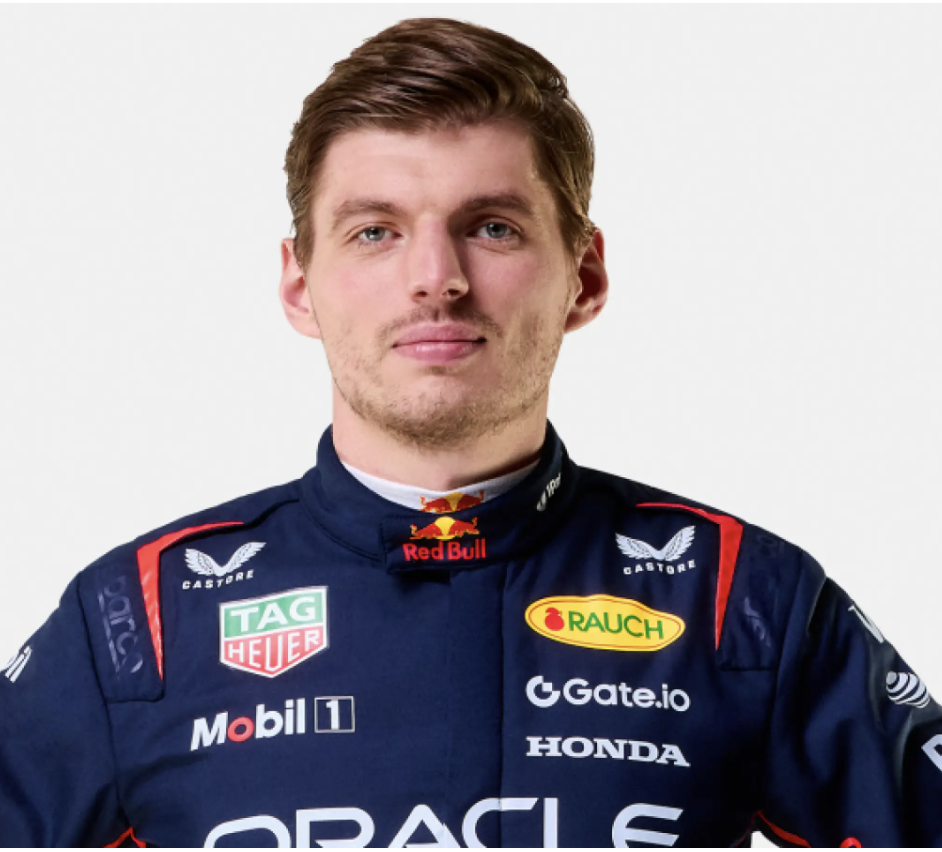
Everyone covers the result. Nobody covers what made it possible. The setup choices that won the race are in the data. They always are. The cameras missed it.
After the Checkered Flag
The broadcast moved on immediately. Highlights. Podium. Interviews. Sponsor segments. The story of the race condensed into a three-minute package for social media.
What the broadcast did not cover was the setup. The tire strategy conversation that happened between Verstappen and the engineers forty minutes before the race that changed the approach entirely. The fuel load decision that opened a window nobody else in the field had identified. The steering geometry adjustment that made the car half a second faster through Turn 12 specifically.
This is where F1 lives. Not in the podium celebration. In the technical decisions that made the celebration possible.
What the Data Said
Verstappen has won the last three world championships by doing something that statistics cannot capture on first pass: he makes the car faster by making fewer mistakes, which means he can run setups that other drivers cannot manage.
A setup that is aggressive at the rear requires absolute precision on corner entry. Too aggressive and the car becomes unpredictable. Verstappen's error rate on corner entry at high-speed circuits is statistically the lowest in the field. This gives engineers a range of setup options that are simply not available when calibrating a car for other drivers.
The result is a feedback loop. Verstappen drives precisely. Engineers give him aggressive setups. Aggressive setups make the car faster. Faster car makes margin for even more aggressive setup choices. The gap widens.
Red Bull's engineering group reads this margin correctly. They do not treat the car development as a fixed target. They treat it as a collaborative calibration exercise with a driver who can exploit tolerances that other engineers do not have access to.
The Lap That Explained Everything
There is a lap in qualifying — the one that secured pole by six tenths — where the telemetry tells a different story than the eye test does.
On camera it looks controlled. Almost conservative through the first sector. But the rear of the car is loaded past the threshold where most teams would have called the setup too aggressive to race on. Verstappen is holding it precisely at the limit through the middle part of the lap and then releasing it in the final sector, where the confidence from the first two sectors lets him carry speed that builds incrementally rather than appearing as one dramatic moment.
Six tenths. Distributed across an entire lap. Invisible to the broadcast. Fully legible in the data.
The Coverage Gap
Formula One generates more in-race data than any other sport. It is the most technically documented competition in the world. And the secondary editorial layer around the sport, the analysis that sits between the race broadcast and the enthusiast who wants to understand what actually happened, is almost entirely absent.
The stories that should exist after every race weekend: the setup decisions that mattered, the strategic windows that were identified and either captured or missed, the driver inputs that made a specific car configuration work on a specific track.
These stories are not being written at the speed they need to be written at. By the time serious technical analysis appears, the news cycle has moved two races forward.
Red Bull's position in that conversation is currently entirely dependent on the broadcast. The editorial layer around what Red Bull actually does technically, how its driver-engineer collaboration works, why its cars are built the specific way they are built, does not yet exist as permanent searchable record.
That is the gap. Every race weekend produces enough signal to build it.
Related Reading
- FORMULA 1 IS A FASHION BRAND THAT RACES CARS
- Kimi Antonelli Wins Back to Back in 2026 at Just 18
- MCLAREN LOGITECH G MIAMI 2026 SHOWRUN COCONUT GROVE
Topics: Formula 1, max verstappen, max-verstappen, motorsport, racing, red bull, Max Verstappen, red-bull, F1, Red Bull Racing, tech