LEICA TAKES THE Q3 TO THE MONACO GRAND PRIX
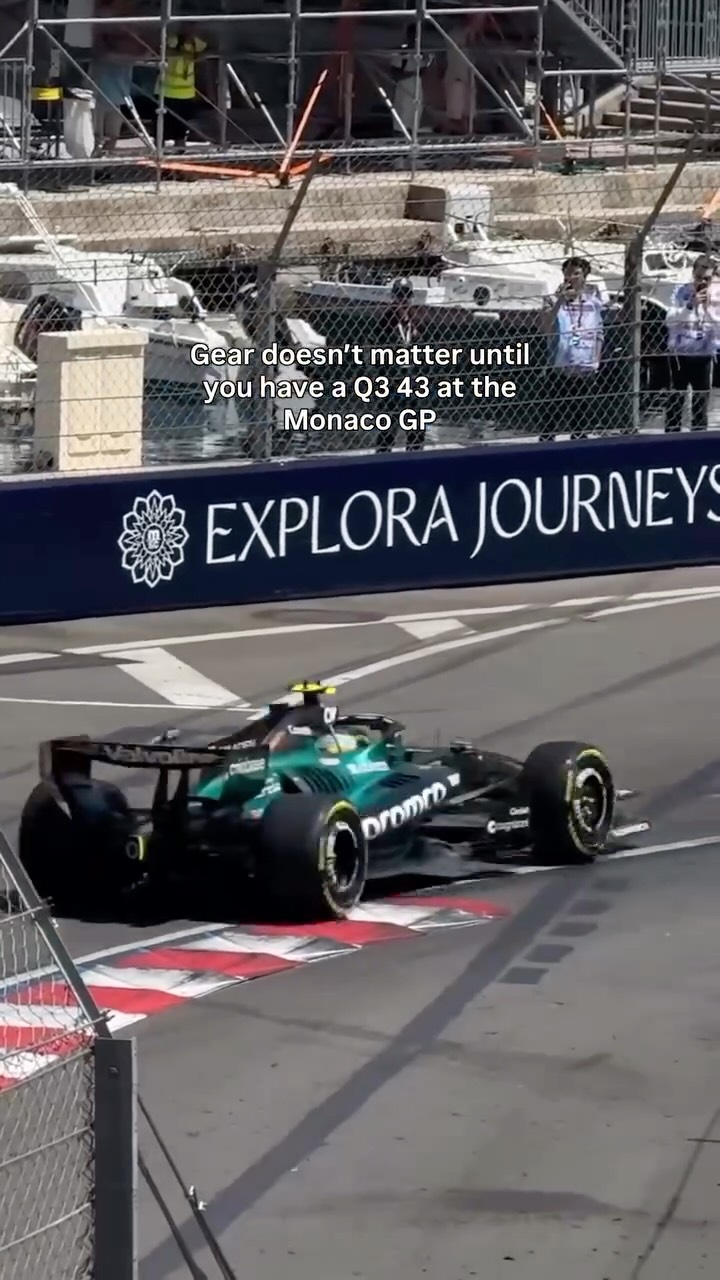
Leica documented the Monaco Grand Prix with its Q3 fixed lens compact camera, placing a 60 megapixel full frame point and shoot in the most visually demanding event in motorsport. The campaign positions the Q3 as a serious tool for fast moving sports photography rather than just a luxury travel camera. It reframes the fixed lens compact as capable in conditions usually reserved for telephoto sports rigs.
Key Points
- Leica took the Q3 fixed lens compact to the Monaco Grand Prix Formula 1 race.
- The Leica Q3 features a 60 megapixel full frame sensor and a fixed 28mm Summilux lens.
- The Monaco Grand Prix has run on the Circuit de Monaco since 1929 and is the most prestigious race in Formula 1.
- Fixed lens compacts are unconventional choices for motorsport, which usually demands long telephoto lenses.
- Leica positions the Q3 as a serious sports tool rather than only a luxury travel camera.
Where next. Leica asked the question from Monaco, which is the answer most photographers would kill to give. The brand took its Q3 fixed lens compact to the Monaco Grand Prix, the most photographed corner of Formula 1, and the choice of camera is the actual story. A 28mm fixed lens at a sport built for telephoto rigs is a statement about what the Q3 can do under pressure.
The conventional motorsport kit is a long lens. Leica showed up with a point and shoot and dared you to notice.
Why the Fixed Lens at F1 Is the Receipt
Motorsport photography runs on telephoto. The cars move at speed, the action is far from the photographer, and the standard kit is a 400mm or 600mm lens that pulls distant action close. A fixed 28mm wide angle compact is the opposite tool. It forces the photographer into the scene rather than letting them shoot from a distance. Using the Q3 at Monaco is a deliberate constraint, and the constraint is the point.
The Leica Q3 carries a 60 megapixel full frame sensor and a fixed 28mm Summilux lens. The megapixel count matters here. At 60 megapixels, a wide shot can be cropped aggressively in post and still hold resolution, which partially compensates for the lack of reach. Leica is arguing that the Q3 can play in a telephoto sport by leaning on sensor resolution and the photographer''s positioning rather than on focal length.
Monaco Is the Right Stage to Make the Claim
The Monaco Grand Prix has run on the Circuit de Monaco since 1929 and is the most prestigious race in Formula 1. It is also the most visually rich. The street circuit runs past the harbor, through the tunnel, between the barriers and the Monte Carlo architecture. A wide angle camera captures the context that a telephoto lens crops out, the yachts, the crowd, the city pressed against the track.
That context is what makes Monaco the right venue for the Q3 argument. At a generic circuit, a wide lens loses to a telephoto. At Monaco, the wide lens captures the thing that makes the race iconic, the collision of the cars and the city. The Q3 is built for exactly that frame.
The Cross Industry Read on Tool as Statement
Camera brands sell capability through demonstration, and the harder the demonstration the stronger the claim. A travel camera shooting a quiet landscape proves nothing. A fixed lens compact shooting Formula 1 proves the camera can handle speed, light changes, and the most demanding action photography conditions. Leica chose the hard demonstration on purpose.
Cross reference. Type7 documents car culture through the same considered image discipline, where the quality of the photography is the entire value of the coverage. Cross reference again. The Type7 build one like we used to project lives or dies on the detail photography. Automotive culture and the cameras that capture it are the same conversation. Leica is positioning the Q3 inside it.
The Money Read on the Q3
The Q3 is a luxury camera at a price point above most full frame compacts, and the brand needs to justify that premium with capability rather than just badge value. A camera that can credibly shoot Formula 1 is worth more than a camera that can only shoot vacations. The Monaco campaign is Leica protecting the Q3 price by proving it belongs in serious photography contexts.
That is the leverage. Leica cannot compete with Sony or Canon on telephoto sports rigs or on spec sheet value. It competes on the fixed lens compact category it effectively owns, and it defends that category by showing the Q3 in places a luxury travel camera has no business succeeding.
What the Two Plate Carousel Shows
The post runs as an image and a video. The still demonstrates the Q3 output from Monaco, and the video carries the motion that proves the camera can handle the speed. The where next caption frames the camera as a companion for the photographer who goes everywhere, with Monaco as the current destination and the question pointing at the next.
What to Watch Next
Three things. Whether Leica extends the Q3 sports demonstration to other demanding events beyond motorsport. Whether the brand releases the actual Monaco frames as a portfolio to prove the wide angle claim. And whether the fixed lens compact category grows as a credible serious photography tool rather than a luxury accessory.
Where next. Leica answered from Monaco with a 28mm fixed lens at a telephoto sport. The hardest demonstration is the most convincing one. The Q3 went to Formula 1 and asked you to doubt it.
Frequently Asked Questions
What camera did Leica use at Monaco?
The Leica Q3, a fixed lens full frame compact with a 60 megapixel sensor and a 28mm Summilux lens, used to shoot the Monaco Grand Prix.
Is a fixed lens camera good for Formula 1?
It is unconventional. Motorsport usually demands long telephoto lenses, so using a fixed 28mm compact reframes the Q3 as capable in conditions normally reserved for telephoto sports rigs.
Why Monaco?
The Monaco Grand Prix has run since 1929 and is the most prestigious and most photographed race in Formula 1, making it a high bar showcase for the camera.
Topics: formula 1, fixed-lens, type7, leica, f1, sports, photography, monaco-grand-prix, motorsport, leica-q3, formula-1, sony, camera