KANYE LEFT NIKE FOR ADIDAS AND BUILT A $1.7 BILLION SNEAKER LINE FROM SCRATCH
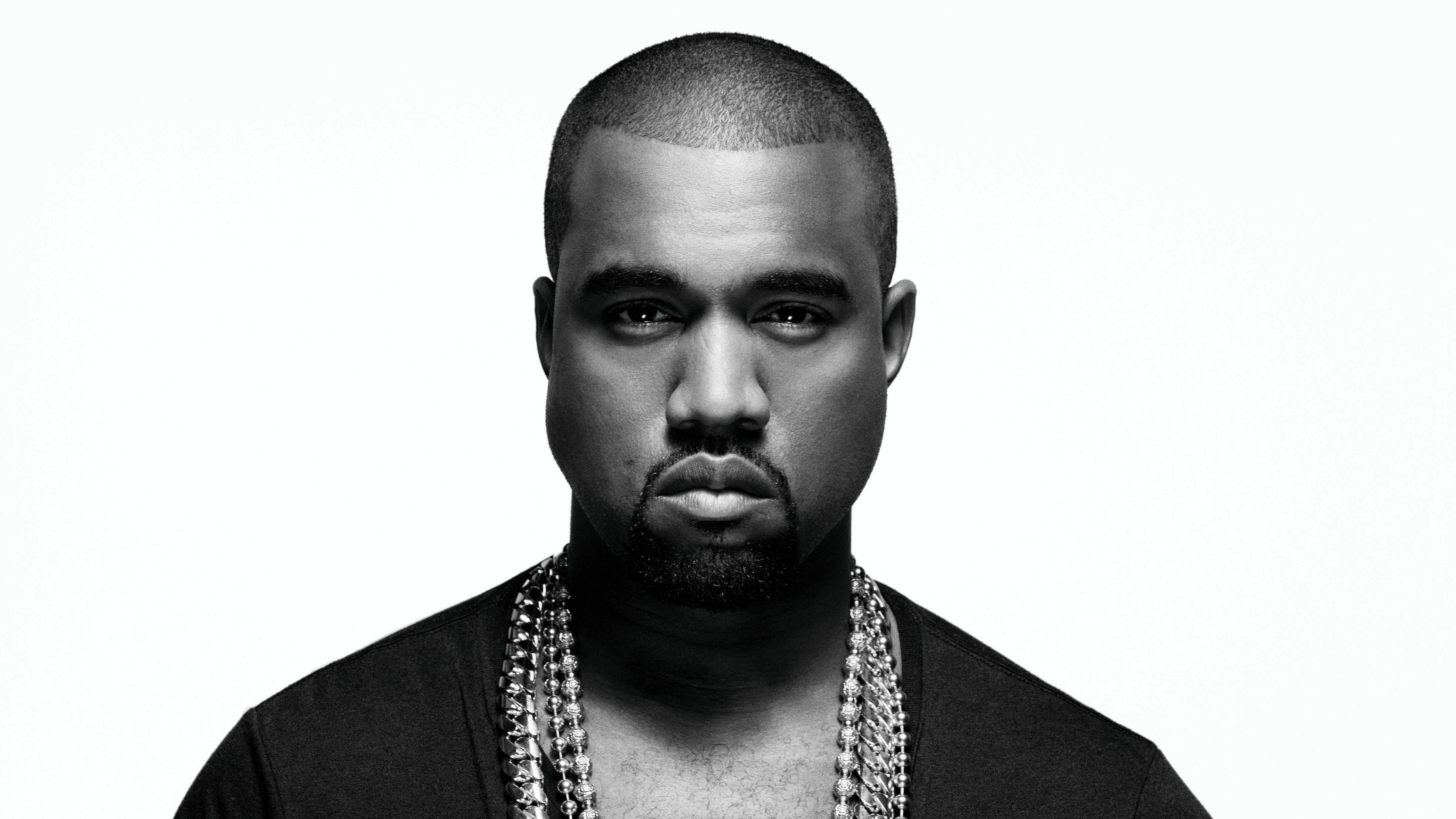
The Adidas Yeezy Boost 350 debuted in 2015 and grew to $1.7 billion in annual revenue. The partnership ended in October 2022 resulting in $250 million in write-downs.

Key Points
- Kanye left Nike because they refused royalties and Adidas offered creative control plus per-pair royalties
- Yeezy generated $1.7 billion annual revenue representing 8% of Adidas total sales by 2021
- Adidas wrote down $250 million and lost $700 million in projected revenue after terminating in October 2022
February 2015. Kanye Picks Adidas.
Kanye West left Nike in 2013 because Nike would not give him royalties. He had designed two Air Yeezy releases, the Air Yeezy 1 in 2009 and the Air Yeezy 2 in 2012, both of which sold out instantly and commanded resale prices above $3,000 within hours. Nike CEO Mark Parker offered Kanye another design collaboration but refused a royalty structure. Kanye wanted to be paid like a brand partner, not a contractor. Adidas CEO Herbert Hainer offered him everything Nike would not: royalties on every pair sold, creative control over design and marketing, and the ability to scale production beyond limited releases. Kanye signed.
The Yeezy Boost 350 debuted at the Adidas show during New York Fashion Week in February 2015 in the Turtle Dove colorway. It sold out in 15 minutes online. The shoe was radically different from anything in the sneaker market: a sock like Primeknit upper that eliminated lacing as a structural element, a full length Boost midsole, and no visible branding except a small heel tab. The silhouette looked like it had been designed by an alien who understood running shoes but had never seen a fashion shoe. That was the point.
$1.7 Billion in Annual Revenue
By 2021, the Yeezy line was generating $1.7 billion in annual revenue for Adidas, representing approximately 8% of the company's total sales. Adidas stock price tripled between 2015 and 2021, driven in part by the cultural relevance the Yeezy partnership injected into a brand that had been losing ground to Nike in every category except soccer. The Yeezy 350 V2 in Zebra, Beluga, and Bred colorways became the most recognizable silhouettes of the late 2010s, appearing on sidewalks from Los Angeles to Lagos with a frequency that made them simultaneously exclusive and ubiquitous.
Kanye's royalty rate was reportedly 15% of net sales, an arrangement that earned him an estimated $191 million in 2020 alone. Forbes and Bloomberg both cited the Yeezy deal as the primary driver of Kanye's billionaire status, a milestone he reached in April 2020. No non athlete celebrity had ever generated that kind of revenue through a single product partnership with a sportswear company.
The Boost Technology Underneath
The Yeezy 350 ran on Boost, a cushioning technology Adidas developed with BASF, the German chemical company that supplies thermoplastic polyurethane pellets. Those pellets are fused together under heat to create a foam with exceptional energy return. Before 2015, Boost was a running shoe technology marketed to marathon runners and daily joggers. Nobody outside the running community cared about it. Kanye made it visible. After 2015, Boost was a status symbol.
The material mattered because it gave the Yeezy 350 a tactile quality that justified its price. At $200 retail, the shoe cost $80 more than a standard Ultraboost but delivered the same underfoot technology with a fashion silhouette on top. Sneaker reviewers noted the comfort immediately, and the combination of genuine cushioning performance with streetwear design created a product category that did not exist before: the performance lifestyle shoe.
The Most Public Divorce in Fashion
In October 2022, Adidas terminated the Yeezy partnership after Kanye made antisemitic statements in a series of interviews and social media posts. The company wrote down $250 million in Yeezy inventory and projected a $700 million revenue loss for 2023. Adidas stock fell 30% in the quarter following the termination. The company spent the following 18 months selling remaining Yeezy inventory at discount, donating a portion of proceeds to the Anti Defamation League and other organizations combating hate speech.
The financial and cultural fallout was like watching a controlled demolition in reverse: the building fell, and then people realized how much of the city depended on it. Adidas had built nearly a decade of brand strategy around a single personality. When that personality became toxic, the company had no fallback. The lifestyle division contracted immediately, and Adidas pivoted to heritage models like the Samba and Gazelle as emergency replacements.
The Yeezy Boost 350 is the most commercially successful sneaker collaboration in history by revenue. It resurrected Adidas from cultural irrelevance and proved that a non athlete could drive sneaker sales at scale. Kanye's $1.7 billion annual number exceeded what most standalone sneaker brands generate in total. It also proved that $1.7 billion in annual revenue can vanish in a single news cycle when the brand and the person are inseparable. The sneaker industry learned both lessons simultaneously.
Related Reading
- ADIDAS AND PUMA EXIST BECAUSE TWO BROTHERS COULDN'T STAND EACH OTHER
- ADIDAS ORIGINALS DROPS HOTEL SUPERSTAR CAMPAIGN WITH BABY KEEM
- BALTIMORE SAVED THE AIR FORCE 1 AND NIKE OWES THEM EVERYTHING
Frequently Asked Questions
Why did Kanye leave Nike for Adidas?
Nike refused to give Kanye royalties on Air Yeezy sales. Adidas offered royalties on every pair sold plus creative control.
How much revenue did Yeezy generate?
The Yeezy line generated approximately $1.7 billion in annual revenue for Adidas by 2021.
What happened to Adidas Yeezy?
Adidas terminated the partnership in October 2022 after Kanye antisemitic statements writing down $250 million in inventory.
Topics: streetwear, fashion, adidas-yeezy, yeezy-boost-350, adidas, sneaker-culture, boost, kanye-west, sneaker-history, yeezy, nike