JACQUEMUS LE PAYSAN SHOWED AT VERSAILLES WITH LEATHER LEEKS
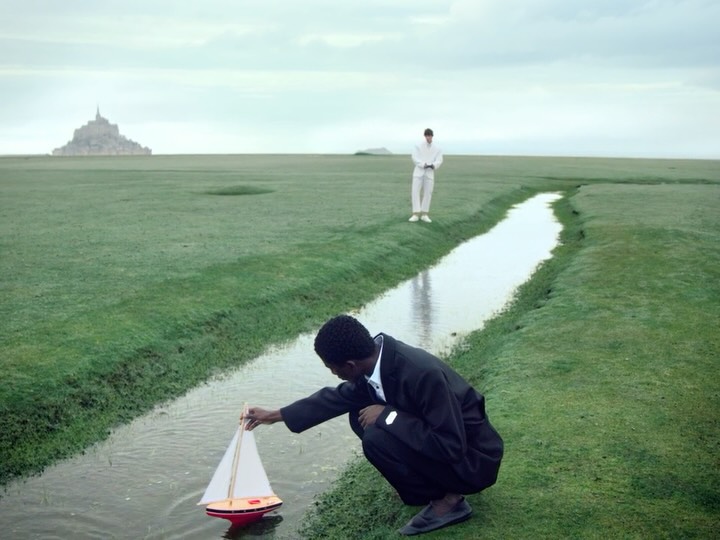
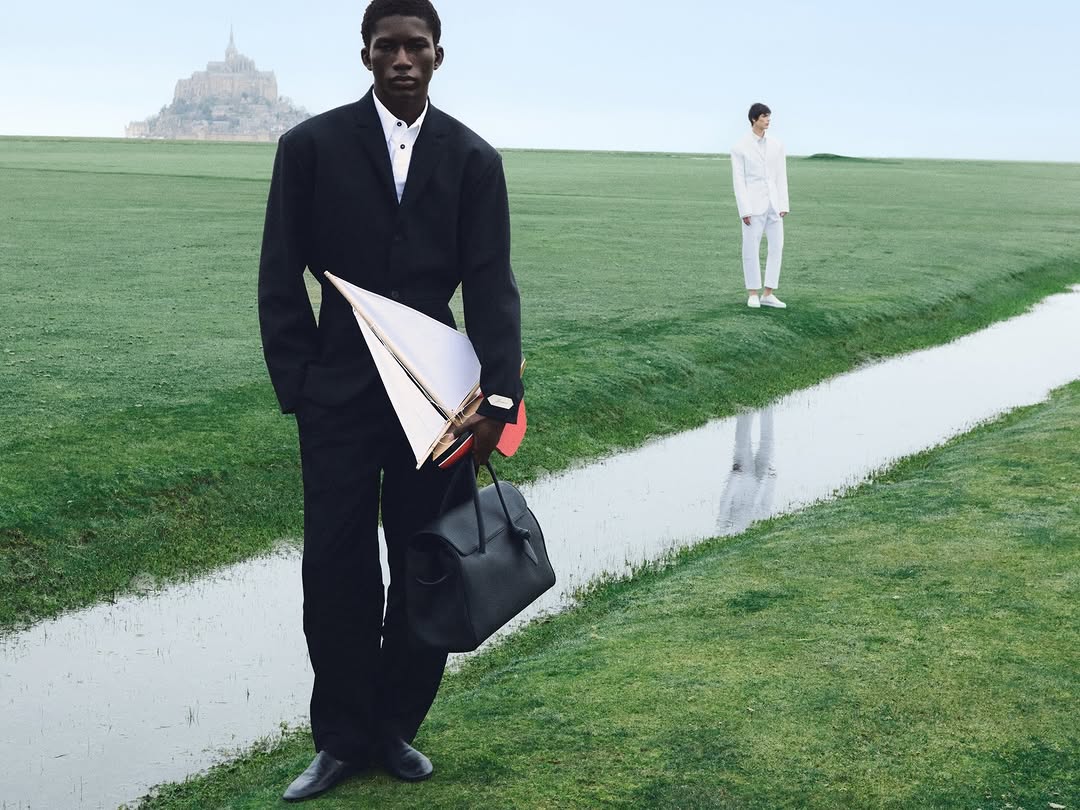
Jacquemus presented Le Paysan, the brand's Spring/Summer 2026 collection, at Versailles. The show featured linen construction, leather produce accessories, and a new handbag named Le Valerie after the designer's mother. The independently owned French brand generates over $300 million in annual revenue.
Key Points
- Jacquemus showed Le Paysan SS26 at Versailles L Orangerie with leather produce accessories
- Le Valerie handbag named after the designer mother debuts as the collection hero piece
- Jacquemus crossed $300M revenue as the largest independently owned French fashion house this century
A Peasant Collection in a Palace
Simon Porte Jacquemus showed his Spring/Summer 2026 collection, titled "Le Paysan," at L'Orangerie in the Chateau de Versailles. The name translates directly to "The Peasant." The venue is a 17th century greenhouse built for Louis XIV. The tension between those two facts is the entire collection in miniature: rural origin story, presented at a cost that only a brand generating over $300 million in annual revenue can justify.
Jacquemus captioned the Instagram post with three words: "Just a dream." It collected 16,806 likes. Understated by his standards. His viral Le Bambino bag posts regularly clear 100,000. But this was not a product launch. This was autobiography disguised as a runway.
The Provencal Autobiography
"Le Paysan" is Jacquemus returning to the same well that built his brand: his childhood in the southern French countryside, his family's agricultural heritage, and the specific textures of provincial life that fashion usually treats as mood board material rather than actual source code. The difference here is precision. Every reference is named. Every silhouette earns its connection.
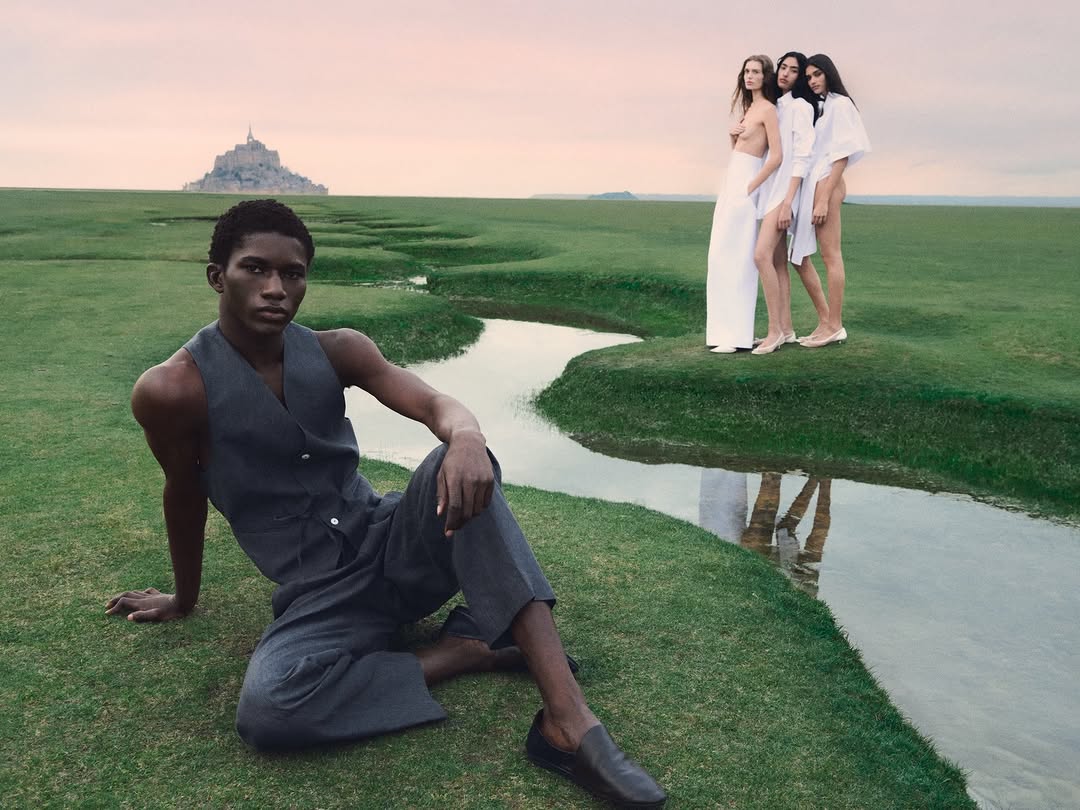
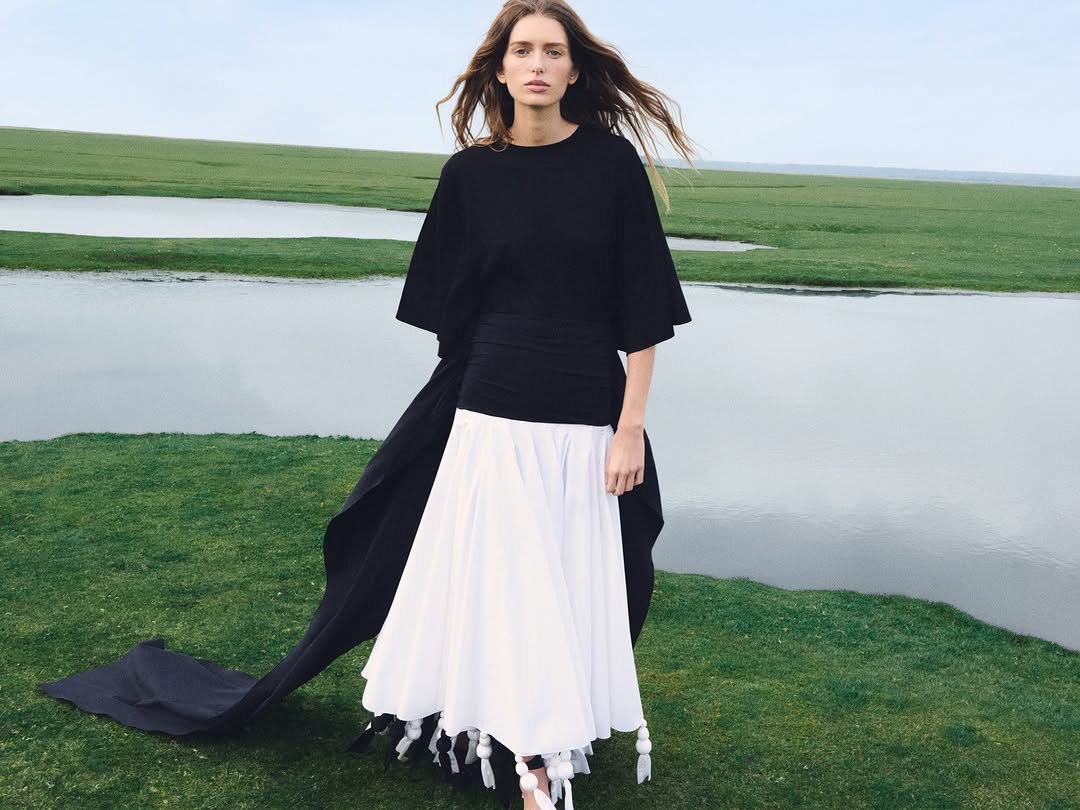
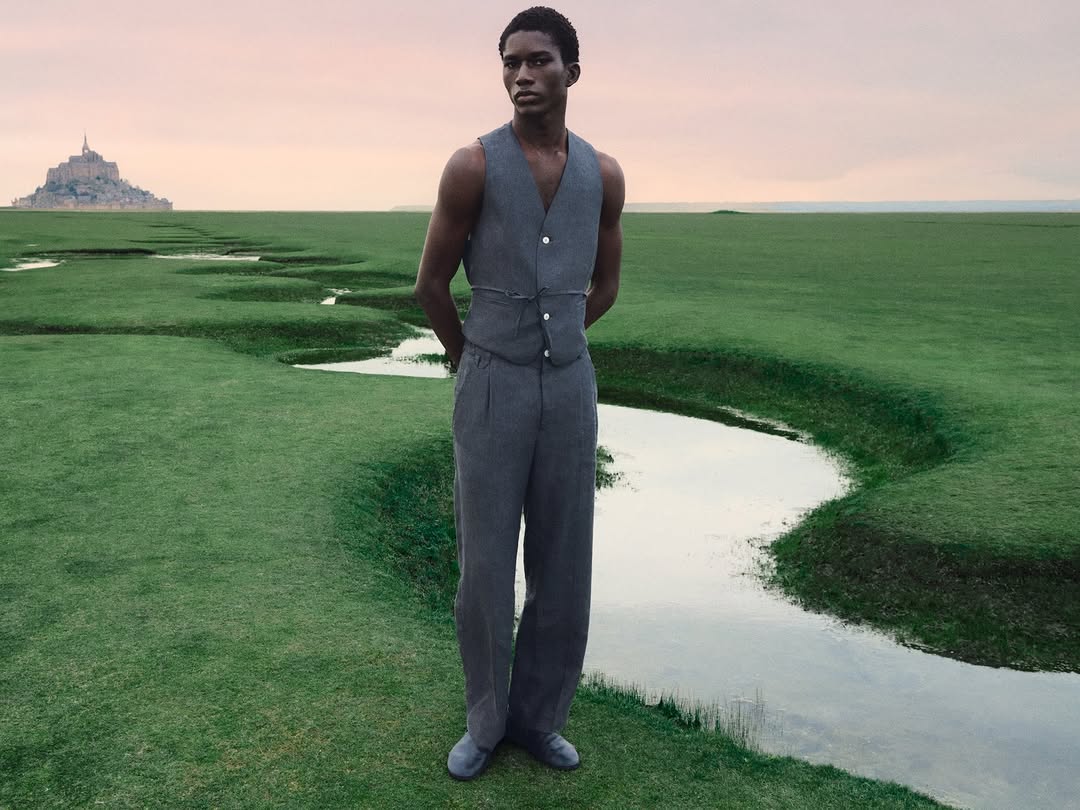
The collection opens with linen, not the department store version but the kind that wrinkles immediately and smells like sun dried laundry hung outside a farmhouse. Cotton apron references appear in structural garments that flatten the distinction between workwear and eveningwear. Embroidered tablecloth patterns, the kind his grandmother actually used, become bodice detailing. Peasant shirts, historically the most generic term in fashion, get rebuilt with architectural precision in the shoulders and a neckline that references both field labor and Provencal festival dress.
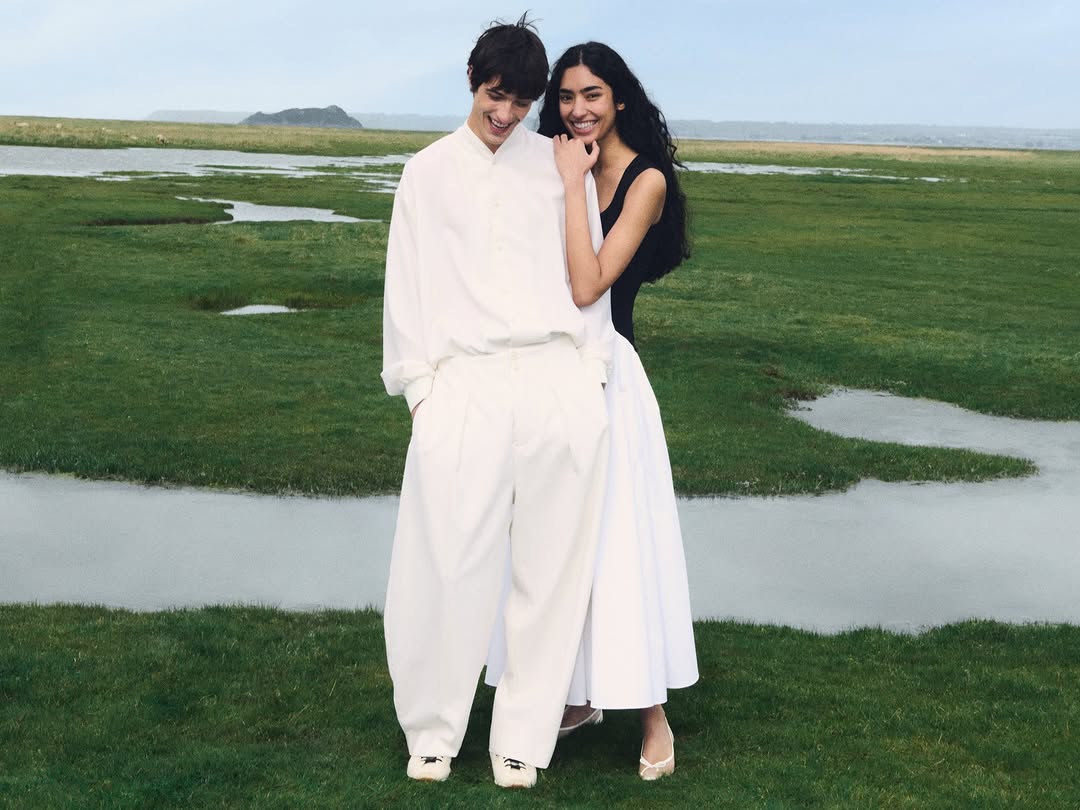
The silhouettes range from voluminous midi skirts that move with genuine weight to structured jackets with visible seam construction. The tailored menswear pieces, offered alongside womenswear in a coed format, feature shortened proportions and relaxed shoulder lines that read Mediterranean rather than Milanese. Every piece looks like it could survive a mistral wind and a three course lunch without losing its composure.
The Color Story and the Accessories Nobody Expected
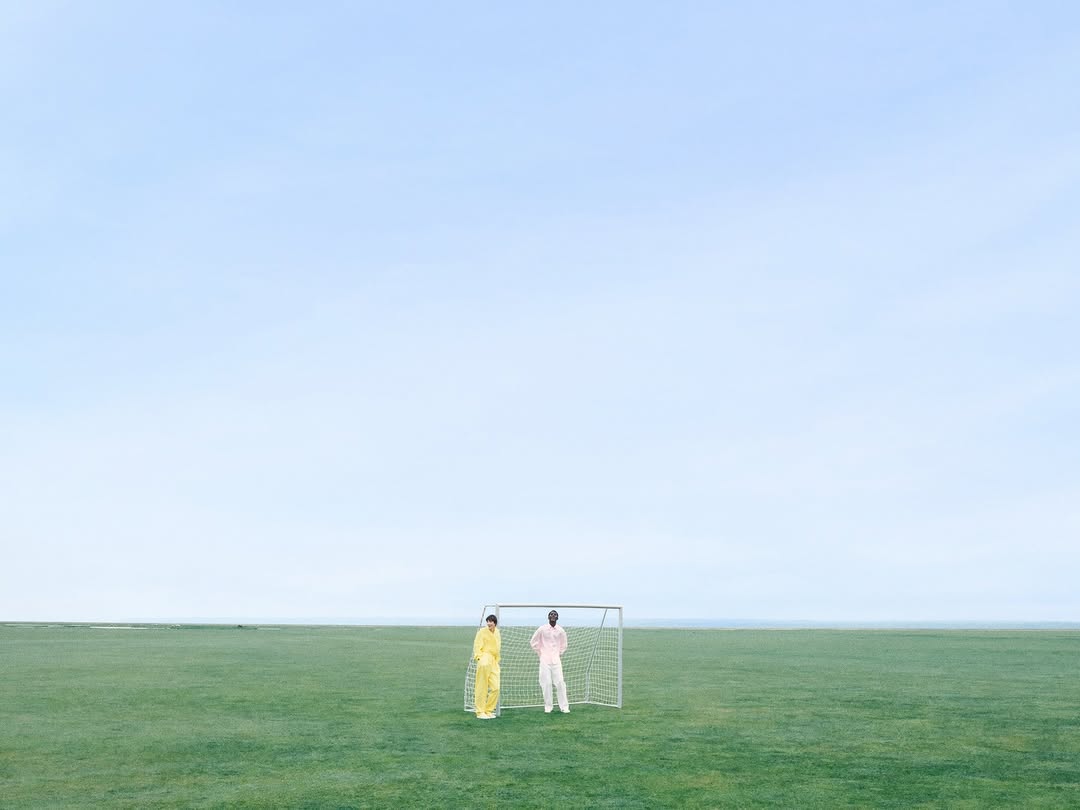
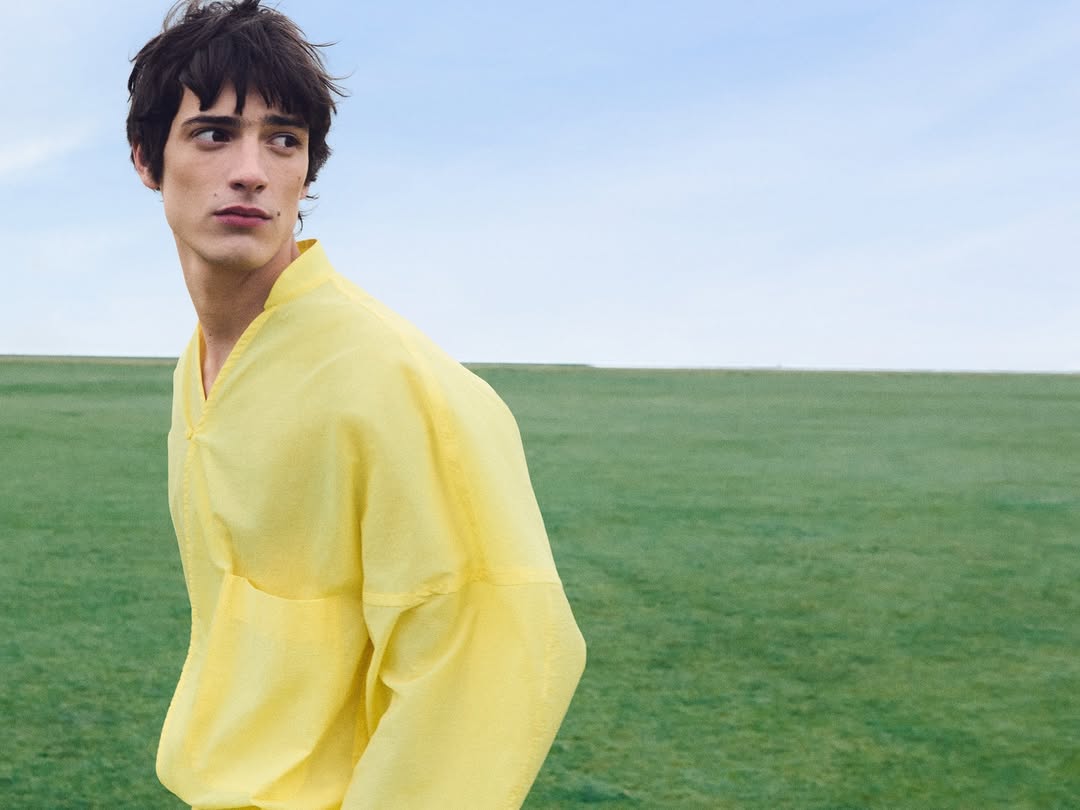
The palette is predominantly cream, milky white, and black, which sounds conservative until fresh punctuations of cornflower blue, dusty pink, and sunflower yellow appear at intervals that feel seasonal rather than strategic. These are not accent colors chosen by a design team studying Pantone forecasts. They are the colors of a specific landscape remembered by a specific person.
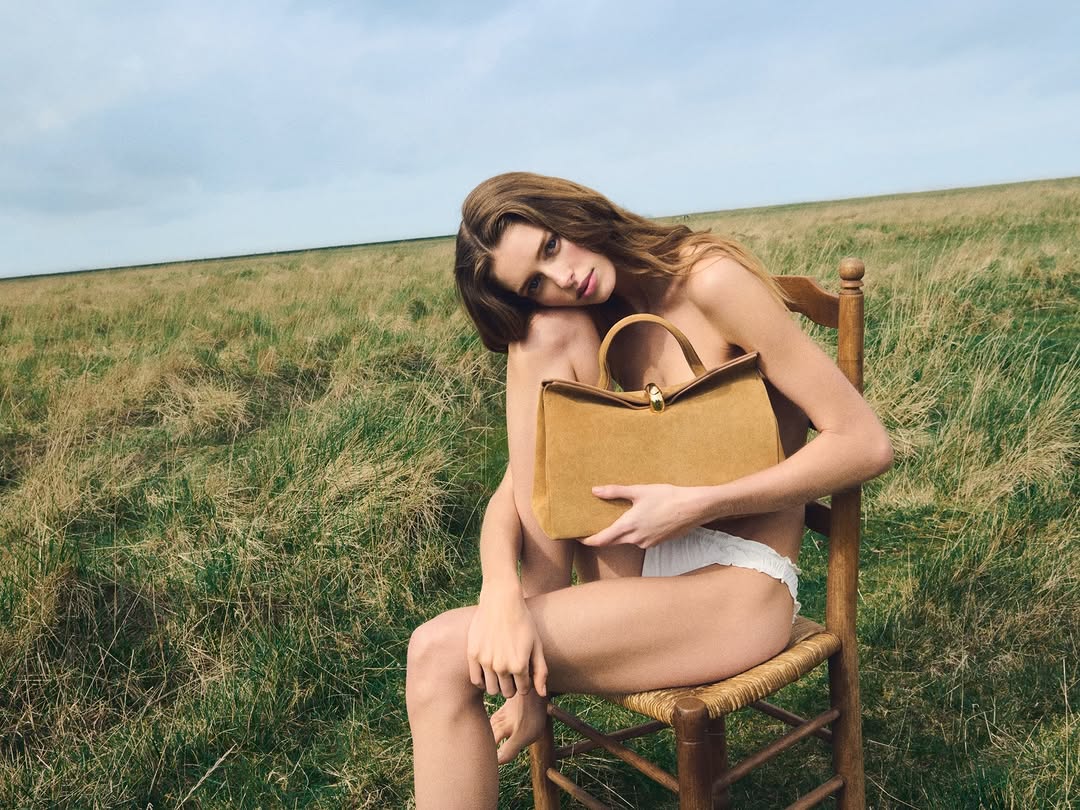
Then the accessories arrive, and the tone shifts entirely. Leather leeks. Garlic garland necklaces. Fruit shaped jewelry that would read as costume on any other runway but here functions as an extension of the agricultural narrative with the craft budget to back it up. The leek, in particular, is sculpted from Italian leather with hand painted gradient coloring that costs more per unit than some brands charge for an entire handbag.
The hero accessory is "Le Valerie," a new ladylike structured bag named after the designer's mother. Naming your most commercial product after your mother while showing at Versailles is either sentimental genius or the most effective marketing a luxury brand can produce. Probably both. Expect Le Valerie to become a waiting list item before the collection hits stores.
Where Jacquemus Sits in the Market Now
Simon Porte Jacquemus started his brand in 2009 at age 19 with no formal fashion education. The brand crossed $300 million in revenue without taking outside investment or selling to a conglomerate, which makes it the largest independently owned French fashion house launched this century. LVMH, Kering, and Richemont have all reportedly approached. He has declined each time.
That independence allows creative decisions like showing at Versailles with leather vegetables on the runway, a choice that would survive approximately zero rounds of corporate brand review at any conglomerate owned label. It also means the Fall/Winter 2026 collection, already titled "Le Palmier" (The Palm Tree), can shift geographies entirely without a committee approving the narrative pivot.
For context, Jacquemus's closest market comparisons, Coperni and Casablanca, operate at a fraction of the revenue with significantly more corporate backing. The gap is not talent. The gap is that Jacquemus built a direct to consumer infrastructure and a social media presence (55 million followers across platforms) that makes wholesale partnerships optional rather than essential.
The Cross Reference Nobody Made
Three days before Jacquemus posted "Le Paysan," Adidas Originals announced its Spring 2026 collaboration with Seoul's Thug Club, a partnership built on the exact opposite aesthetic premise: all black, street coded, and intentionally aggressive. Fashion in March 2026 is operating on two simultaneous frequencies. One designer goes home to Provence with linen and leeks. Another brand goes to Seoul with blacked out Superstars and removable puffer vests. Both are correct. Both will sell out. The market is wide enough for autobiography and anonymity to coexist.
Verdict: "Le Paysan" is Jacquemus proving that a peasant origin story, told with $300 million in creative budget and the confidence to show leather produce at Versailles, is the most compelling luxury narrative available. The bags will move. The clothes will photograph. But the real product is the story, and nobody in fashion tells theirs better.
Related Reading
- JACQUEMUS LE PAYSAN HITS EVERY BOUTIQUE MARCH 2026
- BALENCIAGA WINTER 26 CLAIROBSCUR DROPS MARCH 7
- CHANEL FALL WINTER 2026 MATTHIEU BLAZY SOPHOMORE COLLECTION DEBUTS
Frequently Asked Questions
What is Jacquemus Le Paysan collection?
Le Paysan (The Peasant) is Jacquemus Spring/Summer 2026 collection shown at L Orangerie in Versailles. It draws from designer Simon Porte Jacquemus's rural Provencal childhood with linen garments, embroidered tablecloth patterns, and accessories shaped like produce.
Where was the Jacquemus Le Paysan show held?
Le Paysan was shown at L Orangerie in the Chateau de Versailles, a 17th century greenhouse built for Louis XIV. The venue creates a deliberate tension between the collection's rural peasant theme and the opulence of French aristocratic architecture.
Is Jacquemus independently owned?
Yes. Jacquemus has crossed $300 million in annual revenue without taking outside investment or selling to a luxury conglomerate. Simon Porte Jacquemus has reportedly declined approaches from LVMH, Kering, and Richemont.
Topics: simon-porte-jacquemus, adidas originals, jacquemus, coperni, luxury-fashion, adidas-originals, accessories, adidas, le-paysan, focus-57-92, spring-summer-2026, versailles, palace, french-fashion, paris-fashion-week