H.R. GIGER PIERCED A 1978 PAINTING WITH SAFETY PINS
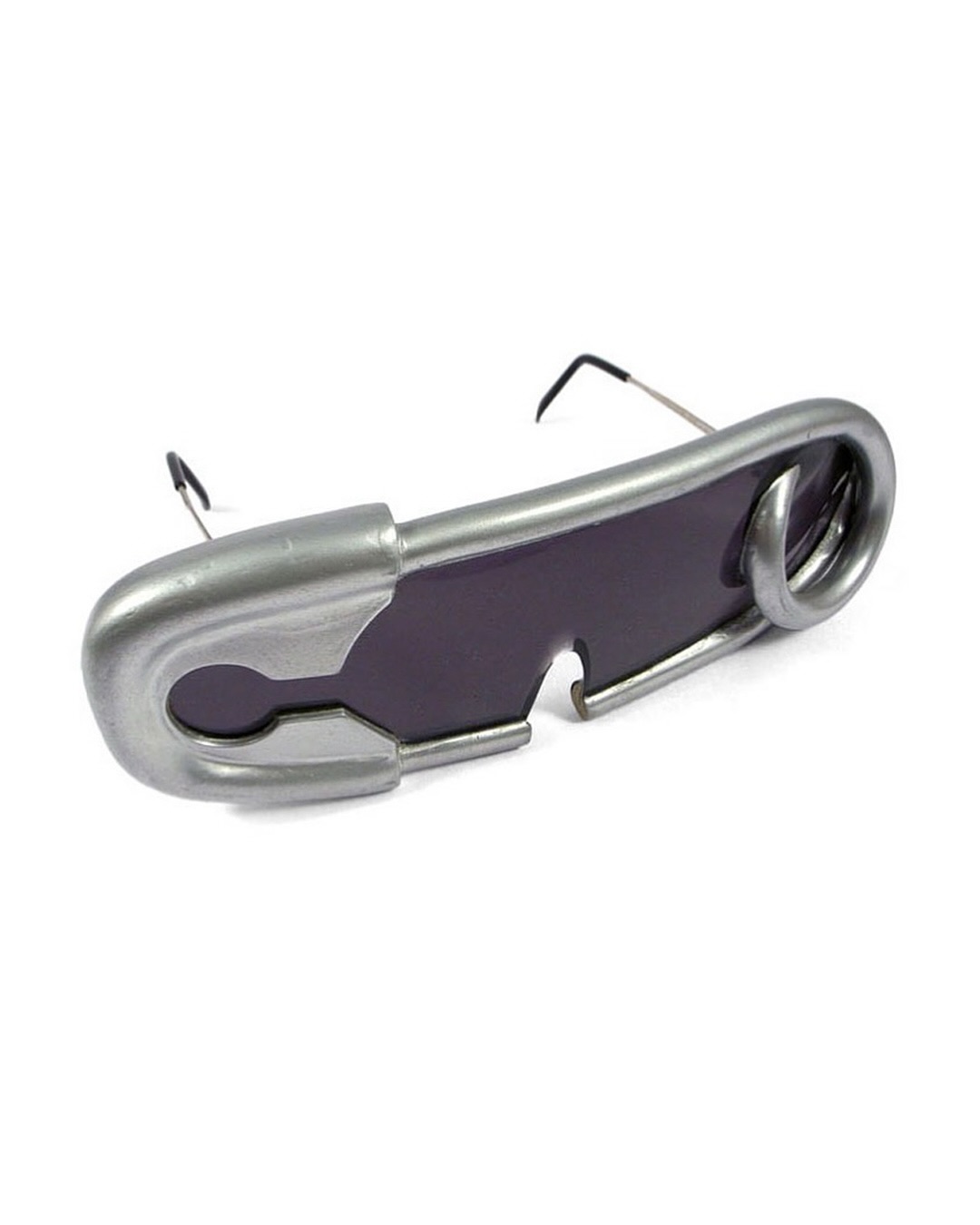
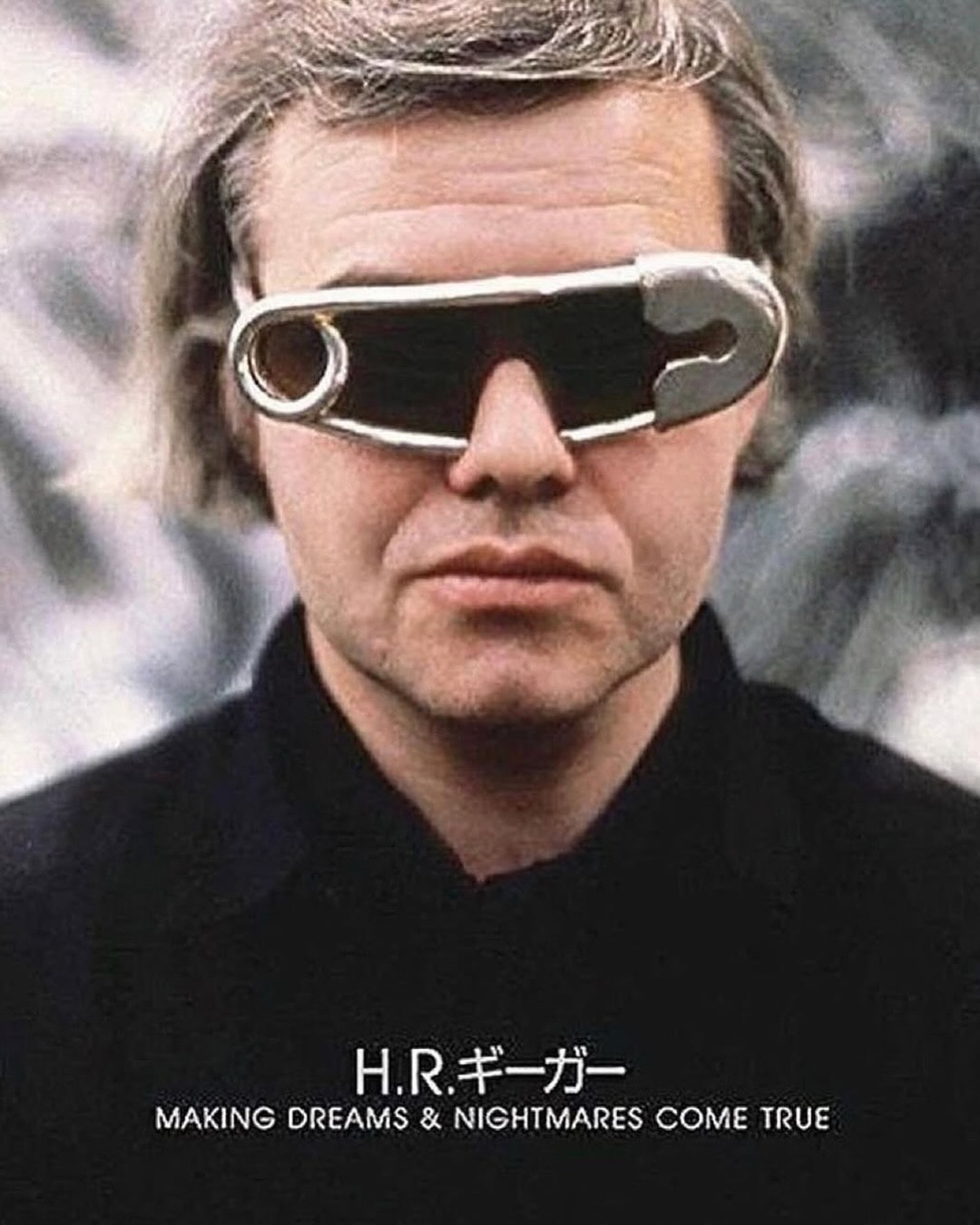
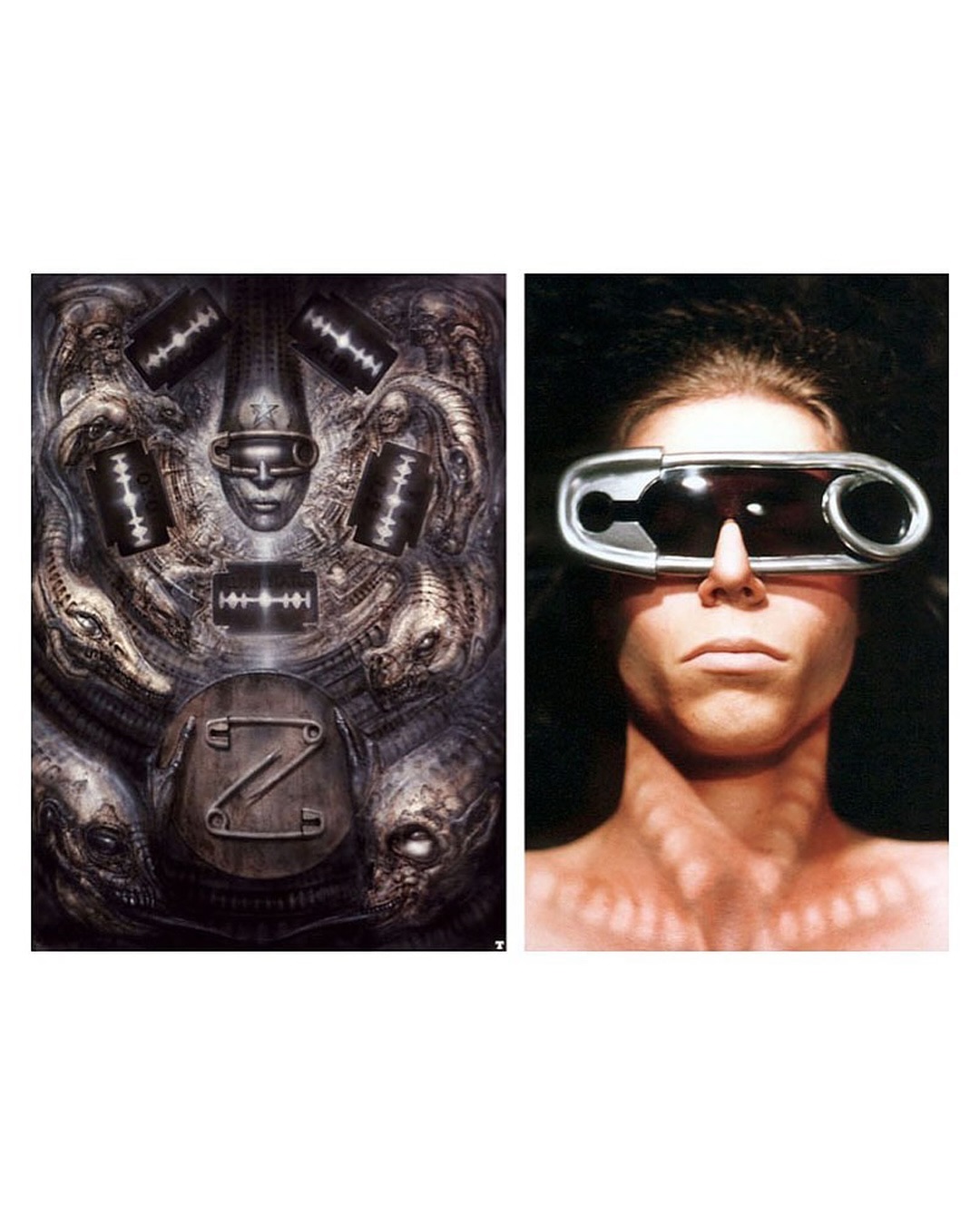
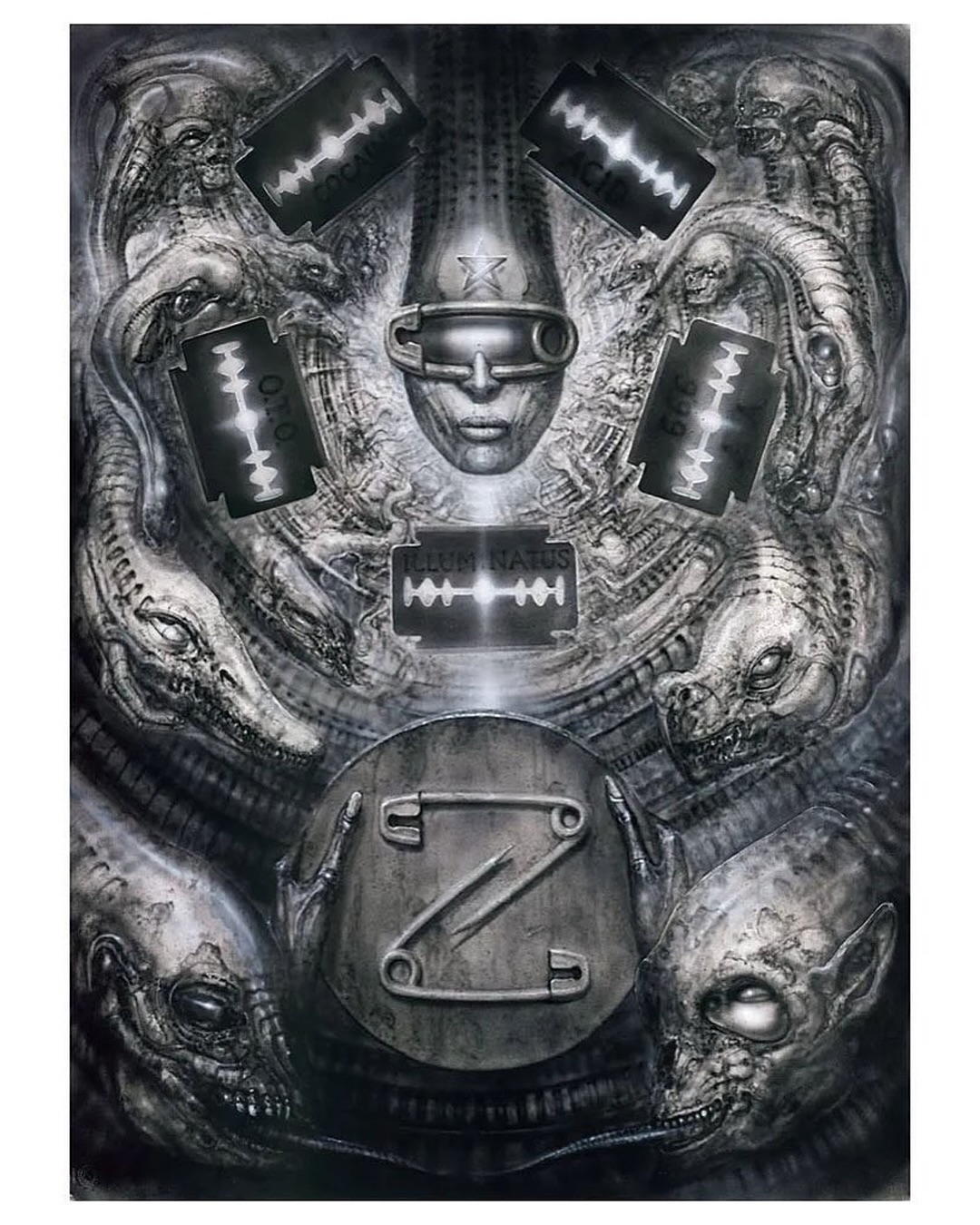
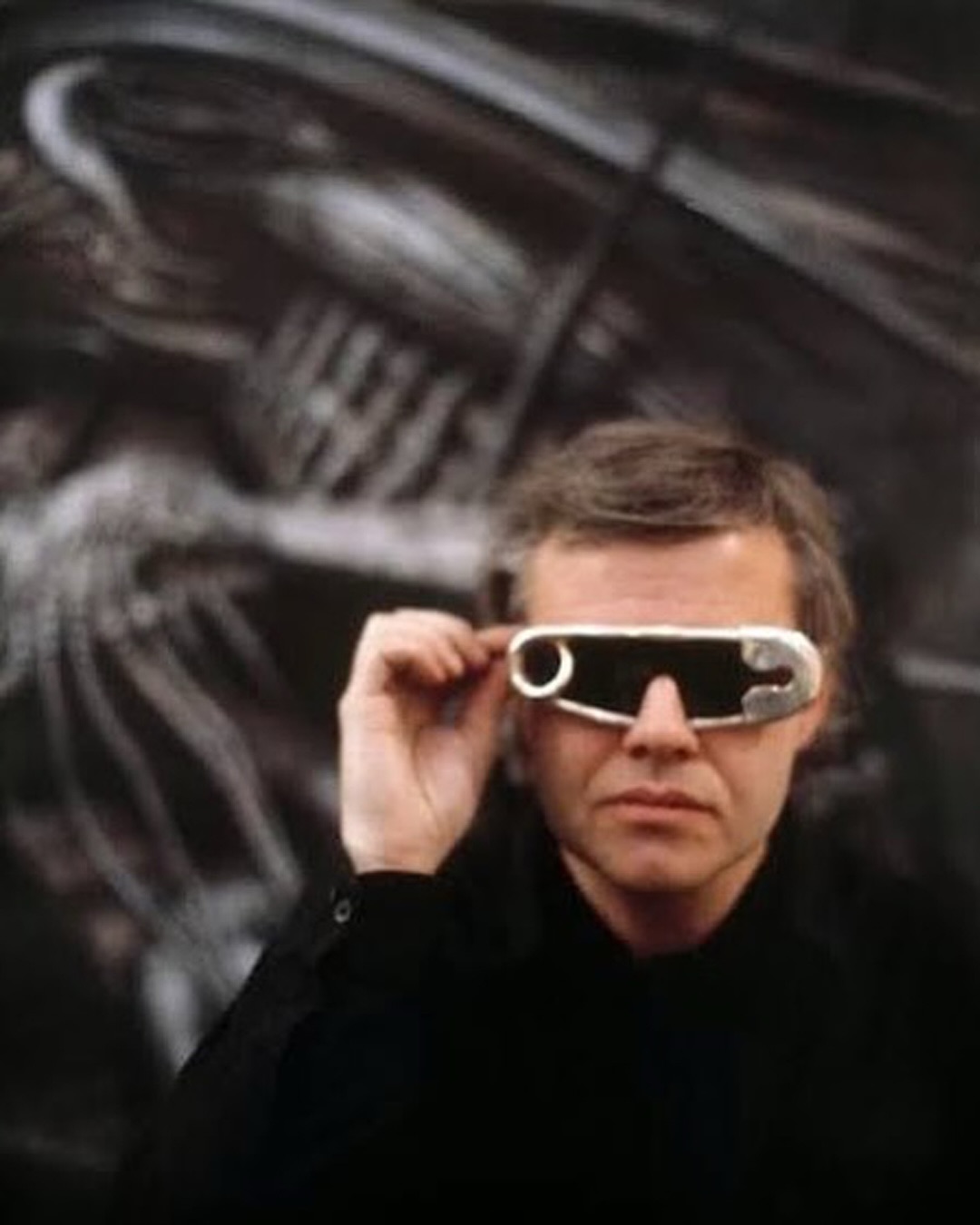
H.R. Giger built a working pair of the safety pin sunglasses depicted in his 1978 painting Illuminatus, whose central face was modeled on his late partner Li Tobler. Giger reused the same safety pin motif that year on Magma's album Attahk, and British artist Bruce Whistlecraft, known as Doktor A, built his own tribute pair by hand in the late 1980s or early 1990s before giving it to a friend in Japan. The image resurfaced in August 2026 on the Instagram curation account das.archivee, 48 years after Giger first painted it.
Key Points
- Giger painted Illuminatus in 1978 and later built a working pair of the safety pin glasses himself.
- Magma's 1978 album Attahk carries the same safety pin design on two painted infant faces.
- Bruce Whistlecraft, known as Doktor A, built his own tribute pair in the late 1980s and gave them to a friend in Japan.
A pair of giant safety pins pierce a face through the cheek in a painting H.R. Giger made in 1978. Forty eight years later, an Instagram account with no connection to Giger's estate resurfaced the same image, and a private object built by hand became the center of a much longer story about who keeps culture visible. Giger built himself a working pair of those glasses. A British toymaker built his own copy a decade later. Neither man ever sold one.
1978: A Face Pierced By Two Safety Pins
H.R. Giger finished the painting Illuminatus in 1978, and the central face wears two oversized safety pins driven through the cheek and out past the mouth. Giger modeled that face on Li Tobler, the actress who had been his partner until her death three years earlier.
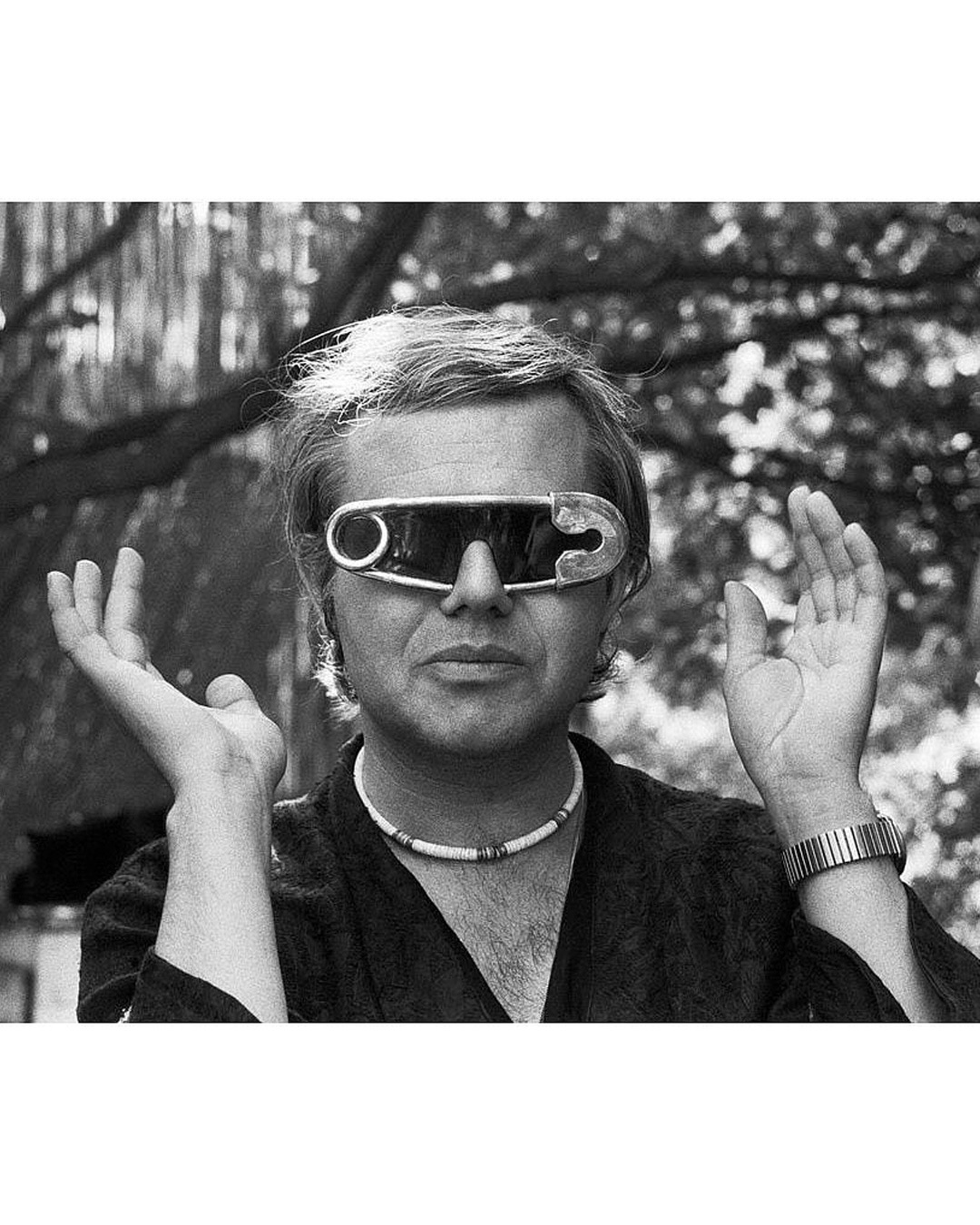
Giger did not stop at paint. He and a collaborator built an actual working pair not long after, bending steel and acrylic into pins large enough to wear as sunglasses frames. The image traveled fast for an artist working out of Zurich. It turned up on an album cover within the same year, on a toymaker's workbench a decade later, and now on an Instagram account with roughly 349,000 followers that had nothing to do with any of them. Finally Offline covered another object the same account resurfaced two days before this one, a surrealist cherry blossom painting with the same unclear paper trail.
Sergius Golowin Got Timothy Leary Through Swiss Exile
Sergius Golowin, a Bern librarian and folklore researcher, appears on the left side of Illuminatus alongside Timothy Leary, the psychologist Golowin helped shelter during Leary's exile in Switzerland. Giger painted both men into the same canvas because he knew them personally, not as symbols of anything.
Leary left the United States in 1971 after his prison escape and spent part of that decade moving through Europe under different protections. Golowin, who wrote for years on esotericism and myth, was one of the people who helped keep him housed. Giger was close enough to both men to put their likenesses on a canvas that also carried his own grief over Tobler. The painting is not really about safety pins. The pins are the detail that survived. The friendships are the part nobody reposts.
Punk Safety Pins Turned Into a Prog Rock Album Cover
Giger reused the safety pin image that same year on the cover of Magma's 1978 album Attahk, fitting the pins through the faces of two painted infants instead of Tobler's. The French band worked in a genre nobody would call punk, and Giger pulled the pin from a movement that was, at that exact moment, defining itself through safety pins in torn clothing and pierced skin in London and Zurich.
That is the wiring worth naming. A Swiss surrealist took a street fashion signal from one scene and mounted it on a French progressive rock record, then built his own pair to wear. Punk did not invent the safety pin as a threat. Giger just got there through a gallery instead of a mosh pit, and the two versions ended up looking almost identical.
One Pair Ended Up in a Shop in Japan
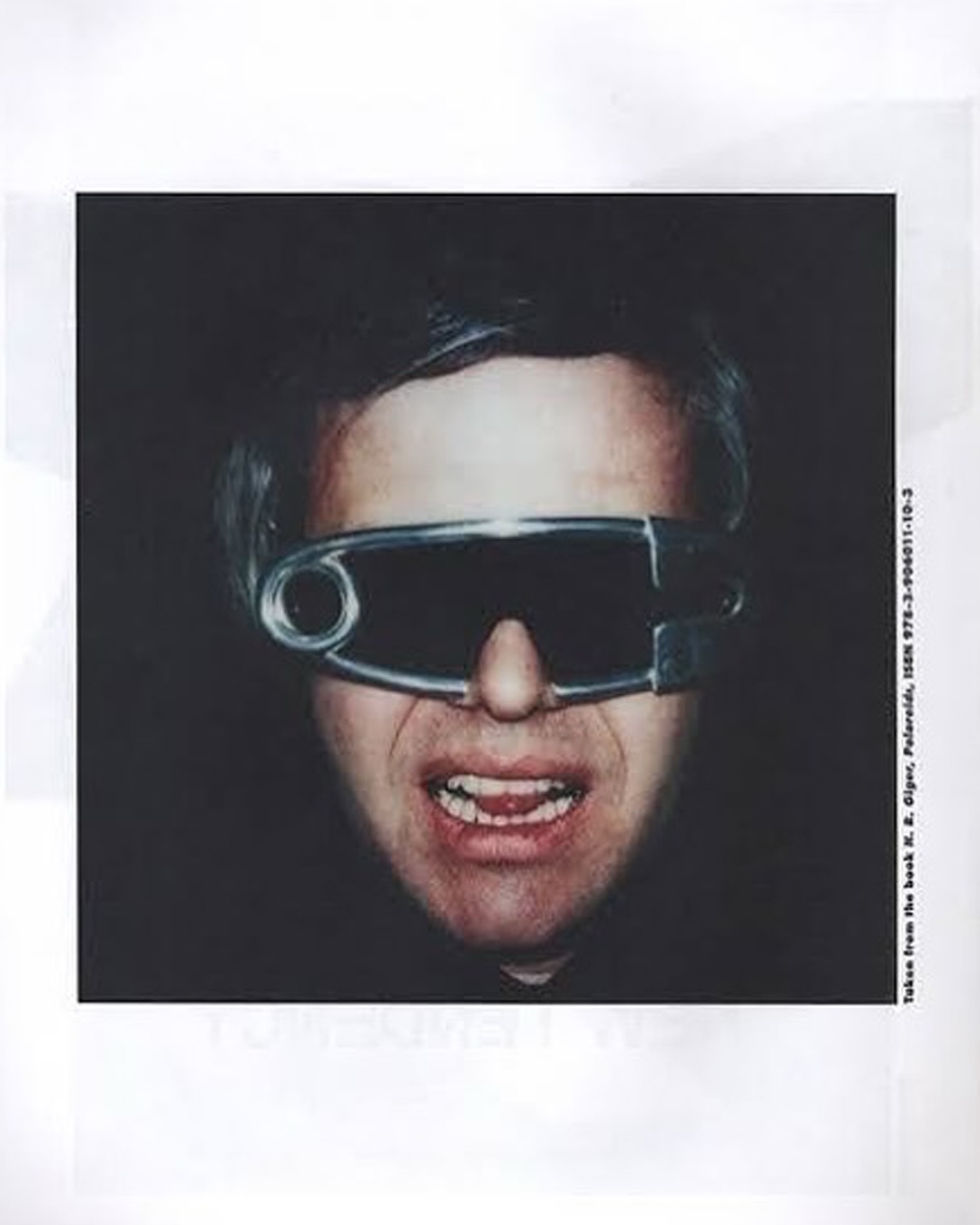
Bruce Whistlecraft, a British artist who works under the name Doktor A, built his own tribute pair of the glasses in the late 1980s or early 1990s, using heat formed smoked acrylic, epoxy resin, polyurethane tube, and a set of repurposed steel sunglasses arms. He made the pair for himself, kept it for years, and eventually gave it to a friend named Shinji who runs a shop in Japan built around science fiction and horror movie props.
Whistlecraft is better known now for Mechtorians, the line of retro robotic figures he designs for toy makers. The glasses were never a product; they were a private homage from one artist to another, built by hand with no plan to sell it, the same instinct that pushed Giger to build his own pair instead of licensing the image. Noah's own eyewear line launched this year with frames made in Japan, on the other end of that same country, built for retail instead of tribute.
Forget the Painting. Look at What Keeps Getting Copied.
The object that keeps resurfacing is not the painting itself. It is the safety pin detail, remade by at least three separate people across five decades for reasons that had nothing to do with money. Giger built one because he wanted to see it in the room. Whistlecraft built one because he liked the shape.
This is the third object das.archivee has resurfaced into a Finally Offline story in the last ten days, after a Carhartt WIP lunch bag on August 17 and the cherry blossom painting on August 25. None of the three were made to sell. That is the through line an algorithm cannot fake. The account is not chasing drops; it is chasing objects somebody made because they wanted to, and those tend to outlast whatever was actually for sale that week. Giger's own pair never left his studio. Whistlecraft's pair is still in Japan. The image is the only part that ever travels.
Related: A VAMPIRE FANGS CUFF DEBUTED ON RAF SIMONS' LAST RUNWAY.
Frequently Asked Questions
What is the H.R. Giger painting with the safety pin sunglasses called?
The painting is called Illuminatus, and H.R. Giger completed it in 1978 with a central face wearing two oversized safety pins.
Did H.R. Giger actually build a pair of the safety pin glasses?
Yes, Giger built a working pair with a collaborator not long after finishing the painting, using steel and acrylic to form the pins.
Who is the face in the center of Giger's Illuminatus painting?
The central face is modeled on Li Tobler, the actress who was Giger's partner until her death in 1975.
Who are the two other faces in the Illuminatus painting?
They are Sergius Golowin, a Bern folklore researcher, and Timothy Leary, the psychologist Golowin helped shelter during Leary's exile in Switzerland.
Where else did Giger use the safety pin design?
He put the same safety pin motif on the cover of Magma's 1978 album Attahk, fitted through the faces of two painted infants.
Who is Bruce Whistlecraft and why did he build his own pair?
Bruce Whistlecraft, who works as Doktor A, built a tribute pair of the glasses by hand in the late 1980s or early 1990s purely for himself.
What happened to Bruce Whistlecraft's pair of safety pin glasses?
He eventually gave them to a friend named Shinji who runs a shop in Japan focused on science fiction and horror movie props.
Is das.archivee connected to H.R. Giger's estate?
No, das.archivee is an independent Instagram curation account with roughly 349,000 followers that resurfaced the image without any direct connection to Giger or his estate.
Topics: album-art, das-archivee, eyewear, surrealism, culture, carhartt wip, doktor-a, carhartt-wip, magma-band, instagram-curation, hr-giger, illuminatus