How Stüssy Built Hip-Hop Fashion From California Sand to NYC Streets

Stüssy transformed from a California surf brand founded in 1980 into hip-hop fashion's foundational influence by the late 1980s, creating the cultural blueprint that every modern streetwear brand follows. The brand's authentic community-building approach, accessible pricing, and distinctive graphics established the template for fashion's intersection with hip-hop culture.
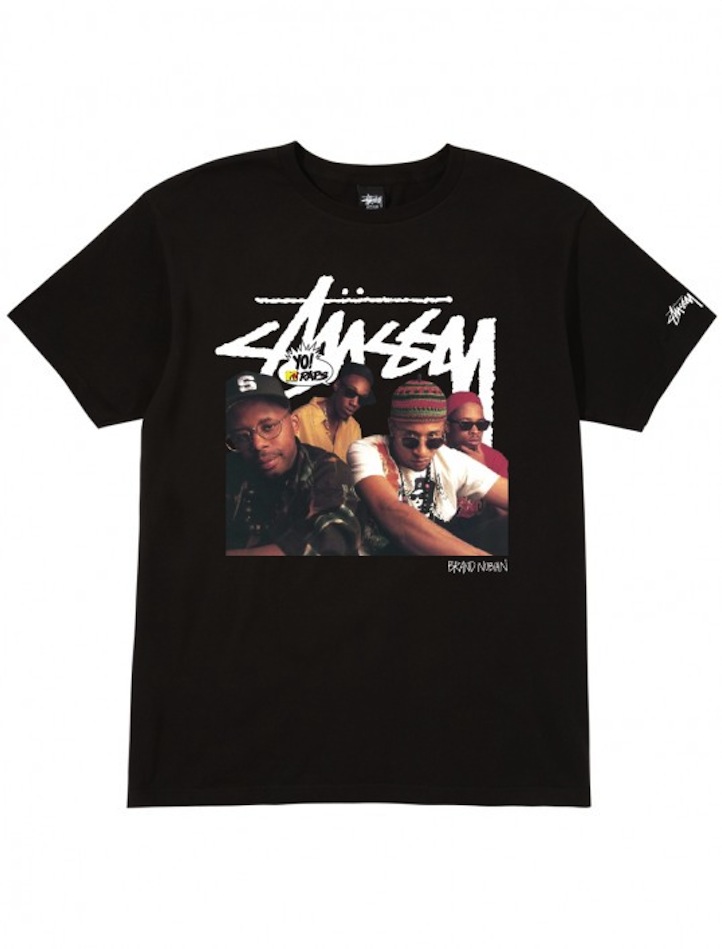

Key Points
- Stüssy expanded from California to New York in 1987, connecting surf culture with emerging hip-hop fashion
- The brand's Stüssy Tribe network created in 1988 pioneered modern influencer marketing strategies
- Stüssy t-shirts cost $30-50 in the 1990s, making them accessible to hip-hop's core working-class audience
- The brand's 1991 collaboration with Yo! MTV Raps established the template for hip-hop media partnerships
- Vintage Stüssy pieces developed a robust secondary market within hip-hop communities decades before modern streetwear hype
How Stüssy Built Hip-Hop Fashion From California Sand to NYC Streets
1980. Shawn Stüssy carves his signature into a surfboard in Laguna Beach, California. By decade's end, that same scrawled logo would be draped across the shoulders of hip-hop pioneers from the Bronx to Brooklyn. The collision between West Coast surf culture and East Coast rap created something unprecedented: the first streetwear empire. Stüssy didn't just dress hip-hop culture; it helped invent the visual language of urban cool that every brand from Supreme to Off-White still copies today.
The Accidental Revolution: 1980-1987
Stüssy's entry into hip-hop happened by accident, but the conditions were perfect. Shawn Stüssy started selling his hand-screened t-shirts and caps from the trunk of his car in 1980, targeting California surfers who wanted something different from the corporate beach brands. The timing aligned with hip-hop's explosion beyond the Bronx block parties where it was born in 1973.
By 1984, Run-DMC had already shown the world that rappers could turn athletic gear into cultural statements with their Adidas obsession. But Stüssy offered something neither Adidas nor Nike could: authenticity rooted in subculture, not corporate boardrooms. The brand's hand-drawn aesthetic and limited quantities spoke the same language as hip-hop's DIY ethos.
Frank Sinatra Jr., Stüssy's early business partner and no relation to the singer, recognized the brand's potential beyond surf shops. He pushed for expansion into urban markets, particularly New York, where hip-hop was becoming a cultural export. This decision would prove transformative.
East Coast Invasion: The New York Breakthrough
Stüssy's New York debut in 1987 changed everything. The brand opened its first East Coast store in SoHo, but the real action happened in the streets. Hip-hop artists, always hunting for fresh styles that separated them from mainstream fashion, discovered Stüssy's California cool.
The brand's appeal to hip-hop culture wasn't manufactured through celebrity endorsements or marketing campaigns. Instead, it spread organically through the scene's tastemakers. DJs, graffiti artists, and emerging rappers started wearing Stüssy pieces, drawn to the brand's outsider credibility and distinctive graphics.
By 1988, Stüssy had become a fixture in hip-hop circles. The brand's "World Tour" t-shirt, featuring city names in a concert poster style, became particularly popular among hip-hop artists who were literally touring the world, spreading rap culture globally. The shirt's design inadvertently captured hip-hop's international ambitions.
The Tribe Formation: Building Hip-Hop's Fashion Network
Stüssy's genius lay in understanding community before social media existed. The brand created the "Stüssy Tribe" in 1988, an informal network of influencers, artists, and cultural figures who received early access to new designs and helped spread the brand's message. This wasn't traditional celebrity endorsement; it was cultural seeding.
Hip-hop figures naturally gravitated toward the Tribe concept. The culture had always been about crews, posses, and collective identity. Stüssy provided a way for hip-hop's scattered communities to signal their membership in something larger than local scenes.
The brand's Japanese expansion in 1989 proved particularly influential. Japanese collectors and fashion enthusiasts embraced Stüssy with an intensity that elevated the brand's status globally. When hip-hop artists saw Japanese buyers paying premium prices for Stüssy pieces, it reinforced the brand's cultural value.
Design Language: Creating Hip-Hop's Visual DNA
Stüssy's design philosophy aligned perfectly with hip-hop's aesthetic sensibilities. Both cultures celebrated appropriation, remix, and recontextualization. Stüssy's graphics borrowed from punk rock, reggae, skateboarding, and graffiti, creating a visual language that hip-hop artists recognized as their own.
The brand's use of bold typography, particularly its signature script logo, influenced how hip-hop artists thought about visual identity. Many early rap logos and album covers adopted similar hand-drawn aesthetics, moving away from the sterile corporate graphics that dominated mainstream music.
Stüssy's color palette also resonated with hip-hop culture. The brand's frequent use of black, white, and primary colors created designs that photographed well and stood out in music videos, which were becoming crucial for hip-hop artists' visual presentation.
The Collaboration Blueprint: 1990s Expansion
The 1990s saw Stüssy formalize its relationship with hip-hop through strategic collaborations and cultural partnerships. The brand worked with record labels, supported hip-hop events, and created limited-edition pieces tied to album releases and tours.
Stüssy's collaboration with Yo! MTV Raps in 1991 represented a watershed moment. The partnership produced co-branded merchandise that appeared on television weekly, exposing Stüssy to millions of hip-hop fans nationwide. This collaboration established the template for brand partnerships with hip-hop media that continues today.
The brand's international expansion during this period also strengthened its hip-hop connections. As rap music went global, Stüssy's presence in key markets like London, Tokyo, and Paris provided hip-hop artists with familiar fashion choices while touring internationally.
Cultural Currency: The Economics of Cool
By the mid-1990s, Stüssy had become cultural currency within hip-hop circles. The brand's limited production runs and selective distribution created genuine scarcity, not artificial hype. Hip-hop artists, many of whom grew up with limited access to luxury fashion, appreciated brands that maintained exclusivity through culture rather than price alone.
Stüssy's pricing strategy also aligned with hip-hop's economic realities. While luxury fashion houses charged thousands for pieces, Stüssy kept prices accessible to working-class consumers who formed hip-hop's core audience. A Stüssy t-shirt cost $30-50 in the 1990s, expensive enough to signal taste but affordable enough for young fans to save up and purchase.
The secondary market for vintage Stüssy pieces became particularly robust within hip-hop communities. Rare designs from the 1980s and early 1990s commanded premium prices, creating an ecosystem of collectors and resellers that predated modern streetwear hype culture by decades.
Modern Influence: The Blueprint Lives On
Stüssy's impact on hip-hop fashion extends far beyond the brand itself. The company created the playbook that every successful streetwear brand since has followed: start in subculture, build community, maintain scarcity, and let cultural adoption drive growth rather than traditional marketing.
Contemporary brands like Fear of God, Rhude, and Gallery Dept. all trace their DNA back to Stüssy's formula. Even luxury fashion houses like Louis Vuitton and Dior now employ streetwear design languages that Stüssy pioneered in collaboration with hip-hop culture.
The brand's continued relevance in 2026 speaks to the durability of its original vision. Recent collaborations with artists like Tyler, The Creator and brands like Nike demonstrate that Stüssy remains a cultural bridge between different generations of hip-hop artists and fashion consumers.
The Lasting Legacy: Culture Over Commerce
Stüssy's greatest contribution to hip-hop fashion wasn't any single design or collaboration. Instead, the brand proved that authentic cultural connection could build lasting commercial success. Unlike fashion brands that appropriated hip-hop aesthetics for profit, Stüssy grew alongside the culture, adapting and evolving while maintaining its core identity.
Today's streetwear landscape, dominated by brands that launch exclusively through hip-hop partnerships and social media hype, exists because Stüssy demonstrated the commercial viability of culture-first fashion. The brand showed that respecting subculture, rather than exploiting it, creates more sustainable and profitable business models.
As hip-hop approaches its sixth decade and streetwear continues expanding into luxury markets, Stüssy's influence remains visible in every drop, every collaboration, and every brand that prioritizes cultural authenticity over mass market appeal. The signature scrawled in California sand became the foundation for an entire industry built on the intersection of music, fashion, and youth culture.
Related Reading
- FUBU WENT FROM $350 MILLION IN SALES TO A NAME ON A LICENSE TAG
- HOW STUSSY'S STYLE EVOLVED FROM 1980 TO 2026 WITHOUT LOSING ITS IDENTITY
- ASAP ROCKY RAY BAN METALS COLLECTION DROPS AT UNDEFEATED
Frequently Asked Questions
When did Stüssy start influencing hip-hop fashion?
Stüssy began influencing hip-hop fashion in the mid-1980s when the California surf brand expanded to New York in 1987. Hip-hop artists discovered the brand's authentic subculture roots and distinctive graphics, leading to organic adoption throughout the scene.
What was the Stüssy Tribe and how did it connect to hip-hop?
The Stüssy Tribe was an influential network created in 1988 that gave cultural figures early access to new designs. Hip-hop artists naturally gravitated toward this community concept, which aligned with rap culture's emphasis on crews and collective identity.
How did Stüssy's design influence hip-hop visuals?
Stüssy's hand-drawn graphics and bold typography influenced early hip-hop logos and album covers. The brand's aesthetic borrowed from graffiti, punk, and reggae, creating a visual language that hip-hop artists recognized and adopted for their own identities.
What made Stüssy different from other fashion brands in hip-hop?
Unlike corporate brands that appropriated hip-hop for profit, Stüssy grew alongside the culture authentically. The brand maintained accessible pricing ($30-50 for t-shirts in the 1990s) while creating genuine scarcity through limited production rather than artificial hype.
How does Stüssy's hip-hop influence continue today?
Stüssy created the blueprint that modern streetwear brands follow: start in subculture, build community, maintain scarcity, and let cultural adoption drive growth. Contemporary brands like Fear of God and luxury houses like Louis Vuitton now use design languages Stüssy pioneered.
Topics: fear-of-god, focus-62-27, supreme-suprsupreme, 1990s, culture, streetwear, dior, hip-hop, fashion, louis vuitton, fear of god, undefeated, adidas, collaboration, rhude, louis-vuitton, stssy, supreme, off-white, 1980s, nike, stussy, stüssy