HAALAND OWNS A PIECE OF THE HAIR TIE HOLDING HIS BUN
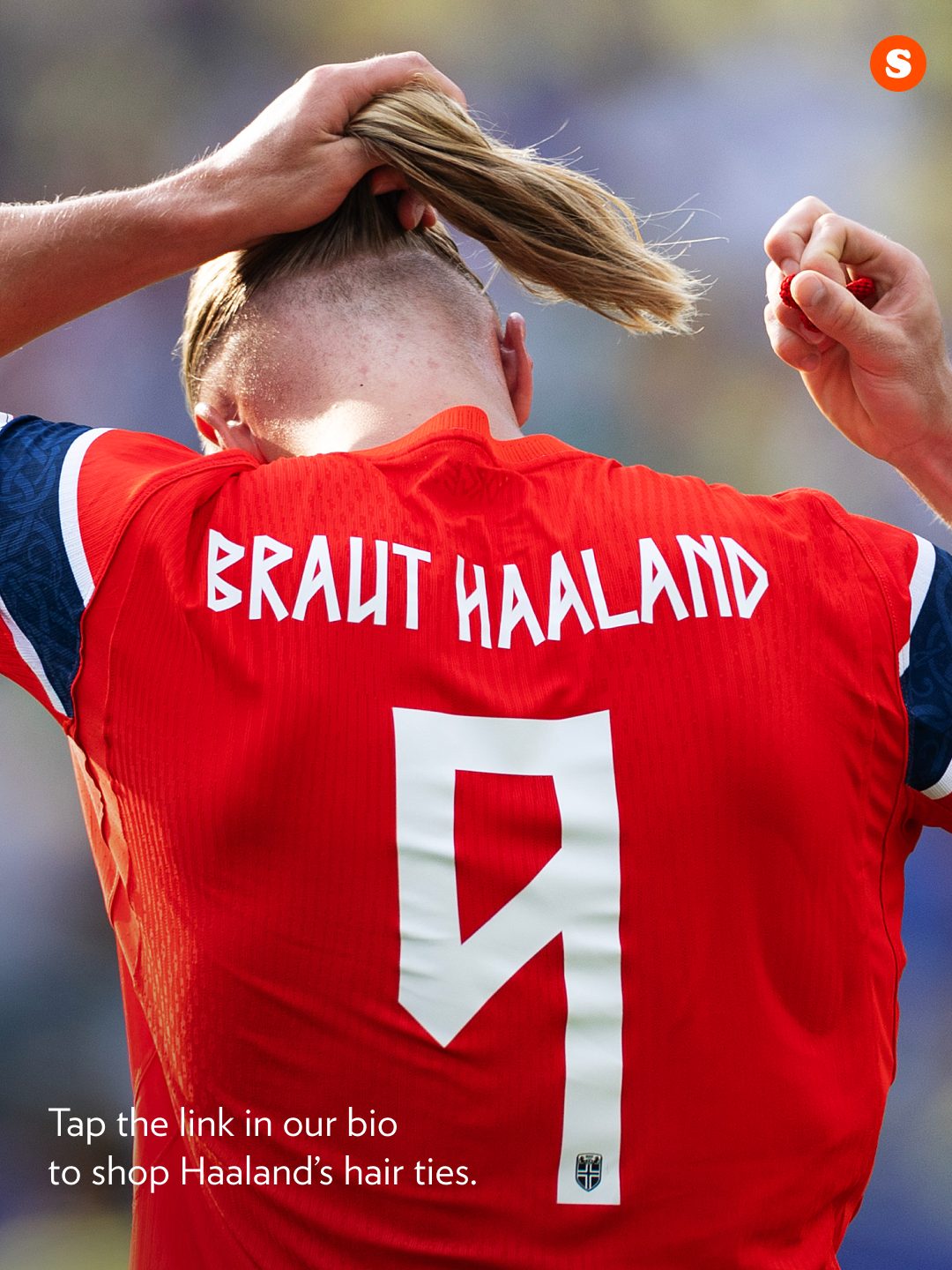
Erling Haaland holds a minority stake in Bon Dep, the Oslo company behind his signature Kknekki hair ties, a 2024 investment founder Vibeke Gronseth credits with growing annual revenue to roughly 7 million pounds. The woven elastic collection sold out on release and added more than 10,000 new followers to the brand.
Key Points
- Erling Haaland took a minority stake in Bon Dep, maker of the Kknekki hair tie, in 2024.
- Bon Dep's annual revenue has grown to roughly 7 million pounds since the deal.
- The Haaland hair tie collection sold out immediately and added 10,000 plus followers.
A Six Foot Five Striker and a 60 Thread Hair Tie Are the Same Business Now
Erling Haaland stands six foot five, plays center forward for Norway, and wears a hair tie made of more than sixty interwoven polyester threads wrapped around a recycled plastic bead. New York Magazine's tribute post to his signature man bun is not really about hair. It is about a striker who liked a product enough to become its co owner, and a small Oslo brand that turned one athlete's bun into a seven figure line item.
Haaland took a minority stake in Bon Dep, the company behind the Kknekki hair tie, back in 2024. Founder Vibeke Gronseth now credits his endorsement with pushing the brand's annual revenue to roughly seven million pounds. That is not a sponsorship fee. That is equity in a company whose entire product is a woven elastic band, and it is currently outperforming plenty of athlete sneaker deals that get ten times the media coverage.
New York Magazine's own framing of the tie, credited to a Getty photo and pitched with a link in bio, describes the elastic as a woven polyester and rubber blend finished with a plastic bead, built specifically for fine, fragile, or easily broken hair because the woven fibers will not snag or pull. That level of material detail in a caption about an athlete's hairstyle is unusual, and it is unusual because the publication is effectively writing product copy for a company its subject partly owns.
The Hair Tie Business Model Nobody in Sports Marketing Saw Coming
Athletes invest in tequila brands, sneaker startups, and recovery tech. Almost none of them invest in an accessory this small, this cheap, and this unglamorous. That is exactly why the Kknekki stake works. Gronseth built the elastic from woven fibers specifically because they do not snag or pull fine, fragile hair the way a standard rubber tie does, a real product difference for anyone who has ever ripped hair out on a cheap elastic. Haaland wore the actual product before there was a deal, which is the part licensing agreements almost never get right.
The Haaland collection sold out immediately on release. Bon Dep picked up more than ten thousand new social followers and saw website traffic jump seventy percent in the weeks after. Those are ecommerce numbers, not sports marketing numbers, and that distinction matters. A jersey sponsorship pays for logo placement. An equity stake in a sold out product line pays for itself and then some, and Haaland is on the ownership side of that math instead of the endorsement side.
Six Countries, One Bun, and a Distribution Map No Boot Deal Buys
The man bun phenomenon has specifically boosted Kknekki sales across Germany, Sweden, Denmark, the Netherlands, Belgium, and France, a six country footprint that traces almost exactly onto the European fan base Haaland has built over his club and country career. That geographic overlap is not an accident. It is the same distribution logic that makes Nike's Homescape Woven release strategy worth studying: a product moves fastest through the exact audience that already trusts the person attached to it, whether that person is selling sneakers or hair elastics.
The comparison to fashion licensing is not incidental either. A hair tie collection selling out on athlete association follows the same playbook Nike and Adidas use when a player's own signature product outsells the base line, except Bon Dep did it at accessory prices with a founder who still owns the majority of her own company. Haaland did not buy the brand. He bought a piece of it, which means Gronseth keeps control while gaining the one thing money alone cannot manufacture: a six foot five World Cup striker who actually wears the product on television every week.
Getty Credit, Link in Bio, Zero Ad Spend
Notice what New York Magazine did not need for this post to work: no ad buy, no campaign shoot, no paid placement. A single Getty photo, a caption explaining the elastic's construction, and a link in bio pointed readers straight at Bon Dep's site. That is the same low cost, high trust distribution model streaming platforms lean on when a song goes viral off a fifteen second clip instead of a marketing budget, proof that attention now moves through authentic detail first and paid media second, in sports commerce exactly like it does in music.
Early, Not Overrated: This Is the Athlete Investment Model That Scales Down
Call this one early rather than overrated. Cristiano Ronaldo owns hotels. Haaland owns a stake in something that costs a few pounds to make and sells at a premium because one specific person's hair holds it in place on camera every match week. The lesson for anyone watching athlete investment deals is that the smallest, cheapest product with the most authentic origin story can outperform the flashy nine figure sneaker line, and Bon Dep's seven million pound run rate is the receipt.
Related: ADIDAS BUILDS ITS LAST CHAMPIONS LEAGUE BALL AROUND FOG.
Related: HAALAND'S $750 RACCOON CARRIES A CREDITS LINE HOME.
Frequently Asked Questions
What hair ties does Erling Haaland wear?
Kknekki hair ties, made by the Oslo company Bon Dep.
Does Erling Haaland own a hair tie company?
He holds a minority stake in Bon Dep, which he acquired in 2024.
How much revenue does Bon Dep make?
Founder Vibeke Gronseth says annual revenue has grown to roughly 7 million pounds since Haaland's investment.
What are Kknekki hair ties made of?
A woven polyester and rubber blend elastic made from more than 60 interwoven threads, finished with a recycled plastic bead.
Did Erling Haaland's hair tie collection sell out?
Yes, it sold out immediately upon release.
Who founded Bon Dep?
Vibeke Gronseth.
Why do woven hair ties matter for fine or fragile hair?
The woven fibers do not snag or pull the way a standard rubber elastic does.
Who owns Kknekki?
Kknekki is made by the Oslo company Bon Dep, founded by Vibeke Gronseth, who retains majority ownership. Erling Haaland holds a minority stake he acquired in 2024.
Where do Kknekki hair ties sell best?
The man bun effect has driven Kknekki sales across six European markets: Germany, Sweden, Denmark, the Netherlands, Belgium and France.
Topics: new-york-magazine, athlete-investment, sports-business, adidas, cristiano ronaldo, bon-dep, kknekki, world-cup, new york magazine, erling-haaland, beauty-industry, world cup, cristiano-ronaldo, focus-64-14, hair-ties, norway, nike, man-bun