DAVID RAMOS SHOOTS GUADALAJARA'S 2026 VOLCANO BOWL
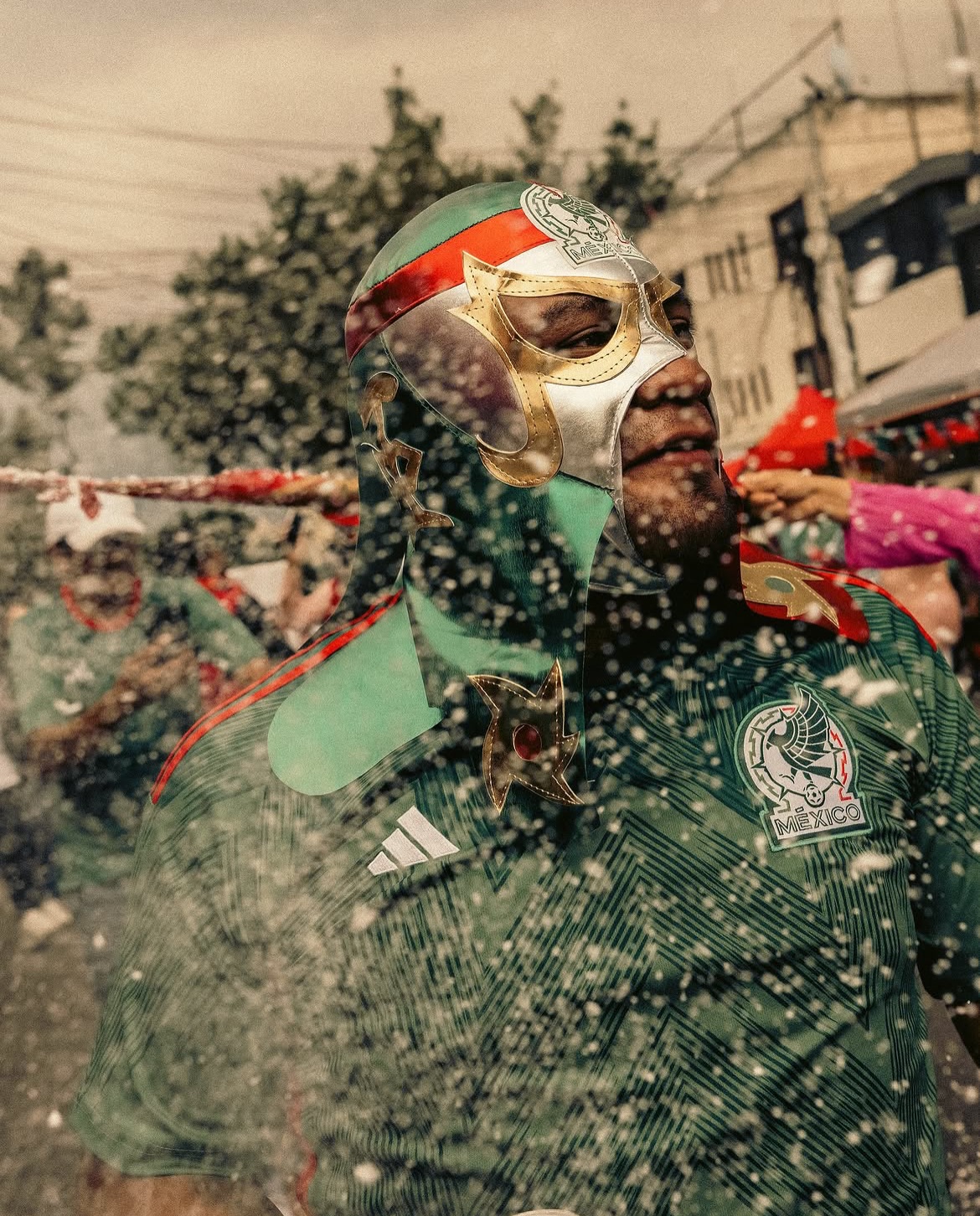
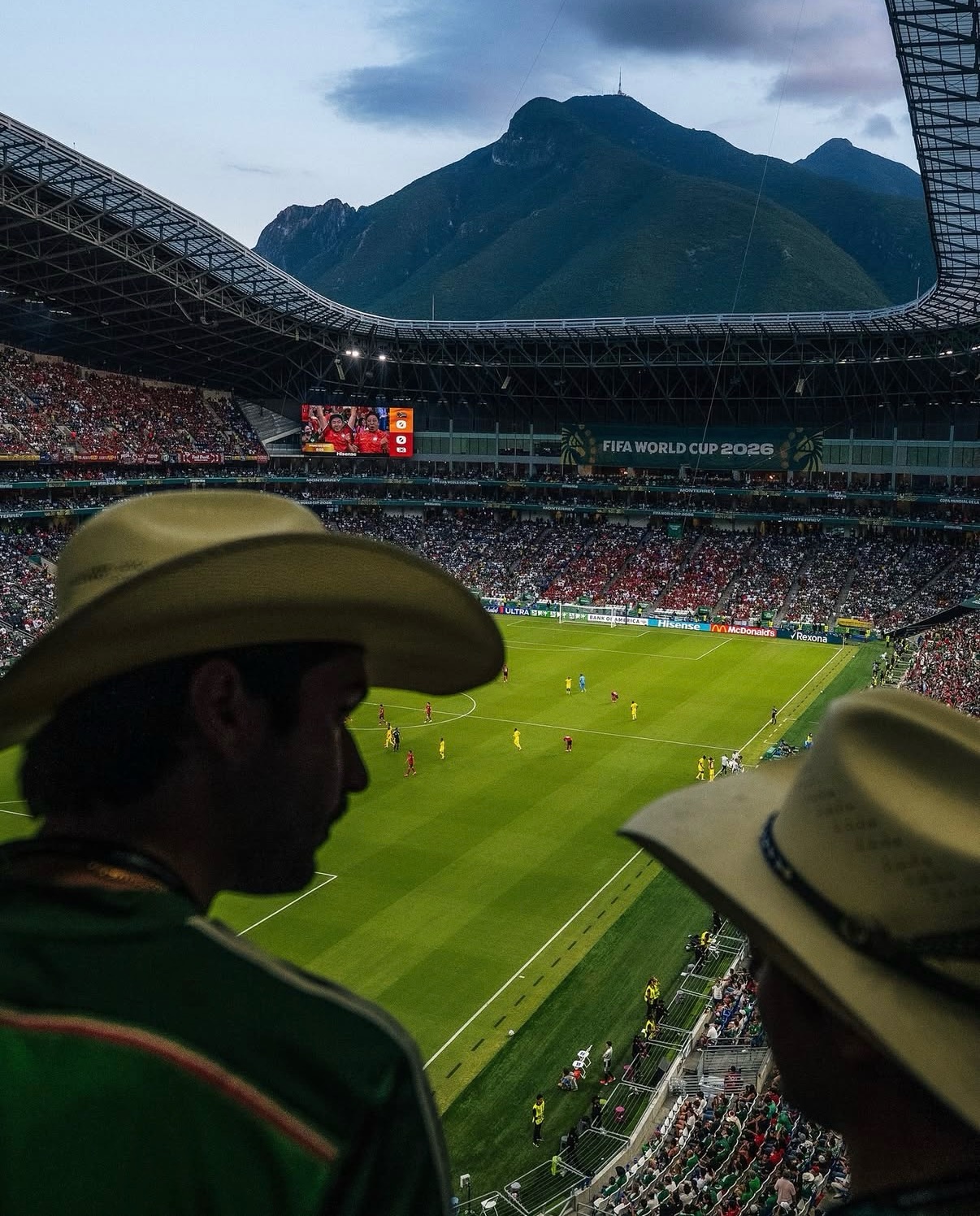
David Ramos, a Getty Images staff photographer since 2016, captured a widely shared World Cup 2026 image of Estadio Guadalajara's volcano shaped bowl with the Nevado de Colima hills visible beyond the roofline. Getty holds FIFA's Authorized Photographic Agency contract for the tournament and estimates it will shoot 2.5 million images across 48 competing nations.


Key Points
- Estadio Guadalajara's volcano shaped bowl mirrors the Nevado de Colima skyline, designed by Jean Marie Massaud.
- David Ramos joined Getty as a stringer in 2010, staff photographer since 2016, shooting the 2026 World Cup.
- Getty Images, FIFA's Authorized Photographic Agency, estimates 2.5 million images from the tournament.
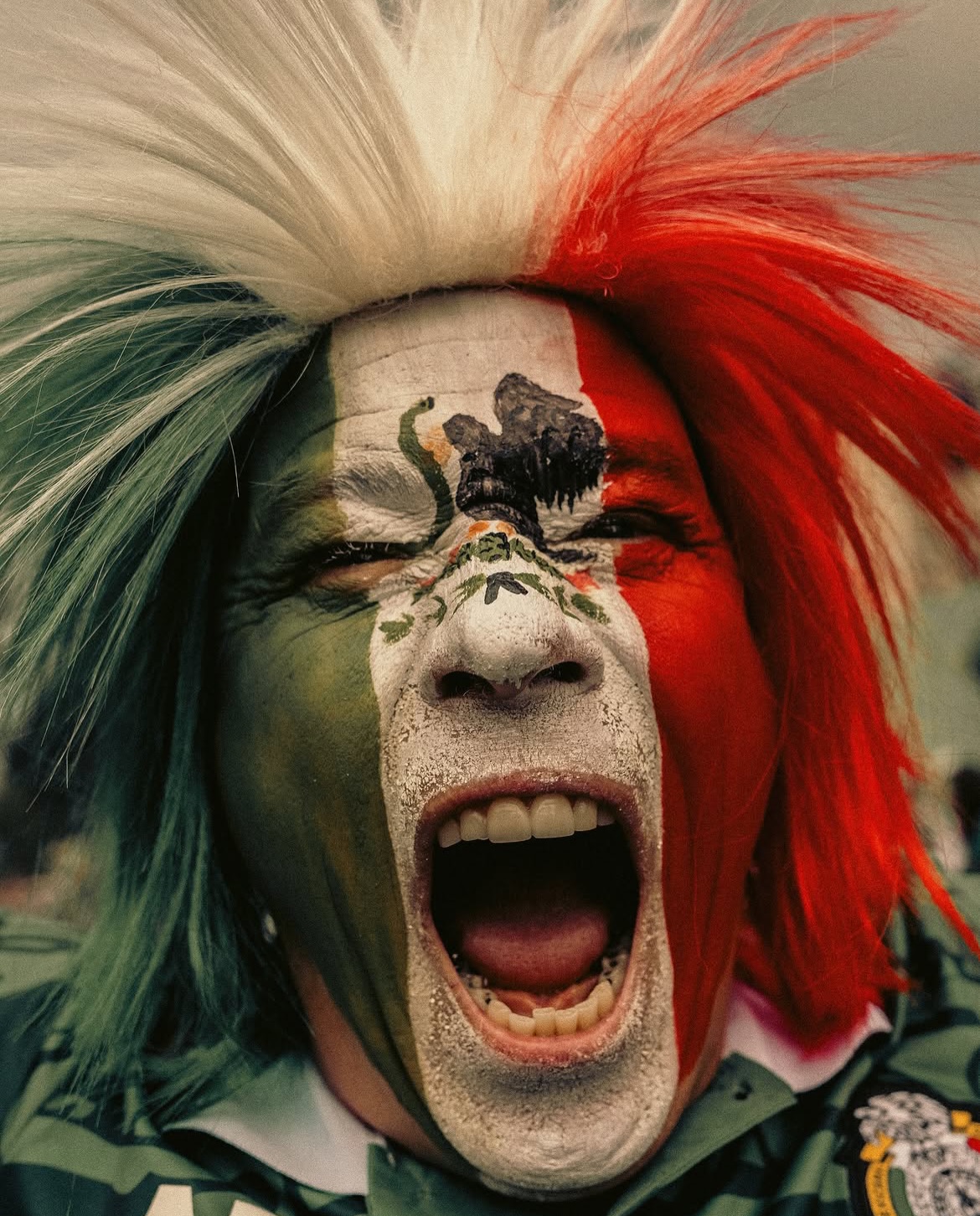
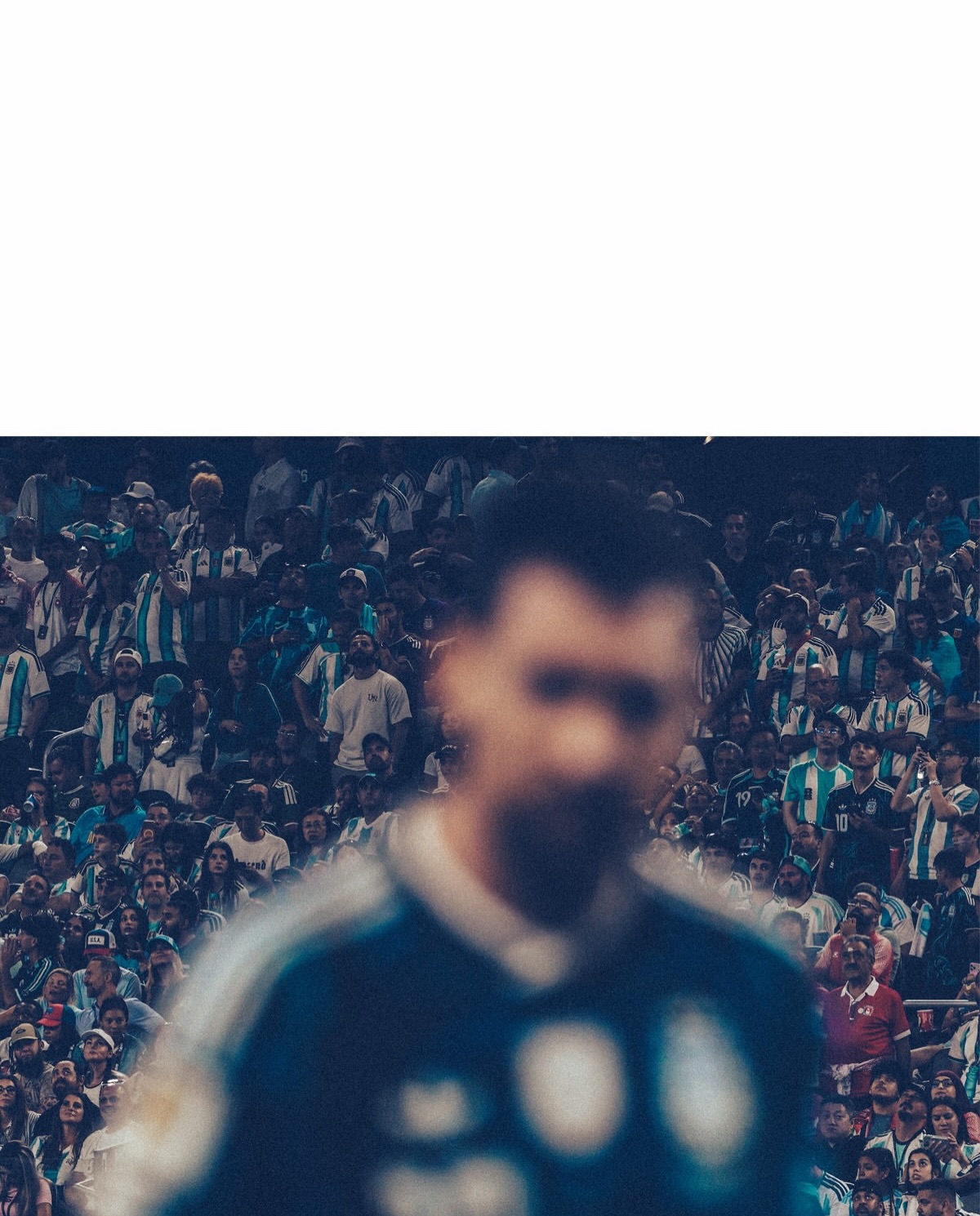
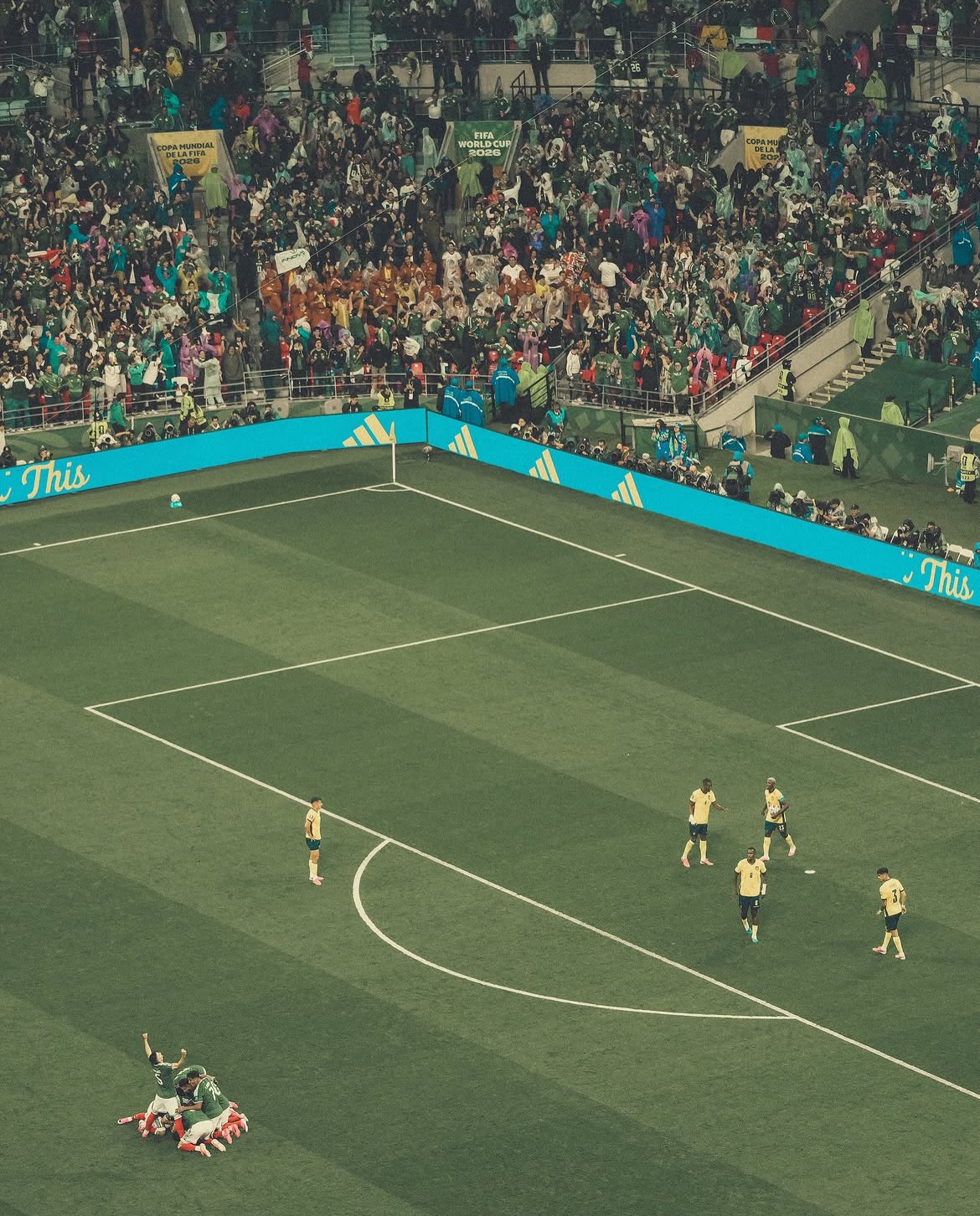
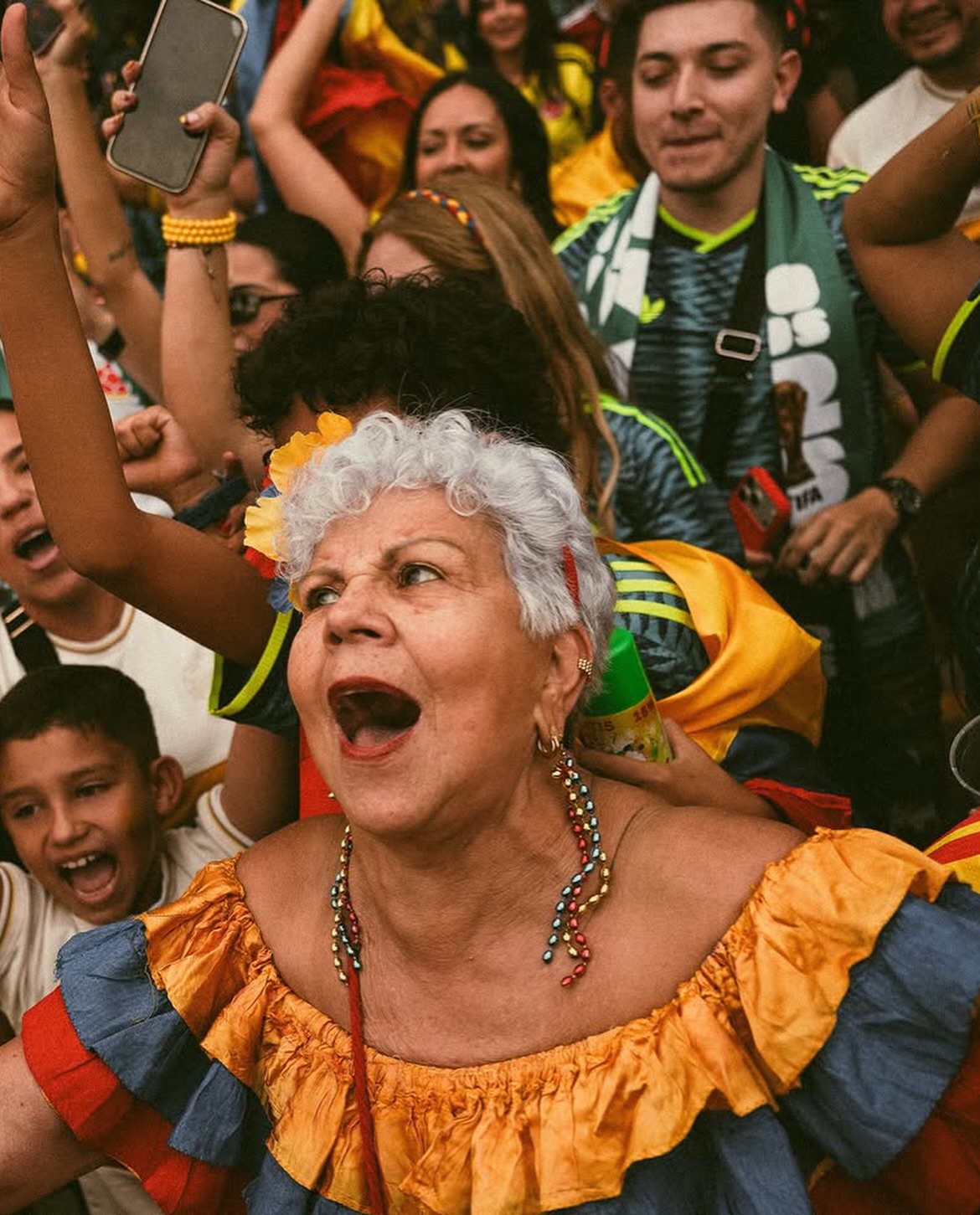
David Ramos pointed his Getty Images lens past a screaming World Cup crowd and held on the hills behind the stadium roofline instead of the pitch. The photograph comes from Estadio Guadalajara, a grass covered, volcano shaped bowl on the western edge of the city, where roughly 46,000 fans packed in for a 2026 World Cup group stage match. Ramos, a Getty staff photographer since 2016, is one of the photographers assigned to a tournament expected to produce roughly 2.5 million images. The frame that stopped Sporarts's editors mid scroll, buried inside an Instagram series documenting Getty's World Cup coverage, was not a goal celebration. It was the mountains.
Estadio Guadalajara Is a Volcano With Seats
Estadio Akron, renamed Estadio Guadalajara for the tournament under FIFA's commercial naming rules, was designed by French architect Jean Marie Massaud as a literal echo of the hills that ring the city. The exterior is 70,000 square meters of living turf draped over a concrete bowl, shaped to mirror the silhouette of the Nevado de Colima and Tequila volcanoes as they appear from downtown Guadalajara.
The seating bowl sits sunken below ground level, like a crater, with a white canopy roof standing in for cloud cover. Adidas opened its own $400 million bet on this World Cup down the road in Mexico City, an activation hub visitors will remember long after the group stage ends, but Ramos's camera found the story no marketing budget could buy. The mountains were here before FIFA arrived and will still be here after it leaves.
David Ramos Has Shot Sport Since 2010
Ramos, born in Barcelona in 1977 and trained at the Universidad Politecnica de Catalunya, started as a Getty Images stringer in 2010 and was promoted to staff photographer in 2016. Sixteen years on assignment is why an editor trusts him to walk past the obvious shot, the fists in the air, and hold on the empty space above the stands instead.
That instinct separates wire photography that gets used once from the frame that gets reprinted for years. Ramos has covered World Cups, Champions League finals, and Olympic Games for Getty out of his Barcelona base, and the Guadalajara image reads like the work of someone who has taken the easy photograph enough times to know exactly when to skip it.
4,585 Dollars Buys a Seat. It Does Not Buy This Angle
The cheapest resale ticket for England's July 5 Round of 16 match against Mexico at Estadio Azteca reportedly hit $4,585, a number that captures demand for this tournament without saying anything about what the games actually look like from behind a photographer's credential. That figure sits inside a resale market averaging over $5,000 a seat, the same market FO broke down in why a single World Cup seat now costs more than most camera kits.
Ramos's photograph of the Guadalajara crowd is an angle no ticket, however expensive, can buy. Photographers work from sanctioned positions above the tunnel and along the sidelines, timed to the minutes when stadium lighting levels out and the crowd settles into its seats rather than its entrance chants. That position, not the price of admission, is the real premium seat at this World Cup.
Getty Owns the Access. Sporarts Owns the Edit
Getty Images holds FIFA's Authorized Photographic Agency contract for the 2026 World Cup, the position that puts Ramos and dozens of colleagues inside stadiums with credentials the public will never get. Sporarts, the account curating this particular series, is not shooting anything itself.
Its leverage is curatorial, picking the one frame out of Getty's wire feed that gets buried under a thousand action shots of players fans will remember by surname alone. That curatorial layer matters more every tournament. Getty's own estimate puts total World Cup output at 2.5 million images, which means roughly one photograph in every few hundred thousand becomes the one people actually stop and look at. Ramos's Guadalajara frame is now one of them, reposted and discussed for reasons that have nothing to do with the score.
Two Zero. Forty Years. One Photograph Outlasts Both.
Mexico beat Ecuador 2 0 at Estadio Azteca on June 30, ending a 40 year drought without a World Cup knockout stage win. That scoreline is the kind of fact that ages into a trivia answer, one FO covered in full in Mexico's first World Cup knockout win in four decades.
Ramos's photograph is betting on a different kind of memory, the one built from stillness rather than a final whistle. Six months from now, more people will likely remember what Estadio Guadalajara looked like from that angle than will remember the run of play in whichever group stage match filled the seats that day. That is the wager a photographer makes every time he chooses stillness over the huddle, and on this one, Ramos and Sporarts got it right.
Frequently Asked Questions
Who is David Ramos, the Getty photographer covering the 2026 World Cup?
David Ramos is a Barcelona born photographer who joined Getty Images as a stringer in 2010 and became a staff photographer in 2016, now shooting FIFA World Cup 2026 matches across Mexico.
Why does Estadio Guadalajara look like a volcano?
Architect Jean Marie Massaud designed Estadio Akron, renamed Estadio Guadalajara for the tournament, with a grass covered exterior bowl that echoes the silhouette of the Nevado de Colima and Tequila volcanoes visible from the city.
How many photos is Getty Images capturing at the 2026 World Cup?
Getty Images, the tournament's Authorized Photographic Agency, estimates it will capture around 2.5 million images across the 48 team World Cup.
What is the Sporarts Instagram account?
Sporarts is an Instagram account that curates and reposts standout sports photography, including this Getty World Cup series shot by David Ramos.
How many matches will Estadio Guadalajara host at the World Cup?
Estadio Guadalajara, formerly Estadio Akron, is scheduled to host four group stage matches during the 2026 FIFA World Cup.
Is Getty Images the official World Cup photographer?
Yes, Getty Images holds the FIFA Authorized Photographic Agency contract for the 2026 World Cup, giving its photographers exclusive access positions inside every stadium.
What makes David Ramos's Guadalajara photograph different from typical World Cup images?
Instead of framing a goal celebration, Ramos held the shot on the crowd, the stadium bowl, and the volcanic hills behind the roofline, prioritizing atmosphere over action.
Topics: mexico, world cup, adidas, world-cup-2026, world-cup-photography, estadio-guadalajara, sports-photography, estadio-akron, fifa-world-cup, world-cup, david-ramos, getty-images, focus-61-38