ARSHAM DRAWS THE TV WITH NO ARCHAEOLOGY
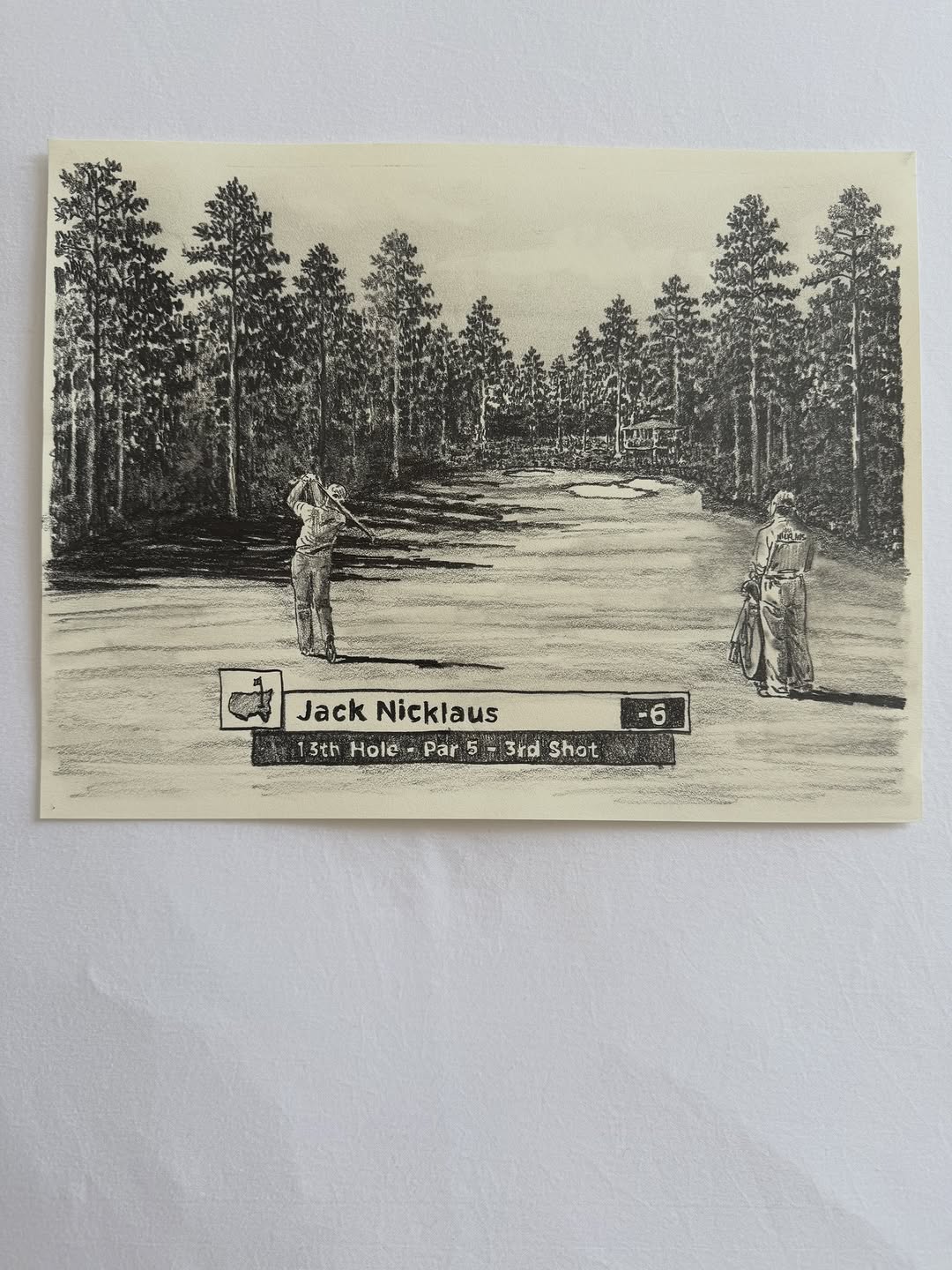
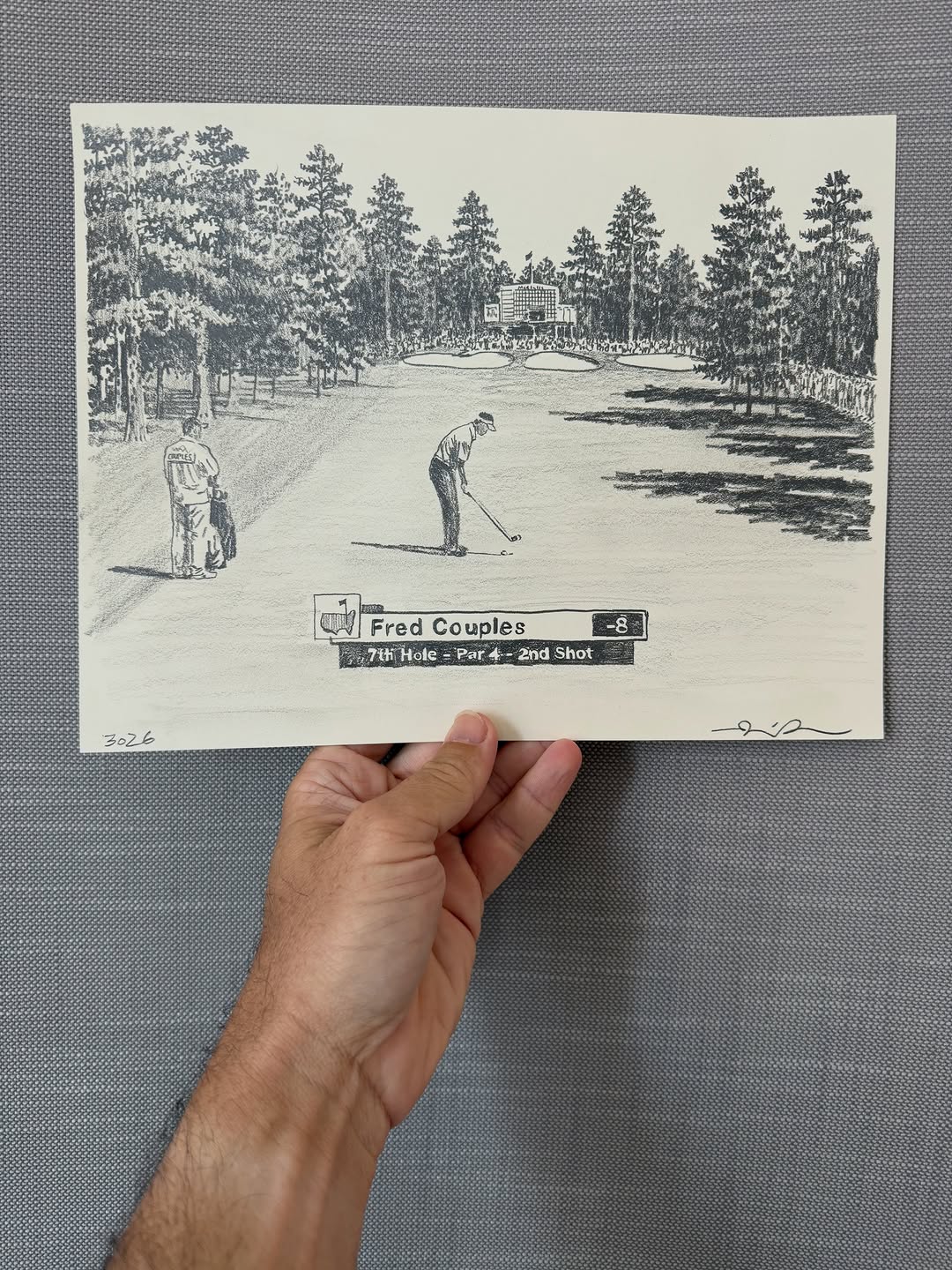
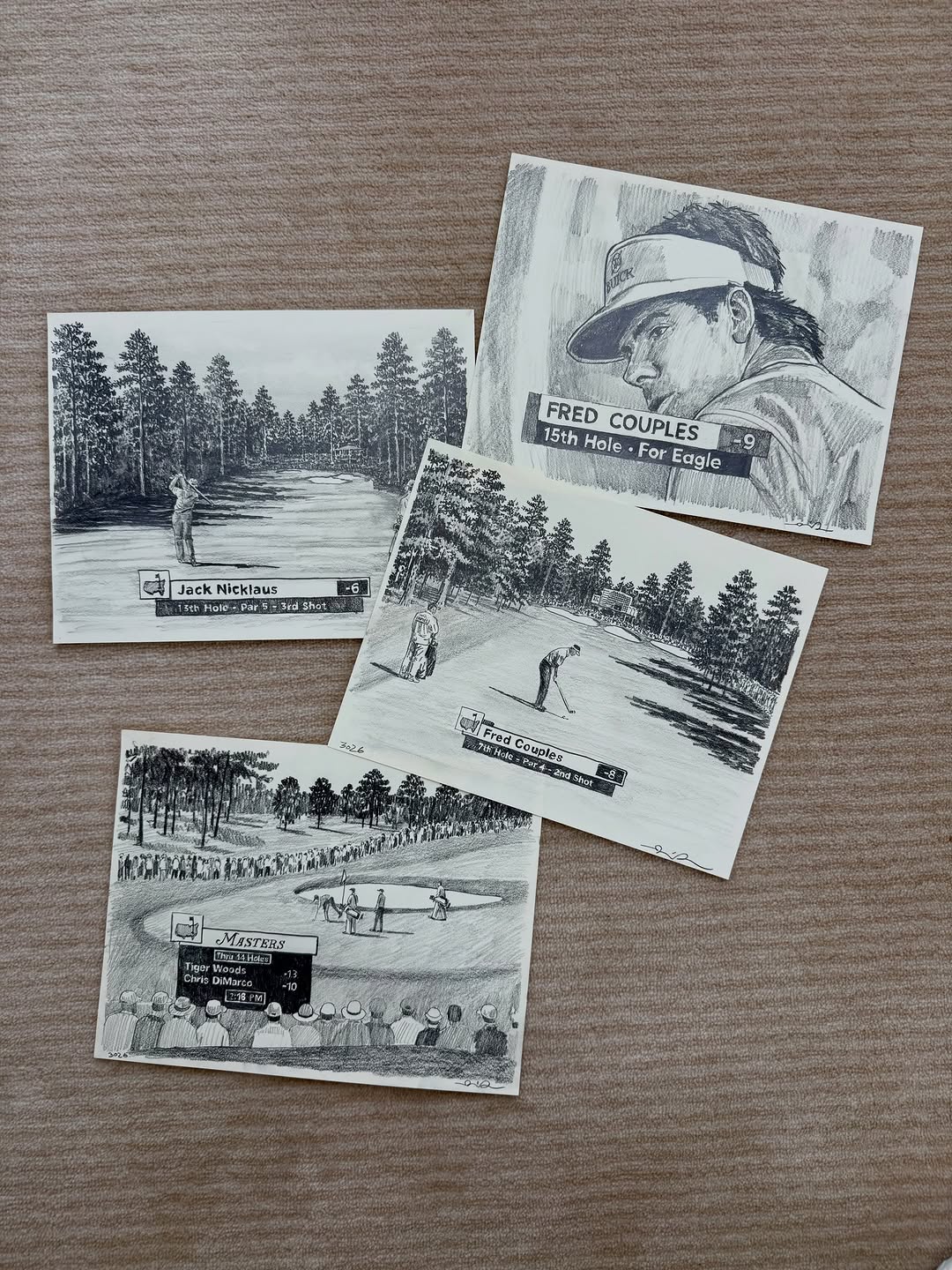
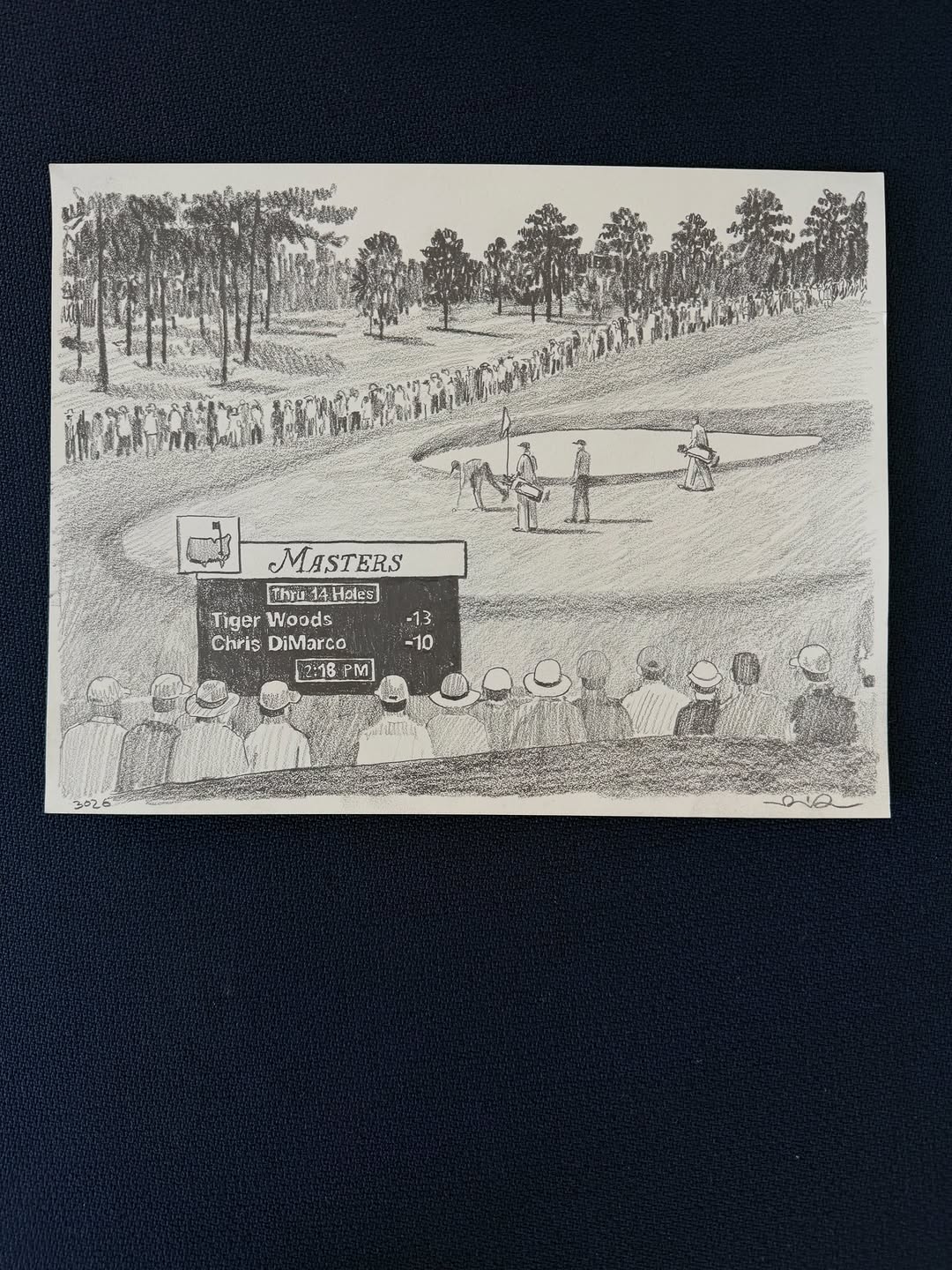
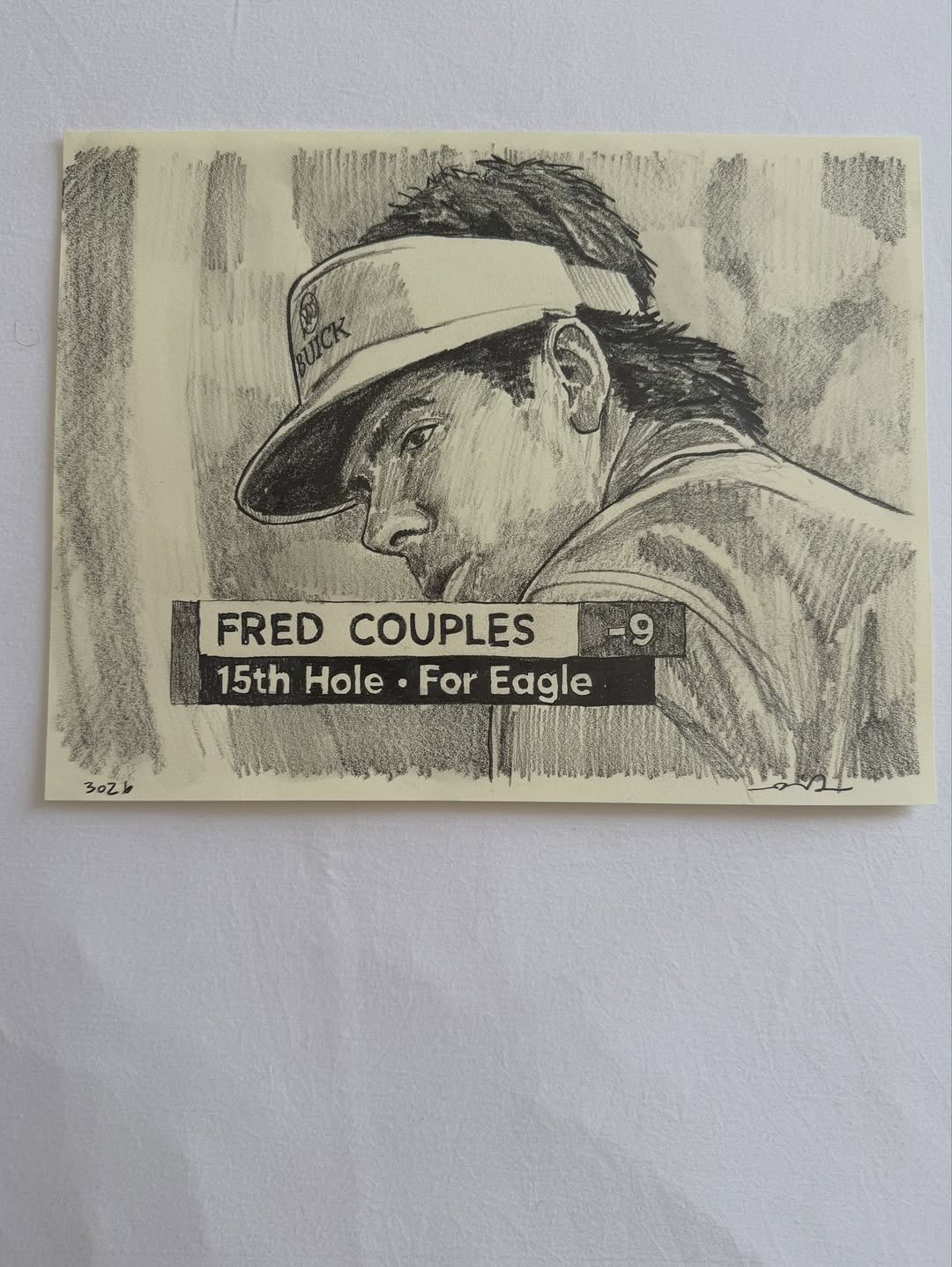
Daniel Arsham, the artist known for fictional archaeology and eroded relic sculptures, made a set of drawings depicting his studio television playing old golf broadcasts. He describes them as a side project with no excavation and no fictional archaeology, sitting outside his main practice. Arsham is red green colorblind, the basis for his monochrome palette, and the drawings arrive alongside his Various Thoughts and Time Fold exhibitions at Perrotin in 2026.
Key Points
- Arsham's new drawings depict his studio television playing old golf broadcasts, with no fictional archaeology or erosion
- He is red green colorblind, and his monochrome palette grew from that before 2015 EnChroma lenses added blue calcite and amethyst
- The drawings arrive alongside Various Thoughts (Mar 5 to Apr 11, 2026) and Time Fold (Jun 4 to Aug 8, 2026) at Perrotin
Daniel Arsham drew his television, and left out everything that made him famous
Daniel Arsham spent close to two decades teaching the art world to read his work as fictional archaeology, the casting of cameras, phones and boomboxes as eroded relics dug up from a future ruin. His newest drawings throw all of that out. They are pictures of a television screen, made while old golf broadcasts played in the studio between exhibitions, with no excavation, no crystal decay, no invented future at all.
That absence is the whole point. Arsham, born in Cleveland on September 8, 1980, has built one of the most recognizable systems in contemporary art, and these drawings sit completely outside it. He has described them as a side project, not research and not part of any show, just drawings of the screen he happened to be looking at.
A golf broadcast on in the studio became the subject
The drawings come from the television Arsham keeps running while he works, tuned to old golf coverage during the stretch between finishing one body of work and starting the next. He drew the screen itself, the framed broadcast image, rather than building it into a sculpture or a relic.
Golf is not a random choice for him. Arsham has documented his obsession with the game in public collaborations, including the Malbon Golf capsule and the Arsham in Kohler installation, where he placed sculptures across three golf courses at the Kohler property in Wisconsin. The studio television, then, is showing him the thing he already loves, and the drawings catch it in its plainest form, a flat image on glass with no mythology attached. It is a sharp turn from the world building he is known for, closer in spirit to a quiet observational habit than a thesis. For readers tracking how artists move between high concept and plain looking, it sits near the drawings he resurfaced from 2007 at his Time Fold show, work that also predates the system he later locked into.
Fictional archaeology is the thing he deliberately removed
Fictional archaeology is Arsham's signature idea, an imagined future in which the material culture of the recent past has been buried, mineralized, and recovered as relics. He casts objects in geological material like volcanic ash, sand and selenite so they read as artifacts pulled from the ground after centuries.
The television drawings have none of that machinery. No object is eroded, nothing is staged as a dig site, and there is no future timeline implied. By his own account they carry no excavation and no fictional archaeology, which for Arsham is almost a statement of negation, since those two ideas have anchored nearly everything since he and Alex Mustonen founded the studio practice Snarkitecture in 2007. Stripping them out leaves a drawing that is only about looking, which is rarer for him than any fossil cast.
Color is the hidden tension in anything Arsham draws
Arsham is red green colorblind, and his monochrome palette of grays, whites and ash tones grew directly out of that condition. In 2015 he was given a pair of EnChroma corrective lenses that let him see more of the spectrum, and the experience pushed him to introduce specific hues like blue calcite and amethyst into later work, though he kept treating color as a deliberate tool rather than a default.
That backstory makes a drawing of a television screen quietly loaded. A golf broadcast is one of the most saturated images on television, deep green fairways under blue sky, the exact red green range his eyes process differently from most viewers. So when Arsham draws the screen, he is drawing an image whose color he has always related to on his own terms. The drawings do not announce this, but it is the same instinct that runs through his peers who treat a flat surface as a design object, the way Rei Kawakubo turned a store window into sculpture in Sao Paulo. A screen, a window, a frame, all of it is a rectangle that an artist decides how to read.
Why a side project from a famous artist is worth watching
Arsham is in one of his most public stretches, with Various Thoughts at Perrotin New York running March 5 to April 11, 2026, the Future Relic autobiography released March 17, 2026, and Time Fold at Perrotin London running June 4 to August 8, 2026. Against that volume of signature work, a set of unbranded drawings of a television is the most revealing thing he has shown, because it is the work he made for no audience and no concept.
The verdict is simple. A man who turned cameras into fake fossils and casts ash into the shape of obsolete machines sat in his studio with a golf broadcast on, and drew the screen with no excavation and no fictional archaeology, the two ideas that built his name. That is not a footnote to the Perrotin shows, it is the rare moment an artist lets you watch him make something just to make it.
Frequently Asked Questions
What is daniel arsham fictional archaeology?
Fictional archaeology is Arsham's signature idea in which objects from recent material culture are cast in geological materials like volcanic ash, sand, and selenite so they appear as mineralized relics recovered from a future ruin.
What are the daniel arsham television drawings?
They are drawings Arsham made of his studio television screen while old golf broadcasts played between exhibitions, containing no excavation, no crystal decay, and no fictional archaeology.
When did daniel arsham start snarkitecture?
Arsham and Alex Mustonen founded the studio practice Snarkitecture in 2007.
Where was daniel arsham born?
Arsham was born in Cleveland on September 8, 1980.
Is daniel arsham colorblind?
Yes, Arsham is red green colorblind, which led to his monochrome palette of grays, whites, and ash tones; in 2015 he was given EnChroma corrective lenses that allowed him to see more of the color spectrum.
Where can you see daniel arsham work in 2026?
Various Thoughts runs at Perrotin New York from March 5 to April 11, 2026, and Time Fold runs at Perrotin London from June 4 to August 8, 2026.
When was daniel arsham future relic autobiography released?
The Future Relic autobiography was released on March 17, 2026.
How do the television drawings compare to arsham's other work?
Unlike his signature sculptures, the television drawings have no eroded objects, no dig site staging, no future timeline, and no geological casting; by Arsham's own account they carry no excavation and no fictional archaeology, making them purely observational drawings.
Topics: drawings, contemporary art, Daniel Arsham, colorblind artist, malbon golf, Snarkitecture, daniel arsham, fictional archaeology, Perrotin, malbon-golf, perrotin, golf, daniel-arsham, future