CHUCK CLOSE ON PAPER: WHAT PACE IS SHOWING BEFORE APRIL 25
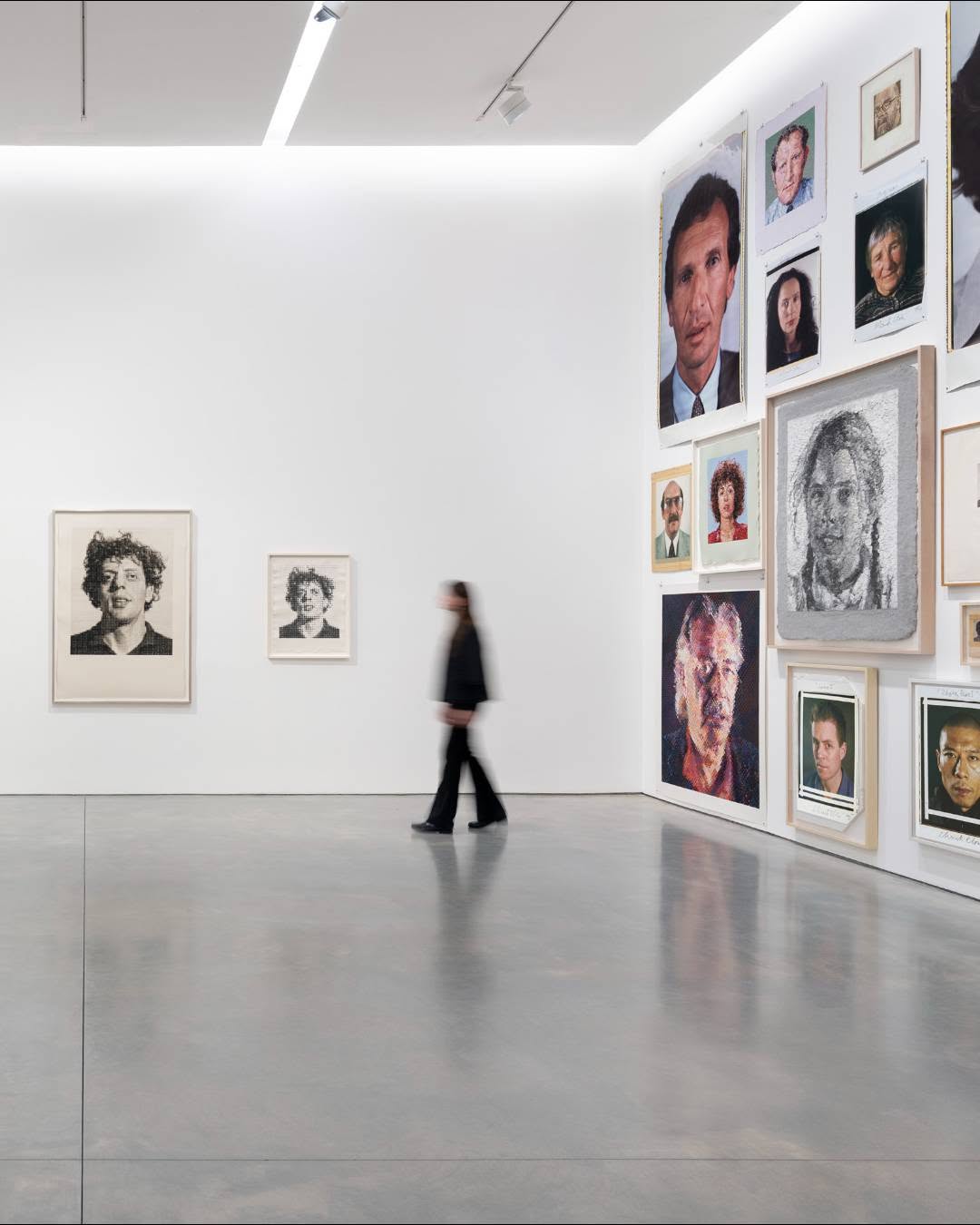
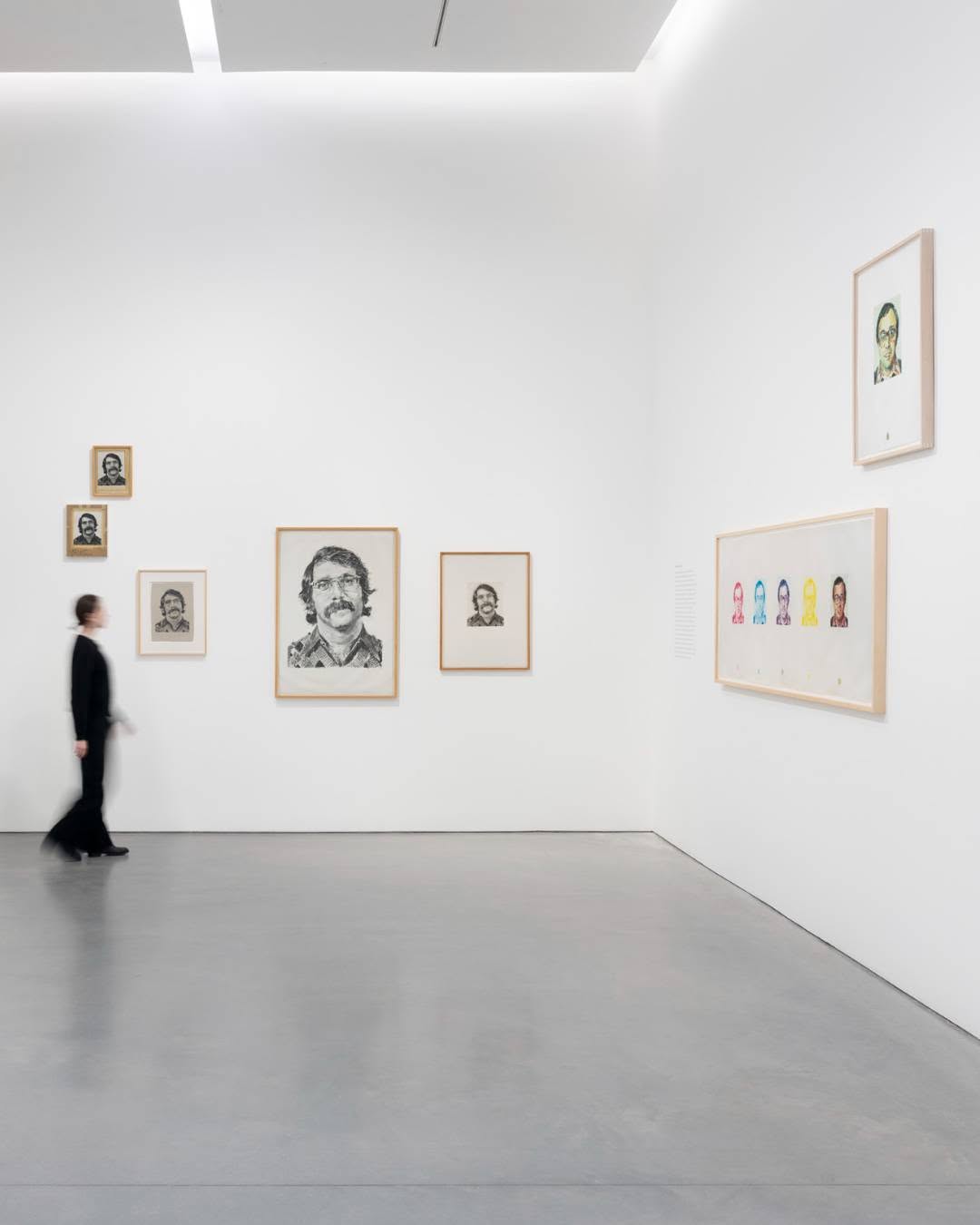
Chuck Close: On Paper at Pace Gallery, 540 West 25th Street, New York closes April 25, 2026. The exhibition surveys Close's paper-based practice from the 1970s through the 2010s, including a 1976 watercolor portrait of art dealer Klaus Kertess, large-format Polaroid portraits from the 20x24 camera, and stamp pad fingerprint grid works. Close died in August 2021; the exhibition, years in the making, positions his paper works in the contemporary art conversation.
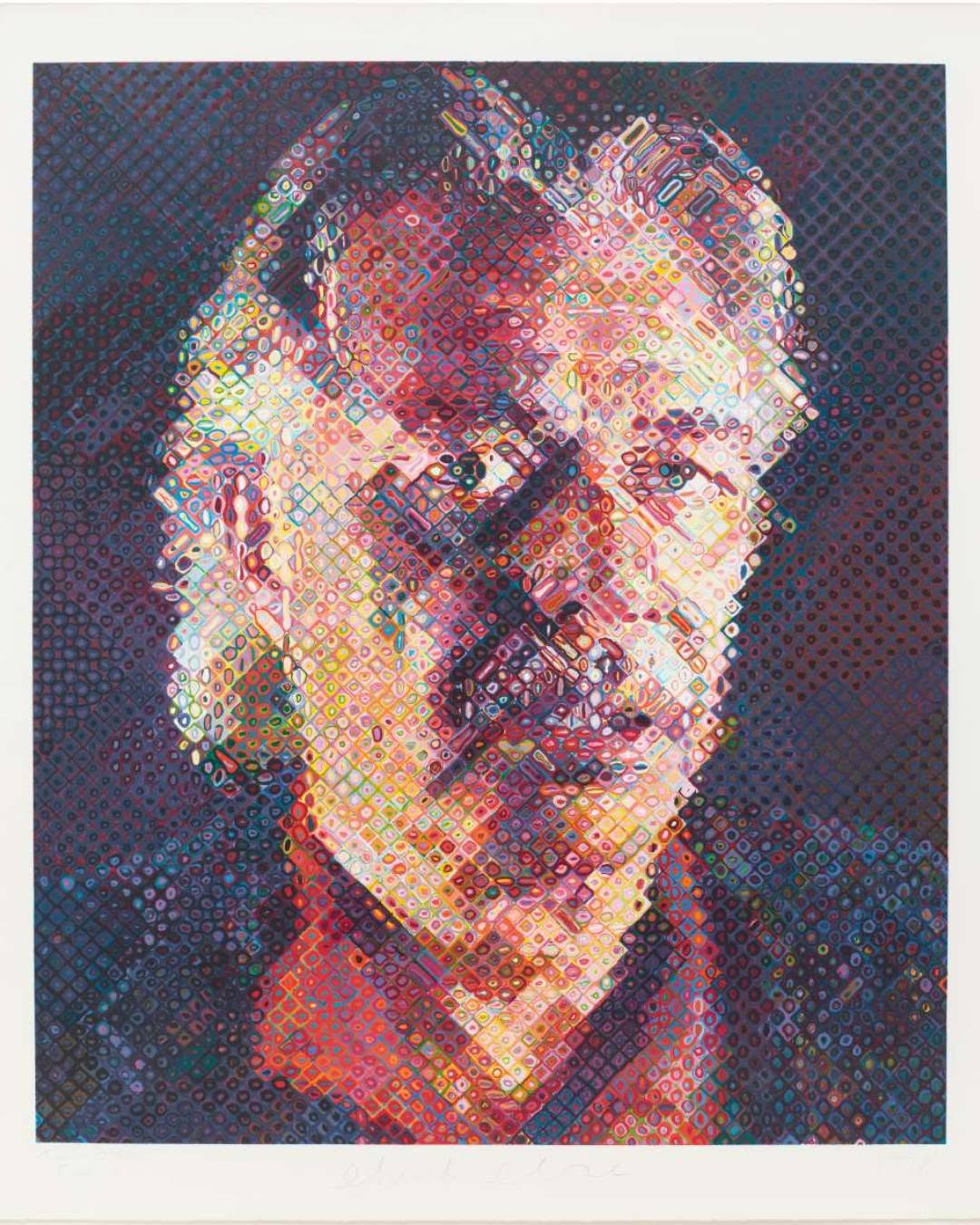
Key Points
- 'Chuck Close: On Paper' at Pace Gallery 540 West 25th Street closes April 25, 2026 — the exhibition brings works from the 1970s to 2010s including an unrestricted 1976 watercolor portrait of art dealer Klaus Kertess
- Close used the Polaroid 20x24 camera (one of five ever built) to produce large-format portraits up to 4x5 feet — single-exposure works frequently mistaken for paintings on first encounter
- The stamp pad series uses one fingerprint impression per grid cell, building a photographic portrait from approximately 14,000 discrete identical marks with no overpainting or revision possible
March 12 to April 25, 2026. Pace Gallery at 540 West 25th Street in New York. Tomorrow is the last day. If Chuck Close's paper works have been on your list, the window closes at 6pm today.
Close Never Stopped Using Grids After 1972
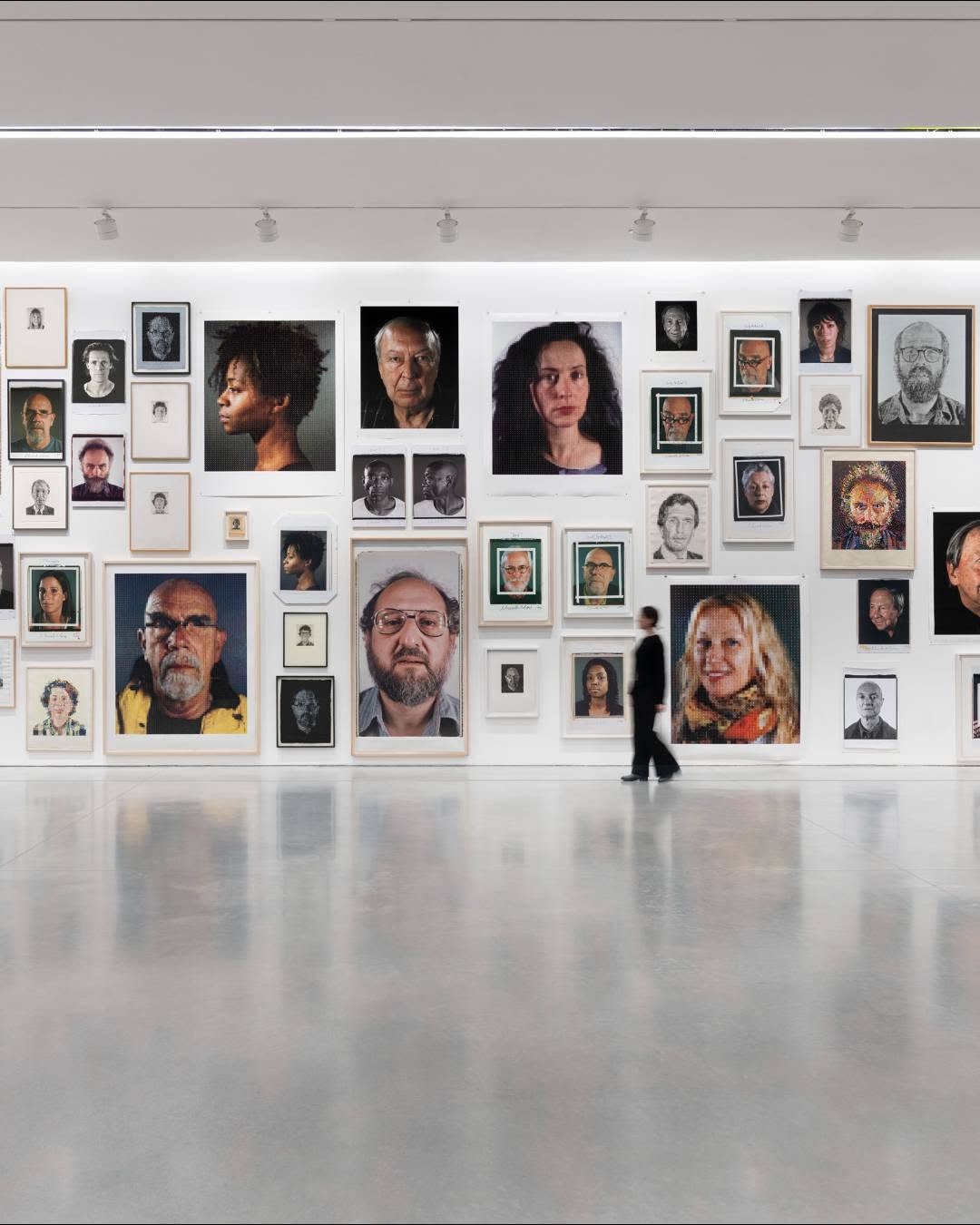
Chuck Close developed his grid system in the 1960s as a mechanical response to the influence of photography on painting. He photographed his subjects, transferred the image to a gridded canvas, and painted each cell individually. The grid was the method. What the paper works at Pace reveal is that the grid survived long past the canvas paintings. The Pace show brings together works from the 1970s through the 2010s and in every decade the grid is present, whether the medium is watercolor, paper pulp, airbrush, or stamp pads.
The 1976 Klaus Kertess Watercolor
The critical piece in the exhibition is the 1976 large-scale watercolor portrait of Klaus Kertess, the art dealer and critic who was one of Close's earliest champions. Kertess founded Bykert Gallery in 1966, which showed Donald Judd, Brice Marden, and Chuck Close. The portrait in watercolor from 1976 is significant because it predates the maquette-to-canvas system by a decade and shows Close working through the translation of photographic data into a medium that does not allow overpainting. Watercolor is irreversible. The technical demand of building a photographic-scale portrait in watercolor with a grid system, one cell at a time, is categorically different from oil on canvas.
The Polaroid Works Are Frequently Under-Discussed
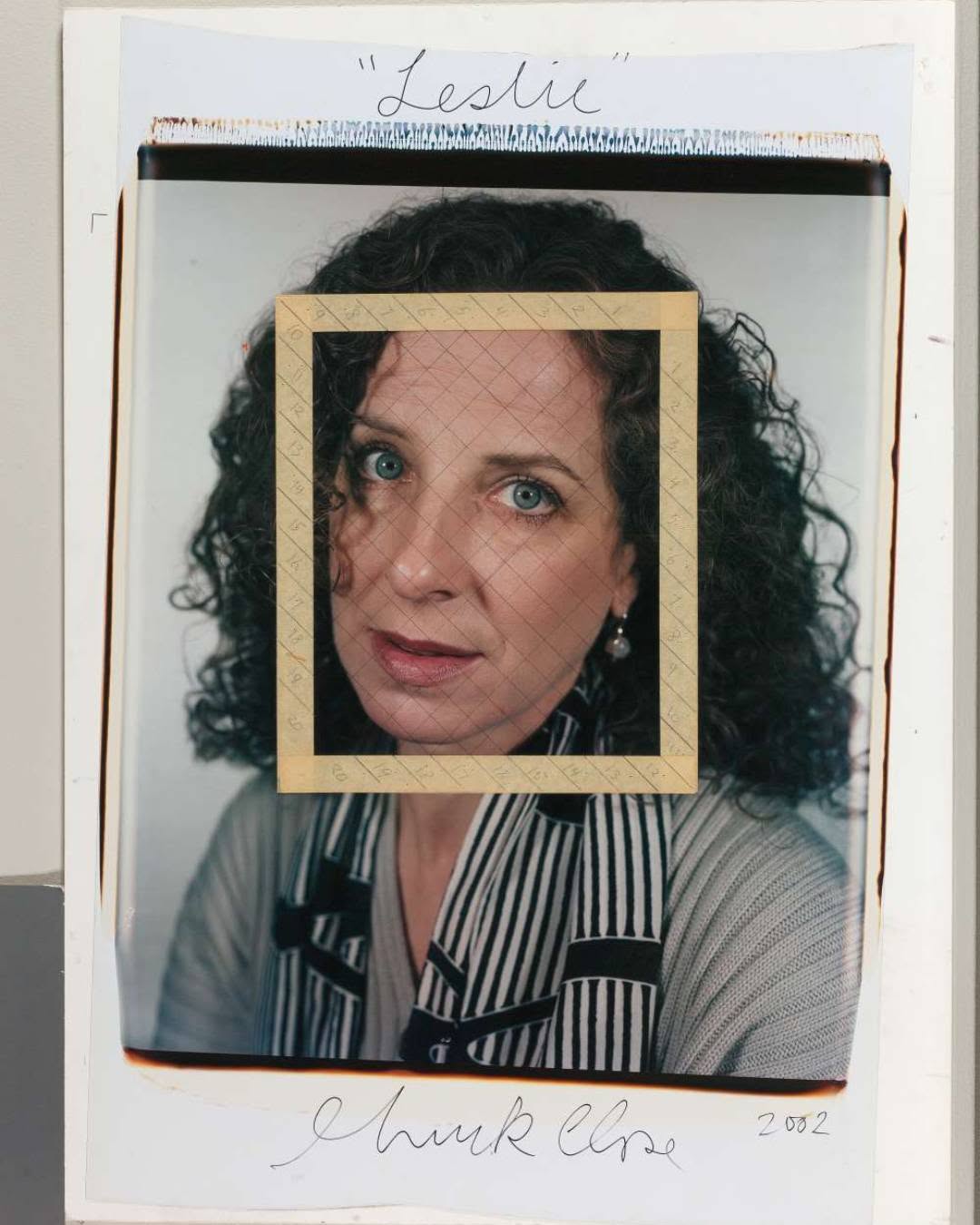
Large-format Polaroids are the segment of Close's practice that art history consistently underweights. Close worked with the Polaroid 20x24 camera — one of five ever built — to produce portrait work that operated as both photography and painting simultaneously. The exposures are single-frame. There is no darkroom manipulation available. Every decision about light, position, and composition is committed to permanently in the moment of exposure. The results at four feet by five feet occupy the same visual scale as a Close canvas painting. They are frequently mistaken for paintings on first encounter.
Why the Paper Works Matter Beyond the Canvas Paintings
The canvas paintings are the headline. "Leslie" at auction in 2019 sold for $844,000 in a single bidding session. The paper works do not carry that market value and that is exactly why this show is more instructive than a retrospective of the major paintings. Paper forced Close into constraints that canvas did not. The stamp pad works, where each cell of the grid is filled with a fingerprint impression using ink stamps, required Close to commit to a fixed mark per cell. No blending, no overpaint, no revision. The result is a portrait built from 14,000 discrete identical marks.
The Pace Context: 540 West 25th Street
Pace Gallery at 540 West 25th Street is Pace's Chelsea flagship, 63,000 square feet acquired in 2019. The gallery has shown Kaws originals, Alexander Calder retrospectives, and Tara Donovan's material accumulation work. Putting Chuck Close's paper works at this address rather than the 57th Street space signals that Pace is positioning this as a contemporary conversation, not an archival one. Close died in August 2021. This exhibition, years in the making per the caption, is the gallery's argument for how the paper practice survives the painter.
Related Reading
- Artschwager's Approximate Objects Extended Through May 23
- Daniel Arsham Cast the W124 Steering Wheel Four Times in 2015
- Derrick Adams's First Mid-Career Survey Opens at ICA Boston
Related: PACE GALLERY HOSTS ROBERT NAVA'S FIRST TOKYO SOLO SHOW.
Frequently Asked Questions
What is on view in 'Chuck Close: On Paper' at Pace Gallery?
The exhibition presents Chuck Close's works on paper from the 1970s to 2010s including large-scale watercolors, large-format Polaroid photographs from the 20x24 camera, maquettes, drawings, and stamp pad fingerprint grid works at Pace Gallery, 540 West 25th Street, New York.
When does Chuck Close: On Paper close?
The exhibition closes April 25, 2026. It opened March 12, 2026 at Pace Gallery's Chelsea flagship at 540 West 25th Street, New York.
What is the Polaroid 20x24 camera Chuck Close used?
The Polaroid 20x24 is one of five large-format instant cameras ever built, capable of producing single-exposure photographs up to 20x24 inches. Close used it to create portrait works at a scale comparable to his canvas paintings, where every lighting and composition decision is permanent at the moment of exposure.
Topics: chuck-close, new-york, painting, polaroid, photography, exhibition-2026, pace gallery, daniel arsham, art, daniel-arsham, pace-gallery, kaws