BAPE STA GOES BACK TO BASICS AND THAT IS THE WHOLE POINT
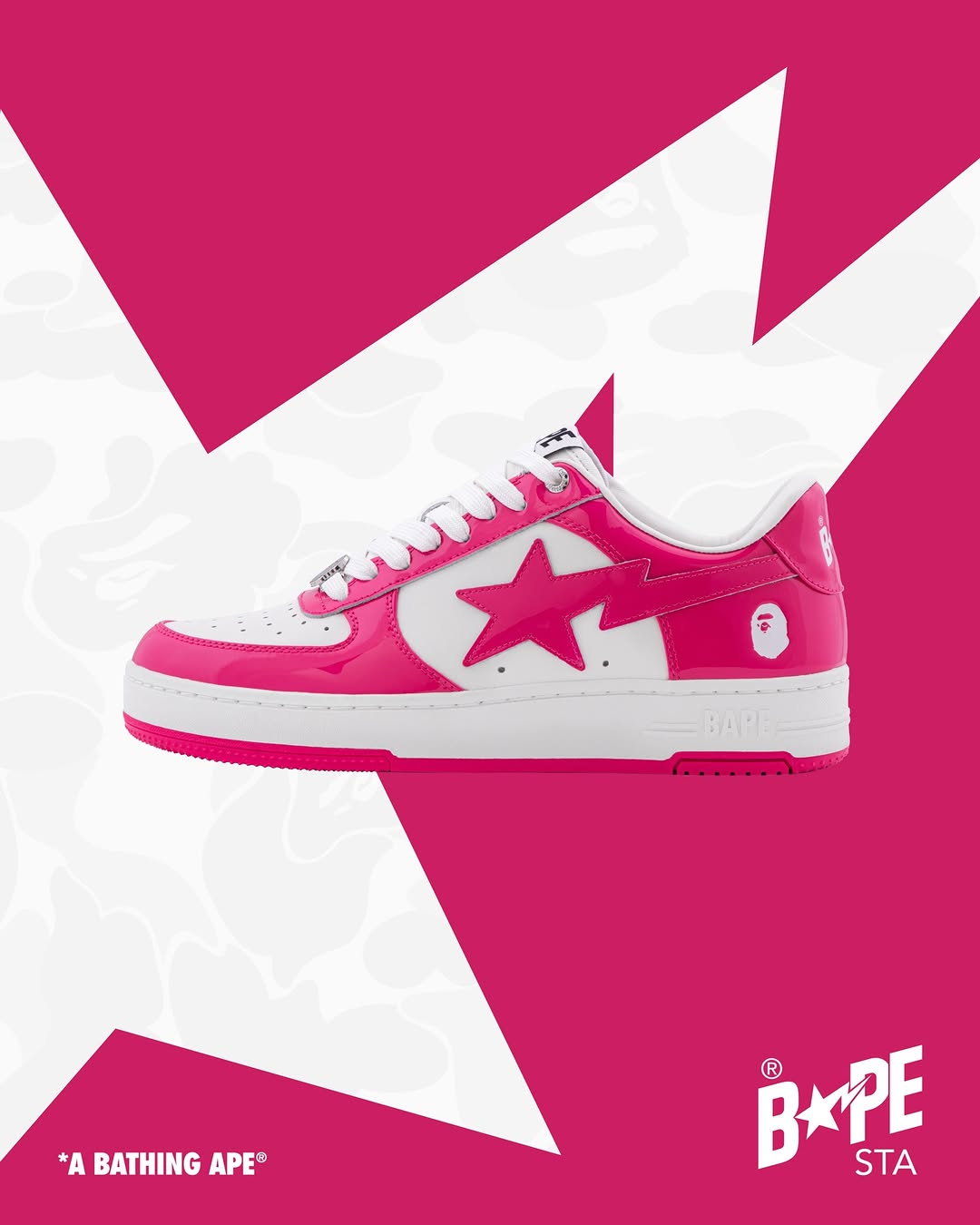
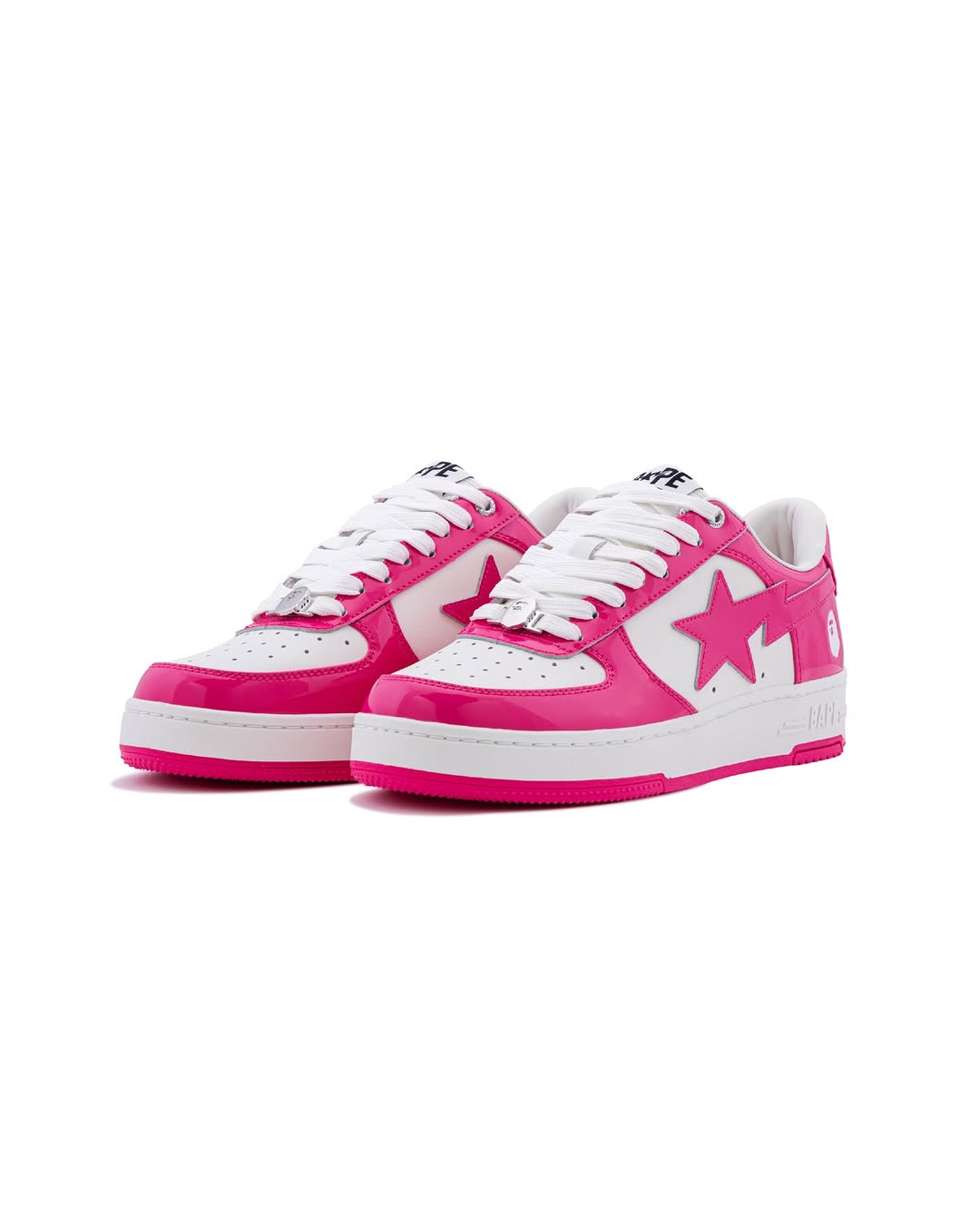
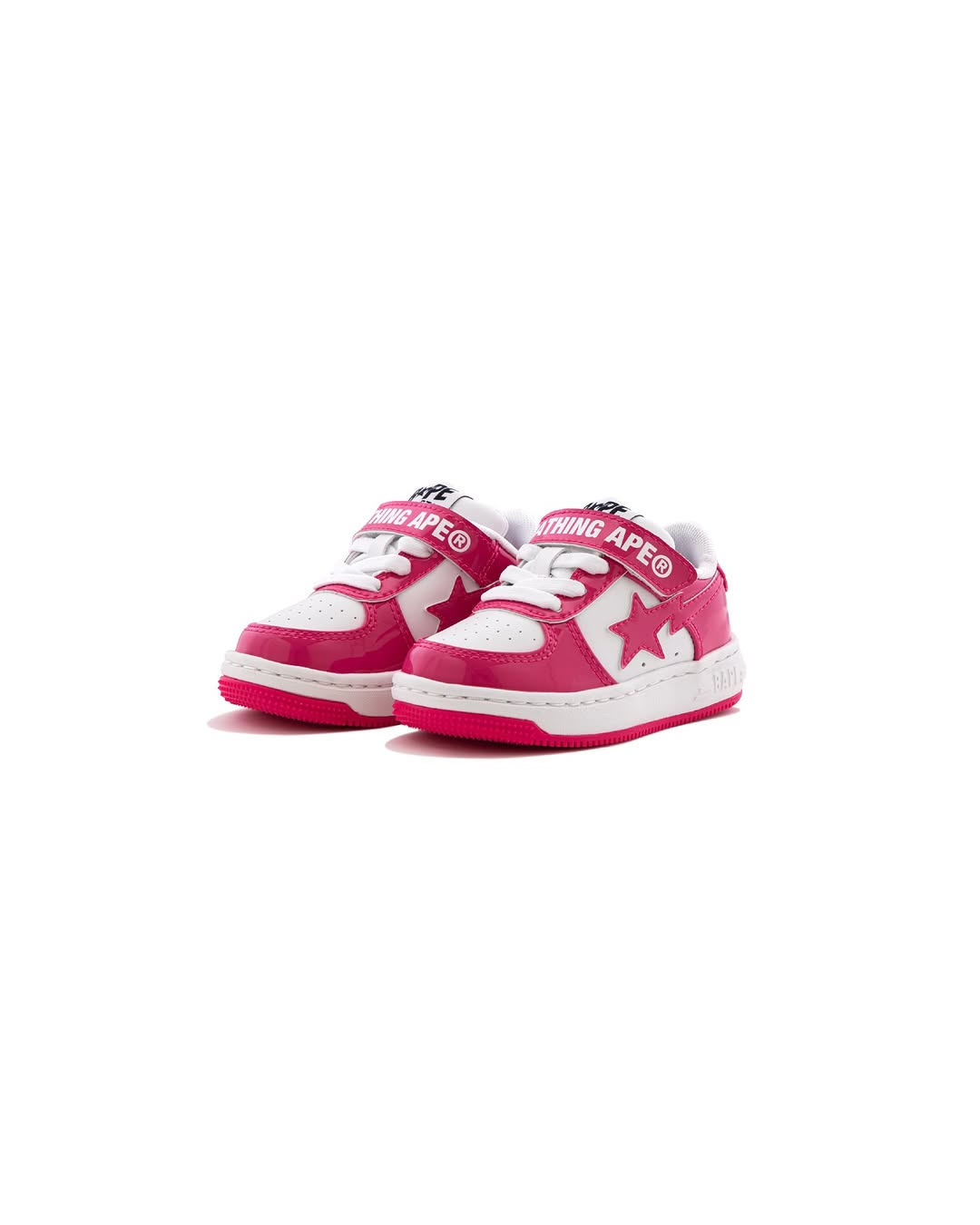
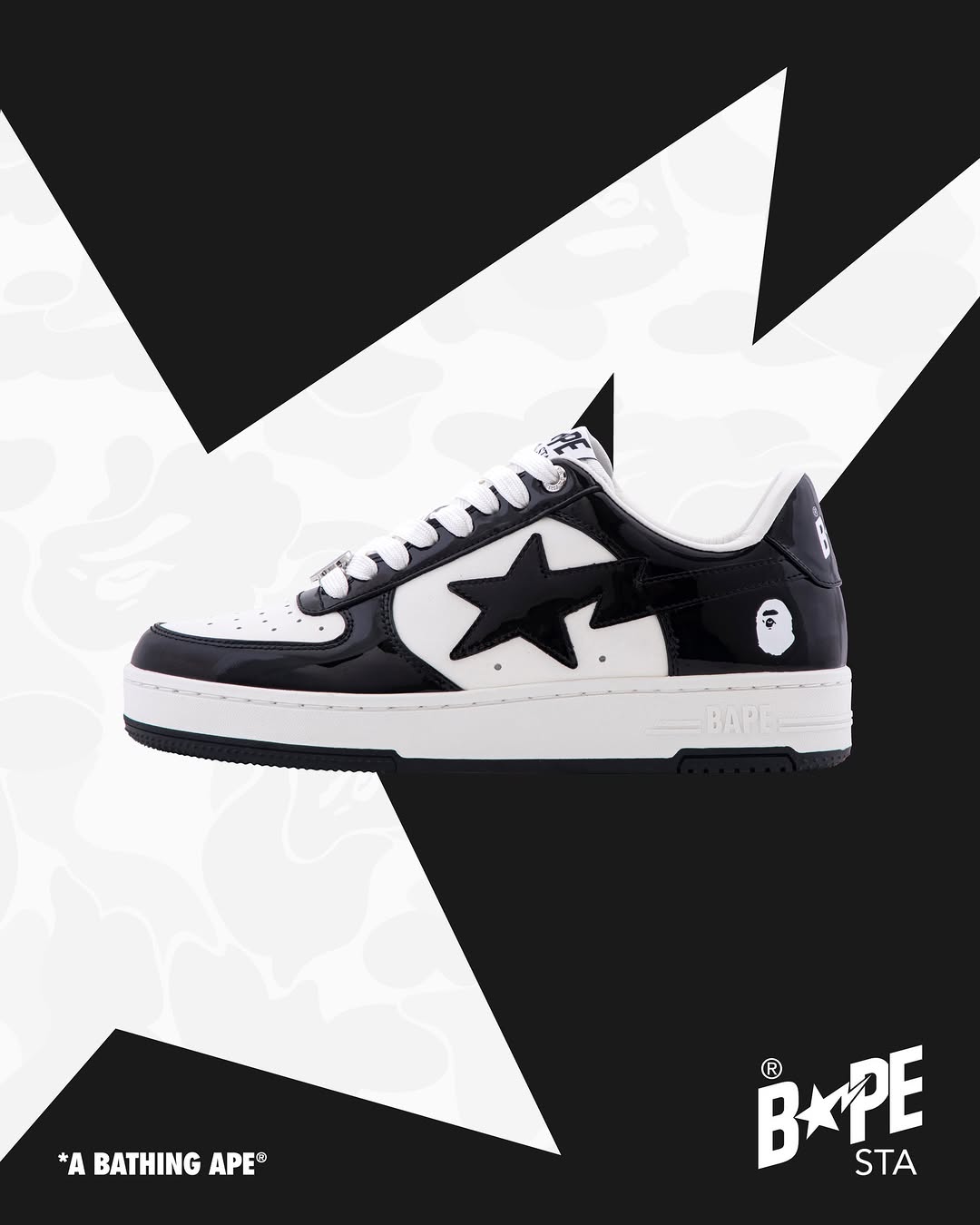
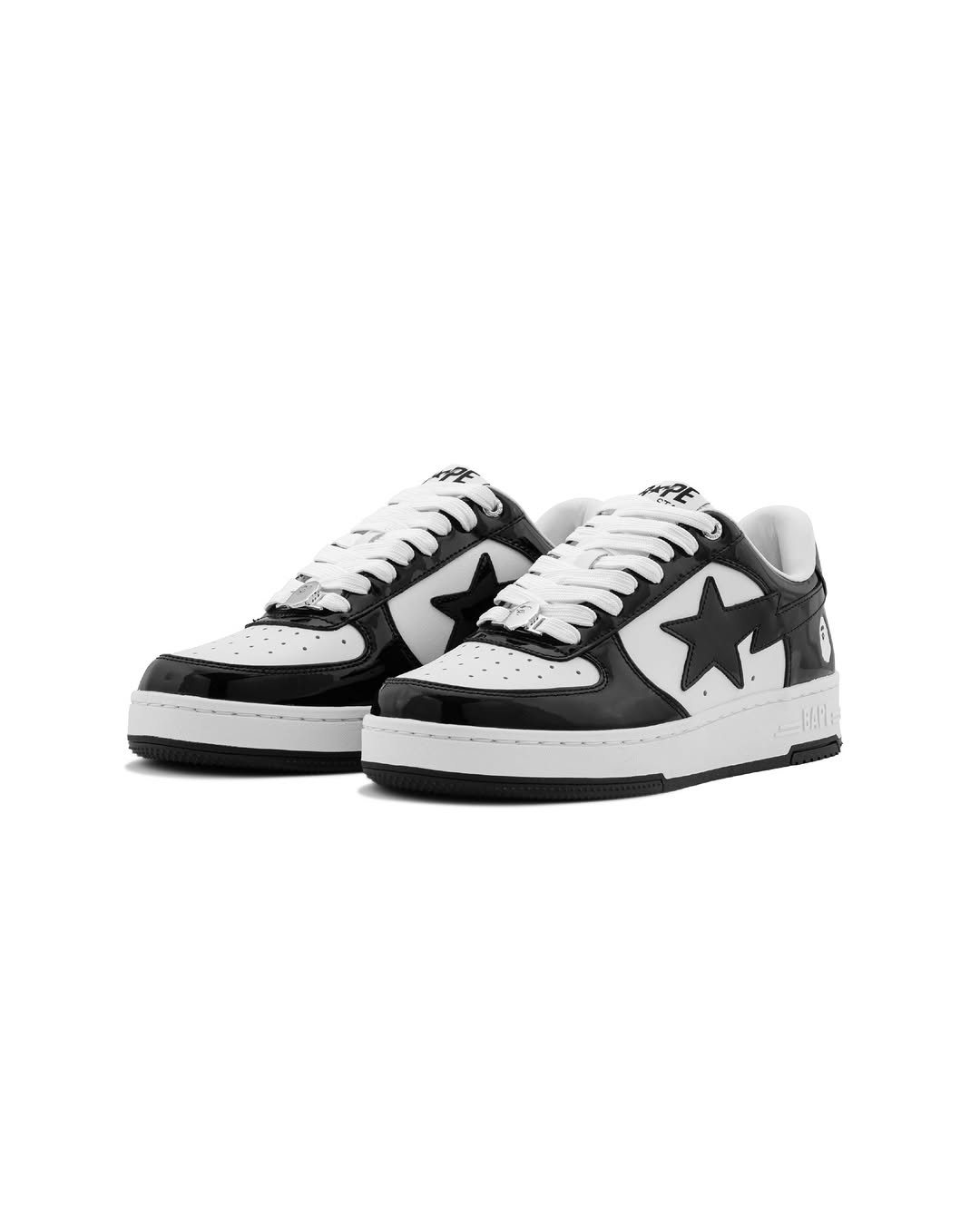
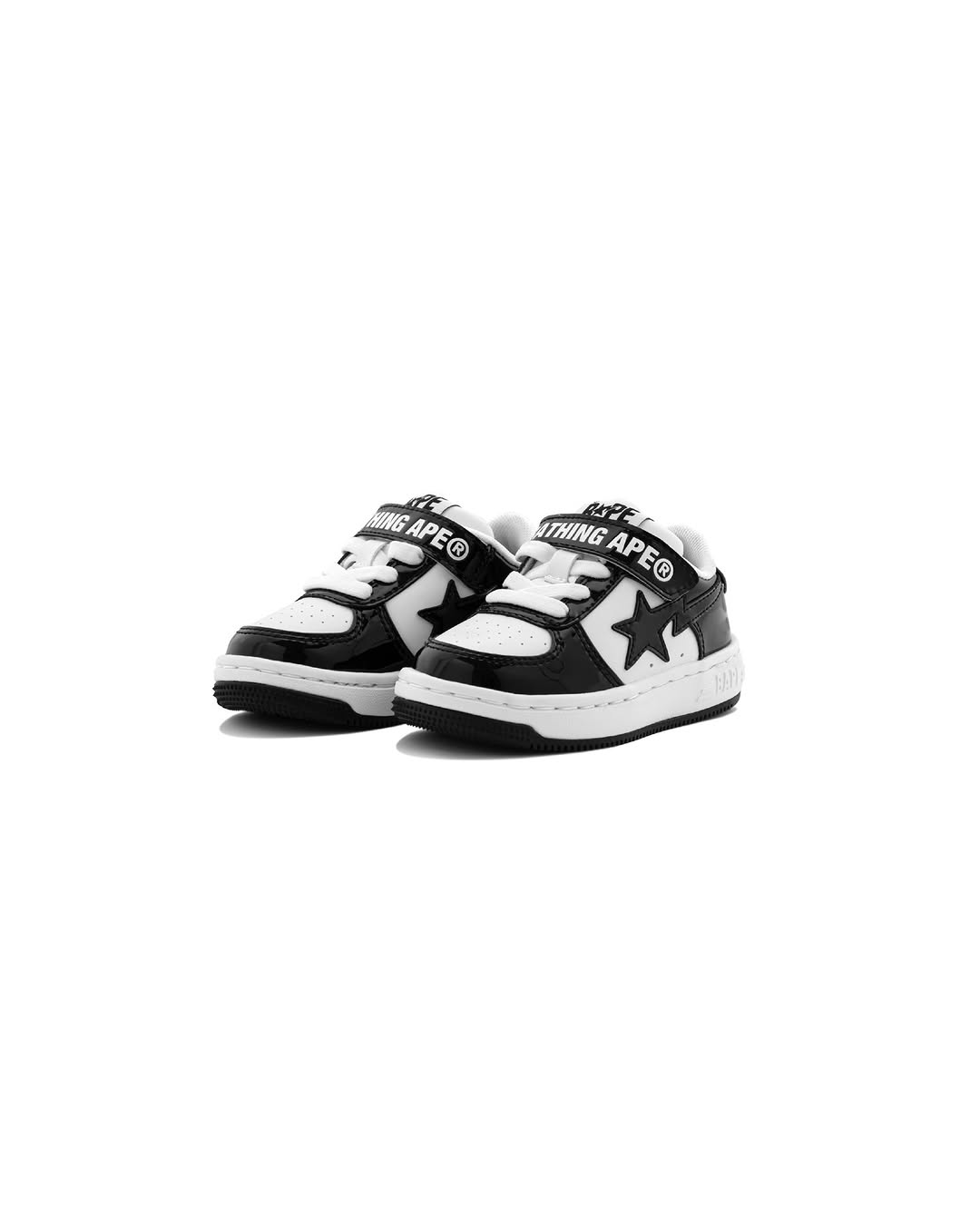
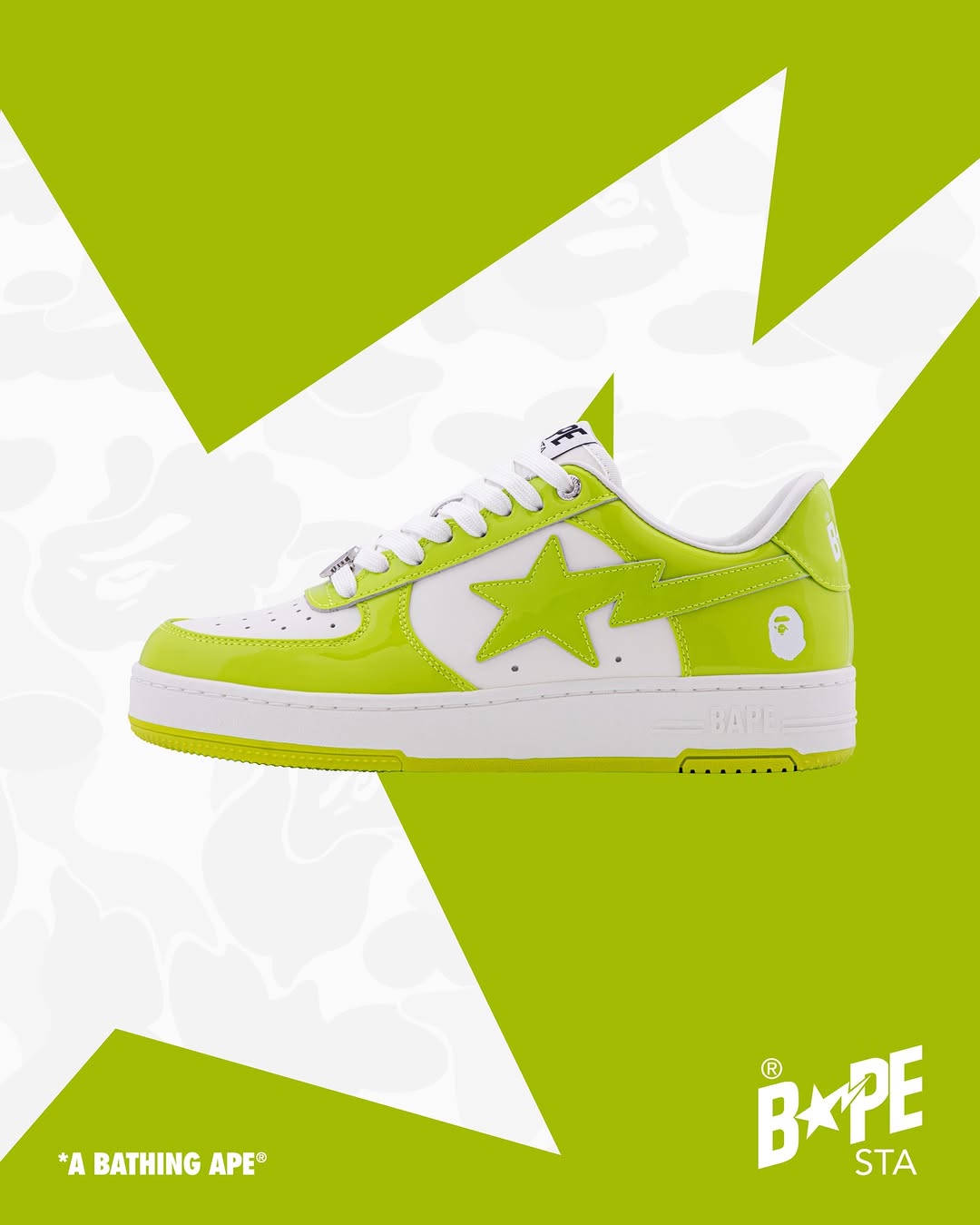
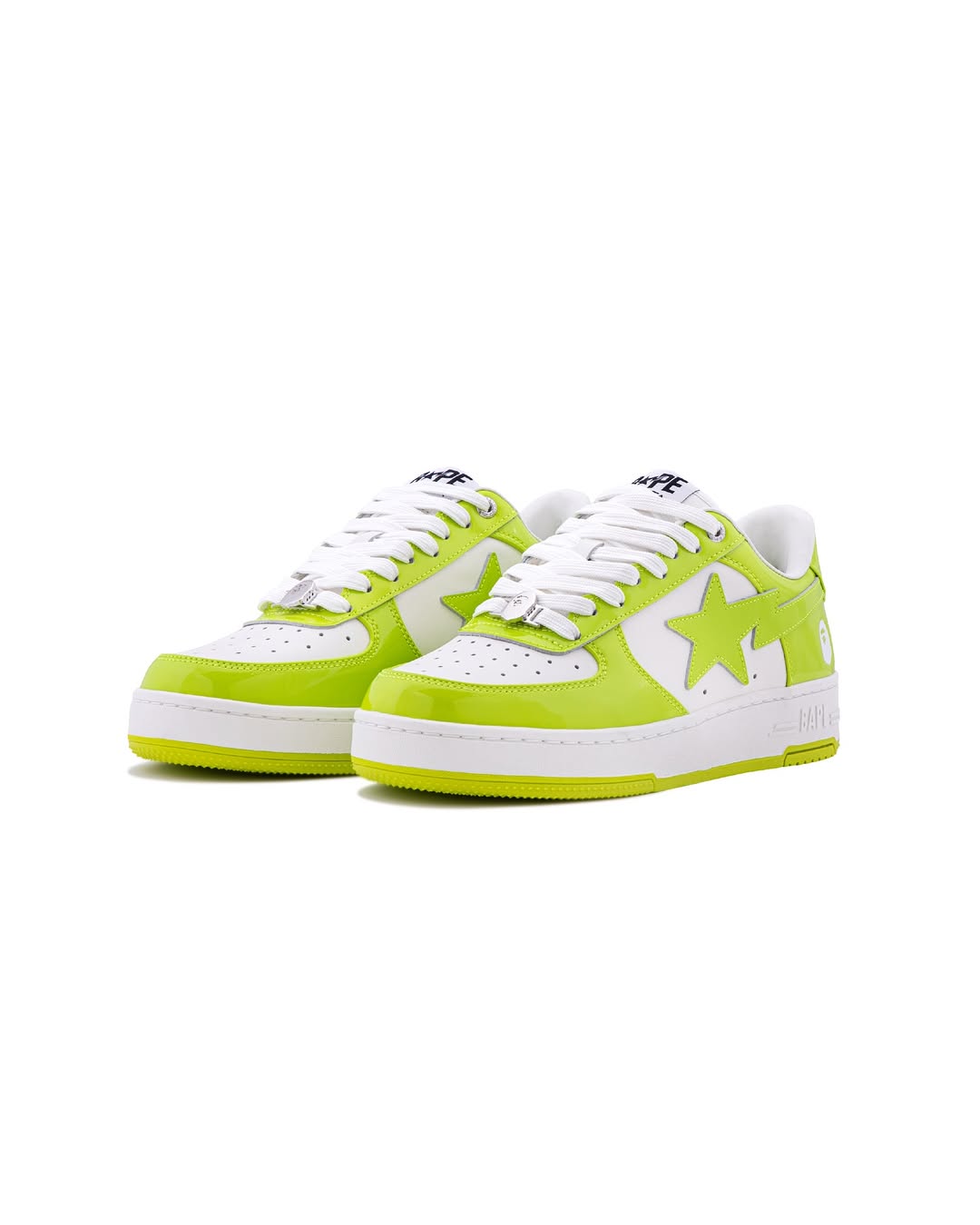
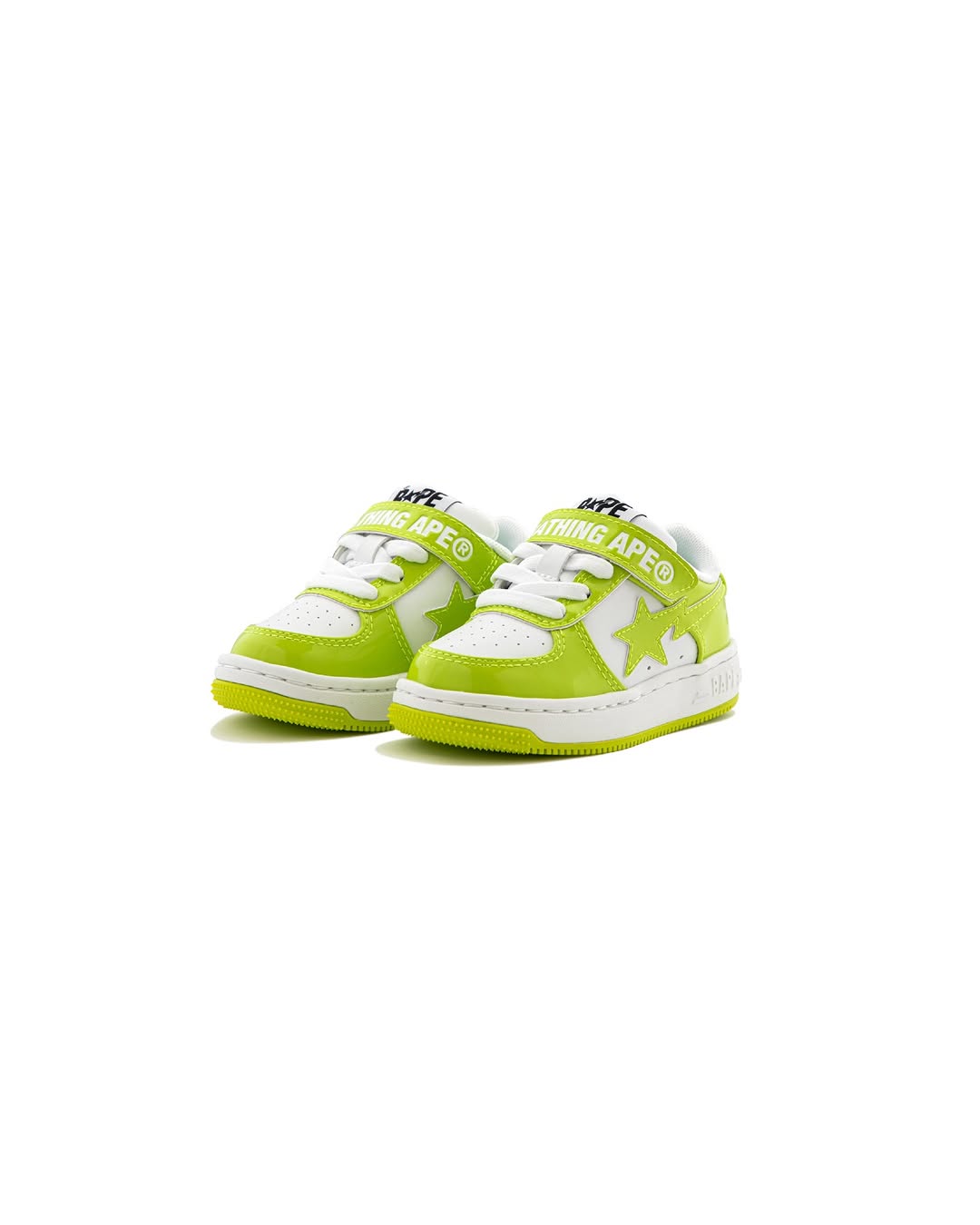
A Bathing Ape reintroduces the BAPE STA with a back-to-basics approach for 2026, emphasizing clean construction and bold colorways over complex collaborations. The move positions the shoe for daily wearability rather than shelf display.
Key Points
- BAPE strips the BAPE STA back to clean construction and bold solid colorways for 2026
- The minimalist pivot targets daily wear over collector shelf display
- Nigo's original 2000 BAPE STA design was always a court shoe before it became a hype object
The BAPE STA has been through every phase a sneaker can survive: original release hype, dormancy, nostalgia revival, collaboration overload, and now something rarer. Simplicity. A Bathing Ape's latest push strips the shoe back to what Nigo designed in 2000: a court silhouette with a star on the side and nothing to apologize for.
2000. Harajuku. A Star, Not a Swoosh.
Nigo built the BAPE STA as a direct response to Nike's Air Force 1. The shape is unmistakable. The proportions mirror the AF1 so precisely that Nike filed lawsuits over it in 2009, eventually settling out of court. But what made the BAPE STA different was never the shape. It was the material choices: patent leather in colors Nike would not touch, translucent soles, and that shooting star logo that replaced the Swoosh with a symbol that said Harajuku louder than anything on Takeshita Street.
By 2005, Pharrell was wearing them on every red carpet. Soulja Boy referenced them on wax. The Busy Works camo versions became collector grails that hit $2,000 on the secondary market. Then BAPE got acquired by I.T Group in 2011, Nigo left, and the brand spent a decade figuring out what it was without its founder.
Minimalist Construction Is Not a Retreat
The 2026 BAPE STA lineup does something no one expected: it stops trying so hard. The new colorways are solid tones; royal blue, forest green, cream, black. The leather is smooth, not patent. The sole is standard rubber, not translucent. The star is there, but it is not screaming.
This reads as retreat only if you think sneakers need complications to matter. In practice, it is the smartest positioning move BAPE has made since Nigo's departure. The market is oversaturated with collaboration sneakers. Every brand has a monthly drop with a celebrity co-signer. The BAPE STA cutting through that noise by being quiet is counterintuitive and, based on the early retail response, effective.
$340 for a Shoe You Actually Wear
The price point sits at $340 for the base model, which places it above Nike's court shoes and below luxury sneaker territory. It is the same bracket as a New Balance 2002R or a premium Asics Gel-Kayano 14. At that price, the shoe needs to justify daily rotation, and the new construction delivers. The leather is softer. The midsole has more cushion than the original. The fit runs true to size for the first time in the model's history.
Daily wearability sounds like a basic requirement, but the BAPE STA has historically been a shelf shoe. The patent leather scuffed within a week. The translucent sole yellowed after three wears. Collectors bought two pairs; one to wear, one to store. The 2026 version eliminates that calculus. It is built to crease, to break in, to look better at month six than month one.
Nigo Left. The Star Stayed.
Nigo is at Kenzo now, and BAPE operates under a different creative structure. But the BAPE STA does not need Nigo's presence to carry meaning. The shoe is 26 years old. It has its own mythology, its own collector base, its own position in the timeline between the Air Force 1 and the Dunk Low hype cycle. The back-to-basics approach acknowledges that mythology without trying to recreate it.
The boldest thing a heritage sneaker brand can do in 2026 is release a shoe that does not need a story. The BAPE STA just needs the star.
Related Reading
- BAPE Opened Its First Canadian Store and Nobody Explained Why Vancouver
- BAPE Opened Its First Canadian Store and Nobody Explained Why Vancouver
- ADIDAS ADISTAR LEADS SPRING 2026 STYLE EDIT ROUNDUP
Frequently Asked Questions
What is the BAPE STA sneaker?
The BAPE STA is A Bathing Ape's signature sneaker, originally designed by Nigo in 2000 as a court-style shoe featuring the brand's shooting star logo on the side panel.
Is the BAPE STA back?
Yes. BAPE has reintroduced the BAPE STA in 2026 with a back-to-basics approach emphasizing clean lines, minimalist construction, and bold color choices over complex collaborations.
How much does the BAPE STA cost?
Standard BAPE STA models retail between $300 and $400 depending on the colorway and materials. Limited collaboration versions can reach higher price points.
Topics: sneakers, bape-sta, streetwear, new balance, kenzo, bape, sneaker-culture, new-balance, a bathing ape, minimalism, a-bathing-ape, japanese-fashion, nigo, nike