BODE TURNS A 1996 PONY INTO A $388 JEAN
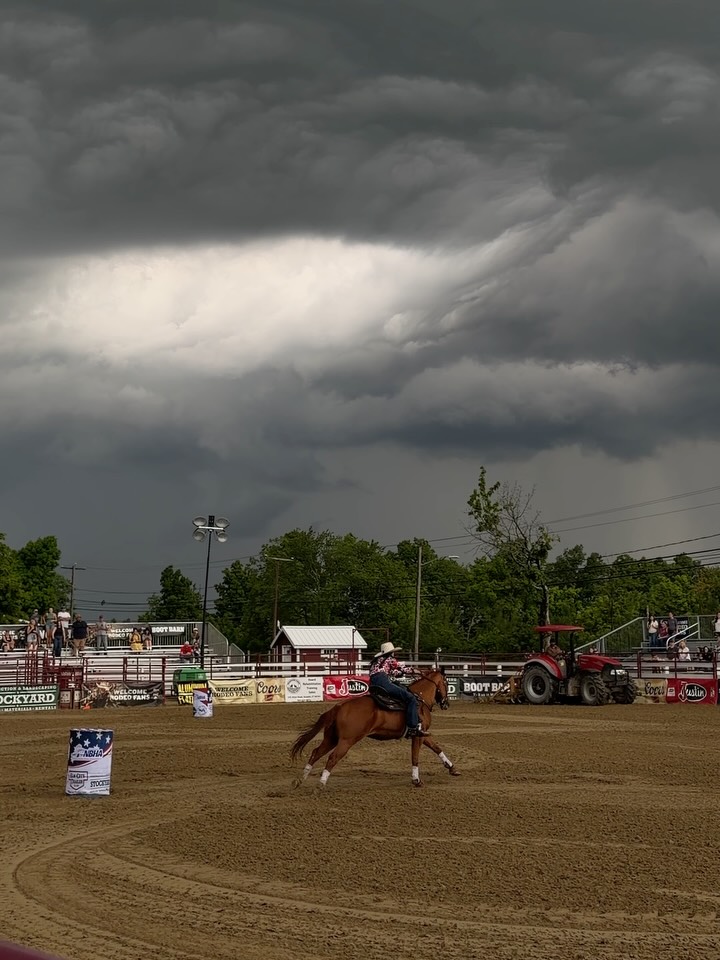
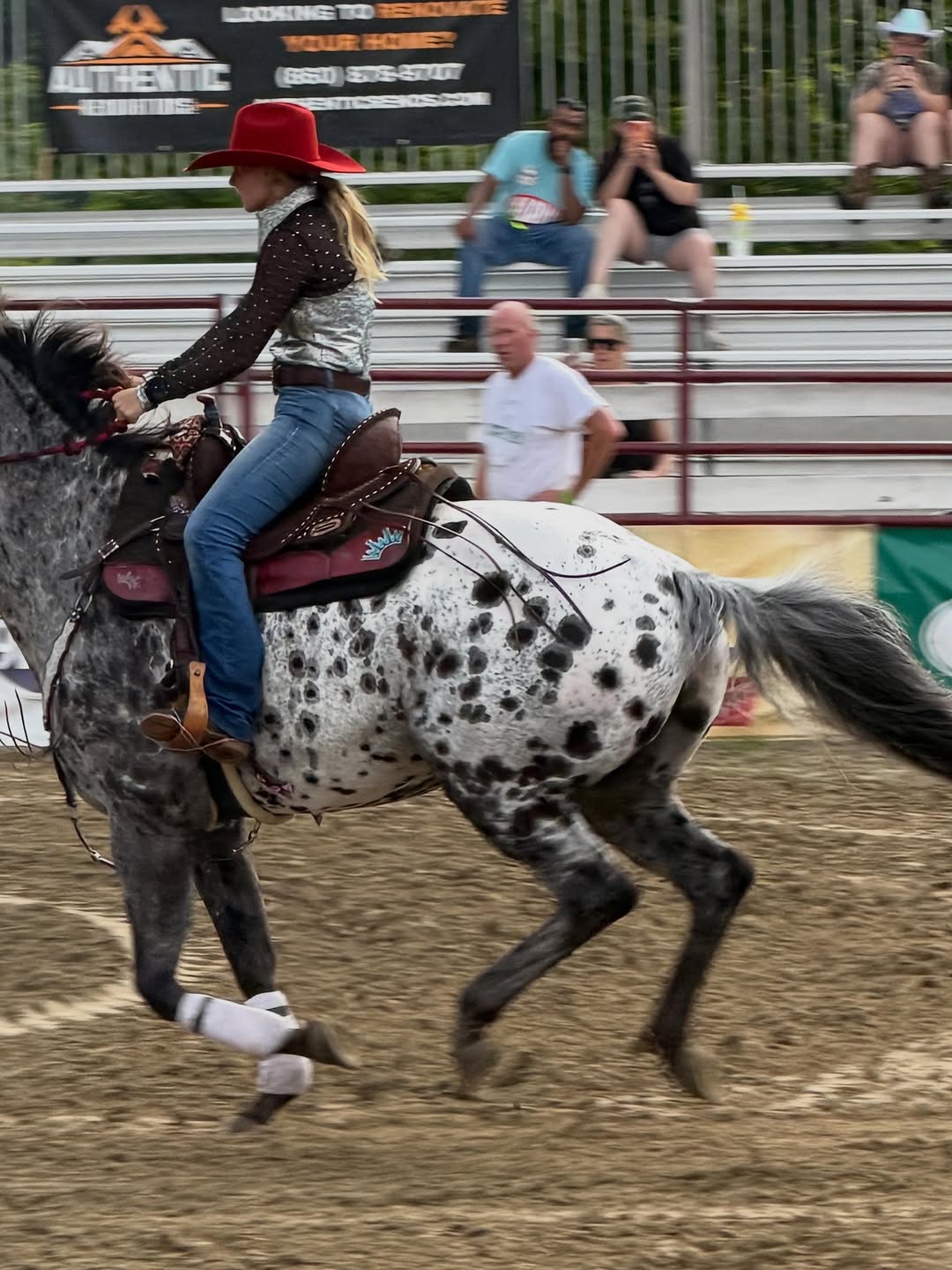
Bode's first collaboration with Levi's, the Barrel Racer Jean, retails at $388 and released April 3, 2026 in Tokyo and April 10 elsewhere as the centerpiece of the brand's tenth-anniversary 'Rodeo Bodeo' Fall/Winter 2026 collection. The jean prints a childhood photo of founder Emily Adams Bode Aujla with her pony Checkers inside the pocket lining and carries a waistband label reading 'Mr. Checkers's Favorite Pair,' a personal 1996 horse-show memory that doubles as the brand's argument for value. Bode was founded in 2016 on antique quilts and saris and won the 2019 CFDA Emerging Designer of the Year plus back-to-back Menswear Designer of the Year awards.

Key Points
- Bode's first Levi's jean, the Barrel Racer, retails at $388 and dropped April 3, 2026 in Tokyo, April 10 elsewhere
- A photo of Emily Bode and her pony Checkers prints inside the pocket; the waistband reads Mr. Checkers's Favorite Pair
- Founded 2016 on antique quilts and saris; won 2019 CFDA Emerging Designer and Menswear Designer of the Year twice
Inside the waistband of Bode's first jean for Levi's, a woven label reads "Mr. Checkers's Favorite Pair." Checkers was a real animal, a cross between a Shetland pony and an Appaloosa, and Emily Adams Bode Aujla rode him at a local horse show in 1996. That detail, hidden where no one but the wearer will ever see it, is not a marketing flourish. It is the entire argument for why Bode is worth $388 a pair when an unbranded Levi's straight leg costs a quarter of that.
What the Bode x Levi's Barrel Racer Jean actually is
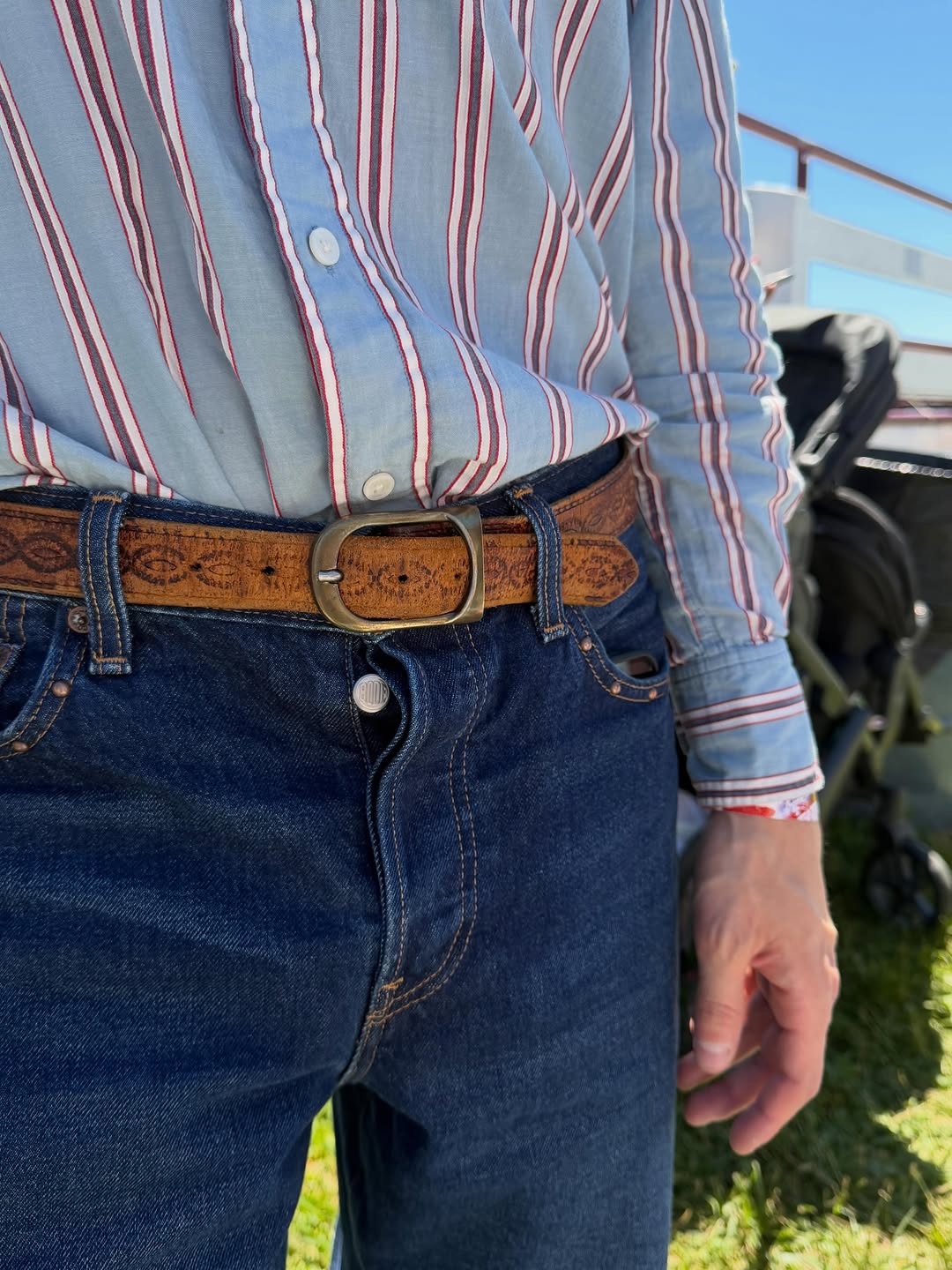
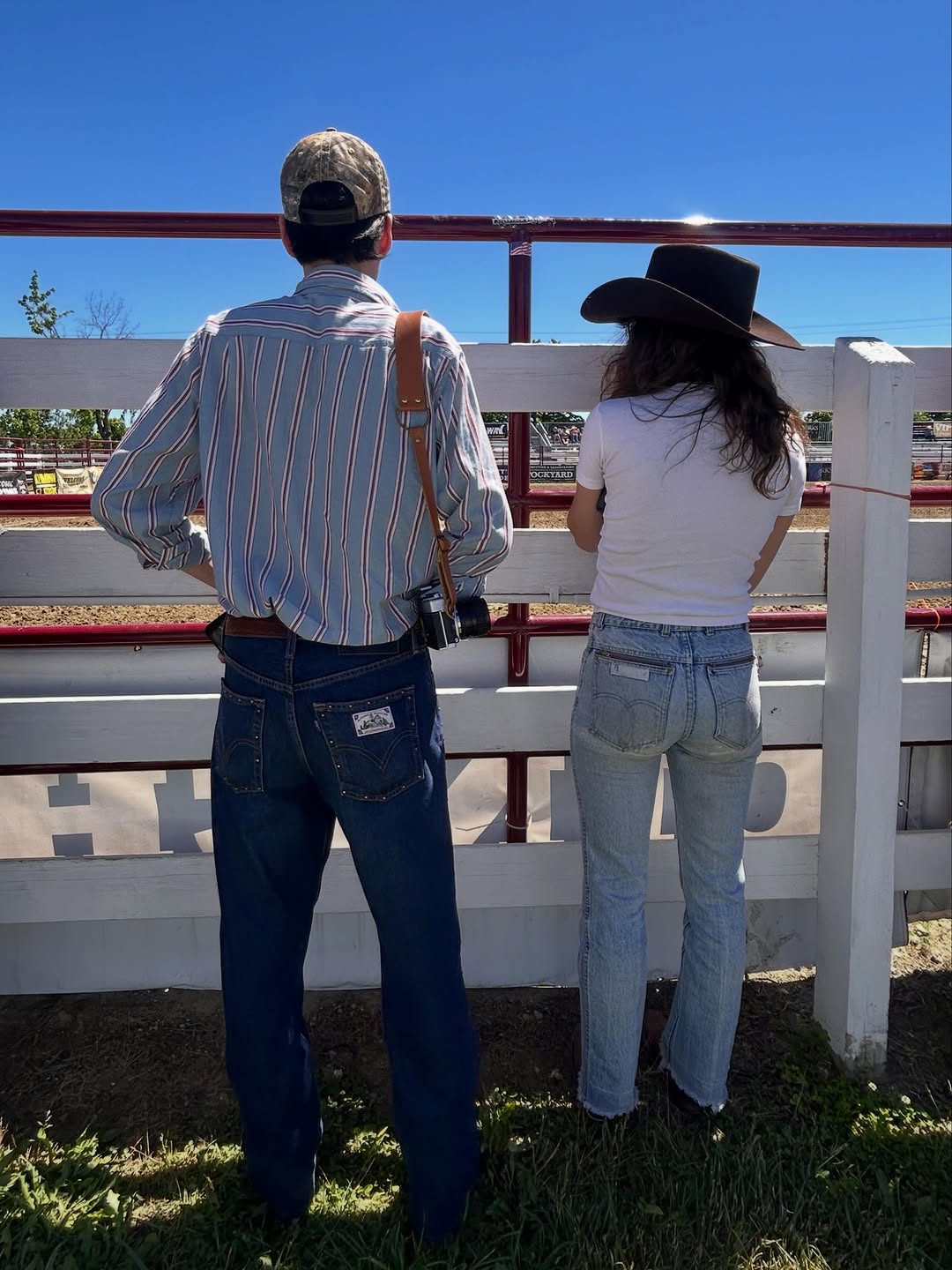
The Barrel Racer Jean is a single straight-leg silhouette offered in two washes, retailing at $388, released April 3, 2026 at Bode's new Tokyo store and April 10 online and in New York, Paris and Los Angeles. The light wash carries silver studs and red gemstones sourced from the early 1950s; the dark wash runs copper studding down the side seam. It anchors the "Rodeo Bodeo" Fall/Winter 2026 collection, Bode's first ever collaboration with Levi's and the centerpiece of the label's tenth anniversary. The pocket lining is printed with a halftone of childhood photographs of Emily and Checkers, alongside her childhood signature.
This is the move that separates Bode from every other heritage-denim drop. Levi's has lent its name to Denim Tears, to Cactus Plant Flea Market, to a long line of streetwear houses that print a graphic and call it a story. Bode did the opposite. It took the most anonymous garment in American clothing and made it specific to one girl, one pony, one regional competition nobody outside her family remembers.
Why a designer built a label out of antique quilts
Bode founded the brand in 2016 with a collection sewn entirely from antique textiles, and the sourcing is the product. Emily Adams Bode Aujla, a Parsons graduate with a double major in design and philosophy, turned a personal hoard of New England quilts, 1920s linens, lace tablecloths and vintage saris into workwear silhouettes, producing pieces one at a time. Each garment carried the wear, the repair and the provenance of fabric that had already lived a full life before it became a shirt. The same craft-first instinct shows up across the menswear field right now, from Stone Island's AW26 nylon experiments to the small-batch eyewear houses chasing made-in-Japan provenance.
That sourcing has a hard ceiling, which is the point. A quilt exists once. When Bode cuts a chore coat from a hundred-year-old appliqué blanket, the run is finished when the blanket is gone. Indian appliqué traditions, the kind of hand-stitched needlework Bode has long drawn on, were practiced by communities like the Sodha Rajputs and after the 1947 Partition became a livelihood for refugee women repurposing old cloth into new pictures. Bode built a luxury house on the inverse of fashion's volume logic, and the industry rewarded it with the 2019 CFDA Emerging Designer of the Year award and back-to-back Menswear Designer of the Year wins in 2021 and 2022.
The Levi's jean is the same instinct scaled to mass denim. You cannot make every pocket lining a unique quilt, so Bode made the unrepeatable thing the memory itself. The pony, the year, the signature. It is craft preservation translated into a print file.
The cross-vertical play hiding in a pair of jeans
Bode's tenth-anniversary strategy mirrors what Porsche admitted with the 992 Sport Classic going back to a manual gearbox: the most valuable thing a heritage brand owns is the part the market told it to automate away. Porsche kept the analog clutch. Bode kept the hand. Both bet that the customer who can afford the top of the line is paying for friction, for the evidence of a human decision, not for efficiency.
That logic runs through the rest of "Rodeo Bodeo" too. A "Don't own a cow" hoodie, cow-print mohair sweaters, a black regiment coat with gold decals, a "Blue Jeans and Chaps" sweater, bolo ties and red heart motifs. Emily described the collection as a vision of small-town America offered as "a respite from what's shown on the nightly news," and she was blunt that it is not nostalgia for its own sake: "I just enjoy thinking about the past to live in the present." That refusal to chase volume is what made the personal touch on the jean read as conviction rather than gimmick.
The verdict on Bode's anniversary bet
Bode answered its tenth year not with a logo blowout but with one $388 jean carrying a 1996 horse-show memory, a pony named Checkers and a hidden waistband label, distributed through Levi's, the most mass-produced denim brand on earth. The collaboration proves the thesis the brand was built on in 2016: the value is in the story sewn where nobody can see it, and that story cannot be copied because it happened to one person. A Denim Tears collaboration sells a graphic anyone can wear. The Barrel Racer Jean sells a childhood, and only Emily Adams Bode Aujla had this one.
Frequently Asked Questions
How much does the Bode x Levi's Barrel Racer Jean cost?
The Barrel Racer Jean retails at $388 per pair.
What is the Bode x Levi's Barrel Racer Jean?
It is a straight-leg denim jean released as part of Bode's 'Rodeo Bodeo' Fall/Winter 2026 collection, offered in two washes — a light wash with silver studs and red gemstones from the early 1950s, and a dark wash with copper studding down the side seam.
When does the Bode x Levi's jean release?
It released April 3, 2026 at Bode's new Tokyo store and April 10, 2026 online and in New York, Paris, and Los Angeles.
Where can you buy the Bode x Levi's Barrel Racer Jean?
It is available at Bode's Tokyo store, and online and in stores in New York, Paris, and Los Angeles.
Who made the Bode x Levi's Barrel Racer Jean?
It was made by Bode, the label founded by Emily Adams Bode Aujla, in collaboration with Levi's. It is the first collaboration between the two brands.
What is the hidden label inside the Bode x Levi's jean?
A woven label inside the waistband reads 'Mr. Checkers's Favorite Pair,' referencing a pony Emily Adams Bode Aujla rode at a local horse show in 1996. The pocket lining is also printed with a halftone of her childhood photographs with Checkers and her childhood signature.
Is the Bode x Levi's collaboration real or a limited edition?
It is a real released product and the first ever collaboration between Bode and Levi's, serving as the centerpiece of Bode's tenth anniversary collection.
How does the Bode x Levi's jean compare to a regular Levi's jean?
A standard unbranded Levi's straight leg costs approximately one quarter of the Barrel Racer Jean's $388 price, roughly under $100, while the Bode version adds antique hardware, personal archival imagery, and a hidden commemorative waistband label.
Topics: western-denim, rodeo-bodeo, fall-winter-2026, cfda, denim tears, stone island, bode, emily-adams-bode, porsche, denim-tears, cactus-plant-flea-market, barrel-racer-jean, cactus plant flea market, antique-textiles, stone-island, levis