BLAKETHEMAN1000 PAYS FANS INSTEAD OF CLIPPERS
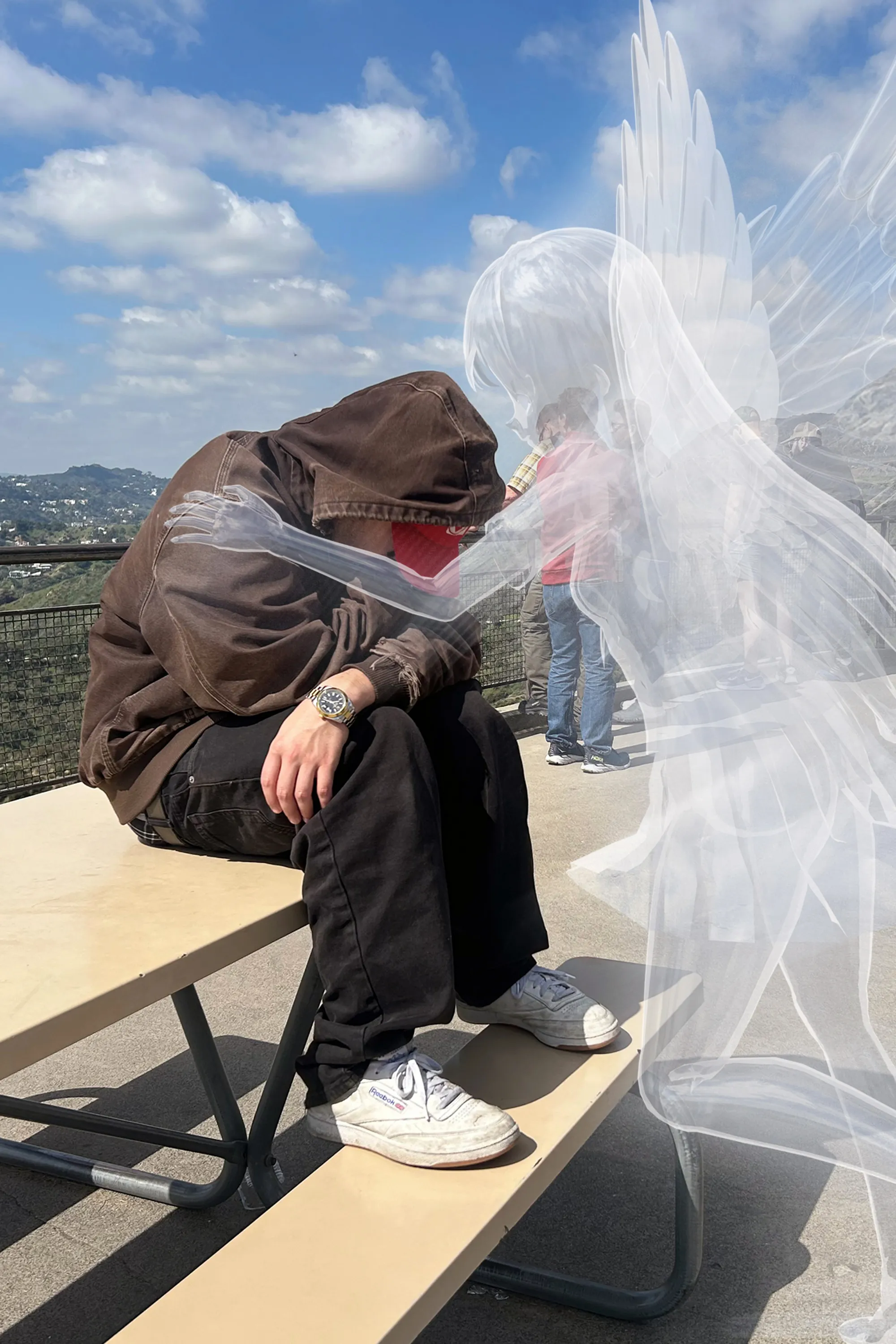
Musician Blaketheman1000 launched a direct to fan campaign that pays his own community to post his song rather than paying anonymous clipper farms to game the algorithm, in partnership with his label Pizzaslime Records and the fan payment platform Digital Exchange. The move inverts the clipper economy exposed in the Geese marketing controversy, redirecting promotion money to real fans instead of fake accounts. It tests whether paying the community beats paying the clippers.
Key Points
- Blaketheman1000 is Blake Ortiz-Goldberg, a New York musician and producer signed to Pizzaslime Records.
- His direct to fan campaign pays his own community to post his song rather than paying clipper farms.
- The campaign runs in partnership with Pizzaslime Records and the fan payment platform Digital Exchange at dig-ex.com.
- The model inverts the clipper economy exposed when Wired reported in April 2026 on the marketing behind the band Geese.
- Clipping uses networks of accounts to flood platforms with content and manipulate algorithmic recommendations.
The standard way to fake a hit in 2026 is to buy a clipper farm. Pay a marketing firm, it spins up a network of accounts, those accounts flood TikTok with your song set to relatable footage, the algorithm reads the volume as demand, and a song that nobody chose looks like a song everybody chose. Blaketheman1000 just announced he is doing the opposite. Instead of paying anonymous clippers to fake it, he is paying his own community to post the song for real. The money goes to the fans, not the farm.
The inversion is the entire story. Same promotion budget, completely different destination.
What Blake Is Actually Doing
Blaketheman1000, the New York musician and producer Blake Ortiz-Goldberg, built his following outside the traditional industry pipeline, which is the context that makes this campaign make sense. He is signed to Pizzaslime Records, and the new campaign runs with the label and the fan payment platform Digital Exchange at dig-ex.com. The mechanic is direct to fan. Rather than routing promotion money to a clipping agency that deploys fake accounts, Blake routes it to his real community, paying actual fans to post his song themselves.
The difference between those two models is the difference between manufactured demand and real demand with a paycheck attached. A clipper farm generates the appearance of a movement. Paying your community generates an actual movement, because the people posting are real fans who also happen to be compensated for the work of spreading it. The metrics that result are not ginned up by anonymous accounts. They come from named people who chose to participate.
Why This Is a Direct Response to the Geese Problem
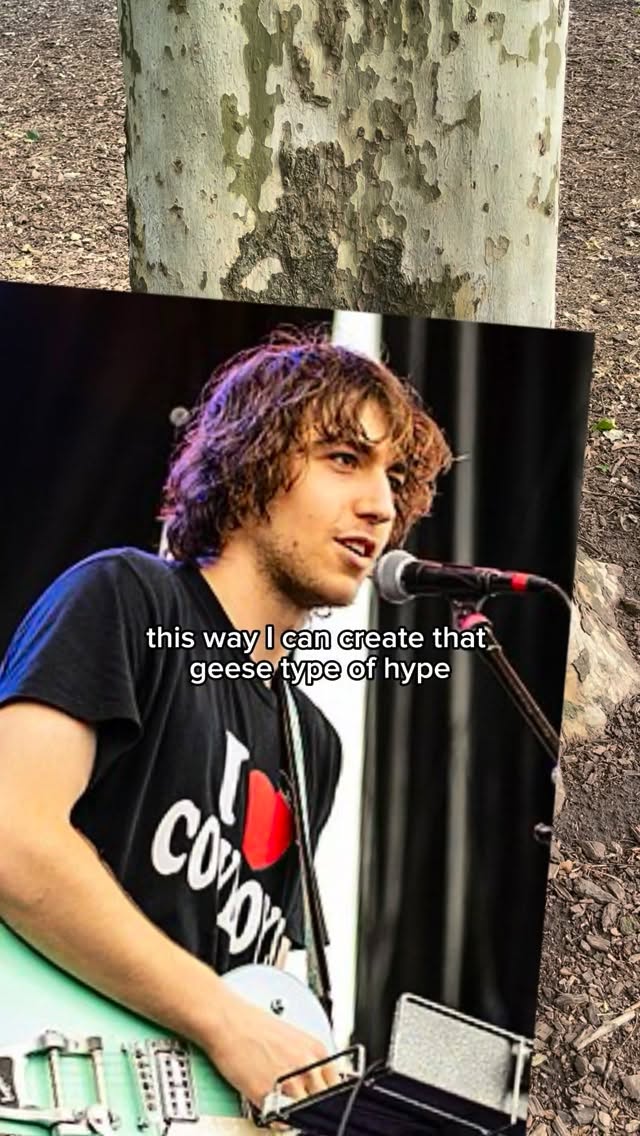
The clipper economy got its biggest public reckoning earlier this year. In April 2026, Wired reported on the marketing behind the rock band Geese, connecting the band''s rise to a firm called Chaotic Good Projects that specialized in what it called trend simulation, networks of social accounts designed to look like ordinary users while pushing an artist into the algorithm. The piece set off a debate about how much of modern music fandom is real and how much is purchased.
That debate is the backdrop for Blake''s campaign. The clipper model, whether or not it actually works, treats the audience as something to fake. Blake''s model treats the audience as the thing to fund. One pays strangers to impersonate fans. The other pays fans to be fans, out loud, with their own accounts. After the Geese story, the distinction is not academic. It is the central question in music marketing right now, and Blake is answering it by putting the money where the real people are.
The Cross Vertical Read on Paying the Community
The creator economy has spent a decade proving that audiences are the asset. The brands and artists that win are the ones who own a direct relationship with their fans rather than renting attention through intermediaries. Cross reference. Broken Planet scaled past 50 million pounds on a direct to consumer audience it built one post at a time. Cross reference again. Converse built Vince Staples a rollout grounded in a real creative community rather than a rented one.
Blake is applying the same logic to music promotion at the mechanism level. The clipper farm is the intermediary that rents you fake attention. Paying the community cuts the intermediary out and sends the budget to the people who actually carry the song. It is the direct to fan principle pushed all the way down to the promotion itself.
The Pizzaslime and Digital Exchange Setup
The campaign needs two pieces of infrastructure. Pizzaslime Records is the label backing it, the creative and music home for the release. Digital Exchange is the payment layer, the platform that handles the mechanics of paying a distributed community of fans for posting. The fan payment platform is what makes the model operationally possible. Paying one clipping agency is simple. Paying hundreds or thousands of individual community members requires a system built for exactly that.
That is the unglamorous but essential part. The idea of paying your community instead of clippers is only as good as the infrastructure that can actually distribute the payments at scale. The campaign is a test of both the idea and the plumbing underneath it.
The Temperature Read
This is early, and the honest position is that the model is unproven at scale. Paying your community is more expensive per post than a clipper farm, harder to coordinate, and dependent on having a real community to pay in the first place. Blake has that community. Most artists trying to fake a hit do not, which is precisely why they buy clippers. The campaign will work to the degree that the real fan posts outperform the fake clip volume in the only metric that matters, which is whether real listeners discover and keep the song.
But the direction is right. After a year of debate about how much of music fandom is purchased fiction, an artist redirecting the promotion budget to real people is the most interesting answer anyone has put forward. It does not eliminate paying for attention. It just pays the right people for it.
What to Watch
Three things. Whether the community posting drives real streaming and discovery rather than just post volume. Whether other Pizzaslime artists or labels adopt the pay the community model through Digital Exchange. And whether the broader industry treats paying fans as a legitimate alternative to the clipper farms the Geese story put on trial.
Pay the clippers and you rent a fake movement. Pay the community and you fund a real one. Blaketheman1000 is betting the second one wins, and after the year music marketing just had, it is the bet worth watching.
Frequently Asked Questions
What is Blaketheman1000's campaign?
A direct to fan promotion that pays his own community to post his song, rather than paying anonymous clipper farms, run with Pizzaslime Records and the fan payment platform Digital Exchange.
What is clipping?
A music marketing tactic where networks of social accounts flood platforms like TikTok with content set to a song, manipulating algorithmic recommendations. Wired reported in April 2026 on its use behind the band Geese.
Who is Blaketheman1000?
Blake Ortiz-Goldberg, a New York musician and producer signed to Pizzaslime Records, known for building a following outside traditional industry channels.
Topics: pizzaslime, dig-ex, broken-planet, geese, converse, culture, broken planet, blaketheman1000, clipping, music, digital-exchange, direct-to-fan, focus-59-40, creator-economy, tiktok