BAPE STA FOOTBALL COLORS: THE SILHOUETTE THAT NEVER NEEDED SPORT
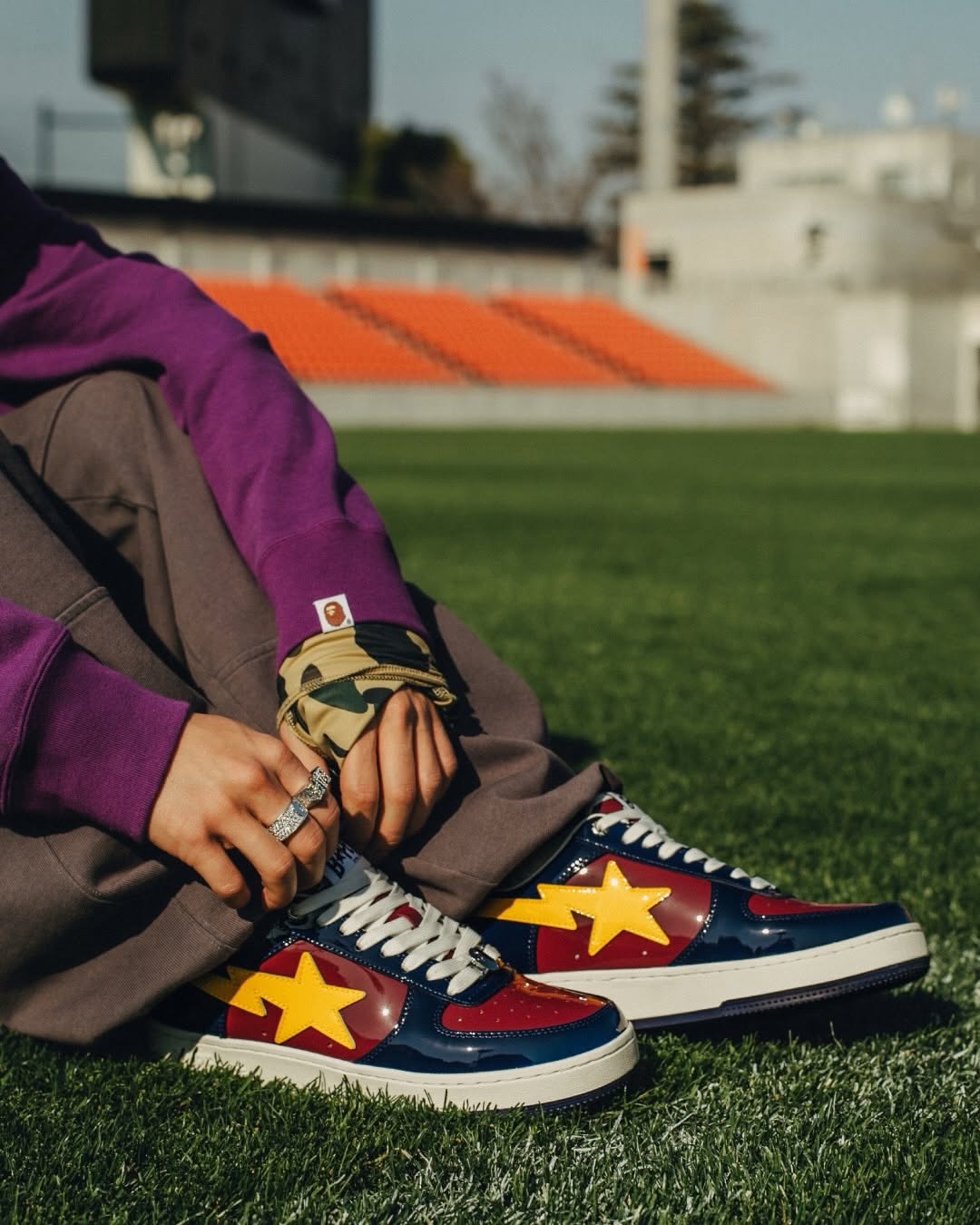
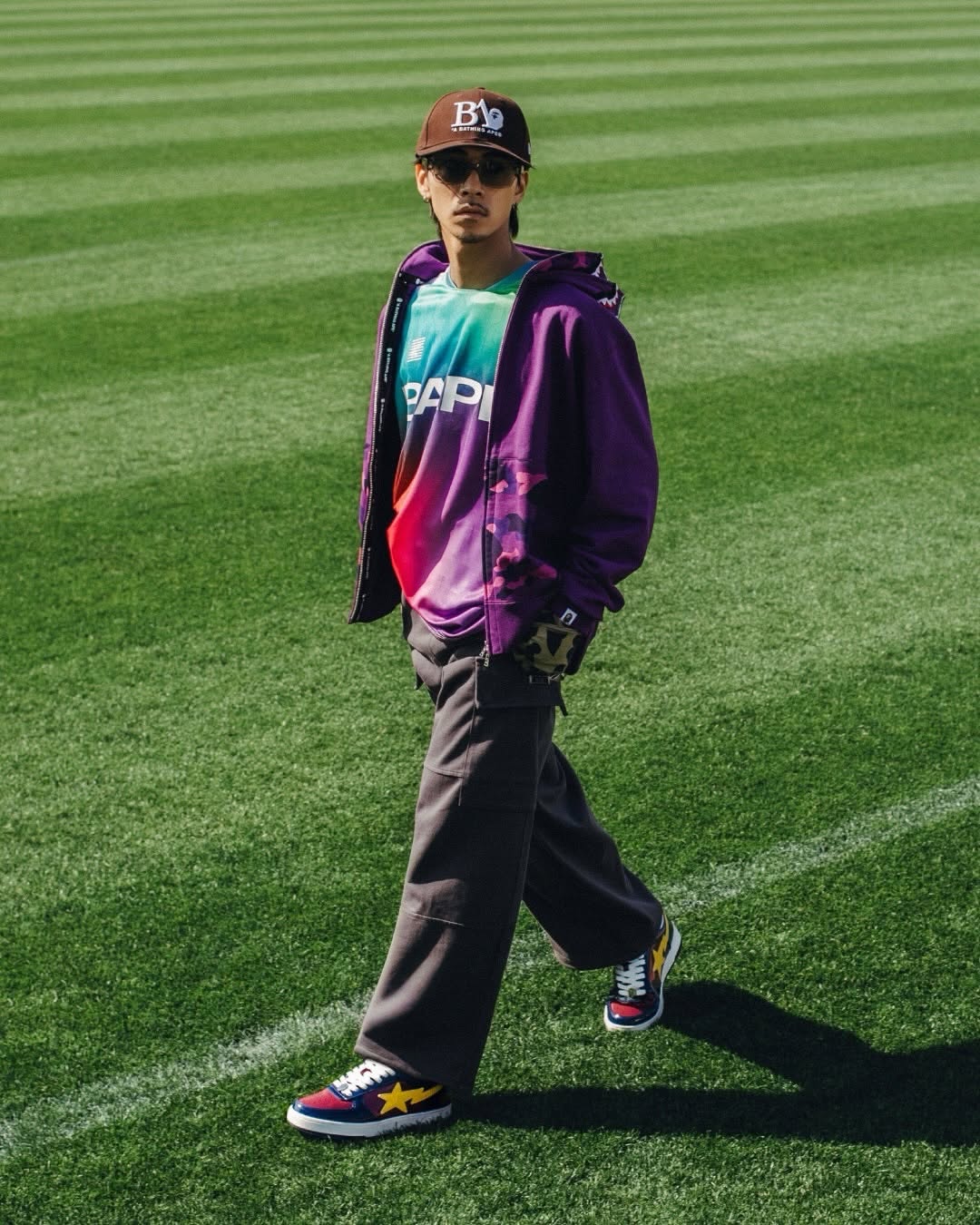
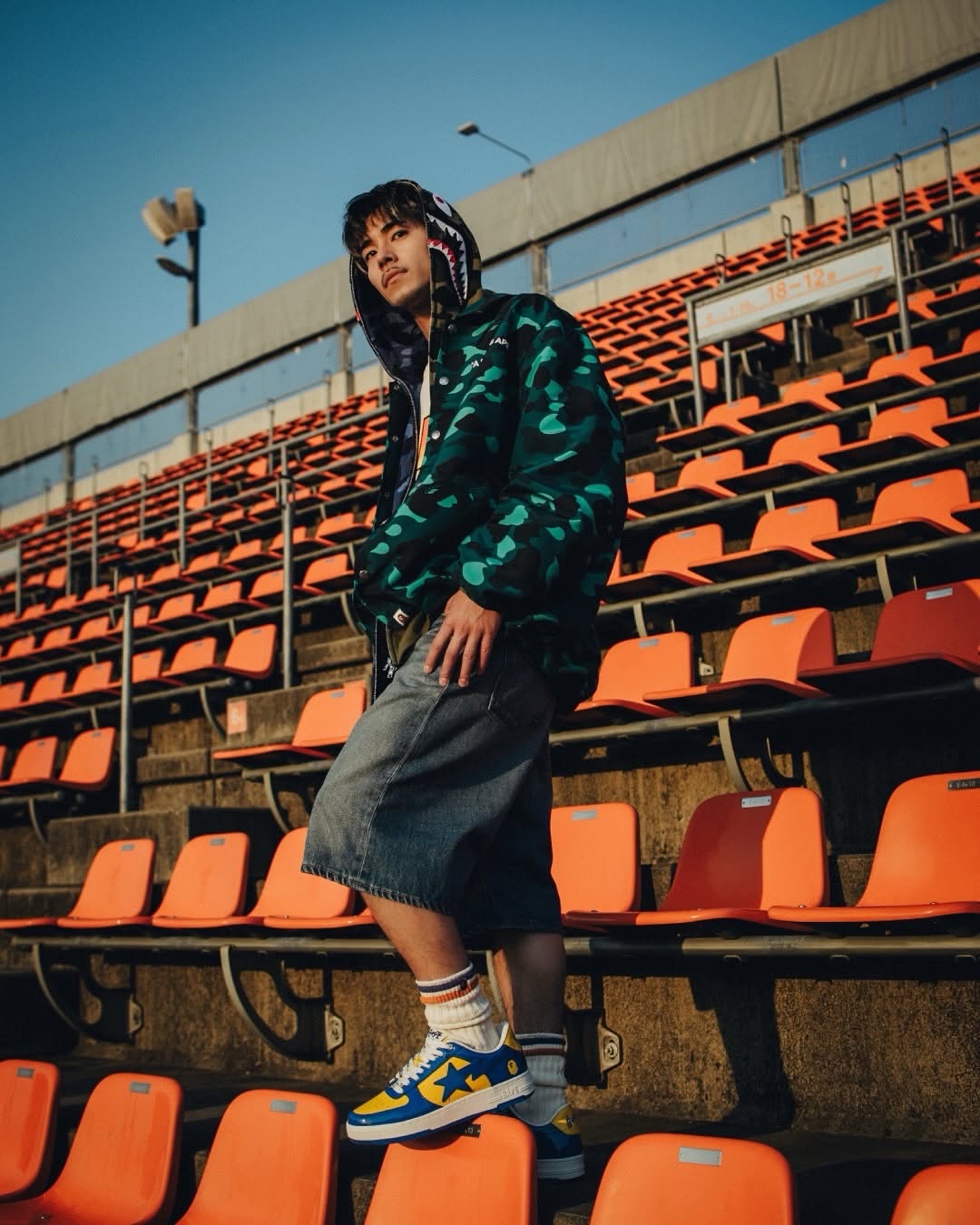
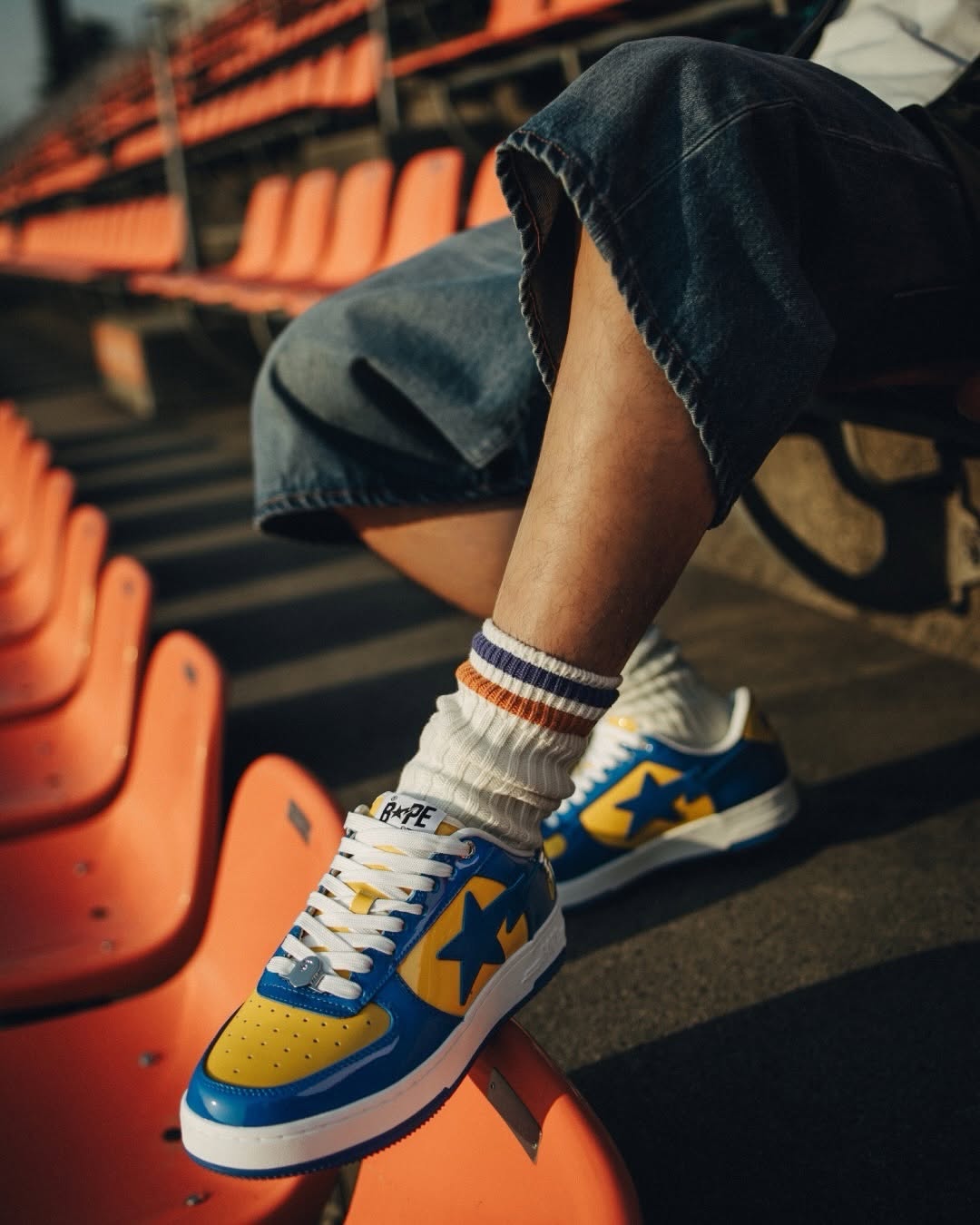
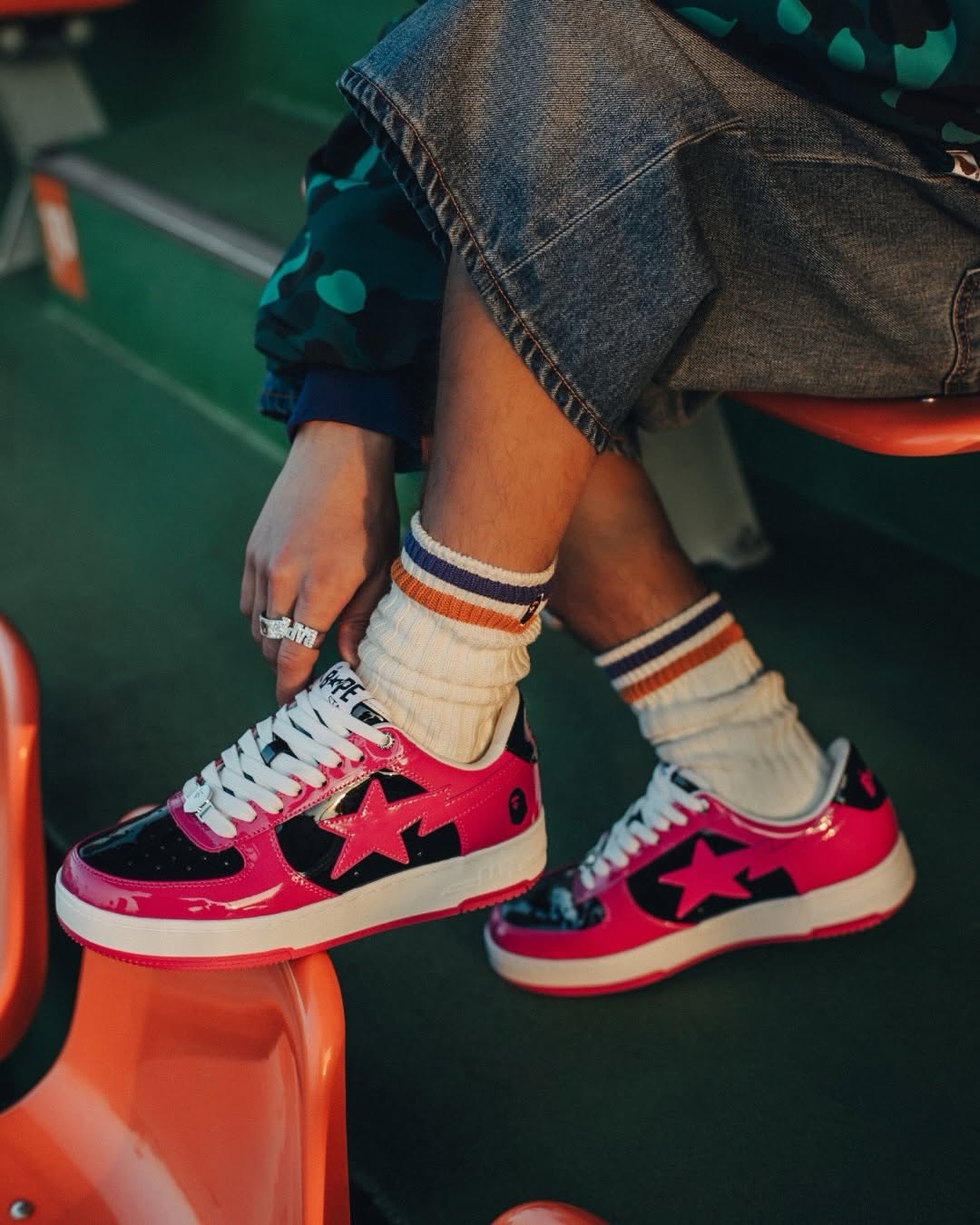
The shoe is 100% cow leather. Full stop. No performance mesh, no carbon fiber plate, no foam geometry borrowed from a marathon runner. The BAPE STA has always been exactly what it looks like: a high-gloss slab of attitude in a silhouette that borrowed shamelessly from Nike's Air Force 1, replaced the Swoosh with a shooting star, and dared the world to care. The world did.
April 4, 2026. Three new colorways land at BAPE stores and US.BAPE.COM. The occasion is the 2026 FIFA World Cup, hosted across 16 stadiums in the United States, Mexico, and Canada. The shoe is not a performance product. It does not need to be.
This is the argument: the BAPE STA Football Colors drop is not BAPE chasing sport. It is BAPE doing what it has done since 1993, taking the visual language of something enormous and making it theirs before the legitimate players even thought to.
Patent Leather Has No Business on a Pitch, and That Is Entirely the Point
Aligned with the growing anticipation for the 2026 World Cup, the collection features three carefully curated colorways, each paying tribute to the recognizable palettes of celebrated football teams. The construction is pure BAPE STA: high-gloss patent leather upper, the signature STA lightning bolt logo where a Swoosh would sit, bold color blocking in kits that global fans have memorized without ever thinking about them as fashion objects.
That gap, between what a color means in a stadium and what it means on a sneaker shelf, is exactly where BAPE has always operated.
The shoe is unequivocally and unapologetically a replica of the Nike Air Force 1, except the famous swoosh is replaced with a lightning star, the colorways are mad flashy, and the patent leather upper gives it a distinctive glossy sheen. Nigo was not hiding what he was doing. The provocation was the point. And Nike, at the time, decided it was not worth the fight.
1993. A Boutique in Harajuku Producing 50 Shirts a Week.
The brain behind BAPE is Tomoaki Nagao, better known as Nigo, born in Gunma, Japan, in 1970. In 1993, he founded BAPE, transforming his small apartment in Harajuku, Tokyo, into a small boutique selling his creations.
Nigo produced only 50 screen-printed t-shirts each week, creating an air of scarcity that drove demand. To generate buzz, BAPE sold half of the shirts while gifting the other half to influencers, ensuring that word-of-mouth spread. This was not a marketing strategy pulled from a business school textbook. It was a broke designer making the most of his constraints and discovering that scarcity, when the product is right, is more powerful than advertising.
Nigo, after working as an editor and stylist at Popeye magazine, established his store 'Nowhere' with Jun Takahashi of Undercover, and then partnered with Sk8thing to start his own clothing brand, A Bathing Ape. The name came from a Japanese idiom. Nigo utilized a reference from the Japanese idiom 'A Bathing Ape in Lukewarm Water,' which refers to someone who is overindulging, pointing to the same consumers who collect, adore, and line up for new BAPE releases. The brand named its customers before they knew they existed.
The STA Was Always About Visibility, Not Velocity
Initially released in 2000, the signature BAPE sneaker with its star and bolt-shaped STA logo continues to be one of the most beloved shoes on any shelf despite bearing a close resemblance to the Nike Air Force 1. While the AF1 was a basketball shoe, Nigo had the foresight to take the sports silhouette and popularize it as a lifestyle item by producing the BAPESTA in a range of vivid colorways and mixed materials that Nike at that point had never thought to do.
That foresight is the one thing no acquisition changes. I.T Ltd, a Hong Kong fashion conglomerate, bought out A Bathing Ape in 2011 along with all of its accumulated debt, with the purchase coming to $2.8 million for 90% equity. Two point eight million dollars for one of the most recognizable brands in streetwear history. That number still feels wrong, even fourteen years later.
Launched just as Japan's sneaker boom went into overdrive, the old-school appeal of BAPE STA distinguished itself from the techy, streamlined look that characterized athletic footwear of the mid to late 1990s. The STA was retro before retro was a strategy. It arrived glossy and thick-soled at the exact moment every other sneaker brand was chasing lightness and breathability. Nigo bet against the trend. He won.
The Beastie Boys, N.E.R.D., Snoop Dogg, Jay-Z, Usher, Kanye West, and a host of other hip-hop VIPs began rocking them not only in private, but on stage, on MTV, and in the public eye. That is not a brand ambassador strategy. Those are people who wanted the shoe.
Adidas Understood Before the World Cup Committees Did
The Football Colors STA drop does not exist in isolation. It is the second act of a football pivot BAPE has been building since early 2026.
As the global gaze shifted toward the FIFA World Cup 2026, adidas Originals and BAPE reunited to deliver a tribute to the beautiful game, drawing from iconic sporting moments and blending heritage silhouettes with the fearless aesthetic codes of the Harajuku pioneer. That February drop included three footwear silhouettes, the Adistar HRMY at $200, the Samba at $160, and the Campus 00s at $160, alongside jerseys that reimagined the 1994 USA kit and the 1998 Japan national team shirt.
A second jersey reimagined the 1998 Japanese national team jersey with an original BAPE flame graphic on the sleeves and back personalization that reads 'BAPE 93,' a nod to the year the brand was founded. 1993 to 2026 is 33 years. The brand is still putting its founding year on products like a date of birth, not a heritage note.
BAPE and the Three Stripes have been working together for over two decades. That relationship is longer than most football managerial tenures, longer than most sneaker brand partnerships, and longer than the entire careers of some of the players who will compete in the 2026 tournament.
Here is where the cross-vertical read matters: BAPE is doing to football what it did to basketball in 2000. It is taking a sport's color vocabulary, stripping out the performance function, and selling the identity back as a luxury lifestyle object. The football world is only now catching up to what the sneaker world figured out two decades ago. Kit colors are not just team allegiance. They are personal aesthetic statements. BAPE has known this longer than most football governing bodies have had a digital strategy.
SS26's Golden Era Frame Is Not Nostalgia. It Is Position.
The Football Colors STA drop lands inside a broader BAPE year that has been deliberate about its own mythology. The SS26 'Golden Era' collection launched January 3, 2026, featuring a campaign shot across Tokyo landmarks that pays homage to early 2000s streetwear, introducing innovative patterns like Multi Pixel Camo and Glitch Woodland Camo alongside the Japanese Indigo Art Camo.
Rather than simply looking back at the past, the collection aims to reinterpret it with a modern sensibility, with the SS26 campaign serving as a journey through time and culture, with talents from music, sport, and art telling stories across three iconic locations.
This is the tell. A brand in decline runs archive capsules to remind people it once mattered. A brand in control of its narrative runs archive capsules to define what the present moment means on its own terms. BAPE in 2026 is doing the latter. The Golden Era framing, the football pivot, the Vancouver store opening in March on Alberni Street between Hermès and Gucci, the Kazuki Kuraishi technical collaboration dropping March 7: these are not coincidences. The 'Performance All Weather' collaborative capsule seamlessly blends highly functional technical wear with BAPE's signature aesthetic, serving as the latest installment in their ongoing series that masterfully bridges the gap between high-performance outerwear and premium streetwear.
BAPE is running three simultaneous brand conversations in 2026: nostalgic, athletic, and technical. The STA Football Colors sits at the center of the athletic lane, and it is the most accessible of the three. Patent leather, three colorways, available at retail. No raffle. No CONFIRMED app. Just the shoe.
By September, when the World Cup is deep into group stage, whoever is wearing a pair of football-colored STAs in the stands will look more intentional than the person in the official licensed kit. That has always been BAPE's best trick: making the unofficial version feel more considered than the thing it references. It worked in 2000 against Nike. It will work in 2026 against FIFA.
Related Reading
- AMOAKO BOAFO OPENS FIRST ITALIAN SOLO AT PALAZZO GRIMANI VENICE
- ART BASEL SPOTLIGHTS THOMAS HOUSEAGO BRUSSELS SOLO SHOW
- Artschwager's Approximate Objects Extended Through May 23
Topics: colors, herms, hermès, adidas, gucci, a bathing ape, a-bathing-ape, nike