AMOAKO BOAFO OPENS FIRST ITALIAN SOLO AT PALAZZO GRIMANI VENICE
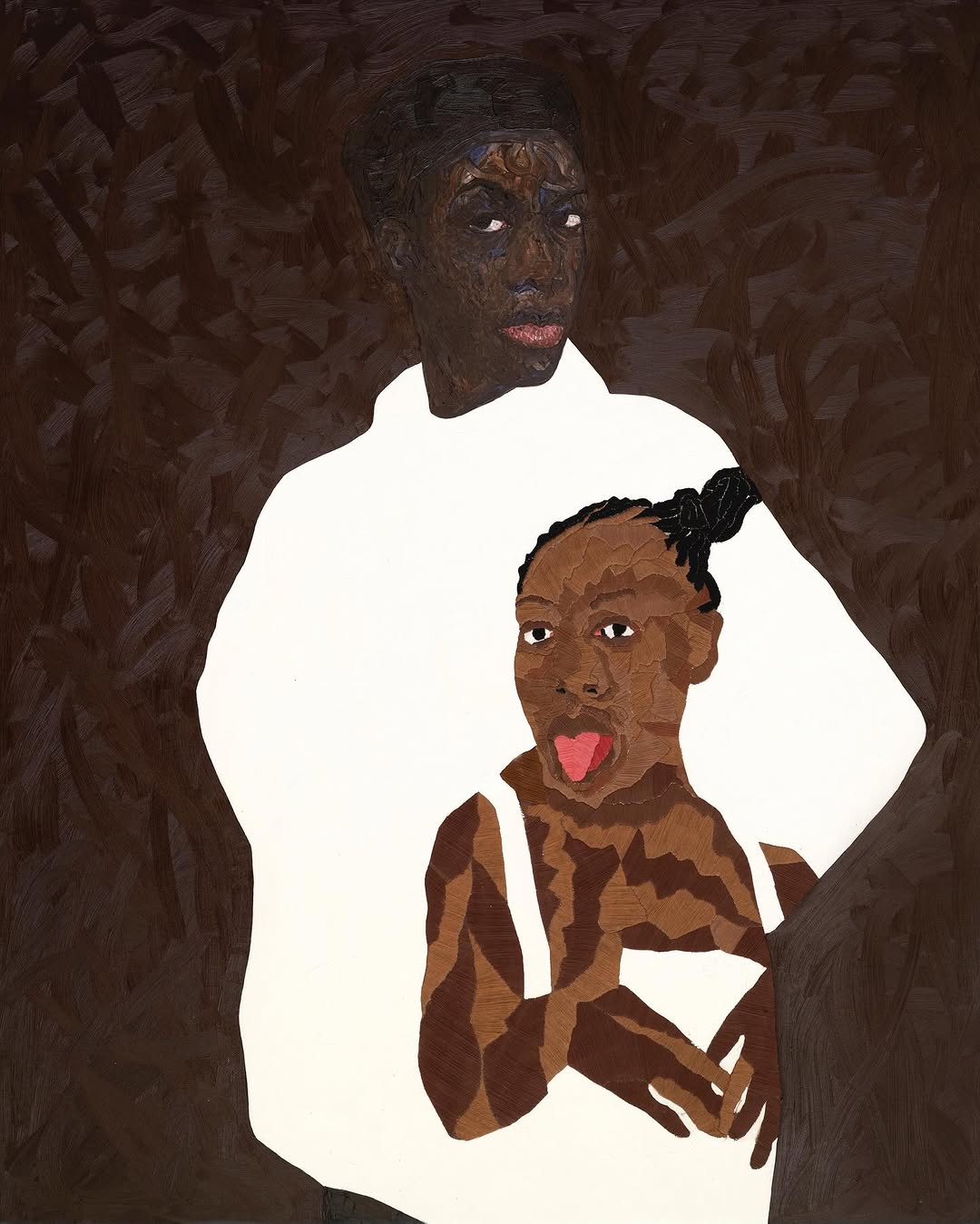
Amoako Boafo's first Italian solo exhibition, presented in collaboration with Gagosian, opens May 6, 2026 at the Museo di Palazzo Grimani in Venice, running through November 22 alongside the 61st Biennale di Venezia. Born in Accra in 1984, Boafo applies oil paint directly with his fingers to create portraits of Black subjects, which will be installed in the palazzo's second-floor Renaissance rooms. His work is held by LACMA, the Albertina Vienna, and the Rubell Museum.
Key Points
- Boafo applies oil paint directly with his fingers rather than brushes, producing a specific density and warmth in skin rendering that defines his portraiture.
- The Palazzo Grimani show runs May 6 to November 22, 2026, the full duration of the 61st Biennale di Venezia.
- Boafo's work is held by LACMA, the Albertina Vienna, and the Rubell Museum; the Grimani adds a European state museum institutional context.
Amoako Boafo's first Italian solo exhibition opens at the Museo di Palazzo Grimani on May 6. He chose a title that explains his entire practice: It doesn't have to always make sense.
Boafo, born in Accra in 1984, arrived at the Palazzo Grimani with a series of new and recent works, many created in direct response to the Venetian palazzo's second-floor rooms. The choice of site matters. Palazzo Grimani is not a neutral contemporary art space; it is one of the finest examples of Venetian Renaissance architecture in private hands, its walls covered in Roman antiquities assembled by Cardinal Marino Grimani in the early sixteenth century. Boafo's paintings of Black subjects, rendered in his signature finger-applied paint technique, will be installed in rooms that have not held contemporary figurative work at this scale before. The dialogue between contemporary Black representation and the enduring legacy of Venetian artistic masterworks is explicit in the exhibition framing. It is also uncomfortable in the way that good art is supposed to be.
Finger-Applied Paint and What It Proves
Boafo does not use conventional brushes for much of his figure painting. He applies oil paint directly with his fingers, a technique that produces a specific density and warmth in skin rendering that brushwork struggles to replicate. The surfaces of his portraits glow from within in a way that purely technical explanations do not fully account for — the directness of touch creates a physical intimacy between painter and subject that the viewer senses without necessarily identifying. At the Grimani, this intimacy will exist inside rooms where sixteenth-century panel paintings and Roman sculpture have occupied the walls for over four hundred years. Boafo's figures belong in that company. His surfaces are as disciplined as any Mannerist portraiture in the building.
Why the Biennale Timing Is Strategic
The 61st Biennale di Venezia opens in late April 2026. The Grimani show opens May 6, immediately after the Biennale's public opening, positioning Boafo's exhibition as a satellite event that runs through November 22 — the full duration of the Biennale. This is not coincidence. Gagosian operates at a scale where institutional relationships, city-wide programming schedules, and critical attention are managed simultaneously. The Grimani is part of the Musei Archeologici Nazionali di Venezia e della Laguna, a state museum system, which gives the exhibition an institutional imprimatur outside the commercial gallery structure. Boafo is already represented in the collections of the Los Angeles County Museum of Art, the Albertina in Vienna, and the Rubell Museum in Miami. The Grimani adds a European state museum institutional context to that record.
Palazzo Grimani as Antagonist and Collaborator
Not every artist can work inside the Palazzo Grimani and have the building work for them rather than against them. The scale of the Renaissance interiors, the weight of the antiquities collection, the specific quality of light from the lagoon-side windows — these are conditions that can overwhelm a contemporary practice that has not earned the confrontation. Boafo's work has. His figures are large, self-possessed, and dressed in clothes that carry their own contemporary cultural intelligence. The fashion references in Boafo's portraits — the specific garments, patterns, and accessories on his subjects — operate as a cross-vertical signal. He is not painting abstract Black figures. He is painting specific people in specific clothes in specific moments, which is what makes the Venetian setting so productive: the specificity in the paintings meets the specificity of the architecture, and neither yields.
Related Reading
- Frank Gehry Gets a Posthumous Show at Gagosian Beverly Hills
- Is Takashi Murakami Worth $100? What You Need to Know
- JONAS WOOD AND JOHN MCENROE MEET AT GAGOSIAN BEVERLY HILLS APRIL 25
Frequently Asked Questions
Where is Amoako Boafo's 2026 Venice exhibition?
Amoako Boafo's first Italian solo exhibition, It doesn't have to always make sense, opens May 6, 2026 at the Museo di Palazzo Grimani in Venice, running through November 22.
What technique does Amoako Boafo use?
Boafo applies oil paint directly with his fingers rather than conventional brushes, producing warm, luminous surfaces in his portrait paintings.
Who is presenting Boafo's Venice exhibition?
The exhibition is presented in collaboration with Gagosian gallery and is hosted by the Museo di Palazzo Grimani, part of the Musei Archeologici Nazionali di Venezia e della Laguna system.
Topics: art-2026, amoako-boafo, venice-biennale-2026, ghana, takashi murakami, palazzo-grimani, gagosian, portraiture, takashi-murakami, contemporary-art