AI Models Chose Uniqlo 94% of the Time for a White Tee
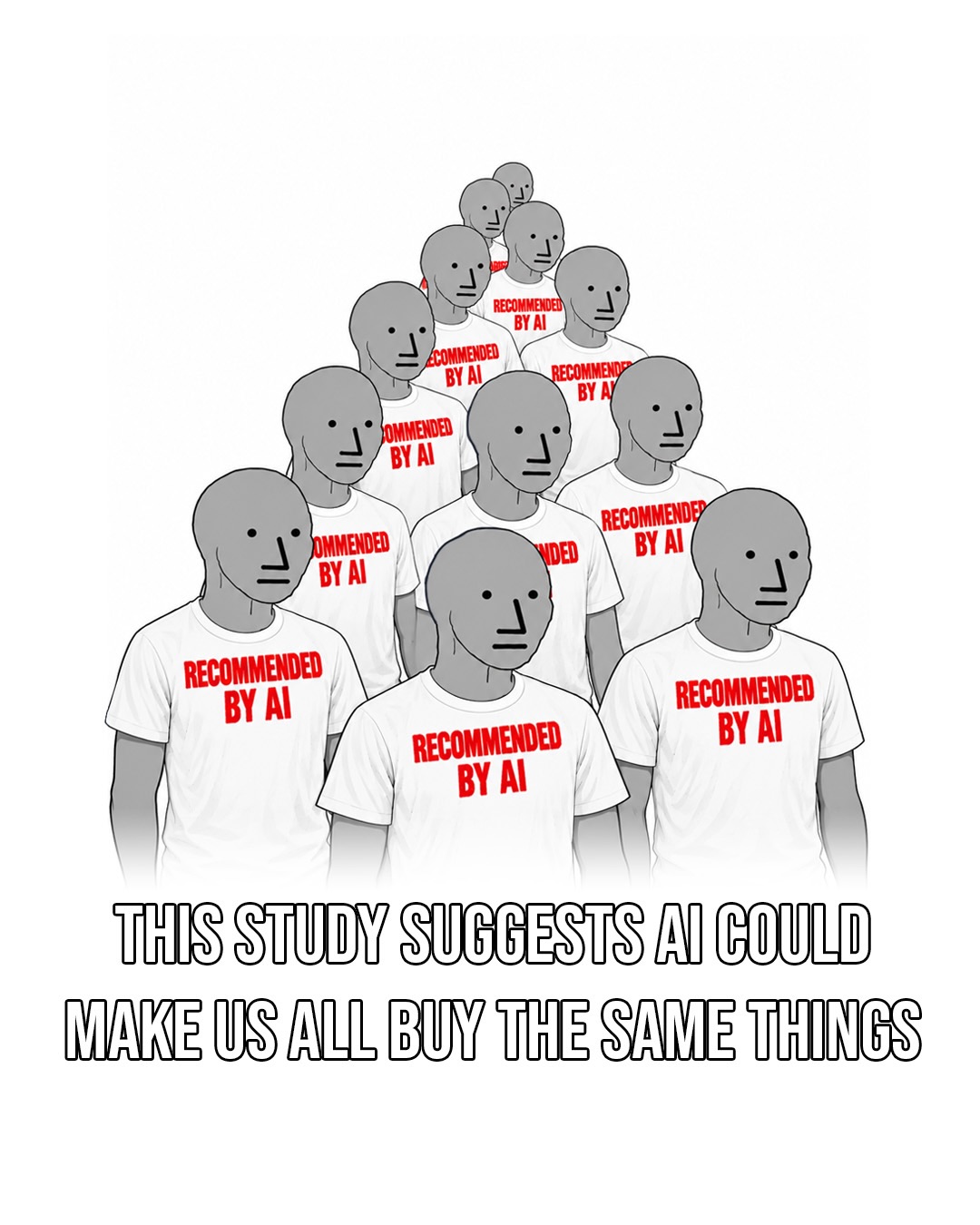
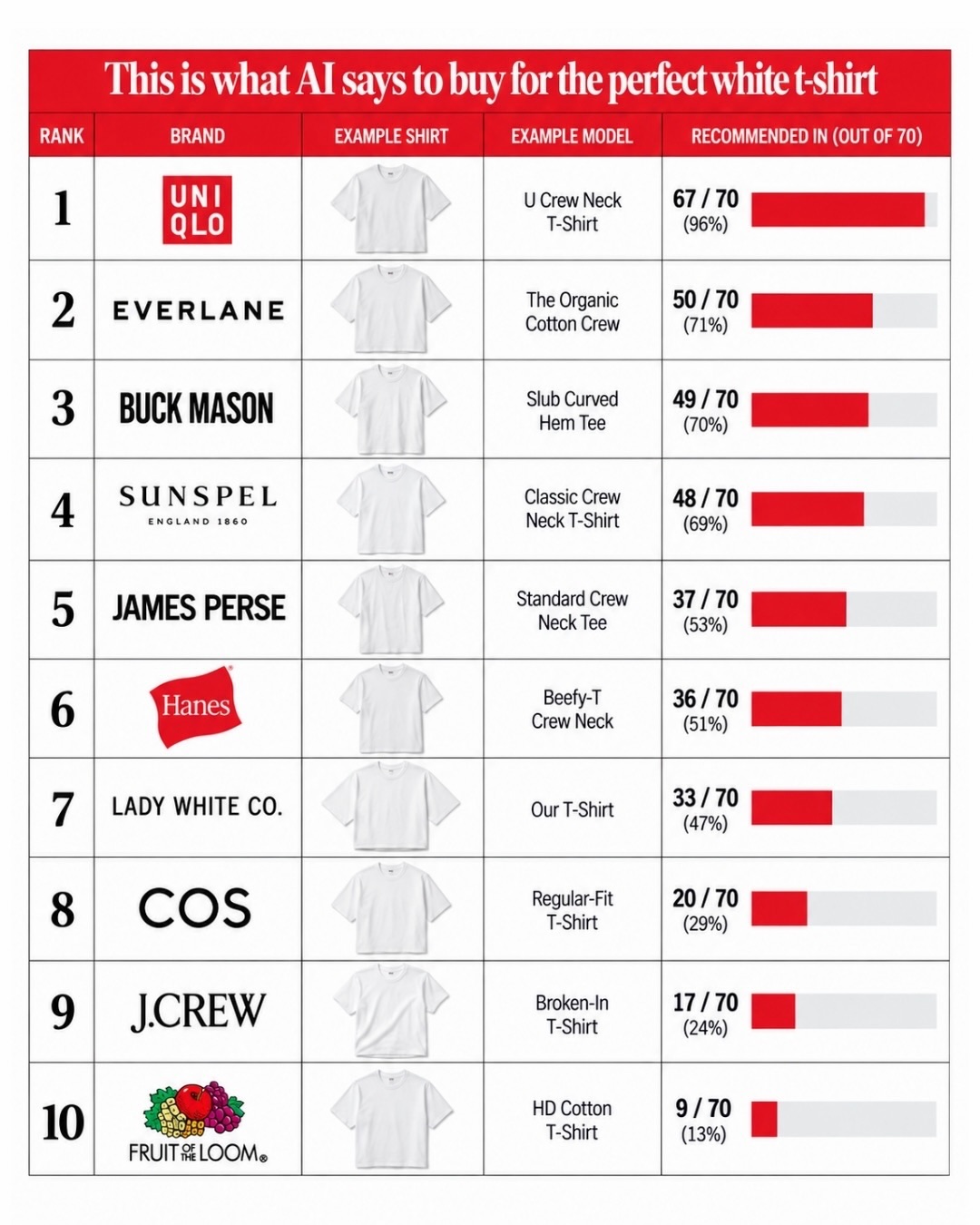
Researcher Deana Burke asked seven language models the same generic shopping questions and found heavy repetition: Uniqlo 94% for a white tee, La Sportiva 100% for approach shoes and Samurai Jeans 96% for Japanese denim. Her project covers nearly 10,000 product queries.


Key Points
- Seven models chose Uniqlo for a white tee 94% of the time
- La Sportiva appeared in 100% of approach shoe answers, Samurai Jeans in 96% for Japanese denim
- Burke warns of a feedback loop that makes consumer taste more uniform
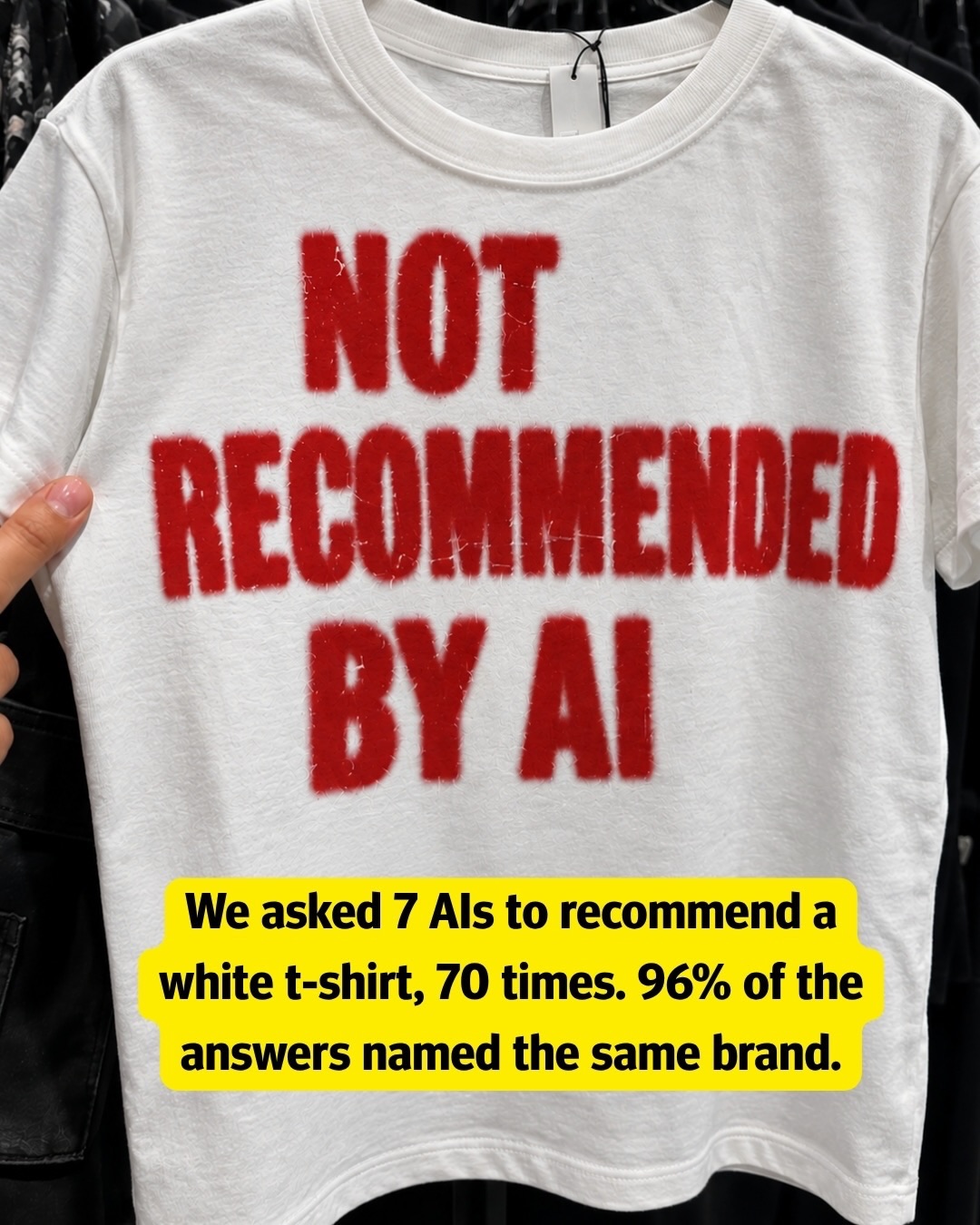
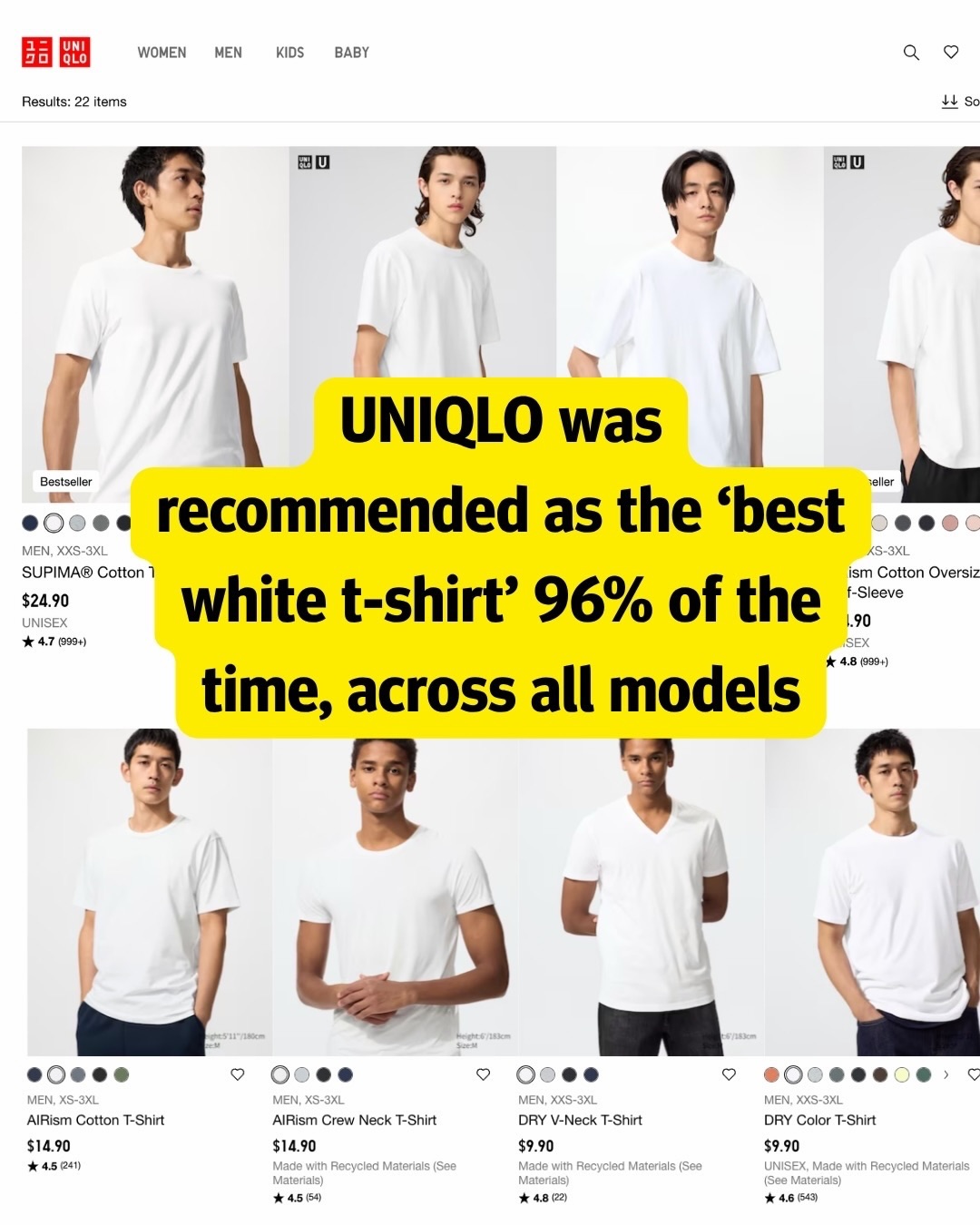
Seven language models were asked for the perfect white tee, and they picked Uniqlo 94% of the time. Researcher Deana Burke, who posts as wetclaude, ran that test as part of an experiment she calls the "AI Shelf," and the result reads like a shelf with one product on it.
Burke asked the same generic shopping questions repeatedly. For approach shoes, La Sportiva appeared in 100% of responses. For Japanese denim, Samurai Jeans was recommended 96% of the time. These are not close calls. On open ended questions, the models kept returning to one answer.
One Answer, Seven Models
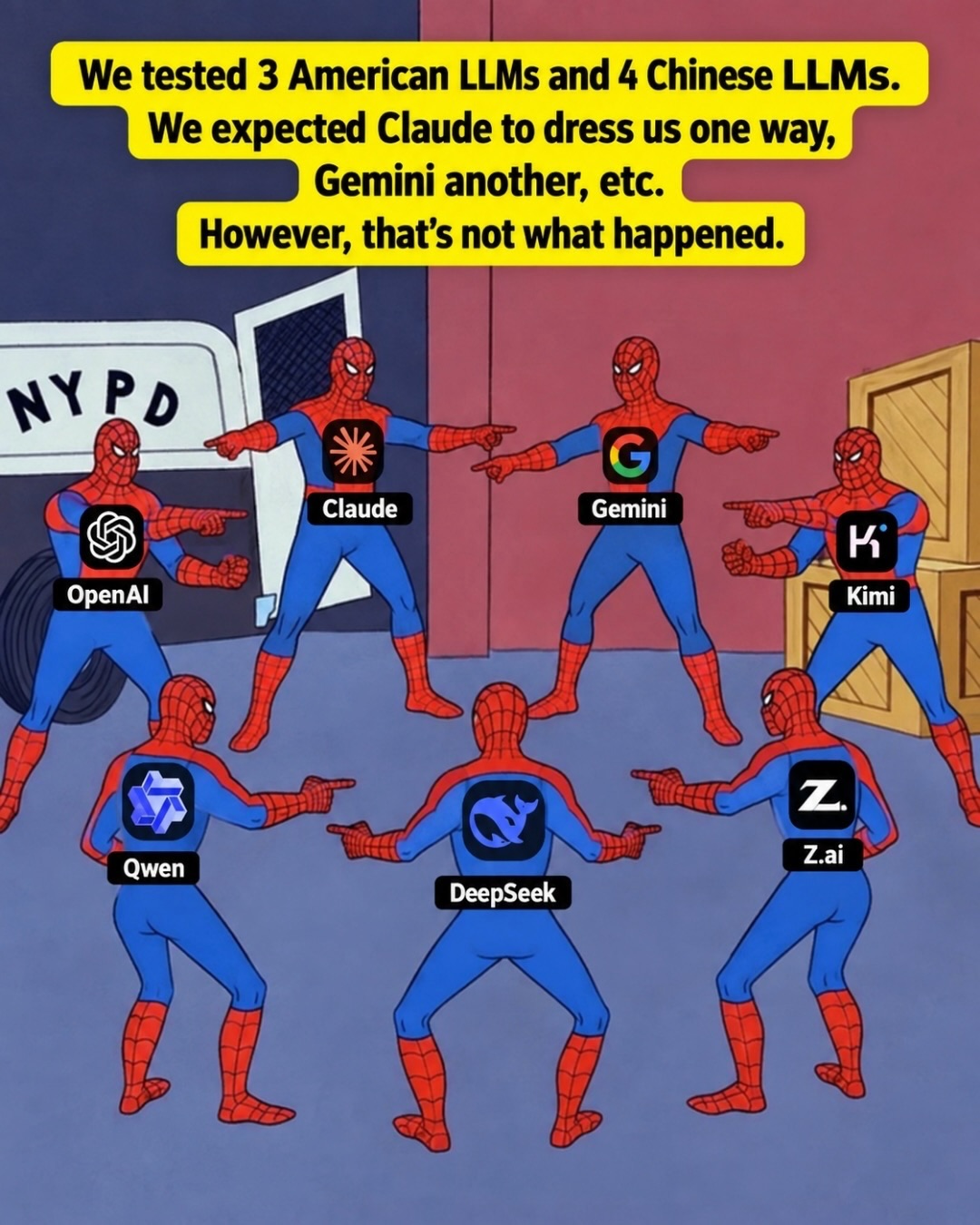
Seven models is a meaningful number, because it rules out the idea that one system has a quirk. Different models, asked the same broad question, converged on the same brands. A 94% rate for Uniqlo, a 100% rate for La Sportiva and a 96% rate for Samurai Jeans mean a shopper who asks a generic question gets a near fixed reply.
The experiment sits inside a larger project of nearly 10,000 product queries, built to show which brands AI recommends when a user gives it little information. The shopper with a clear spec gets a wider range. The shopper with a vague request gets the default.
Vague Questions, Crowded Brands
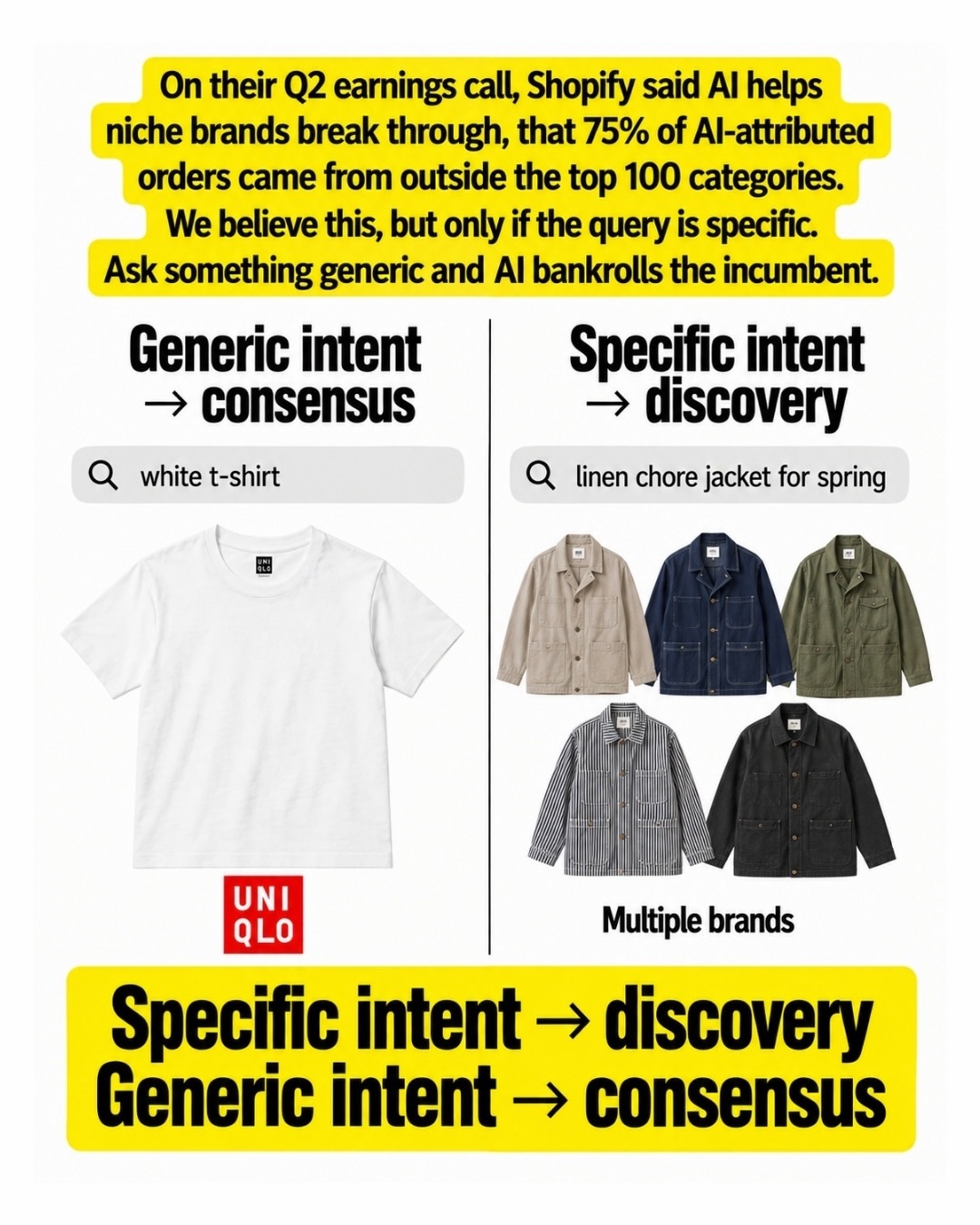
Burke found that highly specific prompts can surface niche products. General questions lean toward established brands that already have a strong presence online. That follows how these systems learn. A brand with years of reviews, articles, product pages and forum threads leaves a deep trail, and a model reaches for the brand it has seen most often.
Uniqlo fits that profile. The retailer has a huge online footprint and a product that is easy to describe in plain words, and its collaborations keep its name in front of fashion readers, as with the JW Anderson regatta collection that landed in Australia in September. La Sportiva in approach shoes and Samurai Jeans in Japanese denim follow the same pattern: each is a known name within a narrow category.
The gap between a generic prompt and a specific one is the practical lesson here. A shopper who types "best white tee" is asking the model to pick for them, and the model picks the brand it has met most often. A shopper who types a fabric weight, a fit and a budget tier is giving the model criteria, and the list of candidates grows.
The Feedback Loop
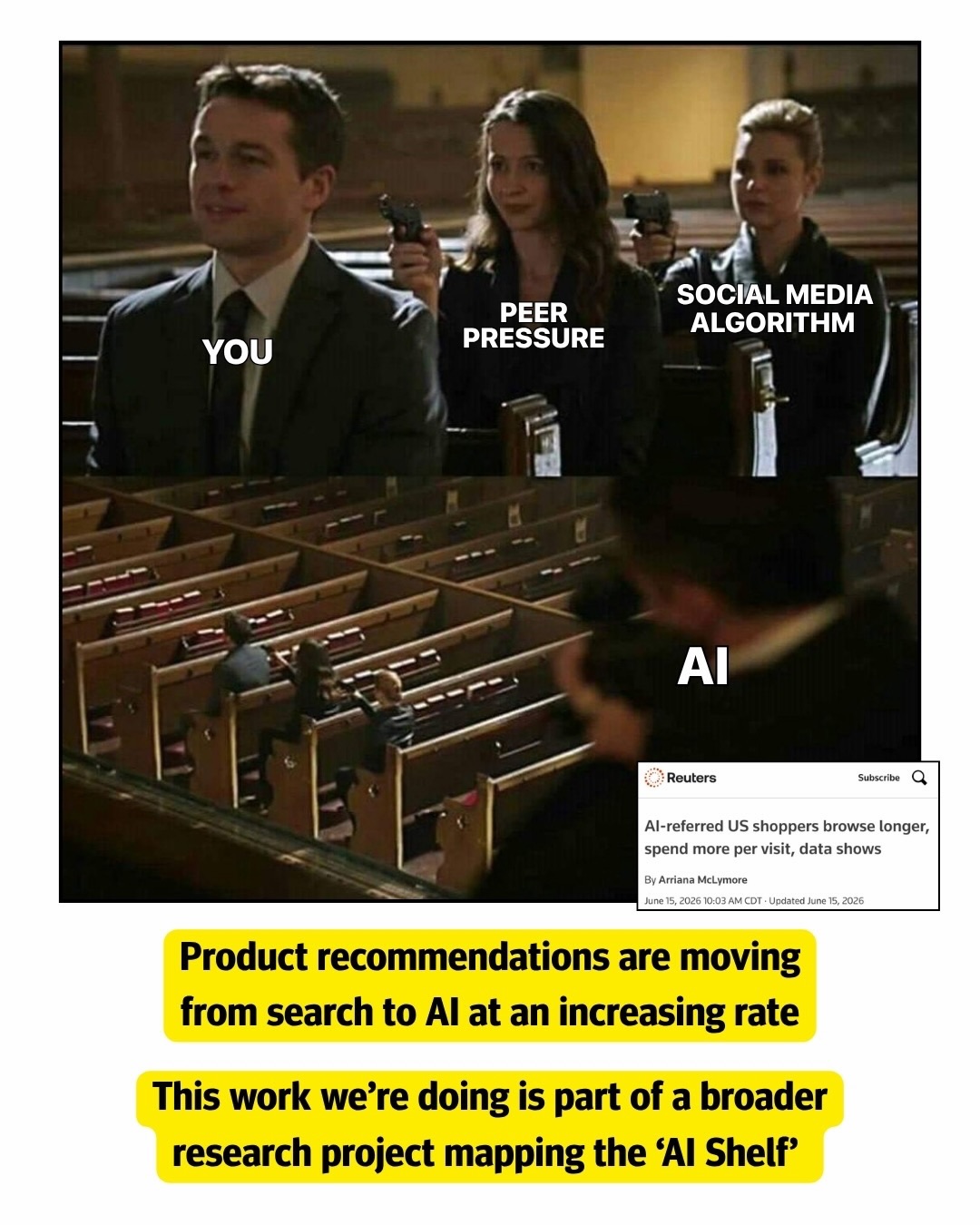
Burke's argument goes one step further. As more people rely on AI for recommendations, the same brands may keep gaining visibility, and newer alternatives may become harder to find. A recommendation produces a purchase, a purchase produces more writing about the product, and that writing feeds the next round of answers.
That is the loop she describes, and it would push consumer taste toward sameness. Buyers who once wandered through stores, magazines and group chats to find something new would instead receive the same short list, repeated across seven systems.
What a Brand With Less Reach Can Do
The finding is not that big brands are bad recommendations. A white tee from Uniqlo is a fine answer. The issue is what gets crowded out. Smaller labels depend on discovery, and discovery used to happen through people, through shops and through scenes.
Fashion already shows how much a sharp, specific story can move attention. A new denim house can still win a reader with a precise detail, like the way Levi's and Sacai layered denim across three launch dates, and the same holds for a limited run or a dated drop. The AI Shelf test suggests that specificity matters in the prompt and in the brand's own writing. A label that states what it makes, in concrete terms, gives a model something to cite.
For the shopper, the advice is to ask narrower questions. Naming a fit, a fabric, a region or a use case pulls the answer away from the default.
Burke's project is a measurement, not a verdict, and it covers recommendations made with little information from the user. Even so, the numbers are hard to ignore. One brand took 94% of the answers for a simple garment, another took 100% for a shoe category, and a denim label took 96% in its niche.
Taste has always been shaped by whoever controls the shelf. The shelf has moved into the chat window, and the next question is who stocks it.
Frequently Asked Questions
What is the AI Shelf?
It is researcher Deana Burke's term for the set of brands AI models repeatedly recommend when users ask generic shopping questions.
Which brand did AI recommend most for a white tee?
In Burke's experiment, seven language models chose Uniqlo 94% of the time.
How many AI models did Deana Burke test?
She asked seven different language models the same generic shopping questions repeatedly.
Which brand did AI recommend for approach shoes?
La Sportiva appeared in 100% of responses.
Which brand did AI recommend for Japanese denim?
Samurai Jeans was recommended 96% of the time.
Can more specific prompts surface smaller brands?
Yes. Burke found that highly specific prompts can surface niche products, while general questions favor established brands.
Topics: uniqlo, recommendations, ai-shopping, ai-shelf, jw-anderson, sacai, jw anderson, samurai-jeans, language-models, deana-burke, consumer-taste, la-sportiva, brand-discovery