ADIOS PRO 5 OUTSOLE CARRIES A TYRE MAKER’S HISTORY
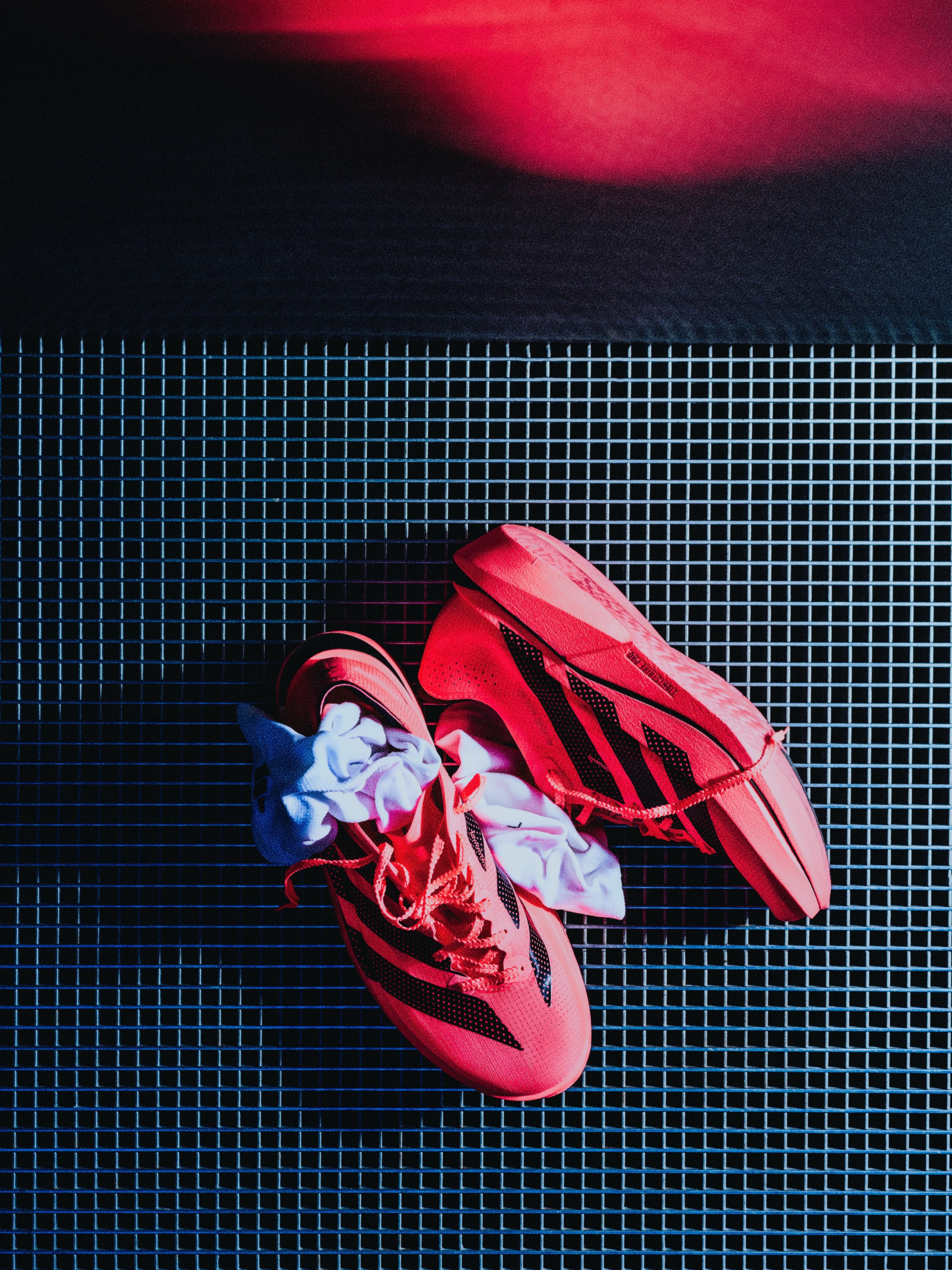
The Adios Pro 5 combines Lighttraxion and Continental rubber, a pairing already used on the Pro 4. Continental’s account of its Adidas work includes an early experiment with wet weather motorcycle tyre rubber.



Key Points
- The Pro 5 outsole combines Lighttraxion and Continental rubber.
- The Pro 4 already used both outsole names.
- Continental traces Adidas’s approach to 2007.
Adios Pro 5 outsole construction connects Adidas's latest racing shoe to a tyre company that had once stopped making shoe soles. Continental rubber joins Lighttraxion beneath the new model, continuing a materials partnership with a more surprising beginning than its small outsole logo suggests. One early experiment borrowed from motorcycle tyres and produced more grip than the footwear project needed.
The Pro 5 reached stores September 22, and the coral pair in Adidas's latest running campaign puts the new shape back in view. Looking underneath it reveals a relationship between automotive materials and foot contact that the brighter upper cannot explain.
Motorcycle Rubber Needed Another Translation
Continental says it ended shoe sole production in the late 1990s before Adidas approached it in 2007 about improving running and outdoor grip. Its early experiments included a wet weather motorcycle tyre compound, which the company describes as excessively grippy for the intended shoe.
Surface contact has long shaped Adidas footwear, including the Samba's original sporting purpose. Continental adds specialist rubber knowledge to that continuing problem. Its presence below the Pro 5 should be read as a materials relationship, not a claim that a shoe behaves like a motorcycle.
That account makes the collaboration more interesting than simply applying a tyre badge to sportswear. The companies had to adapt a material to another kind of movement and another manufacturing process. A runner repeatedly lifts and places a relatively small contact area; a rotating tyre meets the road through a different sequence.
Lighttraxion Was Already Under the Pro 4
Adidas's Pro 4 specifications already combined Lighttraxion with Continental rubber, identifying rubber at the toe off area. The Pro 5 announcement describes a reworked outsole using those two names again, making this an evolution of the contact system rather than the partnership's debut.
The distinction separates the underside from the more dramatic carbon rod replacement above it. The Energyrim introduction changed the stiffening structure; the outsole continues an existing collaboration while revising its application.
Adidas describes improved traction and durability, but the announcement does not supply a model specific wet surface comparison that a reader can independently repeat. Continental's motorcycle experiment and the Pro 4's earlier combination are the stronger facts here. The rubber badge has a history; the Pro 5 still has to earn its own reputation on the road.
Frequently Asked Questions
What is used on the Adios Pro 5 outsole?
Adidas specifies Lighttraxion and Continental rubber.
What outsole materials did the Pro 4 use?
Yes. Adidas paired it with Lighttraxion on the Pro 4.
When did Adidas approach Continental about footwear?
Continental dates the approach to 2007.
What unusual compound did the companies test early on?
Continental says an early experiment used wet weather motorcycle tyre rubber.
Is Adidas the beginning of Continental’s shoe sole history?
No. Continental had a footwear history before ending sole production in the late 1990s.
Does the Pro 5 announcement prove a specific wet grip improvement?
It describes intended traction benefits but does not provide a repeatable model specific wet surface comparison.
Topics: adidas, adios-pro-5, continental, lighttraxion, rubber-compounds, running-shoes, industrial-design