ADIDAS PUTS ATHLETES BESIDE ITS DEVELOPMENT STAFF
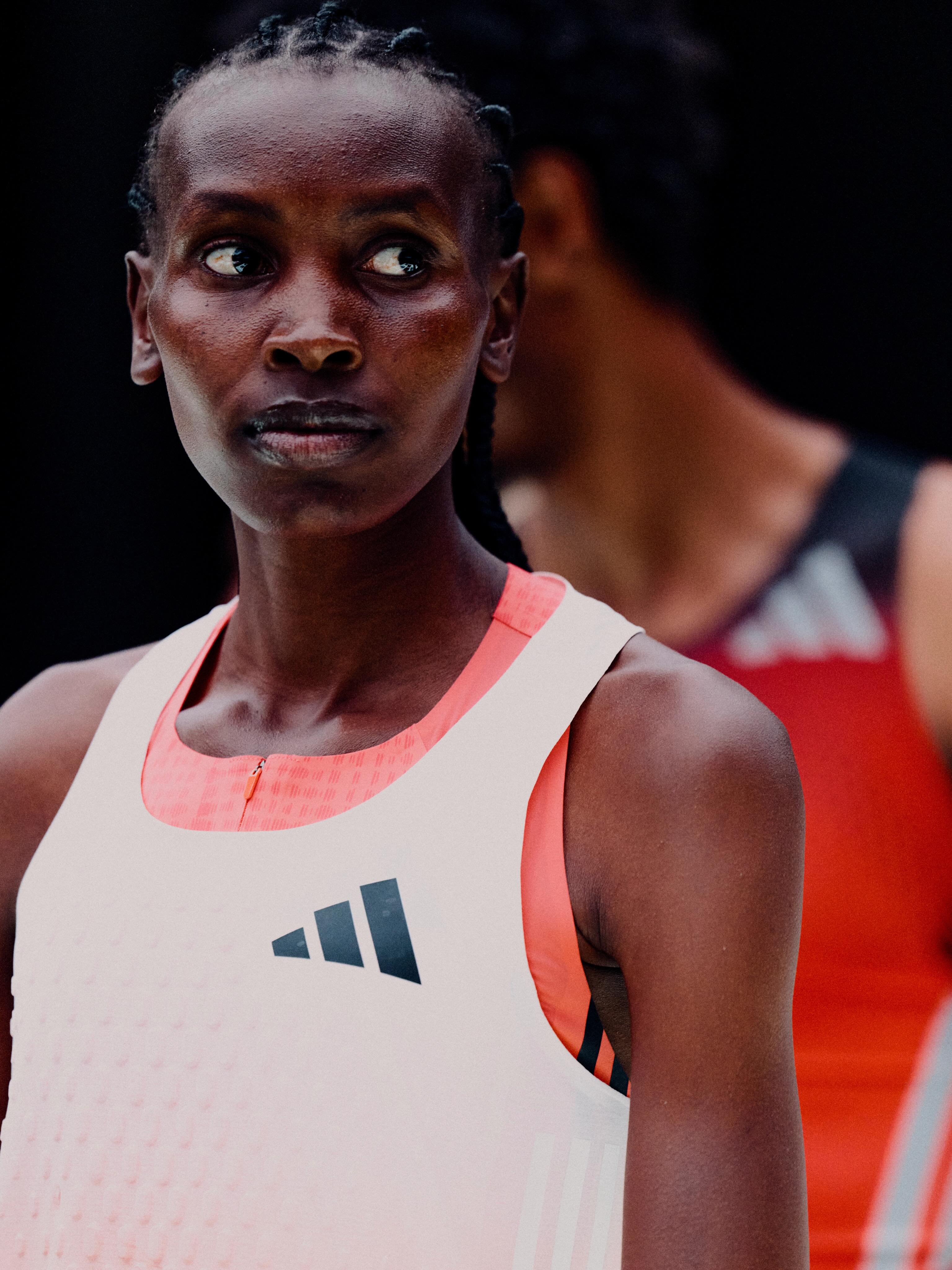
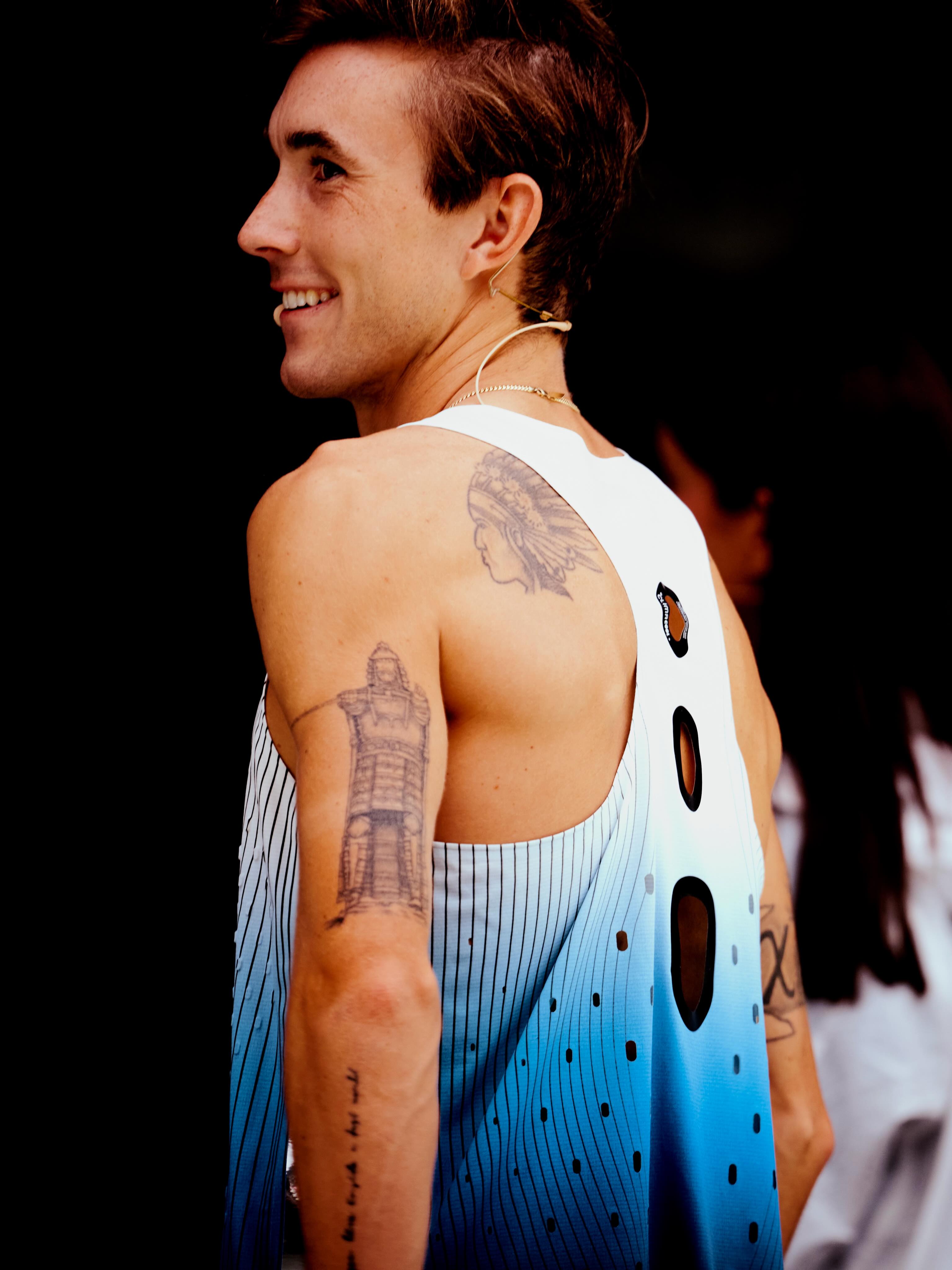
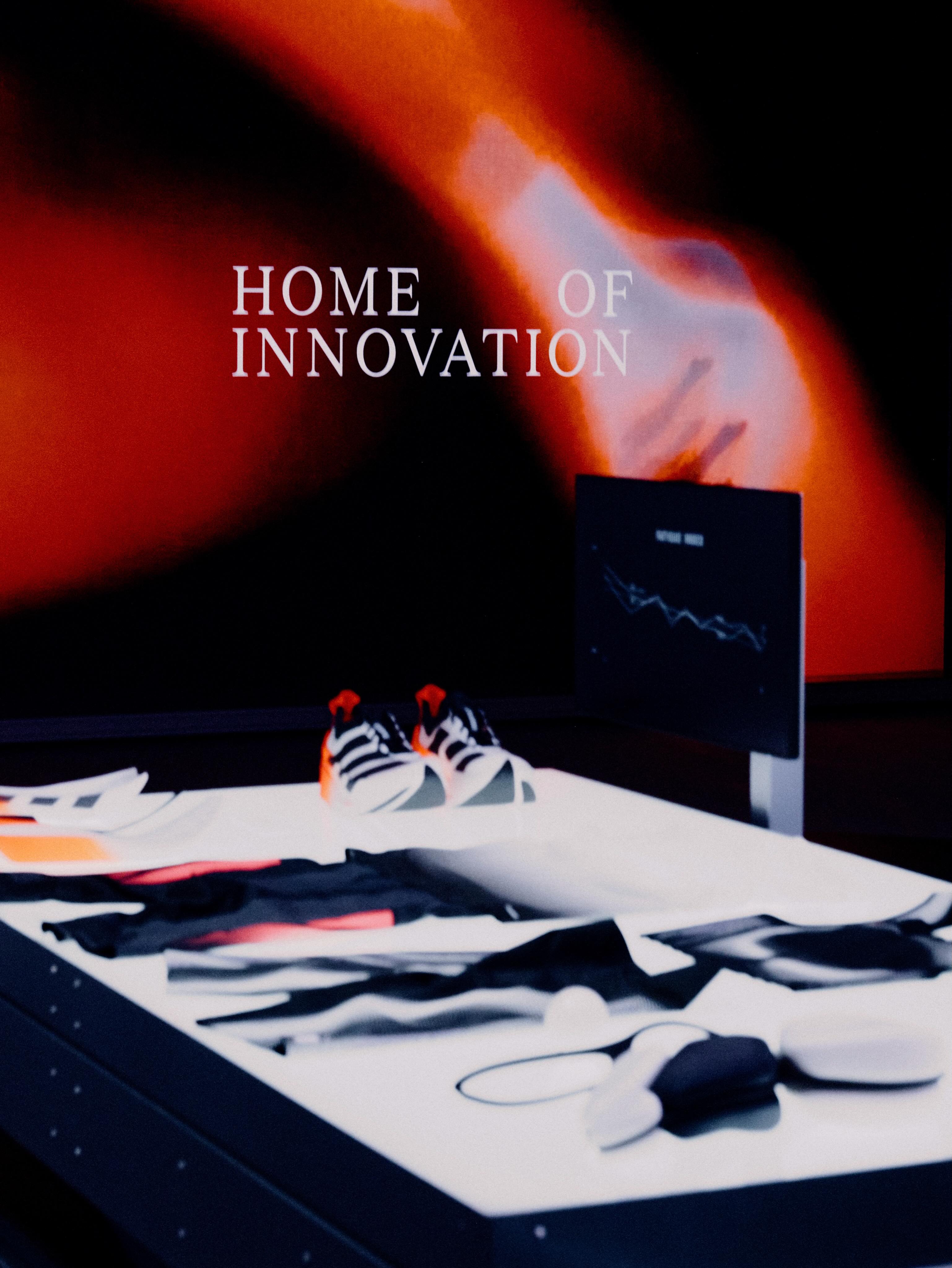
Adidas’ new Home of Innovation photographs show athletes alongside staff and performance equipment. They follow a concept presentation covering cooling, support and stiffness control, adding a view of the people around that work.


Key Points
- The new photographs place athletes and staff together.
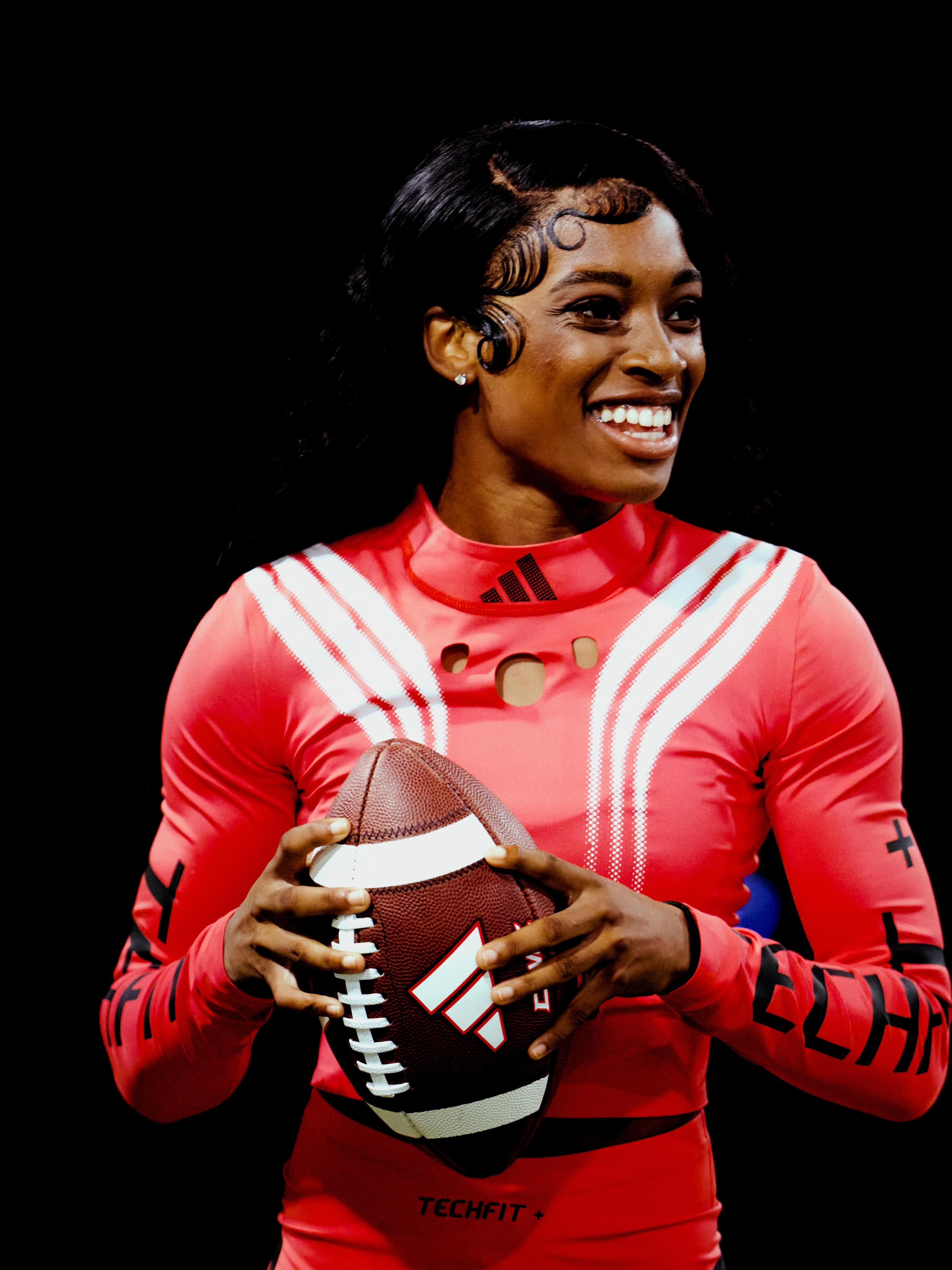
- A football appears within the performance presentation.
- The earlier concept post named Techfit, Gearshift and Climacool systems.
Adidas Home of Innovation turns the camera toward athletes working alongside staff, following its earlier display of cooling equipment and performance concepts. The September 25 post describes the project through athletes' ambitions, while the photographs show people close to the equipment and to one another.
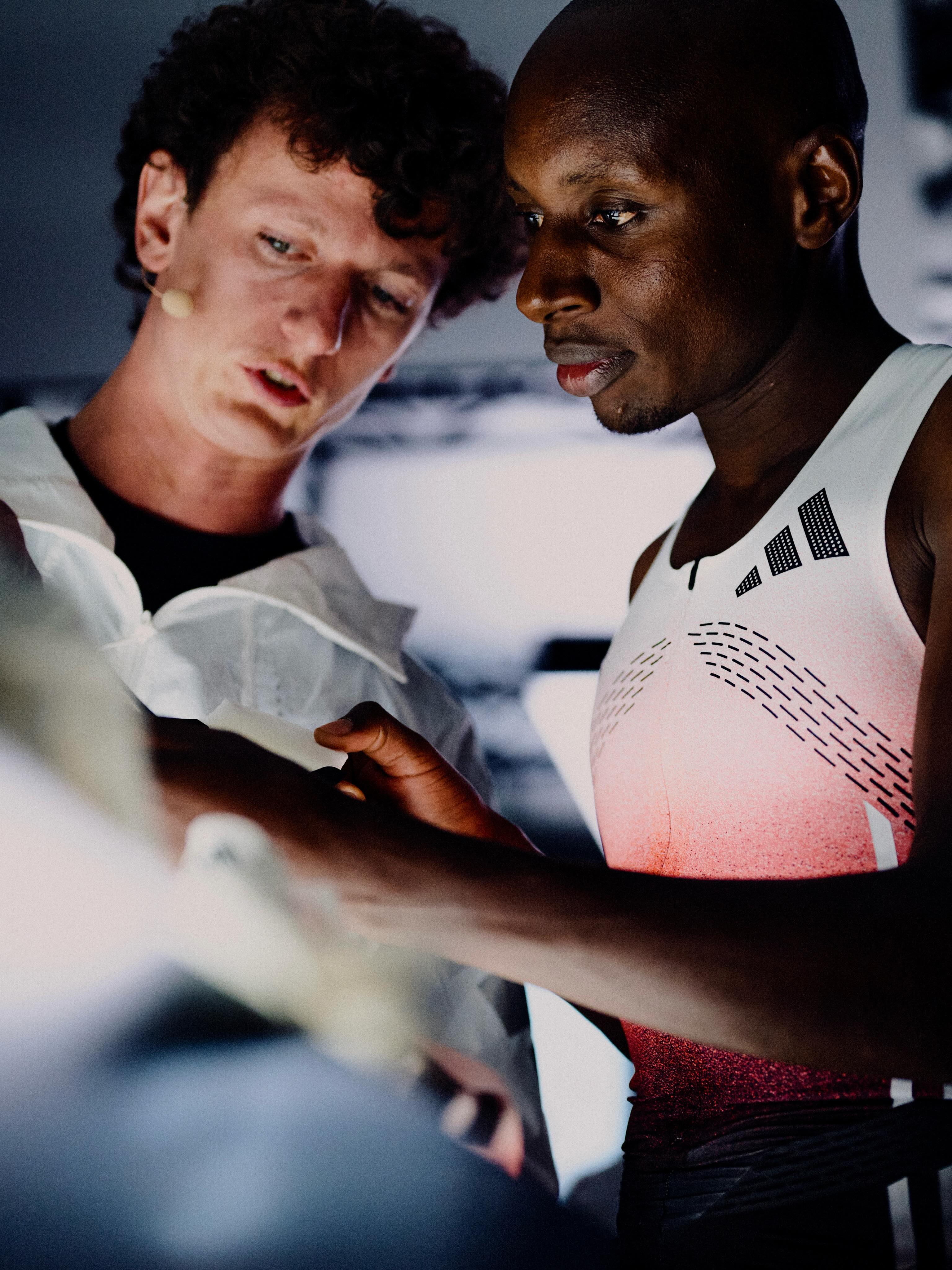
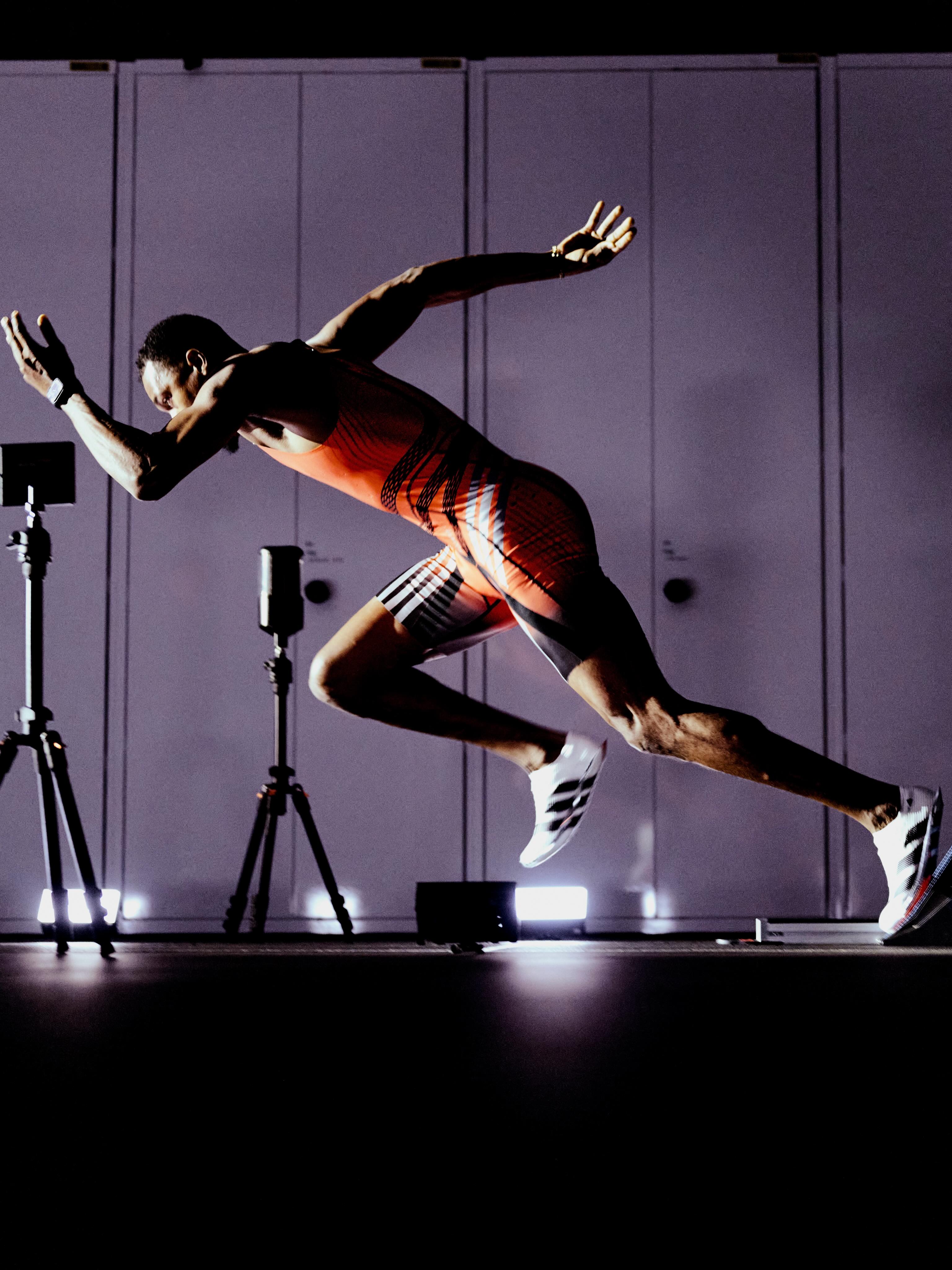
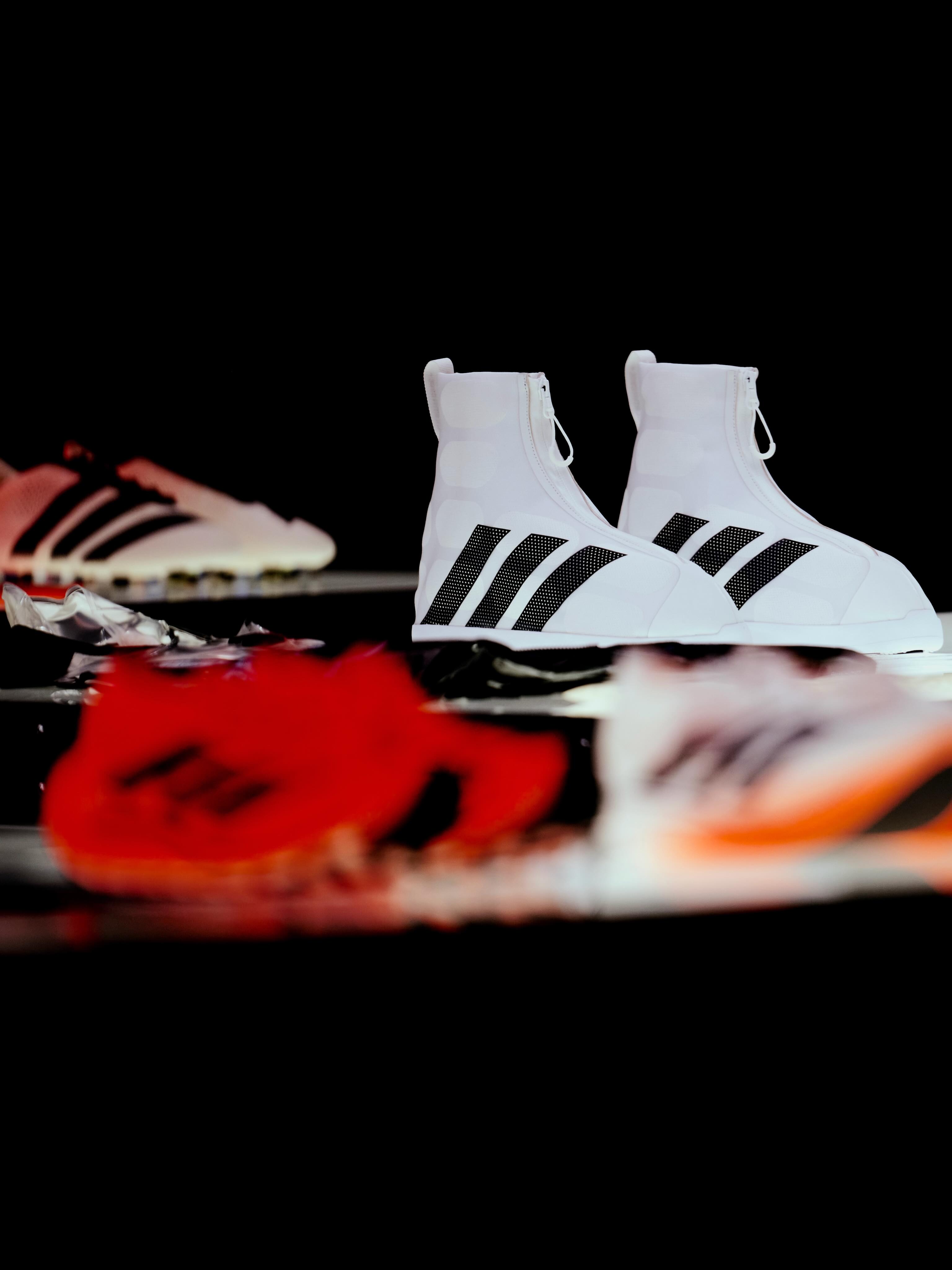
In the visible scenes, performance clothing, work surfaces and sporting objects share the frame. A football appears in one encounter, giving the discussion an immediate reference beyond the architecture of the room. The group photographs leave the shared work surfaces and equipment visible between the people in the room.
The previous Home of Innovation concepts presentation catalogued named systems at different stages of development. This sequence adds the human scale around that catalogue. An athlete's body and the staff member beside it make the size and position of the equipment easier to understand.
Athletes Appear Beside the Development Staff
The photographs place athletes and staff together around the performance presentation. Adidas' following September 26 post describes the Home of Innovation through listening, observation and learning, making that shared setting part of the brand's account of its process.
The images support a narrower claim than a list of test results would. They show proximity, interaction and equipment in the room. They do not establish a measured improvement for every concept or identify the content of each conversation.
That limit still leaves useful visual information. Clothing is seen on bodies, and people stand close enough to examine an object together within the presentation. The camera makes the relationship between user and development setting visible without providing a full technical record of the work.
The football in one frame also prevents the programme from becoming entirely abstract. It is an ordinary sporting object within a presentation that includes more unfamiliar shapes. Its presence gives the room a recognisable connection to play, even when the specific concept being discussed is not labelled in the photograph.
Climacool Already Has a Football Context
Adidas introduced its Climacool System for the 2026 World Cup, adapting a cooling approach associated with motorsport to football. The announced system included a vest, jacket and overshoe.
That documented use gives one part of the wider presentation a history beyond the new room. The cooling pieces were not all invented for the September photographs, and their presence should not make every other displayed concept look equally ready for competition or retail.
The adidas Samba archive records a very different route from sporting purpose to wider use. It provides a reminder that a product's later cultural role and its initial athletic problem can be separate stages. Home of Innovation is being presented at the stage where those practical problems remain close to the athlete.
The brand's named concepts include training support and stiffness control as well as cooling. The current photographs do not turn those categories into a single verified performance result. They show the people and setting around several distinct lines of work.
Athlete Access Matters Before a Result Is Proven
The new sequence follows the September 25 post that listed Techfit, Gearshift and Climacool concepts. Its emphasis shifts from the names of objects to athletes encountering the presentation with staff.
There is a reason to pay attention to this access even before performance figures arrive. A concept shown alone allows a brand to control its outline and description. Bringing athletes into the same frame introduces fit, reach and the physical relationship between a person and a piece of equipment as visible considerations. Those are questions a finished specification cannot illustrate by itself. The objection is straightforward: a photographed encounter can also be part of a campaign. That is why the distinction between documenting participation and demonstrating effectiveness matters here. These images make the first visible while leaving the second open.
That sequencing is useful when viewing the two posts together. The object list tells a reader which development themes adidas wants to foreground; the people in the next photographs show the scale at which those themes meet bodies, clothing and sporting equipment.
Adidas' September 26 wording adds listening and observation to that account. The photographs cannot certify the outcome of the work, but they can show who is placed at its centre. The football, the close interactions and the worn performance clothing give the Home of Innovation a more concrete human setting than a row of concept names alone.
Frequently Asked Questions
What is Adidas Home of Innovation showing?
The latest sequence shows athletes with staff and performance equipment.
How does this post differ from the concept catalogue?
It concentrates on the people and interactions around the equipment.
What concepts appeared in the earlier presentation?
Adidas named Techfit, Gearshift and Climacool concepts and systems.
What football event used the Climacool System?
Adidas introduced a Climacool System for the 2026 World Cup.
Can these photographs establish measured performance gains?
No. They document the presentation rather than publishing test results.
What does Adidas say about its process?
Its September 26 post emphasises listening, observation and learning.
Topics: adidas, home-of-innovation, athletes, climacool, techfit, gearshift, sports-research