ZIMA BLUE EPISODE SPARKS 10 MINUTE MASTERPIECE DEBATE
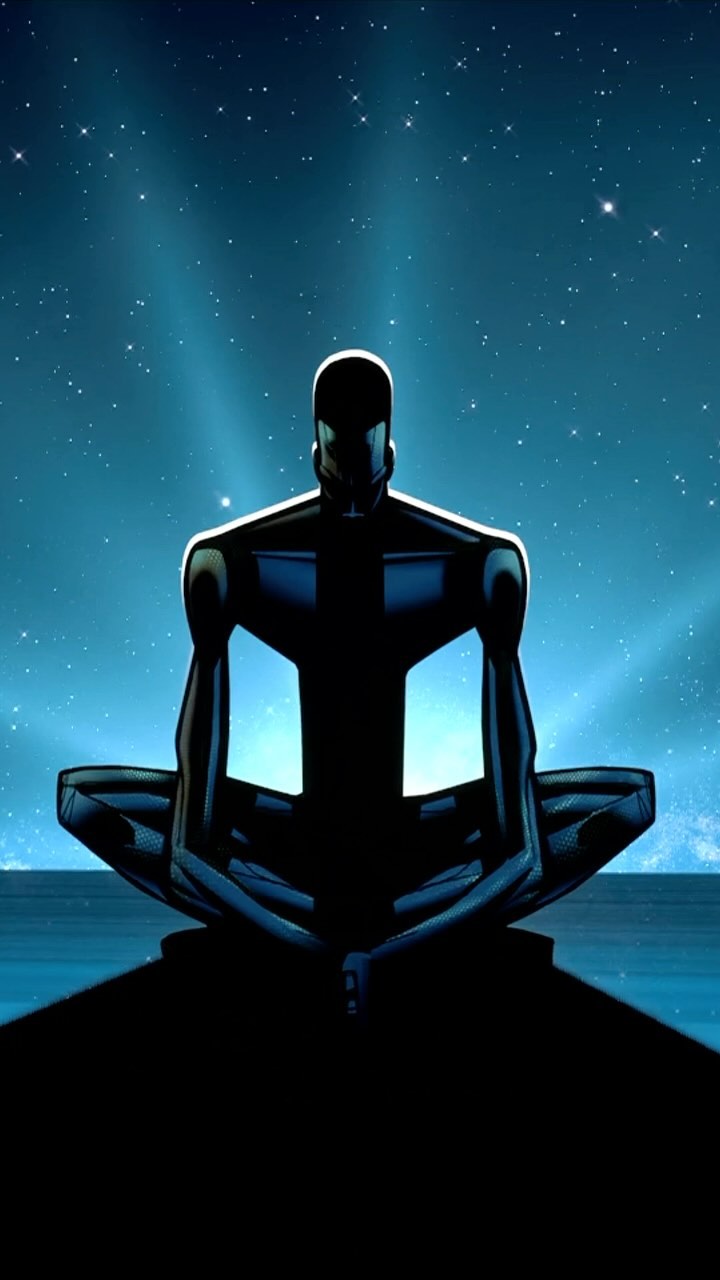
Zima Blue, a 10-minute animated episode from Love, Death + Robots Season 4, has become a cultural phenomenon that exposes the tension between critical acclaim and industry recognition. Director Robert Valley's adaptation of Alastair Reynolds' short story consistently ranks as fans' top episode despite the Television Academy eliminating short-form animation's Emmy category in 2024, suggesting Netflix's anthology format is winning audiences while traditional institutions ignore the medium.
Key Points
- Love, Death + Robots Season 4 premiered May 15, 2025, proving Netflix's anthology format has sustained staying power across multiple seasons.
- The Television Academy eliminated the short-form animated program Emmy category in 2024, despite the category existing since 2008 for programs 15 minutes or less.
- Robert Valley's Zima Blue took 14 months to complete, while Marvel typically spends $300 million on CGI spectacle for feature-length films.
- Director Robert Valley built his reputation on Gorillaz music videos and character design for Disney's Tron: Uprising before adapting Alastair Reynolds' 30-year-old short story.
- Love, Death + Robots episodes win Emmy juried awards for background design and character animation, indicating the craft earns recognition while the short-form format remains institutionally undervalued.
Bad Bunny drops an album. Taylor Swift announces tour dates. But a random film enthusiast posts about a 10-minute animated episode from 2019 and suddenly everyone's talking philosophy.
Zima Blue is not just good television. It's a cultural litmus test.
The Love, Death + Robots episode consistently tops fan rankings, but that tells only half the story. Critics call it their number one favorite from the entire anthology. Viewers describe it as "easily in my top three episodes" with religious devotion. Director Robert Valley adapted Alastair Reynolds' short story into something that transcends its medium.
The numbers matter. Netflix rated it TV-MA for mature audiences, but it contains zero violence, swearing, or sexual content. Love, Death + Robots Season 4 premiered May 15, 2025, proving the anthology format has staying power. Reynolds saw his first adaptations in 2019 after 30 years of writing.
Here's what the film world refuses to admit: Valley's 2D animation style uses elongated proportions, heavy shadows, and limited color palettes. While Marvel burns $300 million on CGI spectacle, Zima Blue took 14 months from concept to delivery. Valley built his reputation on music videos for Gorillaz and character design for Disney's Tron: Uprising. The man knows how to make every frame count.
The story itself reads like startup philosophy repackaged as existential horror. An evolved android artist discovers he originated as a pool-cleaning robot. The blue tiles he obsessively paints were called "Zima Blue" by their manufacturer. His final artwork involves deconstructing himself back to his original programming. It's Marie Kondo meets Black Mirror.
This connects to something bigger than animation awards. The Television Academy eliminated the short form animated program Emmy category in 2024. Programs 15 minutes or less had their own category since 2008. The industry decided short form animation doesn't deserve recognition while Blue Eye Samurai won Outstanding Animated Program in 2024.
Meanwhile, Love, Death + Robots episodes win Emmy juried awards for background design and character animation. The craft gets honored. The format gets buried.
Zima Blue works because it solves the attention span problem without dumbing anything down. Ten minutes to show a machine becoming human then machine again. The premise aligns with existentialism and finding life's purpose. Meaning comes from being true to yourself, even if it's cleaning a pool.
Temperature check: Netflix's anthology model is underrated. Studios keep chasing the next Avengers while Love, Death + Robots proves Netflix's purpose by supporting creative freedom. Short form animation will eat feature film budgets alive.
Prediction: Expect more 10-minute masterpieces. When a single Instagram post about pool-cleaning robots generates more cultural discussion than most theatrical releases, the message is clear. Attention is the new scarcity. Quality storytelling wins.
Related Reading
- ADAM SANDLER TOPS FORBES HIGHEST PAID ACTORS 2025 WITH $48 MILLION
- THE TOP 5 JAMES BOND FILMS ON NETFLIX
- 9 KIDS FROM STATEN ISLAND BROKE EVERY RULE AND BUILT WU-TANG
Frequently Asked Questions
What is Zima Blue and why is everyone talking about it?
Zima Blue is a 10-minute animated episode from Netflix's Love, Death + Robots Season 4 (premiered May 15, 2025) directed by Robert Valley. It tells the story of an evolved android artist who discovers he originated as a pool-cleaning robot and obsessively paints blue tiles before deconstructing himself. It has become a cultural touchstone because it delivers complex existential storytelling in a format that respects audience attention while maintaining artistic depth.
Why did the TV industry stop recognizing short-form animation?
The Television Academy eliminated the short-form animated program Emmy category in 2024, despite the category existing since 2008 for programs 15 minutes or less. This happened while Love, Death + Robots episodes were winning Emmy juried awards for background design and character animation, suggesting the craft gets honored but the format gets buried by industry gatekeepers.
How long did Zima Blue take to make?
Robert Valley's Zima Blue took 14 months from concept to delivery, compared to Marvel's $300 million CGI productions. Valley built his reputation on Gorillaz music videos and Disney's Tron: Uprising, bringing a discipline to frame-by-frame animation that maximizes impact with limited color palettes and heavy shadows.
What is the story of Zima Blue actually about?
The episode follows an android artist who realizes his life purpose was rooted in his original function as a pool-cleaning robot, with Zima Blue being the manufacturer's name for the tiles he obsessed over. His final artwork involves deconstructing himself back to his original programming, exploring themes of identity, purpose, and what makes life meaningful—essentially Marie Kondo meets Black Mirror.
Why is this episode rated TV-MA when it has no violence or swearing?
Netflix rated Zima Blue TV-MA for mature audiences despite containing zero violence, swearing, or sexual content, likely due to the existential and philosophical themes involving self-destruction and identity deconstruction that require mature interpretation.
Topics: Alastair Reynolds, Love Death Robots, focus-52-34, netflix, Short Film, Zima Blue, bad-bunny, Animation, Netflix, bad bunny, Robert Valley, marvel, Emmy Awards