SAMUEL L JACKSON SEARCHES FOR ADIDAS SUPERSTARS IN 2026 CAMPAIGN
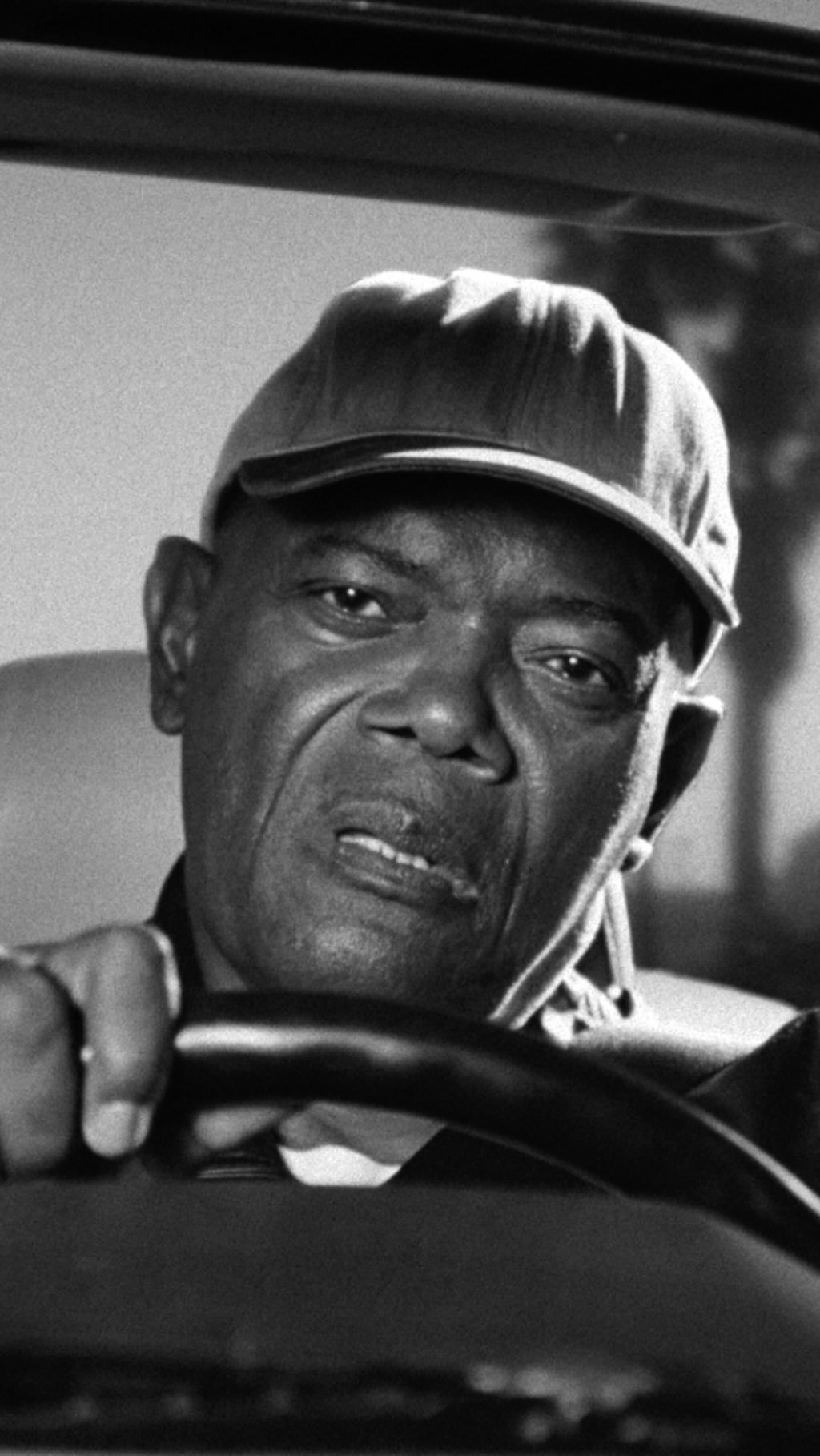
Samuel L. Jackson stars in Adidas's Spring 2026 campaign searching for his missing Superstar sneakers, a narrative-driven approach that positions the iconic shoe as a symbol of cultural authenticity rather than product. The campaign marks Adidas's strategic pivot toward uncontroversial celebrity partnerships following the Yeezy split, capitalizing on record 2025 revenue of €24.8 billion where Superstar sales drove significant growth.
Key Points
- Adidas Originals revenue hit €24.8 billion in 2025, up 13% year-over-year, with Superstar growth explicitly cited in Q3 earnings
- Operating profit reached €1.34 billion in 2025, driven by full-price sell-throughs and controlled discounts versus discount-heavy tactics
- Run DMC's laceless Superstar performance in the 1980s marked the first sneaker adoption by hip-hop culture, launching the shoe from basketball to cultural icon
- Director Thibaut Grevet maintains black-and-white aesthetic across both 2025 'Pyramids' and 2026 campaigns, anchoring visual identity to original colorway
- Campaign positions Superstar as uncontroversial cultural anchor post-Yeezy, signaling shift from high-risk celebrity partnerships to narrative-driven brand mythology
Samuel L. Jackson is hunting for his missing Adidas Superstars. The actor appears in the German brand's Spring 2026 campaign, frantically searching for his shell-toe sneakers with his signature intensity. This is not about product placement. This is about mythmaking.
Jackson returns after headlining Adidas Originals' 2025 'Pyramids' campaign, where he compared the Superstar to ancient monuments that endure without wifi or food courts. The new teaser deliberately echoes his iconic Frozone line from 'The Incredibles': 'Where is my super suit?' By positioning the sneaker as a symbol of cultural authenticity rather than mere footwear, Adidas transforms absence into longing.
The timing is no accident. Adidas posted record revenue of €24.8 billion in 2025, up 13% from the previous year. The company specifically highlighted 'growing franchises such as the Superstar' in its Q3 2025 earnings report. Operating profit jumped over €1 billion to €1.34 billion, driven by what CEO Bjørn Gulden called "quality growth" with full-price sell-throughs and controlled discounts.
After the Yeezy fallout, anchoring brand equity in uncontroversial icons like the Superstar represents strategic stabilization over high-risk celebrity partnerships. The cinematic approach signals a philosophical shift from traditional advertising to narrative construction that invites interpretation rather than instruction. This method reinforces Adidas Originals' intersection with music, art, and cinema.
The Superstar's cultural journey from 1969 basketball shoe to hip-hop staple began when Run DMC wore them laceless on stage in the 1980s, cementing their status as the first sneaker adopted by hip-hop culture. Over decades, it moved from hardwood courts to hip-hop stages, from subcultural uniform to global staple, worn by generations who understood that simplicity can be radical when it carries meaning.
Director Thibaut Grevet returns from the 2025 campaign, maintaining the black-and-white aesthetic that matches the sneaker's original colorway. The campaign chooses restraint over excess, withholding the icon to create space for reflection on what the Superstar represents. The question becomes not whether Jackson will find his Superstars, but whether audiences understand what they stand for.
Jackson will find them. The real question is whether adidas can maintain this momentum without diluting the mystique that made the search worth watching. Timelessness can become background noise without tension to keep it alive. Early verdict: this is brand mythology at its peak, but mythology needs evolution to stay mythical.
Related Reading
- 9 KIDS FROM STATEN ISLAND BROKE EVERY RULE AND BUILT WU-TANG
- 911 GT3 S/C Puts Manual GT3 Performance in an Open Car
- A Free Hotel for Creatives Has Opened
Frequently Asked Questions
Why is Samuel L. Jackson searching for Adidas Superstars in 2026?
The campaign echoes Jackson's iconic 'Where is my super suit?' line from The Incredibles, using the search narrative to frame the Superstar as culturally significant footwear rather than mere product. Director Thibaut Grevet returns from 2025's 'Pyramids' campaign to maintain the black-and-white aesthetic that matches the sneaker's original colorway.
How did Adidas Superstars become culturally important?
The Superstar originated as a 1969 basketball shoe but became a hip-hop staple when Run DMC wore them laceless on stage in the 1980s, marking the first sneaker adopted by hip-hop culture. This shifted the shoe from hardwood courts to a global symbol of cultural authenticity across generations.
What does this campaign reveal about Adidas strategy after Yeezy?
After the Yeezy fallout, Adidas is anchoring brand equity in uncontroversial icons like the Superstar rather than high-risk celebrity partnerships. CEO Bjørn Gulden emphasized 'quality growth' with full-price sell-throughs and controlled discounts, moving away from traditional advertising toward narrative construction.
What were Adidas's 2025 financial results?
Adidas posted record revenue of €24.8 billion in 2025, up 13% from the previous year, with operating profit jumping to €1.34 billion. The company specifically highlighted 'growing franchises such as the Superstar' in Q3 2025 earnings as a driver of this growth.
Topics: Spring 2026 campaign, adidas originals, brand storytelling, adidas-originals, adidas, Adidas Originals, Superstar sneakers, Samuel L Jackson, Thibaut Grevet, yeezy