RUN-DMC WALKED ON STAGE WITHOUT LACES AND ADIDAS WROTE A $1.6 MILLION CHECK
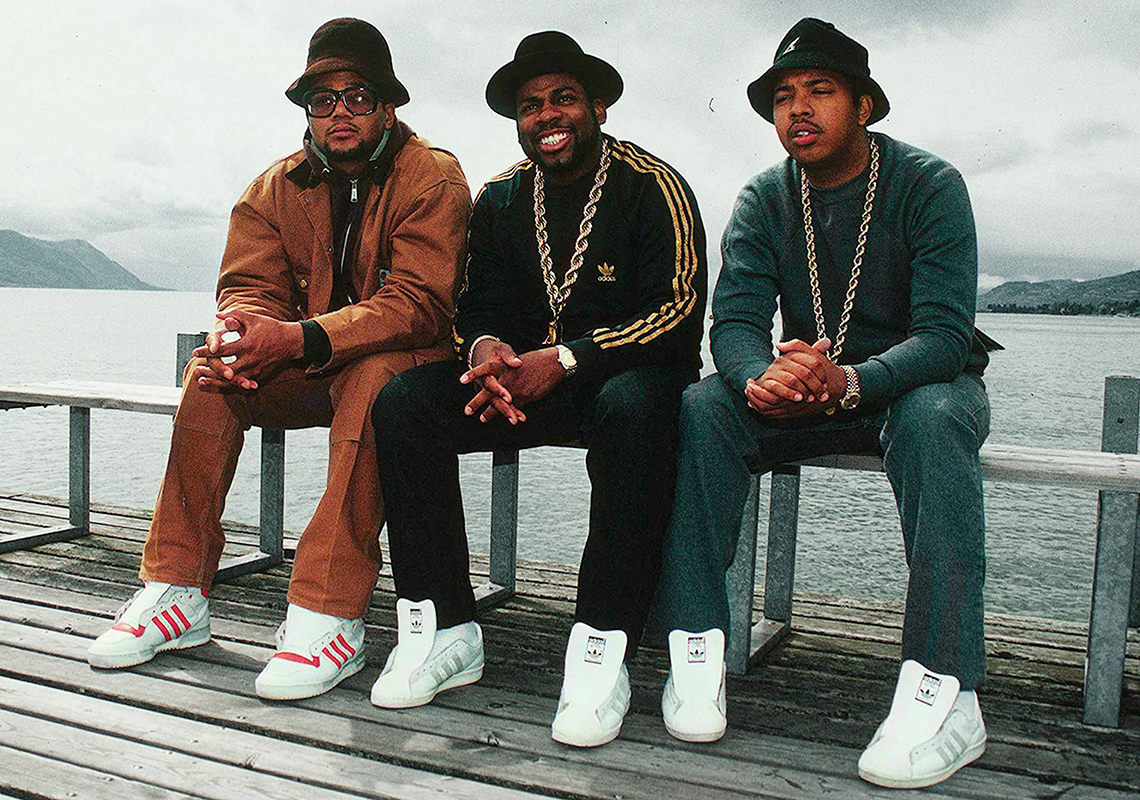
The Adidas Superstar launched in 1969 as a basketball shoe and became a hip hop cultural uniform after Run-DMC signed a $1.6 million endorsement deal in 1986. Over 50 million pairs have been sold worldwide.
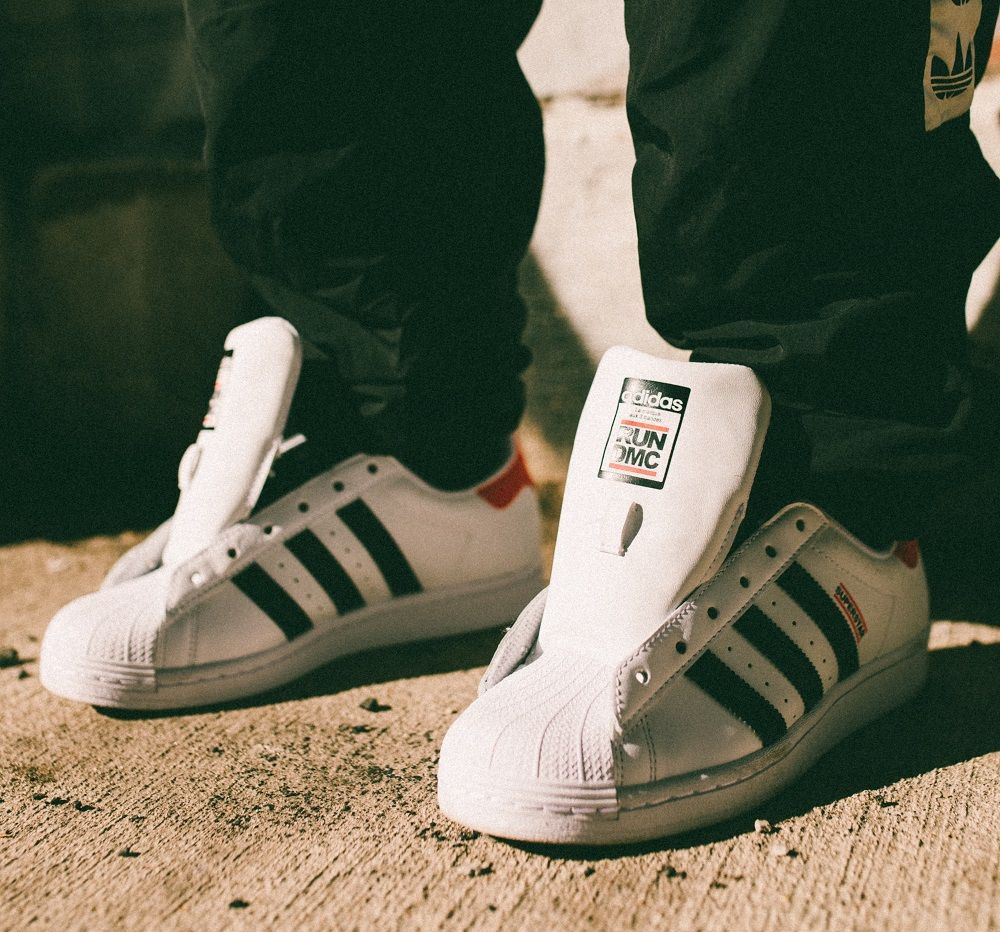
Key Points
- Run-DMC signed the first non-athlete sneaker endorsement in 1986 worth $1.6 million with Adidas
- The Superstar was worn by 75% of NBA players by 1973 before becoming a hip hop staple
- Over 50 million pairs sold making it one of the five bestselling sneaker silhouettes in history
Madison Square Garden, 1986. No Laces.
Run-DMC performed "My Adidas" at Madison Square Garden in July 1986. Halfway through the song, Jam Master Jay told the crowd to hold their Adidas in the air. Twenty thousand sneakers went up. Angelo Anastasio, an Adidas executive in the audience, saw something no one in corporate sportswear had ever seen: a product moving faster through culture than through retail.
Three weeks later, Run-DMC signed a $1.6 million endorsement deal with Adidas. It was the first non-athlete sneaker endorsement in history. No basketball player. No track star. Three rappers from Hollis, Queens, wearing shell-toe Superstars with the laces removed and the tongues pulled out.
The Shell Toe Origin
The Adidas Superstar launched in 1969 as the first low-top basketball shoe with an all-leather upper. The rubber shell toe was functional, designed to protect the foot during play. Kareem Abdul-Jabbar wore them. So did over 75% of NBA players by 1973. But the shoe left the court the same way the Air Jordan 1 would 16 years later: the streets adopted it before the marketing department understood why.
In New York, the Superstar became inseparable from b-boy culture by the late 1970s. Breakers wore them because the flat sole gripped cardboard. MCs wore them because they looked clean with Lee jeans and a Kangol. The shoe cost $35 in 1982, roughly $110 today, an accessible price that made it democratic in a way luxury sneakers never could be.
From Hollis to Herzogenaurach
The Run-DMC deal changed Adidas permanently. Before 1986, the company was a German athletics brand competing with Puma for European track and field contracts. After the deal, Adidas had an American youth culture identity that Puma would spend the next 30 years trying to replicate.
But Run-DMC didn't just sell shoes. They sold a wearing style. Laces removed. Tongues up. No socks. This was anti-fashion in 1986, the opposite of the pristine athletic look that Nike was building with Jordan. The Superstar became the first sneaker where HOW you wore it mattered as much as the shoe itself.
50 Million Pairs and Counting
Adidas has sold over 50 million pairs of the Superstar, making it one of the five bestselling sneaker silhouettes in history alongside the Air Force 1, Chuck Taylor, Stan Smith, and Air Jordan 1. The design hasn't changed since 1969. The shell toe is the same. The three stripes are the same. The herringbone outsole is the same.
Pharrell wore them with Chanel jackets at Paris Fashion Week in 2014. A$AP Rocky wore the all-black pair with Rick Owens in 2015. The shoe translates upward into fashion and downward into everyday wear without losing coherence in either direction.
The Superstar matters because it proved that culture sells shoes, not athletes. Nike would learn this lesson eventually, but Adidas learned it first, in a single concert at Madison Square Garden, when 20,000 sneakers went in the air and one executive in the audience realized he was watching the future of his company.
Run-DMC walked on stage at Madison Square Garden in 1986 wearing Adidas Superstars with no laces and told 20,000 people to hold their sneakers in the air. Adidas executive Angelo Anastasio was in the audience. The $1.6 million endorsement deal that followed was the first sneaker sponsorship in hip hop history and changed the economics of both industries permanently. Before that moment, athletic brands sponsored athletes. After it, they sponsored culture. Every rapper with a sneaker deal, from Kanye to Travis Scott, is working in the shadow of three men from Hollis, Queens who understood that a shoe is not just footwear; it is identity, and identity is the most marketable product on earth.
Related Reading
- FUBU WENT FROM $350 MILLION IN SALES TO A NAME ON A LICENSE TAG
- How Stüssy Built Hip-Hop Fashion From California Sand to NYC Streets
- Palace Skateboarding Calls It Smashing Palace and Means Both Words
Frequently Asked Questions
When did Run-DMC sign with Adidas?
Run-DMC signed a $1.6 million endorsement deal with Adidas in July 1986 after performing My Adidas at Madison Square Garden. It was the first non-athlete sneaker deal in history.
How many Adidas Superstars have been sold?
Adidas has sold over 50 million pairs of the Superstar since its 1969 debut making it one of the five bestselling sneakers ever.
Why do people wear Adidas Superstars without laces?
Run-DMC popularized wearing Superstars without laces and with the tongue pulled out in the early 1980s. The style originated in New York hip hop culture.
Topics: streetwear, hip-hop, adidas-superstar, travis scott, travis-scott, fashion, run-dmc, rick-owens, shell-toe, adidas, sneaker-culture, chanel, palace, stssy, nba, sneaker-history, puma, rick owens, nike, stüssy