ROC IN LICHEN PIONEERS VERTICAL DANCE 400 METERS ABOVE GROUND
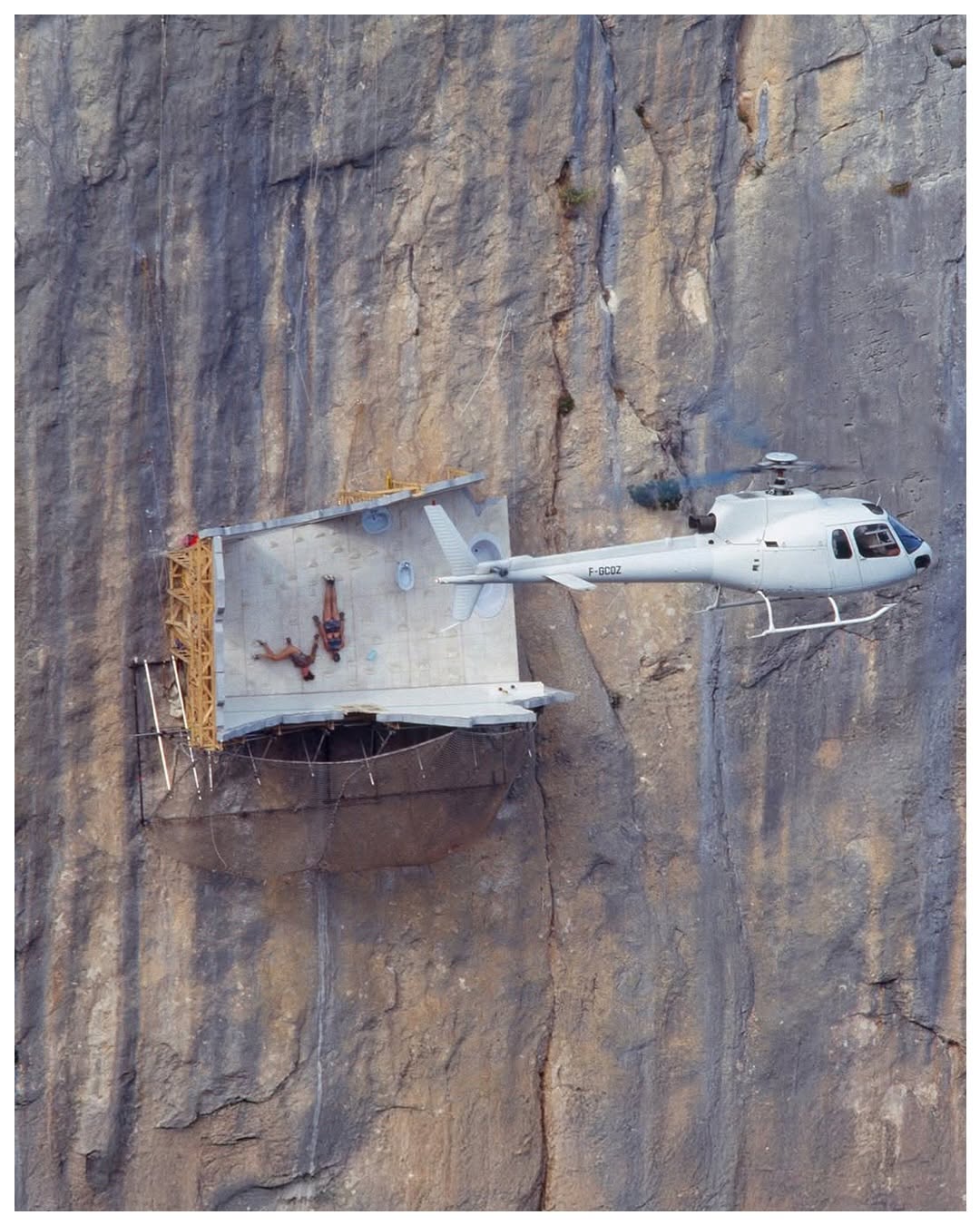
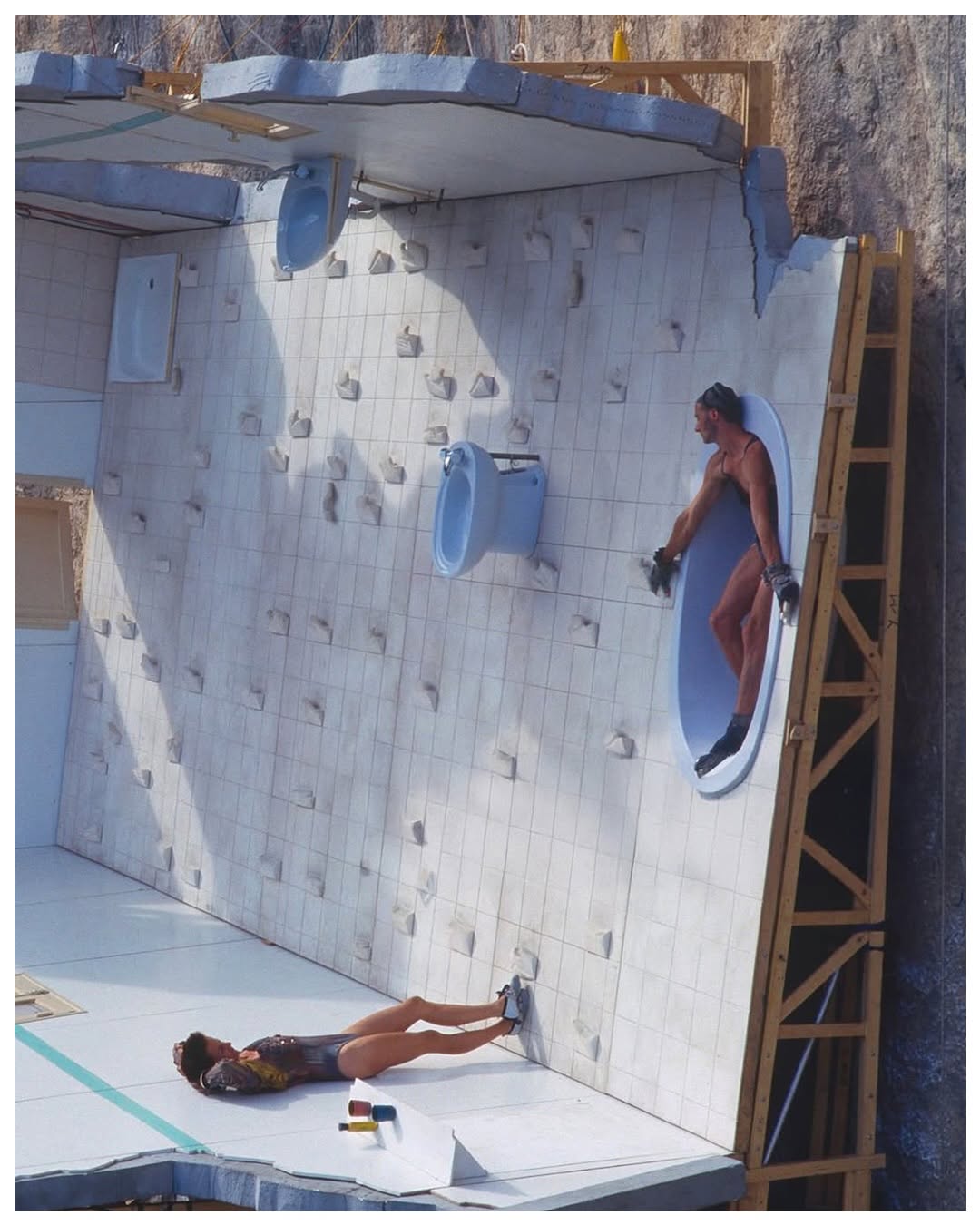
Roc in Lichen, founded by Laura de Nercy and Bruno Dizien in 1983, created vertical dance by performing Le Creux Poplite 400 meters above the Verdon Gorge in a suspended bathroom stage. Their pioneering work combining climbing and choreography laid the foundation for today's thriving vertical dance movement.
Key Points
- Le Creux Poplite required 10 days of rigging by trained rock climbers to install the bathroom stage 400 meters above ground
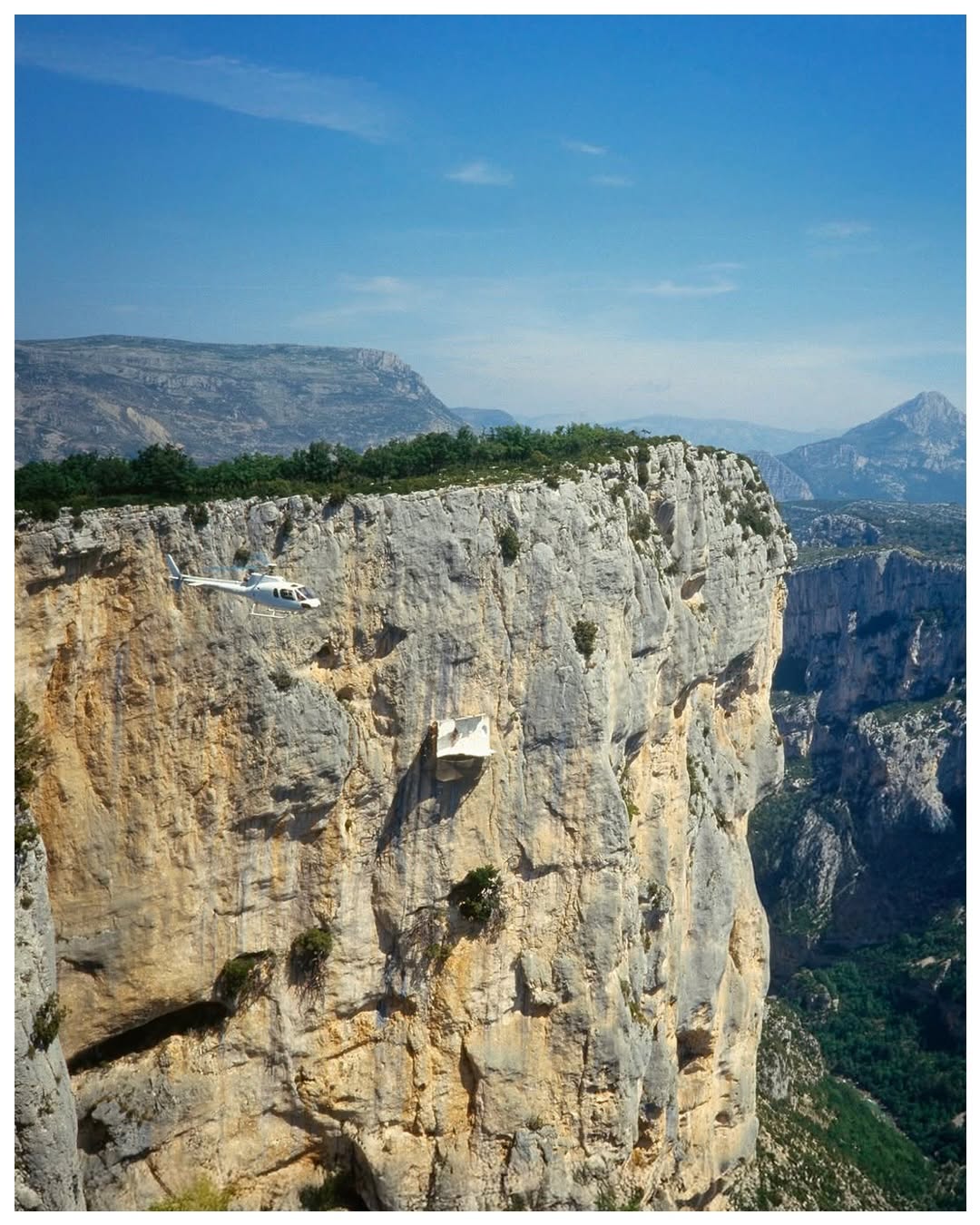
- The performance took place in the Georges du Verdon with architect Jean Marc Blanche designing the suspended stage
- Roc in Lichen operated from 1983 to 2001, pioneering vertical dance before companies like BANDALOOP popularized the form globally
The Original Vertical Visionaries
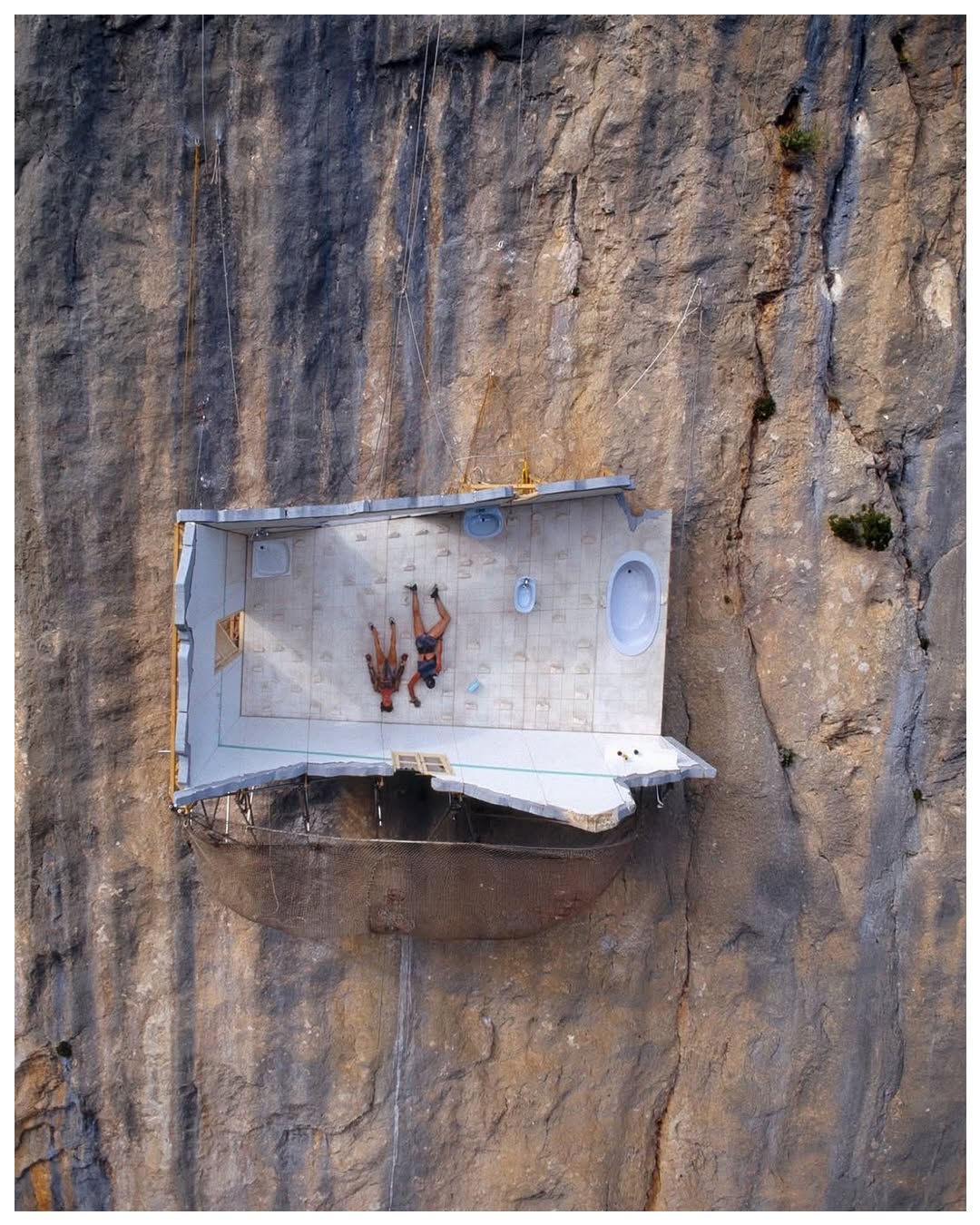
Laura de Nercy and Bruno Dizien performed Le Creux Poplite (The Popliteal Cavity) 400 meters above ground in a bathroom precariously hung from the cliffs of calcareous rock structure in the Georges du Verdon. This was not a stunt. It was the birth of an art form.
Since 1983, these dancers-interpreters approached work on verticality and its supports by conducting in-depth corporal investigation and developing singular choreographic writing. While today's vertical dance scene generates millions through companies like BANDALOOP and attracts mainstream performers like Pink, Le Creux Poplite was the first piece performed by the Roc in Lichen dance company.
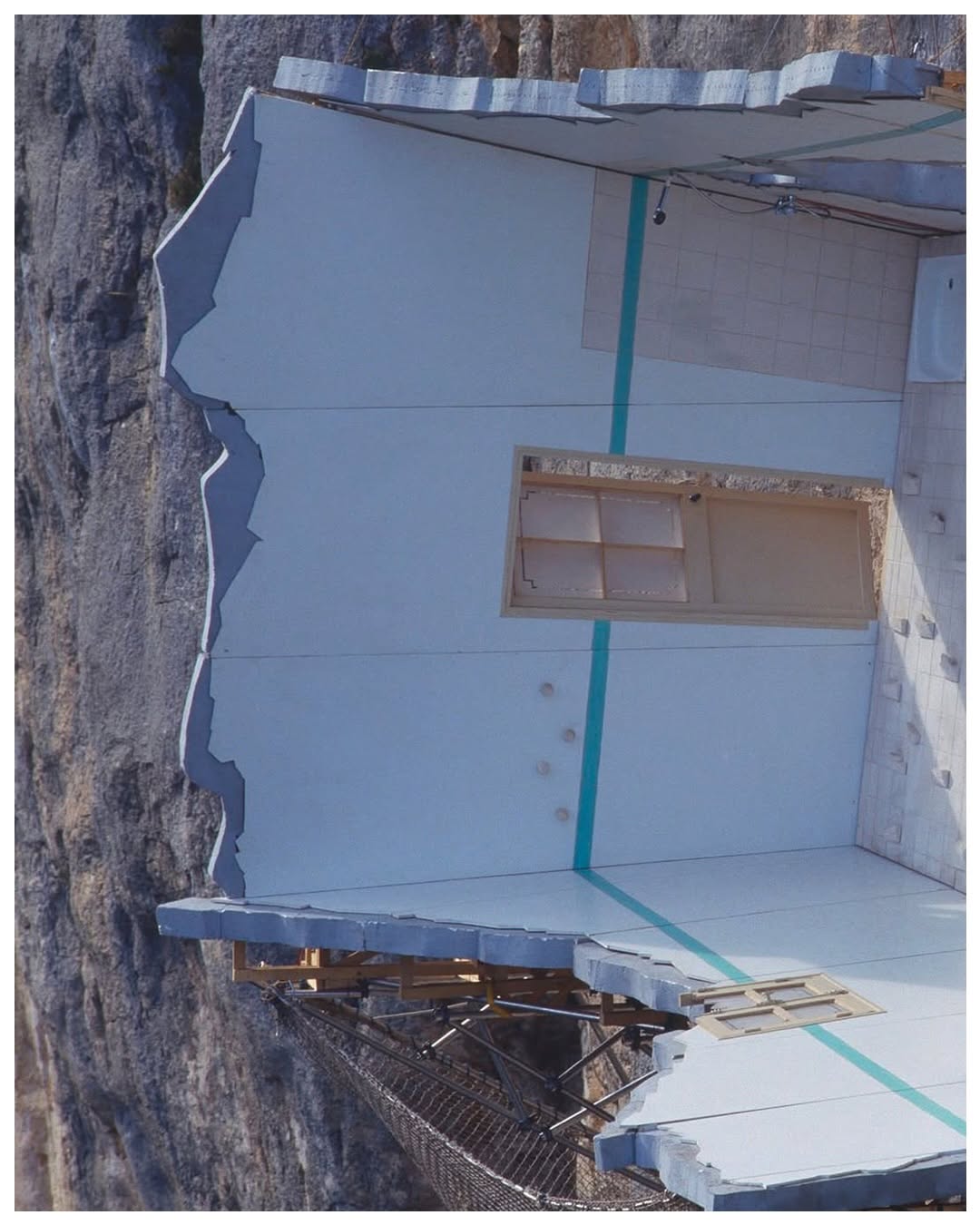
The bathroom was created by architect, sculptor and rock climber Jean Marc Blanche. The installation of the stage took place over 10 days by a team of trained rock climbers, such as Bernard Gorgeon, who also belayed the dancers during their performance.
Before BANDALOOP, Before Pink
The timing matters. Amelia Rudolph founded Bandaloop in 1991, bringing together dance, climbing, and varied off-the-ground movement into site-reactive performances on cliffs, urban structures, and in theaters. But Roc in Lichen had been conducting their investigation into verticality since 1983, eight years earlier.
The roots of vertical dance go back to France, where several companies experimented with the art of climbing, called Danse Escalade, using climbing as a creative form for video and films in the 1960s and 70s. United by a shared love of mountaineering, de Nercy and Dizien began to enrich their performances with movements inspired by climbing.
After 17 years of intensive creations, the company stopped in 2001, then taught and practiced more intimate and personal artistic activities. They disbanded before vertical dance exploded into the mainstream consciousness.
The Science of Suspension
Le Creux Poplite is named after the cavity found behind the knee which aids in the bending of the leg back to the thigh. The anatomical reference was not accidental. Vertical dance explores the art of performing when gravity shifts, developing performance presence and discovering artistic voice in harness movement fundamentals.
Amelia Rudolph's work is informed by natural and built spaces, human relationships, and by non-traditional relationships with gravity. But Aeriosa was founded to explore the transformative potential of vertical dance in collaboration with performers, musicians, and visual artists, contributing to the worldwide impact and relevance of the vertical dance art form.
The Movement Goes Mainstream
The 2026 China Extreme Dance Performance Competition was held from January 14 to 15 at Atlantis Sanya, attracting 24 contestants from over 10 provinces and municipalities. Extreme Dance is an innovative sport evolved from street dance, featuring contestants performing on land and underwater stages, showcasing a blend of street dance strength and artistic grace.
BANDALOOP, an innovator of vertical dance performing on buildings and cliffs since 1991, celebrates the human spirit through dance that uses climbing technology, with awe-inspiring aerial feats gracing over 300 locations globally. BANDALOOP Studios encompasses 8,000 square feet of dance floors and full-rigged vertical dance space, offering workshops and building partnerships with cultural institutions.
What Comes Next
"We like to say that we love our fear, because our fear keeps us alive," explains the current vertical dance philosophy. With Miami set to host global sporting moments in 2026, including FIFA World Cup matches, immersive experiences explore how physics, biology, and psychology shape the world's most daring sports.
The bathroom hanging from the cliff walls of Verdon Gorge was more than performance art. It was proof of concept. Today's vertical dance industry, from BANDALOOP's 8-week performance training series scheduled for March through April 2026 to Pink's stadium spectaculars, owes its existence to two French dancers who decided gravity was just another partner to work with.
Related Reading
- AMOAKO BOAFO OPENS FIRST ITALIAN SOLO AT PALAZZO GRIMANI VENICE
- ART BASEL SPOTLIGHTS THOMAS HOUSEAGO BRUSSELS SOLO SHOW
- Artschwager's Approximate Objects Extended Through May 23
Frequently Asked Questions
What was Le Creux Poplite?
Le Creux Poplite was the first vertical dance performance by Roc in Lichen, performed 400 meters above the Verdon Gorge in a suspended bathroom stage designed by architect Jean Marc Blanche.
When was Roc in Lichen founded?
Roc in Lichen was founded in 1983 by Laura de Nercy and Bruno Dizien, making them pioneers of vertical dance eight years before BANDALOOP's establishment in 1991.
How long did it take to set up the performance?
The installation of the suspended bathroom stage took 10 days by a team of trained rock climbers, with Bernard Gorgeon among those who belayed the dancers during their performance.
Topics: vertical dance, performance art, rock climbing, contemporary dance, extreme sports, French art