John Lautner Built the Sheats-Goldstein Residence Out of a Sandstone Ledge
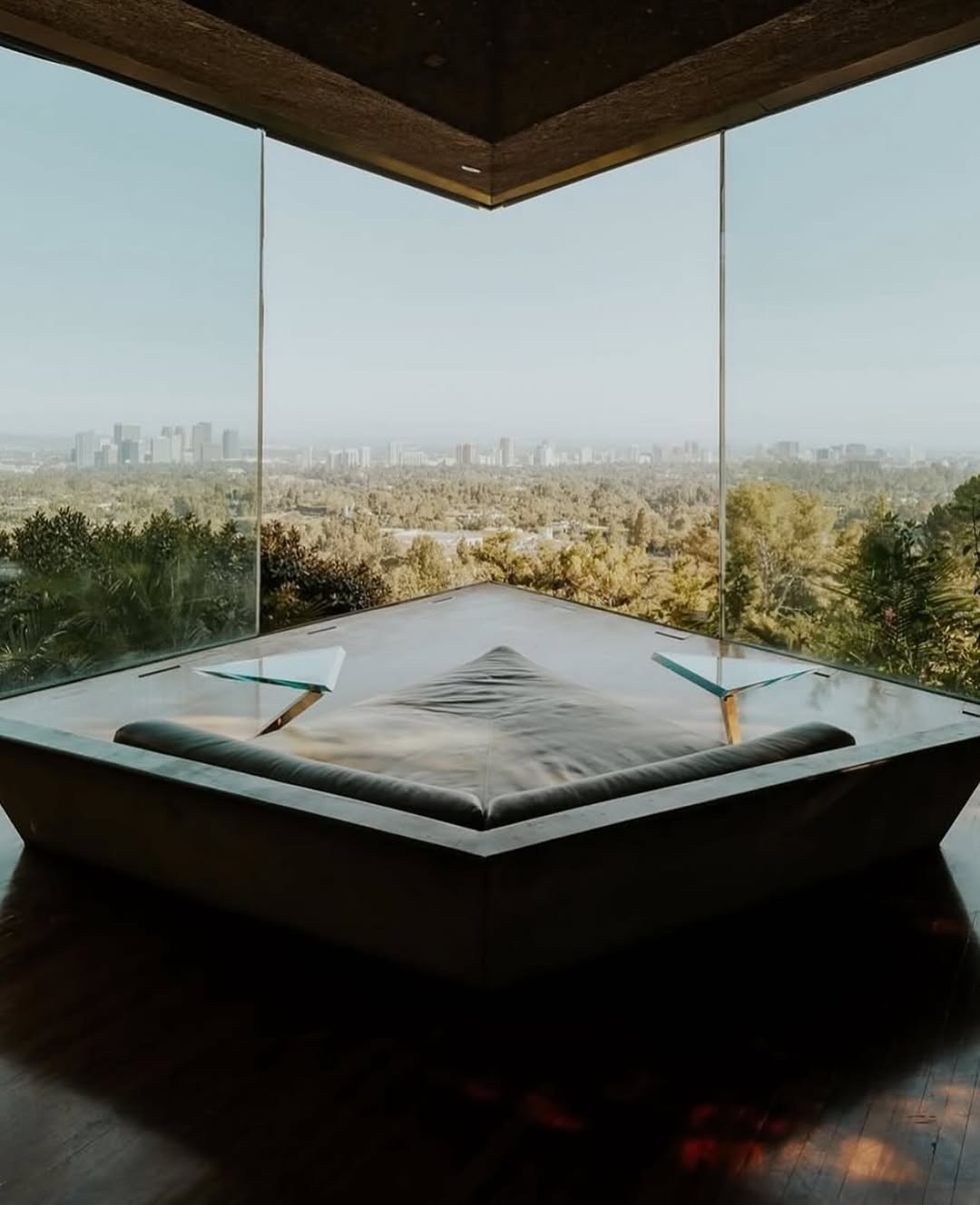
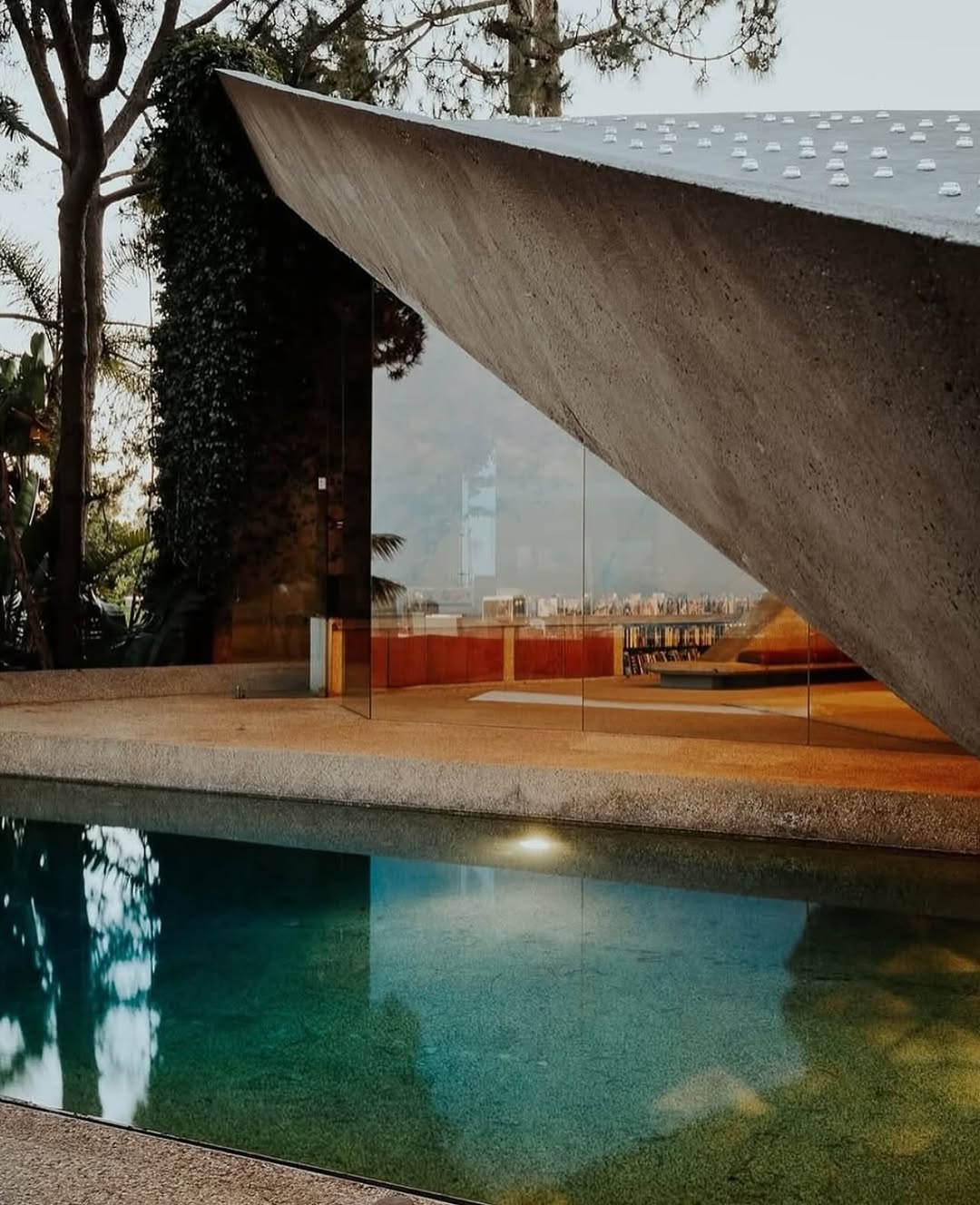
The Sheats-Goldstein Residence in Beverly Crest, Los Angeles was designed by John Lautner between 1961 and 1963 for Helen and Paul Sheats. The house features a triangulated concrete roof with over 750 cast glass skylights, no right angles, and floor-to-ceiling frameless glass walls. James Goldstein purchased the property in 1972 and has committed to donating it to LACMA.

Key Points
- Lautner designed 750 individual cast glass skylights set into the triangulated concrete roof, each sourced from drinking glass bottoms
- James Goldstein purchased the house in 1972 and has committed to donate it and an endowment to LACMA upon his death
- The estate grew to include Club James, a subterranean private nightclub dug beneath the original structure footprint
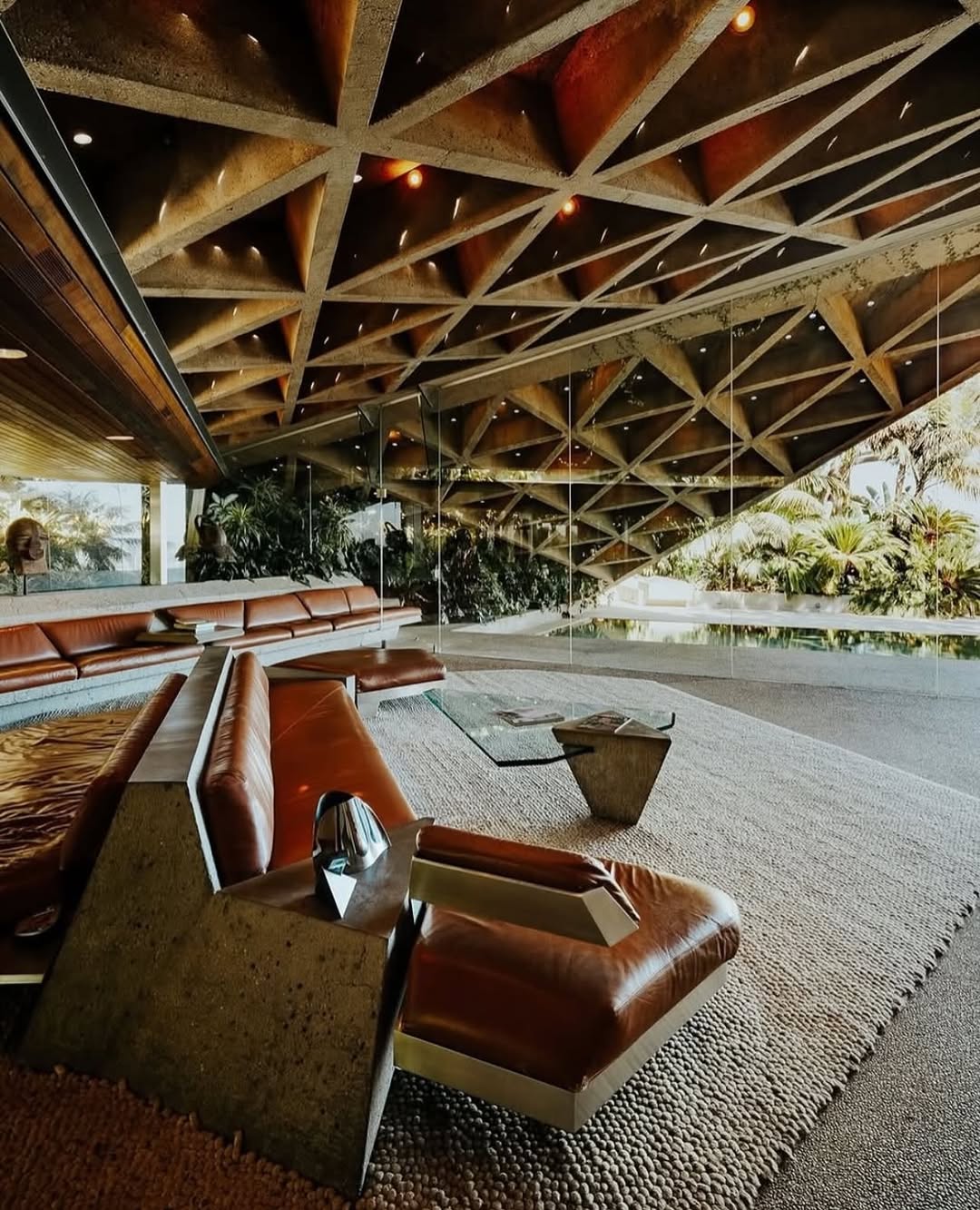
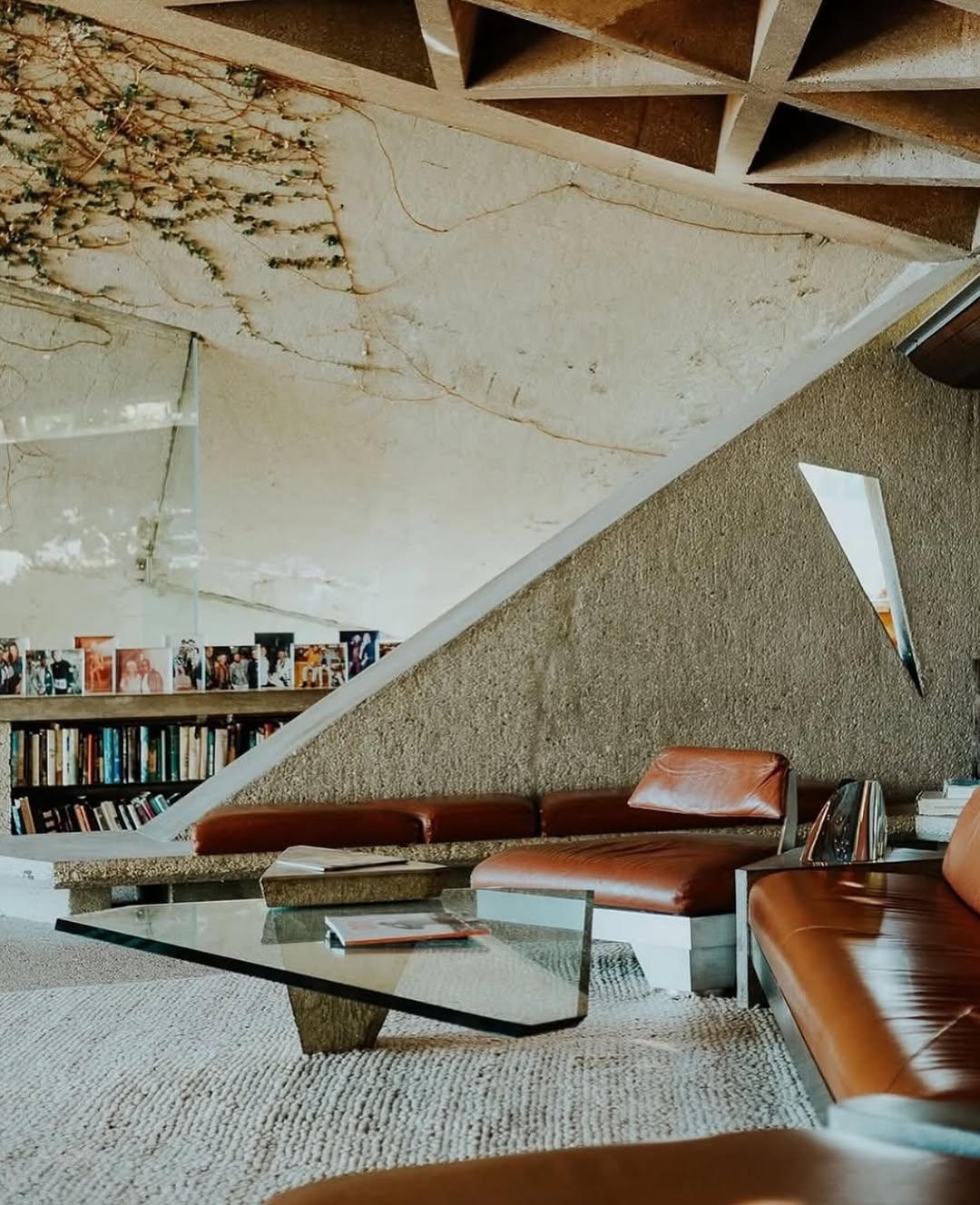
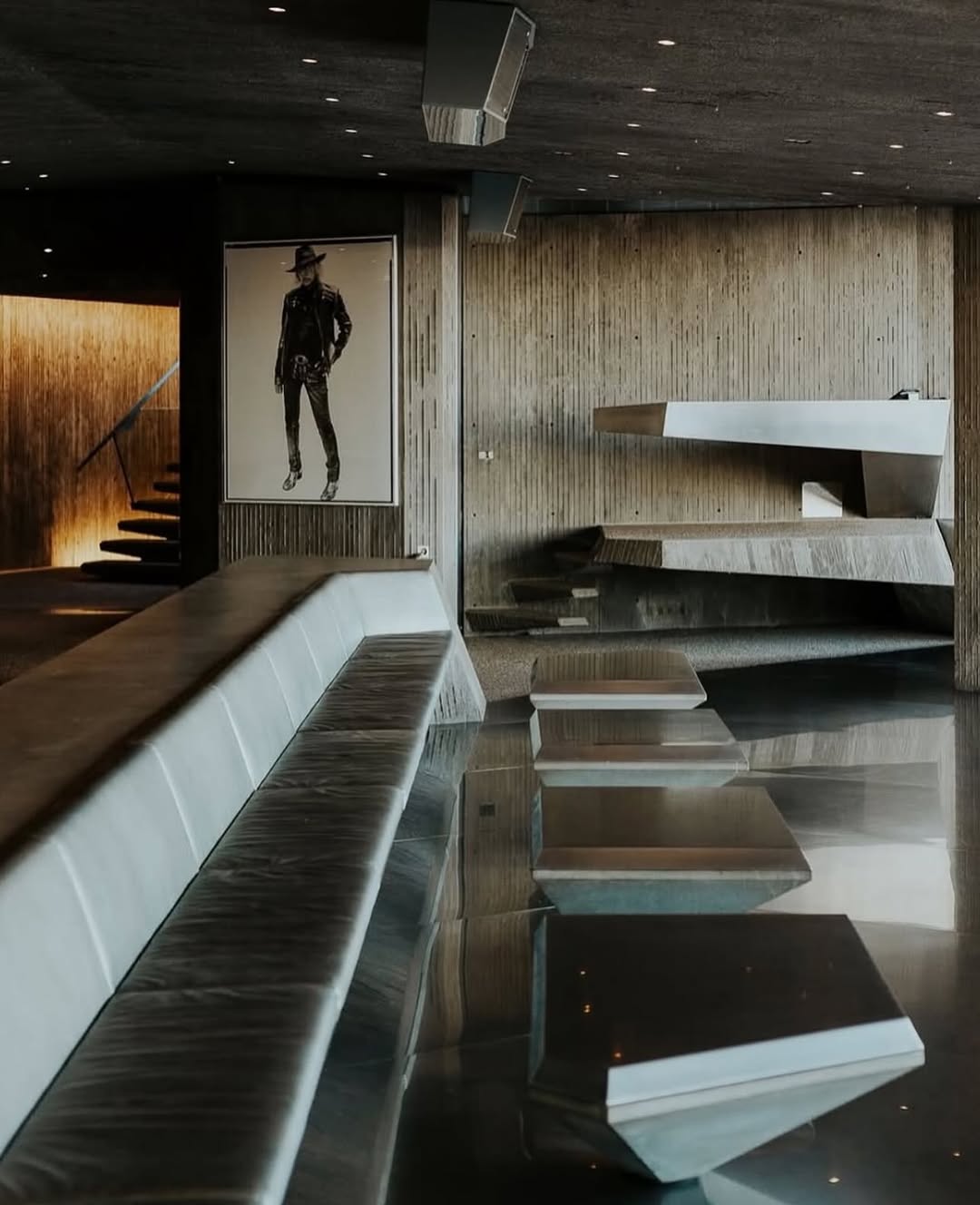
In 1963 John Lautner completed a house in Beverly Crest for Helen and Paul Sheats that used the sandstone ledge it sat on as a design partner, not an obstacle. The triangulated concrete roof contains more than 750 individual cast glass drinking-glass skylights. There are no right angles. The floor-to-ceiling glass walls have no frames. Lautner designed the furniture, the lighting, and the operable features. He did not deliver a building. He delivered a total environment, built on the principles he absorbed as Frank Lloyd Wright's apprentice from 1934 to 1940.
750 Skylights and a Roof That Refuses to Be a Lid
The concrete roof at Sheats-Goldstein is coffered in a triangulated grid. Into each void Lautner placed a cast glass cylinder, ground from the bottom of a drinking glass and sealed in place. At night, from inside, the ceiling is a field of light apertures. During the day the diffused light falls across the angular concrete in patterns that shift with the sun. This is not a modernist gesture toward natural light. It is a precision-engineered relationship between material, aperture diameter, and the specific latitude of Beverly Crest, calculated at the drawing board in 1961. No production curtain wall product does this. Lautner had it made.
1972: James Goldstein Buys a House That Needed a Patron
When James Goldstein purchased the property in 1972 from the original Sheats family, the house had been partially neglected. Goldstein, a businessman and NBA season ticket holder who has attended more Finals games than most coaches, entered into what became a decades-long collaboration with Lautner and later with Duncan Nicholson, Lautner's associate, to expand and refine the estate. The result is the Goldstein Entertainment Complex, which includes an infinity-edged tennis court and Club James, a subterranean private nightclub dug beneath the footprint of the original structure. Lautner designed caves to live inside. His client added a literal underground room.
Sterling Reed's Photography and the Merit LA Post
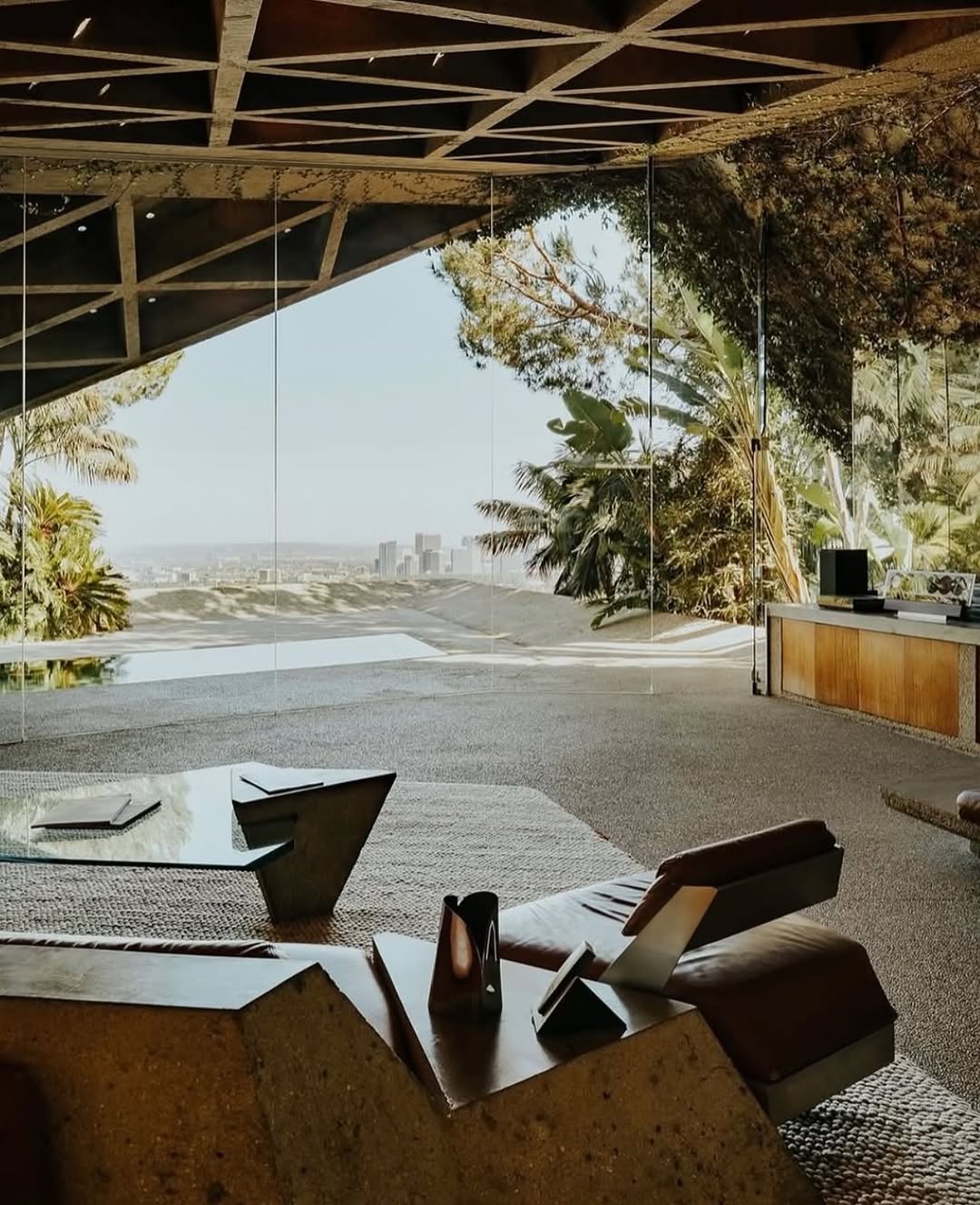
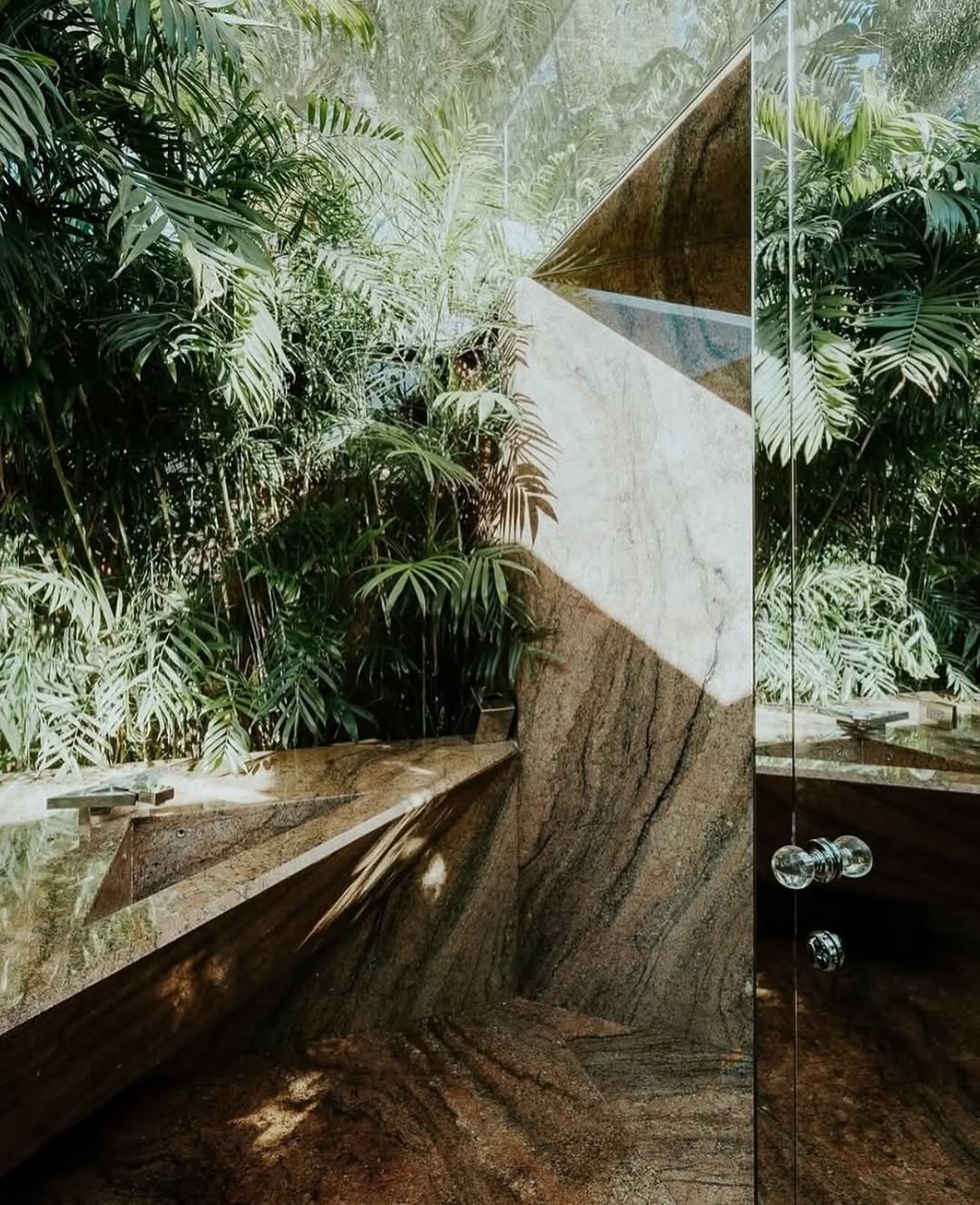
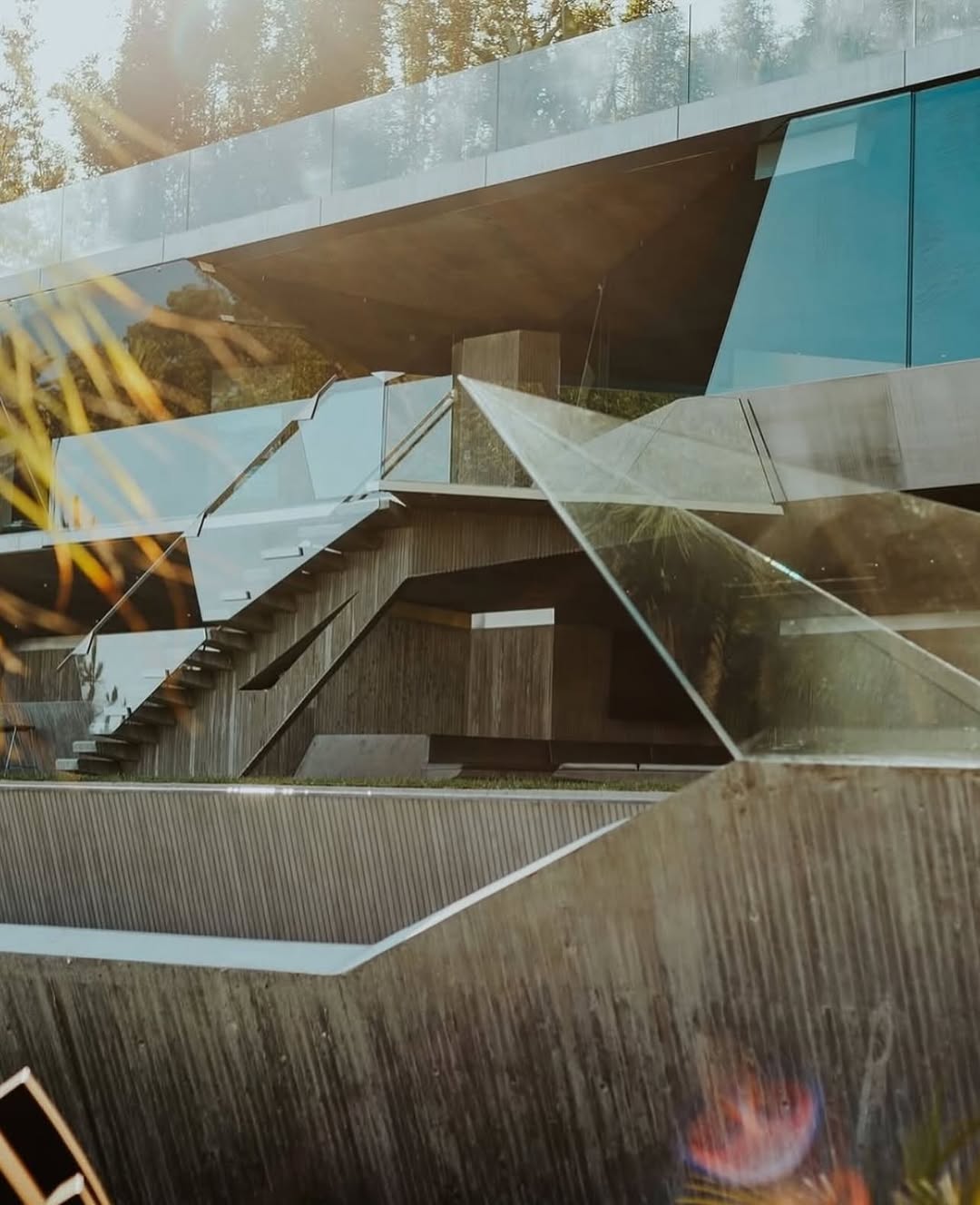
The Merit LA Instagram post that generated this signal features photography by Sterling Reed, credited in the caption. Reed's practice focuses on architectural interiors and Los Angeles residential spaces, often working with natural light at the extremes of day. The eleven images in the carousel move through the residence's main living space, the pool terrace, and the view lines toward the city. The images serve as a functional reminder of what it means to build a house around a view: the Sheats-Goldstein faces the Los Angeles basin from a hillside, and every architectural decision Lautner made was in service of maximizing that orientation without destroying it with a wall of glass that turns into a mirror at noon.
The LACMA Gift and What It Confirms
In 2016 James Goldstein announced he would donate the Sheats-Goldstein Residence, its contents, and an endowment to the Los Angeles County Museum of Art, ensuring its preservation as an architectural landmark. This is not an uncommon arrangement for significant residential architecture: the Schindler House became a museum, the Eames House a foundation property. But the Goldstein gift is unusual because the donor is still living in it. Goldstein continues to occupy the property, which means LACMA will eventually receive a fully maintained, inhabited example of Lautner's work rather than a decayed one. The underground nightclub presumably goes with it.
What Made Lautner Different From His Contemporaries
Richard Neutra and Rudolf Schindler, Lautner's contemporaries in Southern California modernism, built with flat planes and right angles. Their houses are horizontal. Lautner built with geometry derived from the site itself: the angle of the slope, the direction of the view, the height of the existing trees. The Sheats-Goldstein is trapezoidal in plan because that is what the ledge required. Neutra would have cut the ledge flat. Lautner asked it what it wanted to be. The result is a house that has appeared in The Big Lebowski, Charlie's Angels: Full Throttle, and approximately forty years of fashion editorial because nothing else in Los Angeles looks like it.
Related Reading
- EDITION OFFICE BUILT ABOVE THE GROUND IN MELBOURNE
- GAGOSIAN CELEBRATES FRANK GEHRY BIRTHDAY WITH THROWBACK POST
- GONZALO BARDACH BUILT HOUSE JR INTO THE EARTH
Related: ANTONIN TRON'S BALMAIN DEBUT SWAPS GOLD FOR MATTE LAMBSKIN.
Frequently Asked Questions
Who designed the Sheats-Goldstein Residence?
John Lautner designed the Sheats-Goldstein Residence between 1961 and 1963 for Helen and Paul Sheats in the Beverly Crest neighborhood of Los Angeles. Lautner was a former apprentice to Frank Lloyd Wright.
What happened to the Sheats-Goldstein house?
James Goldstein purchased the property in 1972 and collaborated with Lautner and later Duncan Nicholson to expand it, adding a subterranean nightclub called Club James and an infinity tennis court. In 2016 Goldstein announced he would donate the home to LACMA.
How many skylights does the Sheats-Goldstein Residence have?
The coffered concrete roof contains more than 750 individual cast glass skylights, each made from a drinking glass bottom sealed into the triangulated roof grid.
Topics: mid-century-modern, beverly-crest, john-lautner, lacma, complex, los-angeles, nba, sheats-goldstein-residence, focus-52-52, james-goldstein, architecture