Rirkrit Tiravanija's 30-Year Architecture Retrospective Opens in Milan
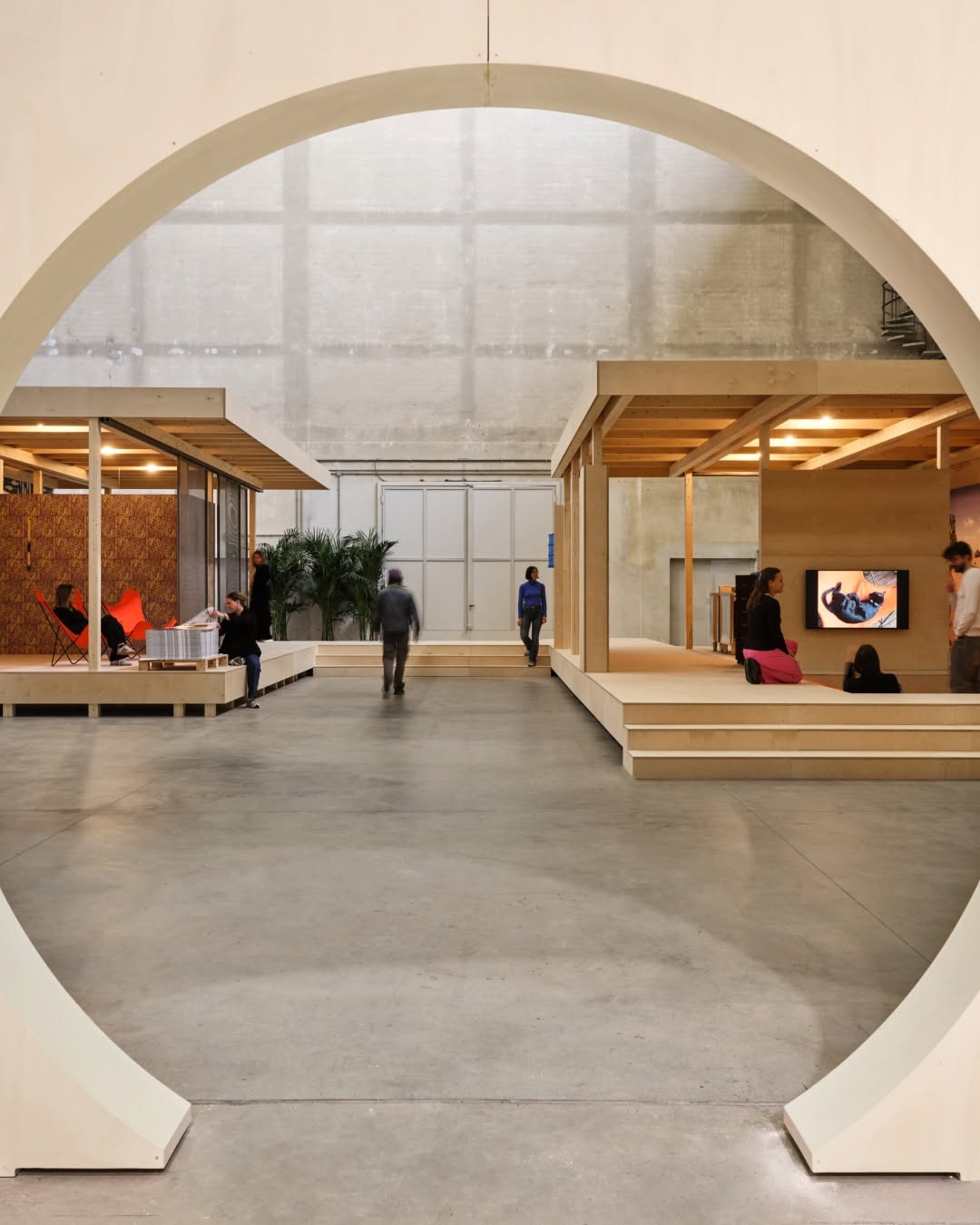
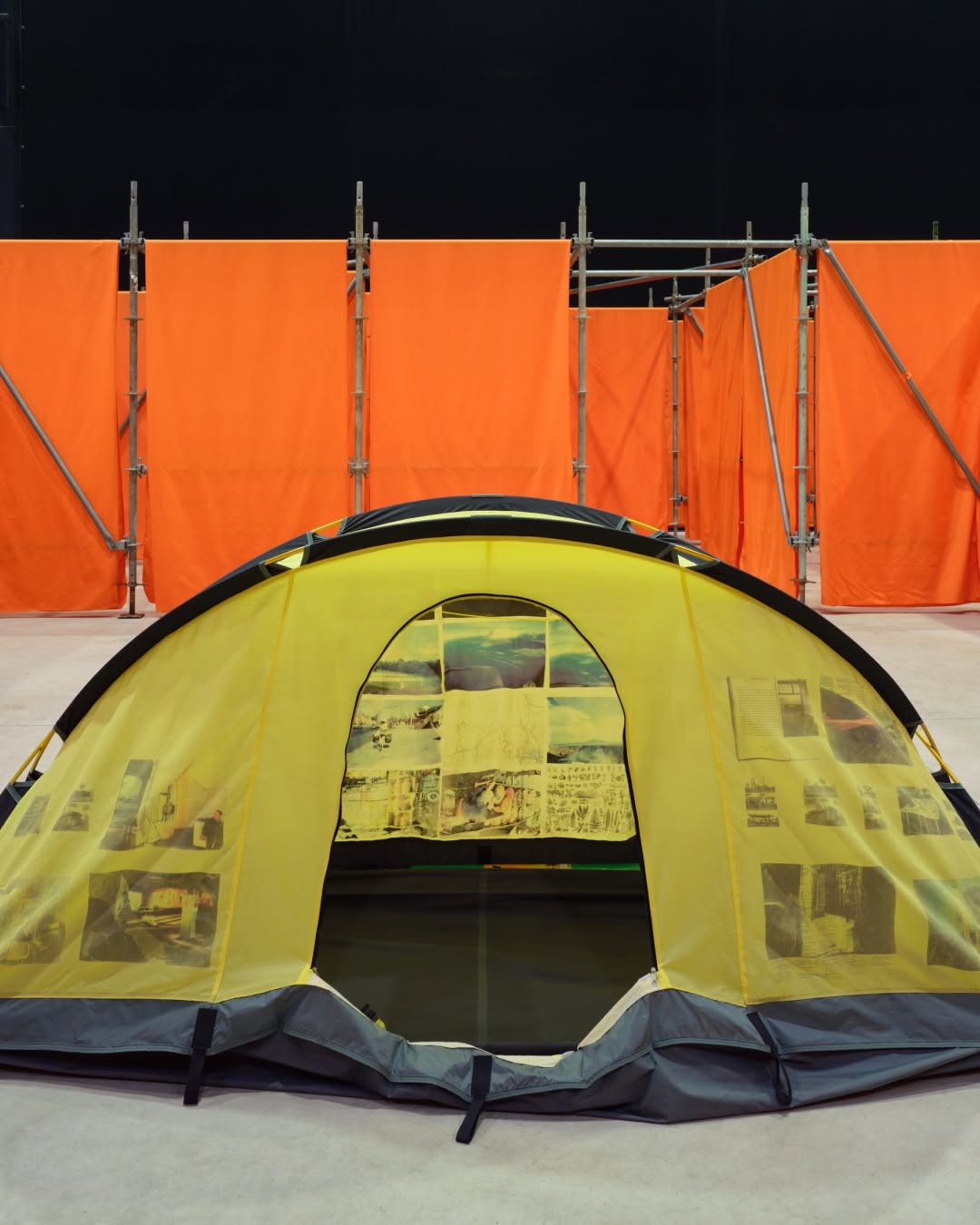
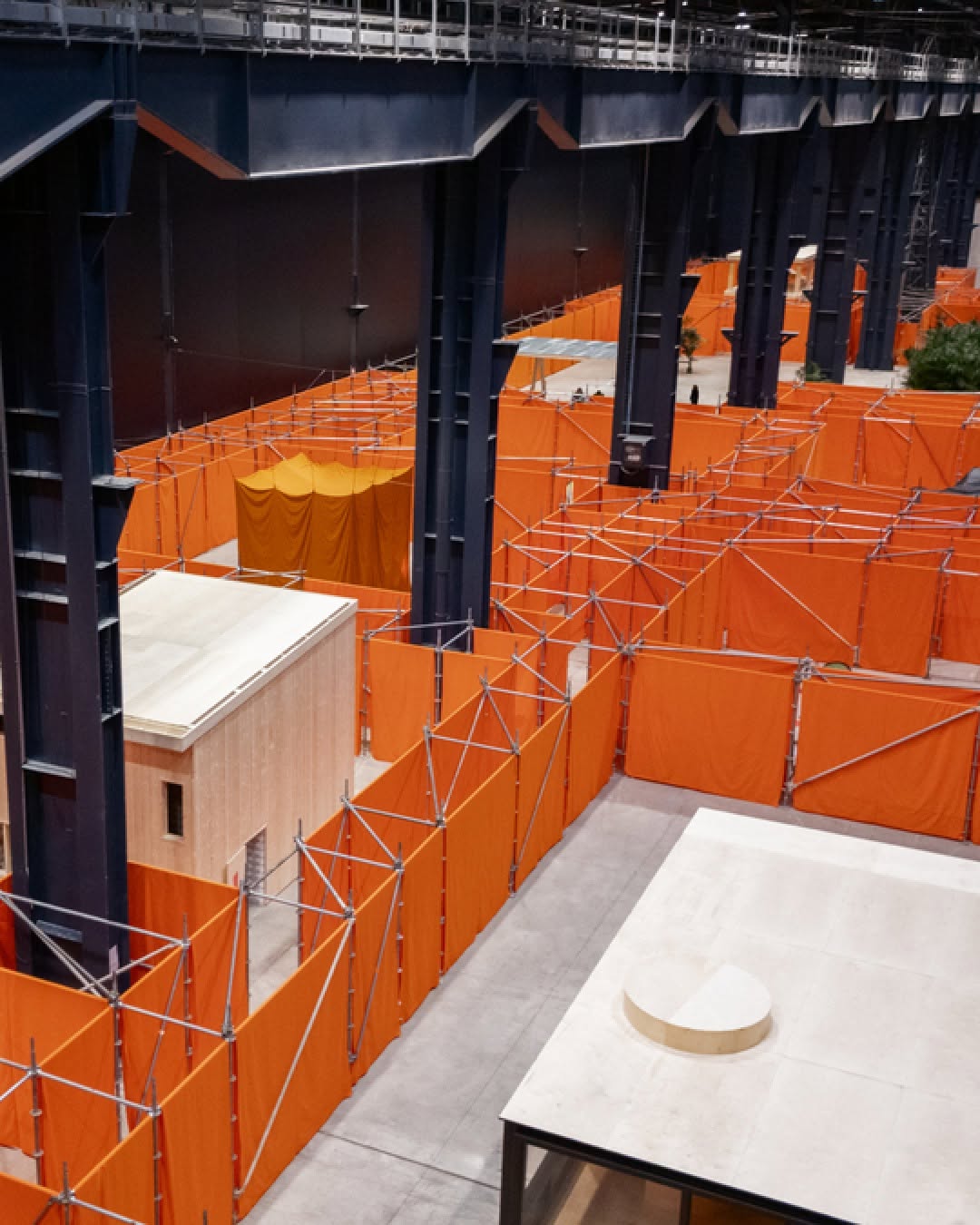
Rirkrit Tiravanija's first major retrospective opened March 26 at Pirelli HangarBicocca in Milan, running through July 26, 2026. Curated by Lucia Aspesi and Vicente Todoli, 'The House That Jack Built' surveys 30 years of architectural reproductions of Le Corbusier, Prouve, Lewerentz, Schindler, Scarpa, and Philip Johnson, each repurposed for collective visitor activation.
Key Points
- The exhibition spans 4,400 sqm of HangarBicocca's Navate, March 26 to July 26, 2026, curated by Lucia Aspesi and Vicente Todoli.
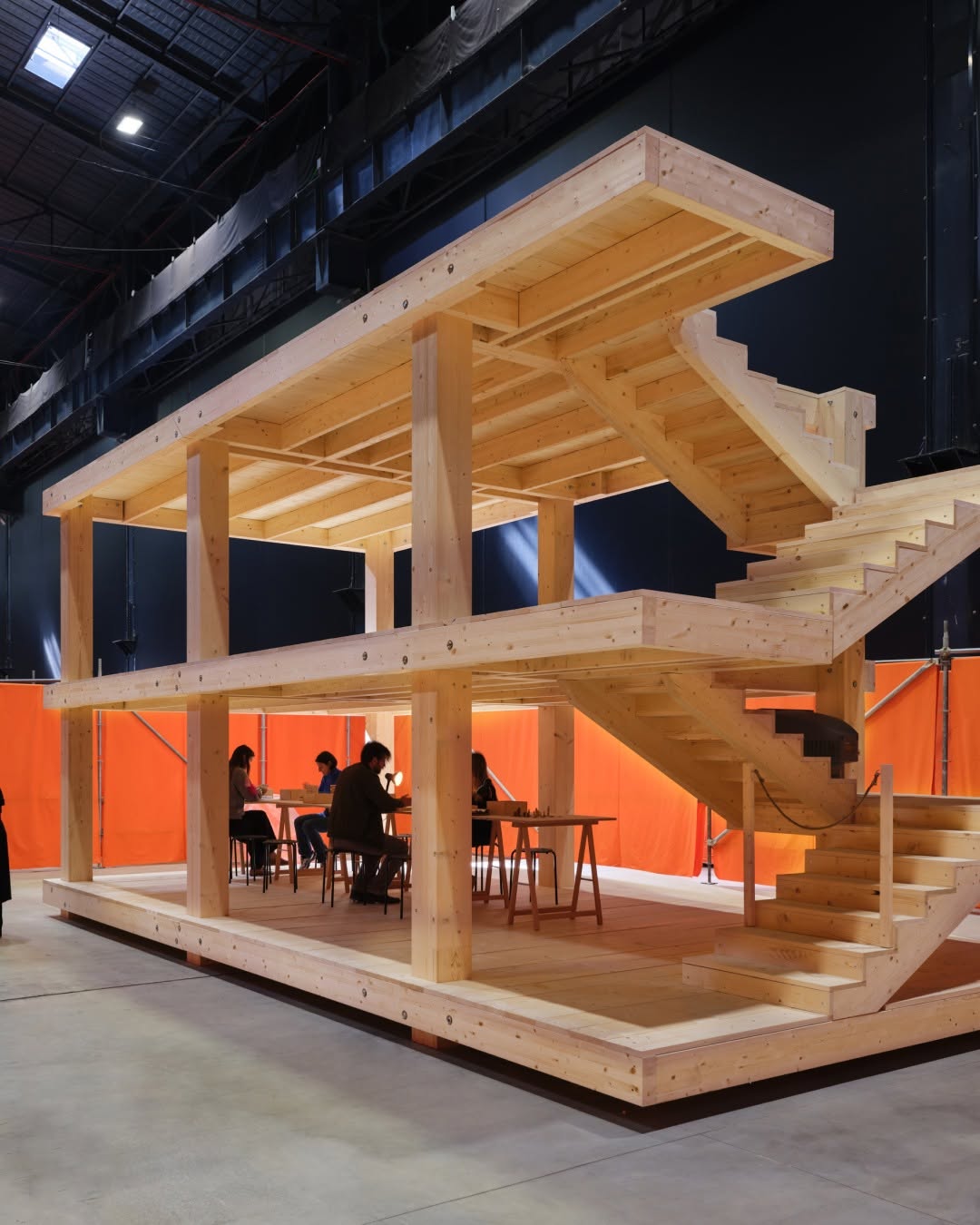
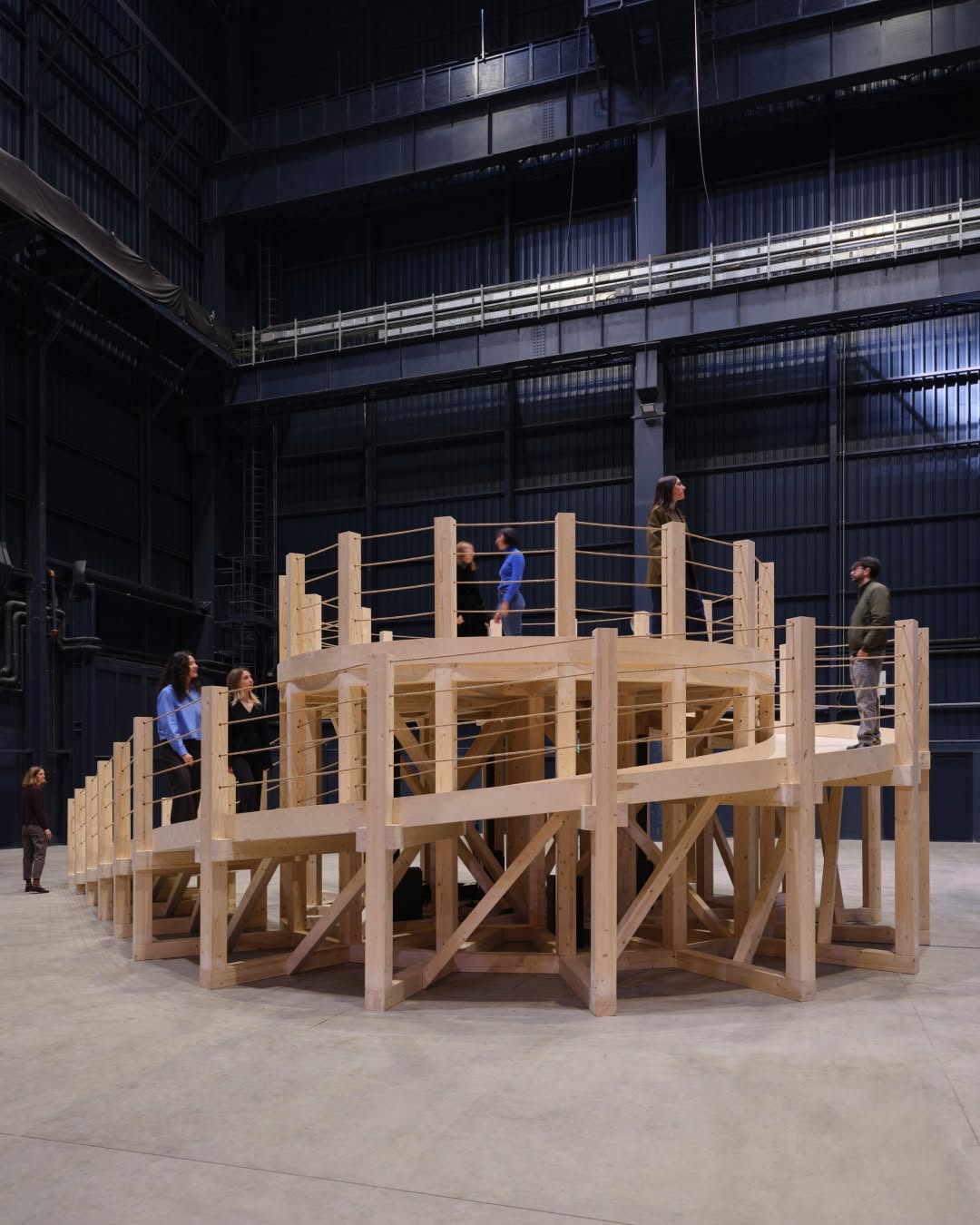
- Tiravanija reproduces iconic buildings by Le Corbusier, Schindler, Prouve, Lewerentz, Scarpa, and Philip Johnson, redirecting them to collective use.
- The exhibition title references the cumulative English nursery rhyme 'This is the house that Jack built,' where each addition alters what came before.
Rirkrit Tiravanija has spent 30 years building structures you can sit in, eat in, or sleep in. Structures that replicate Sigurd Lewerentz's St. Peter's Church in Klippan. Le Corbusier's Cabanon. Jean Prouve demountable houses. Philip Johnson's Glass House. Rudolf Schindler. Carlo Scarpa. He does not copy these buildings to archive them. He copies them to redirect their function toward collective use.
"The House That Jack Built" is the first major retrospective of this 30-year body of work, and it opened March 26th at Pirelli HangarBicocca in Milan. It runs through July 26th. Curated by Lucia Aspesi and Vicente Todoli, who organized the exhibition title after the cumulative English nursery rhyme: a chain where each addition alters what came before.
The Pirelli HangarBicocca Space Is the Correct Scale
HangarBicocca is a former industrial complex in northern Milan, converted into a contemporary art venue. The Navate is its primary exhibition space: 4,400 square meters, 12 meters high, designed for works that need room to be understood rather than compressed into gallery walls. Tiravanija's architectural reproductions require this. You cannot evaluate a structure you cannot walk around. You certainly cannot sit in a Le Corbusier reproduction without the physical dimensions of it in front of you.
The space has hosted Anselm Kiefer's permanent installation "The Seven Heavenly Palaces" since 2004. It knows how to hold ambitious scale. The Tiravanija retrospective is the appropriate use of that scale.
Aspesi and Todoli Read Tiravanija Correctly
Vicente Todoli directed Tate Modern from 2003 to 2010. His eye is calibrated to work that operates at institutional scale. Lucia Aspesi brings geographic knowledge, having curated at Milan's institutions for years. Their selection of the nursery rhyme structure as the organizing principle is precise.
"This is the house that Jack built" accumulates. Each verse adds a new character to the same house. The house never changes; the inhabitants keep multiplying. Tiravanija's career operates similarly. The structures he builds do not change what they are referencing. They change who occupies them, and what those occupants do inside them. A Philip Johnson Glass House reproduction in a Milan industrial space, filled with visitors playing games on a Wednesday afternoon, is having a different conversation with modernism than the original ever could.
Authorship Is the Argument
The exhibition's stated theme is authorship. When an artist reproduces an iconic building designed by an architect who is dead, who owns the result? When visitors cook food in a Le Corbusier-derived kitchen, whose house is it? Tiravanija's practice has spent 30 years refusing to answer this question in favor of redirecting it.
His most famous early work, "Pad Thai" from 1990, had him cooking pad thai in the Paula Allen Gallery in New York and serving it to visitors. The gallery became a kitchen. The critic became a dinner guest. The authorship question was already live then, just applied to food rather than architecture.
The HangarBicocca retrospective scales that argument to 4,400 square meters. The structures Lewerentz and Le Corbusier designed to house specific functions have been repurposed to house whatever the visitors decide to do in them.
March 26 to July 26: Four Months Is the Correct Duration
A retrospective of participatory architecture needs time. One visit does not exhaust the experience. The works change with the crowd. A structure occupied by 400 people on a Saturday operates differently than the same structure on a Tuesday morning with six people moving through it.
The exhibition runs four months, giving the works the duration to accumulate their own relational history. By July 26th the Navate will have been inhabited by thousands of visitors who each brought their own conversation with modernism to the structures. That accumulation is documentation. It is also the exhibition's primary output.
Related Reading
- Daniel Arsham Wall Excavation Carved 300 Feet of Walls Into a Human Form
- Frank Gehry Gets a Posthumous Show at Gagosian Beverly Hills
- MICHAEL BORREMANS AT 60 REDEFINES PAINTING'S LIMITS
Frequently Asked Questions
What is 'The House That Jack Built' exhibition?
A retrospective spanning 30 years of Rirkrit Tiravanija's spatial and architectural research, running March 26 to July 26, 2026 at Pirelli HangarBicocca in Milan, curated by Lucia Aspesi and Vicente Todoli.
Who curated the Rirkrit Tiravanija retrospective?
Lucia Aspesi and Vicente Todoli, the latter having directed Tate Modern from 2003 to 2010.
Which architects does Tiravanija reference?
The show includes reproductions referencing Sigurd Lewerentz, Le Corbusier, Rudolf Schindler, Frederick Kiesler, Jean Prouve, Carlo Scarpa, and Philip Johnson.
Topics: pirelli-hangarbicocca, rirkrit-tiravanija, contemporary-art, architecture, focus-50-52, david-zwirner, milan, participatory-art, daniel arsham, gagosian, tate, daniel-arsham